Metabolic Syndrome vs. Insulin Resistance: What's the Difference?
Medically reviewed by Medical Advisory Board Last reviewed 2026-08-12
Two related but distinct terms: one is a diagnosis, the other is a mechanism
Metabolic syndrome and insulin resistance are often used interchangeably, but they describe different things. Insulin resistance is a cellular mechanism, the earliest upstream driver. Metabolic syndrome is a clinical diagnosis requiring 3 of 5 specific measurable criteria. You can have insulin resistance for years before meeting the metabolic syndrome threshold.
"Metabolic syndrome" and "insulin resistance" often appear together in search results, lab reports, and conversations with doctors, so it's easy to see why most people blur the two terms. They're related, but they're not the same, and understanding the difference matters when assessing your own risk and deciding what to test for.
Insulin resistance is a mechanism, a cellular-level breakdown in how your muscles, liver, and fat tissue respond to insulin. Metabolic syndrome is a diagnosis, a specific clinical label used when measurable downstream effects (waist size, blood pressure, triglycerides, HDL, and fasting glucose) cross defined thresholds. One is the engine; the other is the dashboard warning light that turns on once enough damage has accumulated to show up in standard measurements.
Partner · Opt Health
Want insulin resistance treated, not just named?
Opt Health tests fasting insulin and HOMA-IR — the markers most panels skip — and treats the resistance itself with a physician-built plan rather than waiting for glucose to drift into the diabetic range.
Read Opt Health on insulin resistance →The Core Distinction, in One Table
| Insulin Resistance | Metabolic Syndrome | |
|---|---|---|
| What it is | A cellular mechanism: cells respond poorly to insulin's signal | A clinical diagnosis: a defined cluster of 5 measurable risk factors |
| How it's identified | Specialized tests (fasting insulin, HOMA-IR), not part of routine bloodwork | 5 standard, widely available measurements: waist circumference, blood pressure, triglycerides, HDL, fasting glucose |
| Diagnostic threshold | No single universal cutoff; interpreted on a continuum (fasting insulin, HOMA-IR) | Meeting 3 of 5 specific criteria (AHA/NHLBI definition) |
| Timing | Can be present 10 to 15 years before any downstream marker becomes abnormal | Diagnosed only once enough downstream markers have already crossed threshold |
| Relationship | Insulin resistance is the common upstream driver behind most cases of metabolic syndrome. But you can have significant insulin resistance for years while still testing "normal" on the metabolic syndrome criteria. | |
Why Insulin Resistance Comes First
When cells become resistant to insulin's signal, glucose uptake into muscle and fat tissue slows down. The pancreas compensates by producing more insulin to force the same glucose-lowering effect, a state called hyperinsulinemia. This compensation can hold fasting glucose in the normal range for years, which is exactly why standard glucose testing misses early insulin resistance.
While the pancreas is compensating, the excess insulin is already doing downstream damage: promoting fat storage (especially visceral fat around the abdomen), raising triglycerides, lowering HDL cholesterol, and contributing to higher blood pressure through sodium retention and sympathetic nervous system activation. Those four effects are, not coincidentally, four of the five metabolic syndrome criteria. Metabolic syndrome is essentially what insulin resistance looks like once it has been running long enough, and gone unaddressed long enough, to show up on a standard panel. See our full metabolic health guide for how fasting insulin and HOMA-IR catch this years earlier than the criteria below.
The 5 Metabolic Syndrome Criteria (You Need 3)
A metabolic syndrome diagnosis requires meeting 3 or more of these 5 AHA/NHLBI criteria. See the full metabolic syndrome diagnosis and treatment guide for the complete breakdown:
- Waist circumference ≥40 in (men) / ≥35 in (women)
- Triglycerides ≥150 mg/dL (or on medication)
- HDL cholesterol <40 mg/dL (men) / <50 mg/dL (women)
- Blood pressure ≥130/85 mmHg (or on medication)
- Fasting glucose ≥100 mg/dL (or on medication)
Notice that none of these criteria directly measure insulin. That's the practical crux of the confusion: you can have measurably high fasting insulin and a HOMA-IR well above the healthy range while meeting zero or one of these five criteria, and technically not qualify for a metabolic syndrome diagnosis at all. Insulin resistance is doing real work in the background before the criteria-based diagnosis catches up.
Can You Have One Without the Other?
Insulin resistance without metabolic syndrome: yes, and this is the more common mismatch. Early or mild insulin resistance frequently exists for years with fasting glucose, blood pressure, and lipids all still in normal range. This is exactly why relying only on a standard metabolic panel to rule out metabolic dysfunction misses so many people. A fasting insulin or HOMA-IR test, which isn't part of routine bloodwork, is what catches this earlier stage.
Metabolic syndrome without significant insulin resistance: less common, but possible. A person could meet 3 of 5 criteria through a combination of genetics, high blood pressure unrelated to insulin signaling, and a lipid pattern from diet or other causes, without insulin resistance being the primary driver. This is the minority pattern: insulin resistance is the dominant mechanism behind most real-world metabolic syndrome cases, but medicine rarely deals in absolutes.
Where PCOS Fits Into This Picture
Polycystic ovary syndrome adds a third term to this confusion, because PCOS, insulin resistance, and metabolic syndrome overlap heavily without being identical. An estimated 33 to 47% of women with PCOS also meet full metabolic syndrome criteria, and insulin resistance is present in a large majority of PCOS cases even when metabolic syndrome criteria aren't yet met. It often appears in a woman's 20s or 30s, decades before the perimenopausal insulin resistance that affects women without PCOS. The mechanism runs in both directions: insulin resistance drives the excess androgen production characteristic of PCOS, and PCOS's hormonal profile in turn worsens insulin resistance. See our PCOS guide for how that bidirectional relationship works and why PCOS patients are typically screened for metabolic syndrome markers starting at diagnosis rather than waiting for symptoms.
Which Should You Get Tested For?
The practical answer is both, but in a specific order. A standard metabolic panel (fasting glucose, lipid panel, blood pressure, waist circumference) tells you whether you currently meet metabolic syndrome criteria. This is quick, inexpensive, and part of most routine physicals. But because insulin resistance precedes metabolic syndrome by years, a normal metabolic panel does not rule out early insulin resistance.
If you have risk factors, such as a family history of type 2 diabetes, PCOS, excess abdominal fat, or a normal-weight presentation with unexplained fatigue or sugar cravings, ask specifically for fasting insulin and HOMA-IR alongside the standard panel. Our insulin resistance testing guide covers what to request and how to interpret the result, and our full how to reverse insulin resistance guide covers the evidence-based interventions that work whether or not you've crossed the metabolic syndrome threshold yet. The earlier the intervention starts, the easier the reversal.
How to test metabolic markers at home
You don't need a lab appointment to check your own metabolic markers — a few at-home kits mail you a collection kit and return physician-reviewed results online within days:
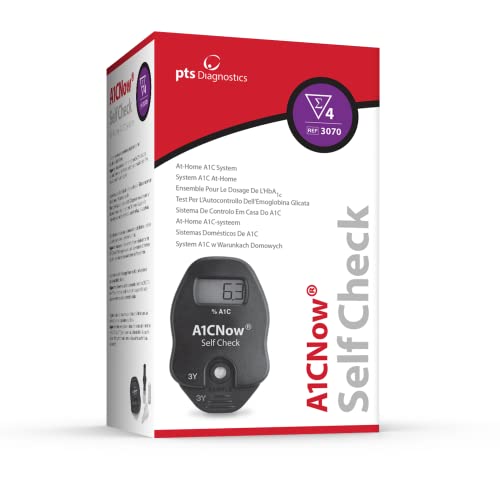
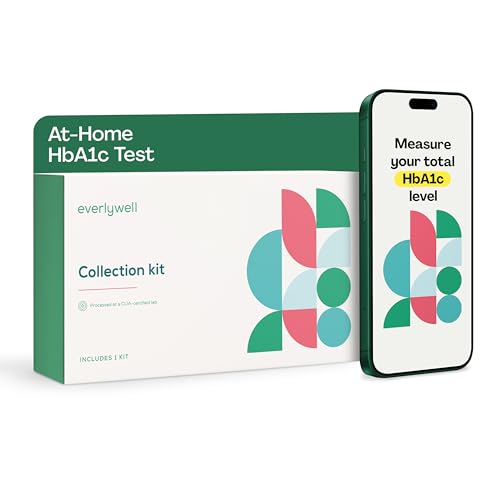
Prefer to order direct? The Everlywell HbA1c Test uses a CLIA-certified lab, physician-reviewed results, and prepaid return shipping.
What to Look For in a Continuous Glucose Monitor (CGM)
Over-the-counter CGMs like Dexcom Stelo and Abbott Lingo now sell without a prescription. Check the wear time (14–15 days per sensor), whether it reads to your phone or needs a separate device, and the monthly cost. For seeing how your own body responds to meals, a month or two is usually enough — you don't need to wear one forever.


What Makes a Good Fiber Supplement
For blood-sugar and cholesterol support you want SOLUBLE fiber — psyllium husk is the best studied. Start with one teaspoon and build up with plenty of water to avoid bloating, and take it 10–15 minutes before carb-heavy meals. Choose an unsweetened, additive-free powder or capsule.


Frequently Asked Questions
Is metabolic syndrome the same as insulin resistance?
No. Insulin resistance is a cellular mechanism (cells responding poorly to insulin's signal) that can be present for a decade or more before any standard lab value moves out of range. Metabolic syndrome is a formal clinical diagnosis requiring 3 of 5 specific measurable criteria (waist circumference, blood pressure, triglycerides, HDL, fasting glucose). Insulin resistance is the common upstream driver of most metabolic syndrome cases, but the two terms describe different things.
Does insulin resistance always lead to metabolic syndrome?
Not always, but frequently if left unaddressed. Insulin resistance drives the downstream changes, including visceral fat accumulation, rising triglycerides, falling HDL, and higher blood pressure, that make up the metabolic syndrome criteria. With early intervention (diet, exercise, sleep, weight management), insulin sensitivity can improve before those downstream markers ever cross threshold, which is the strongest argument for catching insulin resistance early rather than waiting for a metabolic syndrome diagnosis.
Can you have metabolic syndrome without insulin resistance?
It's possible but uncommon. A small share of people meet the 3-of-5 metabolic syndrome criteria through factors other than insulin resistance, such as genetic lipid disorders, primary hypertension unrelated to insulin signaling, or medication side effects. In most real-world cases, though, insulin resistance is the dominant mechanism behind the criteria being met, which is why treatment for metabolic syndrome and treatment for insulin resistance overlap so heavily: diet, exercise, and weight management improve both.
What test shows insulin resistance if metabolic syndrome labs are normal?
Fasting insulin and the calculated HOMA-IR (homeostatic model assessment of insulin resistance) are the two most practical tests, and neither is part of a standard metabolic panel. You typically have to ask for them specifically. A triglyceride-to-HDL ratio above 2.0 is also a useful surrogate marker that many labs already report alongside a standard lipid panel. See our insulin resistance testing guide for optimal ranges and how to interpret results.
Topic updates
Get the weekly metabolic health roundup
Insulin resistance, blood sugar, visceral fat, GLP-1 plateaus, metabolic syndrome, and weight-loss physiology.
Want insulin resistance handled by a physician who works from your labs? See how Opt Health does it →
Check Where You Stand
Take our free health assessment to understand your metabolic, hormonal, and recovery risk factors — and get personalized recommendations.
Take the Free Assessment →Free · Takes 5 minutes · Instant results
Related Guides
-
How to Reverse Insulin Resistance Naturally
Evidence-based dietary and lifestyle interventions (3-16 week timeline).
-
Insulin Resistance Diet: What to Eat, Foods to Avoid, and a 7-Day Meal Plan
What to eat, foods to avoid, and a 7-day meal plan for insulin resistance.
-
Insulin Resistance Supplements: Evidence-based Rankings for Berberine, Magnesium, and Inositol
Evidence-based rankings: berberine, magnesium, inositol, ALA, and chromium.
See more related guides
-
Insulin Resistance vs Prediabetes: Key Differences and the Progression Timeline
Continuum diagram, diagnostic thresholds, and the reversal window.
-
Exercise for Insulin Resistance: the Evidence-based Workout Plan
GLUT4 mechanism, resistance training protocol, HIIT vs steady-state, yoga.
-
Insulin Resistance in Pets
Insulin resistance in dogs and horses — equine metabolic syndrome and canine diabetes explained.
-
Insulin Resistance Meal Plan
A structured 7-day insulin resistance meal plan with grocery list.
-
How Insulin Resistance Causes Fatty Liver Disease (MASLD)
How insulin resistance drives fatty liver disease (MASLD), the 2023 diagnostic criteria, and the tests that catch it early.
Affiliate disclosure: The Metabolic Journal is reader-supported. Some links above are affiliate or referral links and we may earn a commission at no extra cost to you. As an Amazon Associate we earn from qualifying purchases. Products are chosen on the merits; commissions never influence what we recommend. This is general information, not medical advice — talk to your clinician before acting.