Insulin Resistance Risk Calculator
Estimate your insulin resistance risk using surrogate markers validated in clinical research. The gold standard test (hyperinsulinemic euglycemic clamp) is impractical for routine use, but HOMA-IR, triglyceride-to-HDL ratio, and waist circumference provide reliable clinical estimates per ADA guidelines.
What You'll Get
- HOMA-IR score (if fasting insulin and glucose provided; optimal <1.5, insulin resistant >2.9)
- Triglyceride-to-HDL ratio (optimal <2.0; >3.0 signals insulin resistance)
- Clinical risk category (low, moderate, high)
- Which additional labs to order if data is incomplete
- Evidence-based recommendations
How to test metabolic markers at home
You don't need a lab appointment to check your own metabolic markers — a few at-home kits mail you a collection kit and return physician-reviewed results online within days:
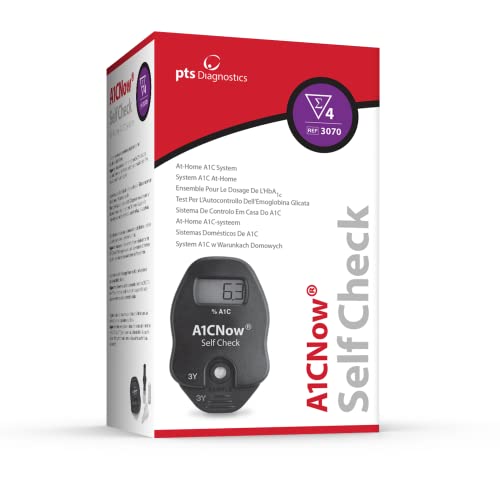
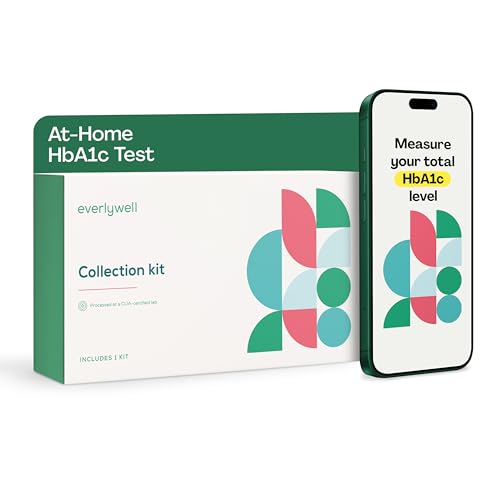
Prefer to order direct? The Everlywell HbA1c Test uses a CLIA-certified lab, physician-reviewed results, and prepaid return shipping.
What to Look For in a Continuous Glucose Monitor (CGM)
Over-the-counter CGMs like Dexcom Stelo and Abbott Lingo now sell without a prescription. Check the wear time (14–15 days per sensor), whether it reads to your phone or needs a separate device, and the monthly cost. For seeing how your own body responds to meals, a month or two is usually enough — you don't need to wear one forever.


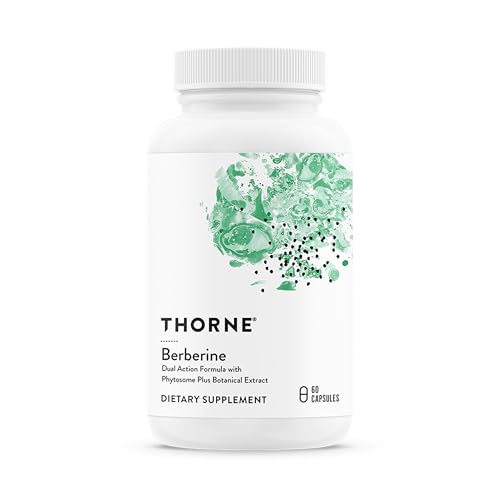
What Makes a Good Berberine Supplement
Berberine is studied for blood-sugar and lipid support, usually at 500 mg two to three times a day with meals (it clears quickly, so doses are split). It can interact with medications — especially diabetes drugs — so clear it with your doctor first. Look for standardized berberine HCl, third-party tested; dihydroberberine is a newer, better-absorbed form.

Frequently Asked Questions
What is a normal HOMA-IR score?
A HOMA-IR below 1.0 is optimal. Scores between 1.0–1.5 indicate low risk, 1.5–2.5 suggest moderate insulin resistance, and above 2.5 indicates significant insulin resistance consistent with metabolic syndrome. If you're trying to figure out whether your number points to insulin resistance versus prediabetes — and whether lifestyle change or medication makes more sense at your stage — see our insulin resistance vs. prediabetes guide, which also covers how to tell if your stage is still fully reversible.
What is a healthy triglyceride-to-HDL ratio?
A TG/HDL ratio below 2.0 is optimal. Ratios above 3.0 are a reliable surrogate marker for insulin resistance, validated in clinical research as comparable to more invasive testing methods.
Can insulin resistance be reversed?
Yes. Targeted dietary changes (reducing refined carbs, increasing fiber), regular exercise (both aerobic and resistance training), improved sleep, and weight loss of 5–10% typically improve HOMA-IR within 8–12 weeks. If your fasting insulin stays elevated despite consistent diet and exercise changes, it's worth ruling out other drivers like sleep apnea, chronic stress, or thyroid dysfunction — see our insulin resistance supplements guide for that next-step checklist.
How accurate is this insulin resistance calculator?
This calculator estimates insulin resistance risk using surrogate markers — HOMA-IR and the triglyceride-to-HDL ratio — that are validated in clinical research as reliable proxies for the gold-standard hyperinsulinemic-euglycemic clamp, not a replacement for it. Its accuracy depends entirely on the accuracy of the lab values you enter; without real fasting insulin and glucose numbers, it can only give a rough estimate based on waist circumference and other risk factors. Use it to decide whether lab testing is worth pursuing, not as a diagnosis. A "low risk" result also isn't a clearance — the calculator only scores the numbers you enter, so risk factors it doesn't ask about (a family history of type 2 diabetes, PCOS, or a prior high result) can still mean insulin resistance is present even when today's numbers look fine. If you have PCOS, insulin resistance is common enough that it changes how a given score should be interpreted — worth reading in full on our PCOS page rather than relying on the general risk categories here.
Is this calculator a substitute for a doctor's diagnosis?
No, this calculator is an educational screening tool, not a diagnostic one. A HOMA-IR or TG/HDL result in the moderate or high risk range means it's worth discussing fasting insulin and glucose testing with a doctor, not that you have a confirmed diagnosis of insulin resistance or metabolic syndrome.
What if I don't know my fasting insulin or glucose numbers?
You can still get a partial estimate using waist circumference, triglycerides, and HDL cholesterol alone, since the triglyceride-to-HDL ratio doesn't require an insulin or glucose value. For the most complete picture — including an actual HOMA-IR score — you'll need a fasting blood draw measuring both insulin and glucose, which the calculator will flag as a recommended next step if your inputs are incomplete. For what these tests typically cost out of pocket, whether insurance covers them, how they compare to an A1c, and how often to repeat them, see our insulin resistance testing guide.
Does entering my numbers here send my health data anywhere, or is it private?
The calculation happens entirely in your browser — your insulin, glucose, triglyceride, HDL, and waist numbers are never sent to a server just by clicking Calculate. The only time any information leaves your device is if you choose to use the optional "Email my results" box below your result, which requires you to actively enter your email address.
Is this calculator still meaningful if I'm currently taking metformin or another glucose-lowering medication?
Glucose-lowering medications change your fasting glucose (and sometimes fasting insulin), so a HOMA-IR calculated while on treatment reflects your treated state, not your untreated baseline. That doesn't make the number useless, but the risk categories on this page were validated in the general population, not specifically in people on diabetes medication — share your medication list along with the result when you discuss it with your doctor.
Does this calculator account for differences between men and women, or different ethnicities?
The HOMA-IR formula itself (fasting insulin × fasting glucose ÷ 405) is applied the same way regardless of sex or ethnicity. Waist circumference risk is different — clinically the healthy cutoff is lower for women (under 35") than for men (under 40"), a distinction this tool doesn't apply the way our Metabolic Health Score Calculator does. If your waist measurement is close to a threshold, use the sex-specific cutoff rather than the general one shown here, and note that waist-circumference guidelines also vary by ethnicity in some clinical standards — worth raising with your doctor. A normal waist measurement doesn't rule insulin resistance out, either — see our guide on insulin resistance at a normal weight for why it can occur in thin people too.
My HOMA-IR from this calculator is high but my doctor says my labs are "normal" — what does that mean?
It means your fasting glucose is still inside the standard reference range, but your fasting insulin is already elevated — the pancreas compensating by producing more insulin to hold glucose down. Standard panels usually check glucose and HbA1c, not fasting insulin, so this compensated stage can go undetected for years. See our guide on insulin resistance symptoms for why glucose can look normal while insulin resistance is already progressing, and what to ask your doctor to test next.
Can I use mmol/L lab results (UK, Canada, Australia) with this calculator?
Not directly — this calculator's fields expect US units (glucose and triglycerides in mg/dL, HDL in mg/dL, insulin in μIU/mL), since that's how HOMA-IR was originally validated. If your lab report uses mmol/L, convert before entering: multiply your mmol/L glucose result by 18 to get mg/dL. For insulin, divide pmol/L by roughly 6.9 to estimate μIU/mL (or multiply μIU/mL by 6.9 to get pmol/L). For HDL, multiply mmol/L by 38.67 to get mg/dL. Triglycerides use a different conversion factor since the molecule is a different size — multiply mmol/L by 88.57 to get mg/dL. Double-check your converted numbers against your lab report's own reference range before relying on the result.
Does this calculator support HOMA2, QUICKI, or the TyG index?
No — this tool uses the original HOMA-IR formula (fasting insulin × fasting glucose ÷ 405) and the triglyceride-to-HDL ratio, the two most widely used simple surrogates in primary care because they only need a basic fasting panel. HOMA2 is a different, nonlinear model developed at Oxford that requires dedicated software and additional assumptions rather than a simple formula. QUICKI (1 ÷ [log(insulin) + log(glucose)]) and the TyG index (using triglycerides and glucose) are alternative research surrogates that some labs and studies use instead of classic HOMA-IR; they tend to correlate closely with HOMA-IR in most people, but this calculator doesn't compute them. If a specialist or study protocol specifically requires HOMA2, QUICKI, or TyG, ask your provider or lab which one they use before comparing your number to a published cutoff. For the exact math behind the number this tool shows you, see our HOMA-IR formula guide.
My HOMA-IR comes back fine but my triglyceride/HDL ratio is high (or vice versa) — which result should I trust?
Trust neither one alone — a normal HOMA-IR and a high TG/HDL ratio (or the reverse) reflect overlapping but not identical biology, since TG/HDL is a lipid-based proxy for insulin resistance while HOMA-IR is calculated directly from insulin and glucose. Because neither marker is individually 100% sensitive, an elevated result on either one is worth discussing with a doctor even when the other looks reassuring, rather than anchoring on whichever number came back lower.
Is this calculator meaningful or safe to use if I'm pregnant?
No — this calculator isn't appropriate for use during pregnancy. The HOMA-IR reference ranges shown here were validated in non-pregnant adults, and pregnancy normally raises insulin resistance as an expected physiological adaptation that supports fetal growth, so a "high" result here doesn't mean the same thing it would outside pregnancy. If you're pregnant or planning to be, ask your doctor about standard prenatal glucose screening (an oral glucose tolerance test, or OGTT) instead, which is specifically validated for detecting gestational diabetes.
Topic updates
Get the weekly metabolic health roundup
Insulin resistance, blood sugar, visceral fat, GLP-1 plateaus, metabolic syndrome, and weight-loss physiology.
Affiliate disclosure: Some links above are affiliate or referral links and we may earn a commission at no extra cost to you. As an Amazon Associate we earn from qualifying purchases. Products are chosen on the merits; this is general information, not medical advice — talk to your clinician before acting.