Insulin Resistance Supplements: Evidence-Based Rankings
Medically reviewed by Medical Advisory Board Last reviewed 2026-06-18
Which supplements actually improve insulin sensitivity — ranked by study quality, dose, and mechanism
Insulin resistance supplements ranked by evidence: berberine, myo-inositol, magnesium, ALA, and chromium — with doses, mechanisms, and study quality.
Reviewed by The Metabolic Journal Medical Advisory Board
Supplements for insulin resistance span a wide spectrum, from well-studied compounds tested in head-to-head RCTs against metformin to preliminary findings that have not yet been replicated. The key distinction is between supplements that improve insulin sensitivity through established mechanisms, such as AMPK activation, GLUT4 upregulation, and reduced oxidative stress, and those that modestly improve glucose markers through indirect or poorly characterized pathways. This guide ranks the evidence honestly and includes clinical doses where supported.
Partner · Opt Health
Want insulin resistance treated, not just named?
Opt Health tests fasting insulin and HOMA-IR — the markers most panels skip — and treats the resistance itself with a physician-built plan rather than waiting for glucose to drift into the diabetic range.
Read Opt Health on insulin resistance →Two important but easy-to-miss caveats upfront: 1. Most insulin resistance supplement trials last 8 to 24 weeks and measure HOMA-IR or fasting glucose. They rarely measure insulin sensitivity directly using gold-standard methods such as the euglycemic-hyperinsulinemic clamp. The results are real, but they're based on proxy markers. 2. No supplement reverses insulin resistance on its own. The evidence consistently shows that supplements work additively with dietary change and exercise, not as replacements. For the dietary foundation, see our insulin resistance diet guide.
Tier 1: Strongest Evidence (Multiple RCTs, Clear Mechanism)
These supplements have been tested in multiple randomized controlled trials with consistent results across independent research groups.
| Supplement | Mechanism | Clinical Dose | Evidence Quality | Key Study |
|---|---|---|---|---|
| Berberine | AMPK activator; reduces hepatic glucose production; comparable to metformin | 500 mg 3× daily with meals | Strong (12+ RCTs) | AMJ 2023 meta-analysis: berberine vs metformin — equivalent HbA1c reduction at 3 months |
| Myo-inositol | Insulin second messenger; improves GLUT4 translocation; especially effective in PCOS-IR | 2,000–4,000 mg/day | Strong for PCOS-IR (8 RCTs); moderate for general IR | Diabetes Care 2019: myo-inositol reduced HOMA-IR by 22% vs placebo at 12 weeks in PCOS |
| Magnesium | Required cofactor for insulin receptor tyrosine kinase activation; most people with IR are magnesium-deficient | 300–400 mg elemental Mg/day (glycinate or malate form) | Strong (meta-analysis, n = 1,000+) | Diabetes & Metabolism 2016: Mg supplementation reduced fasting insulin by 2.2 µIU/mL vs placebo |
Tier 2: Moderate Evidence
These supplements have positive clinical trial data but with smaller sample sizes, shorter durations, or less consistent results across studies.
| Supplement | Mechanism | Clinical Dose | Evidence Quality |
|---|---|---|---|
| Alpha-lipoic acid (ALA) | Antioxidant; reduces oxidative stress that impairs insulin signaling; mild AMPK activation | 600–1,200 mg/day | Moderate (6 RCTs, variable results) |
| Chromium picolinate | Potentiates insulin receptor signaling; increases GLUT4 expression | 200–1,000 µg/day | Moderate; stronger evidence in frank T2D than IR |
| Cinnamon (Ceylon) | Mimics insulin signaling; slows gastric emptying; note: use Ceylon, not Cassia (high coumarin) | 1–3 g/day | Moderate; fasting glucose effects more consistent than insulin sensitivity |
| Omega-3 (EPA/DHA) | Reduces adipose inflammation; improves adiponectin; mechanism is indirect but consistent | 2–4 g EPA+DHA/day | Moderate for IR; strongest in metabolic syndrome + high TG |
Tier 3: Emerging or Preliminary Evidence
These supplements have promising mechanistic rationale and early human data, but are not yet ready for confident clinical recommendation.
- NMN/NMR (NAD+ precursors) — improve mitochondrial function and insulin sensitivity in animal models; a 2021 Science paper (Yoshino et al.) showed NMN improved muscle insulin sensitivity in postmenopausal women with prediabetes, but the sample was small (n = 25). Dose studied: 250 mg/day. Promising but expensive and not yet replicated at scale.
- Resveratrol — SIRT1 activator with impressive animal model IR data; human trials have been disappointing at typical supplement doses; bioavailability issues likely explain the discrepancy.
- Spermidine — promotes autophagy; improves insulin sensitivity in aged rodents; no published human RCTs for IR specifically as of 2024.
- Berberine with dihydroberberine (DHB) — enhanced-bioavailability form that may achieve berberine's effects at lower doses; early human data looks favorable; considered emerging rather than proven.
How to Combine Supplements Safely
Combining supplements from different tiers is generally safe and likely additive — the mechanisms are distinct enough that interference is uncommon. A well-supported stack for insulin resistance includes: berberine (500 mg 3× daily) + magnesium glycinate (300 mg nightly) + omega-3 (2–4 g EPA+DHA daily). This combination covers AMPK activation, insulin receptor cofactor support, and adipose inflammation reduction through three separate pathways.
Key safety notes: (1) Berberine can interact with CYP3A4-metabolized medications — discuss with your prescriber if on statins, immunosuppressants, or anticoagulants such as warfarin (tracked with an INR test) or a direct oral anticoagulant (tracked, when needed, with an anti-Xa test). (2) Myo-inositol and D-chiro-inositol are safe to combine; the evidence-supported ratio is 40:1 (myo to D-chiro). (3) Chromium at doses above 1,000 µg/day may impair thyroid function over time — stay at 200–400 µg. (4) ALA can lower blood glucose when combined with insulin or sulfonylureas — monitor closely.
What Supplements Cannot Fix
Supplements improve insulin resistance markers meaningfully, but they cannot substitute for the foundational interventions with the largest effect sizes. The DPP (Diabetes Prevention Program) trial found lifestyle intervention (diet + 150 min/week exercise) reduced diabetes progression by 58% — more than metformin (31%). No supplement has demonstrated this magnitude of benefit in a comparable trial design.
Supplements are correctly understood as amplifiers of a healthy metabolic foundation — not as the foundation itself. If fasting insulin remains above 15 µIU/mL despite dietary change and regular exercise, it is worth evaluating for underlying drivers (sleep apnea, chronic stress, thyroid dysfunction) before adding more supplements. Use our free metabolic assessment to identify your key drivers, and see our full insulin resistance reversal guide for the complete protocol.
How to test metabolic markers at home
You don't need a lab appointment to check your own metabolic markers — a few at-home kits mail you a collection kit and return physician-reviewed results online within days:
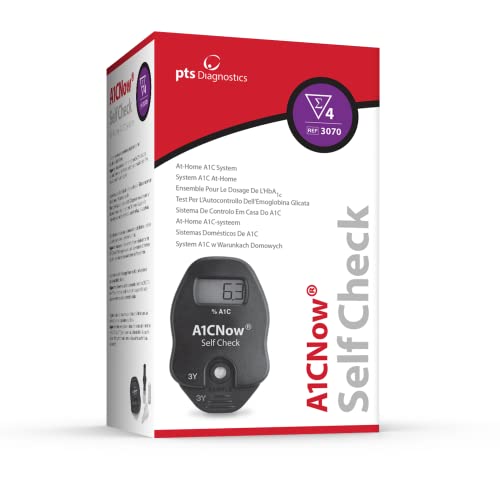
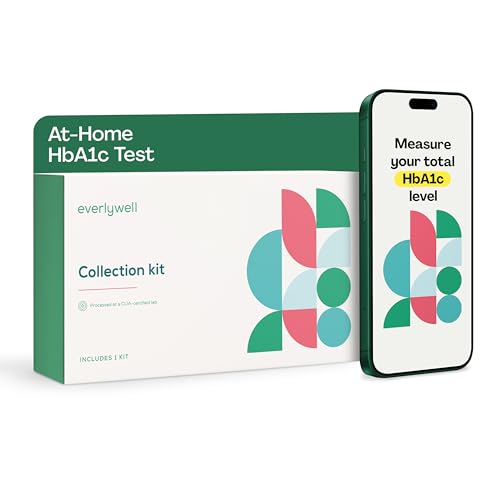
Prefer to order direct? The Everlywell HbA1c Test uses a CLIA-certified lab, physician-reviewed results, and prepaid return shipping.
What to Look For in a Continuous Glucose Monitor (CGM)
Over-the-counter CGMs like Dexcom Stelo and Abbott Lingo now sell without a prescription. Check the wear time (14–15 days per sensor), whether it reads to your phone or needs a separate device, and the monthly cost. For seeing how your own body responds to meals, a month or two is usually enough — you don't need to wear one forever.


What Makes a Good Fiber Supplement
For blood-sugar and cholesterol support you want SOLUBLE fiber — psyllium husk is the best studied. Start with one teaspoon and build up with plenty of water to avoid bloating, and take it 10–15 minutes before carb-heavy meals. Choose an unsweetened, additive-free powder or capsule.


Frequently Asked Questions
What is the best supplement for insulin resistance?
Berberine has the strongest clinical evidence, with 12+ randomized controlled trials demonstrating reductions in HOMA-IR, fasting insulin, and HbA1c comparable to low-dose metformin. A 2023 meta-analysis in AMJ found berberine and metformin produced equivalent HbA1c reductions at 3 months. Standard dose: 500 mg three times daily with meals. Magnesium is a close second — most people with insulin resistance are deficient, and correcting this deficiency alone improves fasting insulin by 2+ µIU/mL.
Does berberine really work as well as metformin?
For short-term glucose and insulin markers, the comparison is roughly favorable — a 2023 meta-analysis found equivalent HbA1c reductions over 3 months. However, berberine lacks the 30-year cardiovascular outcome data that makes metformin the guideline-recommended first-line medication. Berberine also has lower bioavailability, which is why dosing three times daily with food is important. For people who cannot or prefer not to take metformin, berberine is the best-studied alternative.
Is myo-inositol good for insulin resistance?
Yes, particularly for PCOS-related insulin resistance. Myo-inositol acts as a second messenger in the insulin signaling cascade — it facilitates GLUT4 translocation in muscle cells. A 2019 Diabetes Care RCT found 4,000 mg/day reduced HOMA-IR by 22% in women with PCOS over 12 weeks. For general (non-PCOS) insulin resistance, the evidence is positive but smaller in effect size than berberine or magnesium.
How long do insulin resistance supplements take to work?
Berberine shows measurable effects on fasting glucose and insulin within 4–8 weeks. Magnesium effects on fasting insulin are visible within 4–12 weeks in deficient individuals. Myo-inositol studies typically run 12–24 weeks. In all cases, consistent daily use is required — taking supplements sporadically produces no meaningful benefit. Track progress with fasting insulin and HOMA-IR, not fasting glucose alone, as glucose is the last marker to normalize.
Do insulin resistance supplements help with weight loss?
Only modestly, and weight loss should not be the reason you take one. Several meta-analyses of randomized controlled trials have found that berberine — the Tier 1 supplement with the strongest overall evidence — produces small average reductions in body weight, BMI, and waist circumference as a secondary outcome, but the results are inconsistent: some analyses find a modest effect, at least one finds none. Nothing on this page comes close to the effect size of a calorie-controlled diet, regular exercise, or prescription GLP-1 medications, which routinely produce weight loss several times larger in trials. Treat any weight change from these supplements as a possible side benefit of better insulin sensitivity, not a weight-loss strategy. For an approach built around the interventions with the largest evidence base, see our insulin resistance reversal guide.
Does berberine cause insulin resistance, or is it safe to take with insulin medication?
Berberine does not cause insulin resistance — the confusion likely comes from people misreading how it works, because its actual effect runs the opposite direction. As the Tier 1 table above shows, berberine is an AMPK activator that reduces hepatic glucose production and improves insulin sensitivity; it does not desensitize insulin receptors or worsen glucose control. The real safety question is different: taking berberine alongside prescribed insulin or other glucose-lowering medication (metformin, sulfonylureas) can produce an additive glucose-lowering effect, which raises a genuine risk of hypoglycemia — not because berberine is unsafe, but because two glucose-lowering mechanisms are stacking. This combination should be supervised by the prescriber, with blood glucose monitored more closely (especially in the first weeks) and medication doses adjusted if needed. Do not add berberine to an insulin or sulfonylurea regimen on your own; treat it as a medical decision, not a DIY stack.
Topic updates
Get the weekly metabolic health roundup
Insulin resistance, blood sugar, visceral fat, GLP-1 plateaus, metabolic syndrome, and weight-loss physiology.
Want insulin resistance handled by a physician who works from your labs? See how Opt Health does it →
Check Where You Stand
Take our free health assessment to understand your metabolic, hormonal, and recovery risk factors — and get personalized recommendations.
Take the Free Assessment →Free · Takes 5 minutes · Instant results
Related Guides
-
Metabolic Syndrome vs Insulin Resistance — How the Two Terms Differ
Metabolic syndrome vs insulin resistance: the mechanism-vs-diagnosis distinction, and where PCOS overlaps.
-
How to Reverse Insulin Resistance Naturally
Evidence-based dietary and lifestyle interventions (3-16 week timeline).
-
Insulin Resistance Diet: What to Eat, Foods to Avoid, and a 7-Day Meal Plan
What to eat, foods to avoid, and a 7-day meal plan for insulin resistance.
See more related guides
-
Insulin Resistance vs Prediabetes: Key Differences and the Progression Timeline
Continuum diagram, diagnostic thresholds, and the reversal window.
-
Exercise for Insulin Resistance: the Evidence-based Workout Plan
GLUT4 mechanism, resistance training protocol, HIIT vs steady-state, yoga.
-
Insulin Resistance in Pets
Insulin resistance in dogs and horses — equine metabolic syndrome and canine diabetes explained.
-
Insulin Resistance Meal Plan
A structured 7-day insulin resistance meal plan with grocery list.
-
How Insulin Resistance Causes Fatty Liver Disease (MASLD)
How insulin resistance drives fatty liver disease (MASLD), the 2023 diagnostic criteria, and the tests that catch it early.
Affiliate disclosure: The Metabolic Journal is reader-supported. Some links above are affiliate or referral links and we may earn a commission at no extra cost to you. As an Amazon Associate we earn from qualifying purchases. Products are chosen on the merits; commissions never influence what we recommend. This is general information, not medical advice — talk to your clinician before acting.