PCOS Symptoms: The Full Checklist by Category
Medically reviewed by Medical Advisory Board Last reviewed 2026-08-05
Reproductive, metabolic, and dermatologic signs of polycystic ovary syndrome — and why the checklist alone isn't a diagnosis
PCOS symptoms fall into three overlapping categories — reproductive (irregular or absent periods), dermatologic/androgen-driven (acne, excess hair growth, hair thinning), and metabolic (weight gain, insulin resistance signs). Most people with PCOS don't have every symptom, and having ovarian cysts is not actually required for diagnosis. This checklist organizes the full symptom picture and explains what to bring to a doctor's visit.
This article is for informational purposes only and is not medical advice. PCOS requires clinical diagnosis — a checklist can help you organize what to discuss with a doctor, but it cannot diagnose the condition on its own.
PCOS (polycystic ovary syndrome) symptoms are inconsistent by design — the condition is diagnosed using the Rotterdam criteria, which requires only two of three feature categories to be present, not all three. That's why two people can both have PCOS and share almost no symptoms in common: one might have irregular periods and lab-confirmed high testosterone with a completely normal ultrasound, while another has visible ovarian follicles and acne but regular cycles. This page organizes every commonly reported symptom into the category it belongs to, so you can see which pattern you actually match.
Partner · Opt Health
Want a clinician who takes perimenopause seriously?
Opt Health's women's program runs full hormone and thyroid panels and treats the symptoms most primary-care visits wave off — sleep, mood, energy, cycle changes, libido — with physicians trained in hormone medicine.
See Opt Health's women's program →To understand the hormonal mechanism behind these symptoms, why insulin resistance drives androgen excess in the first place, see our PCOS and hormones guide. If your symptom pattern raises questions about whether it's PCOS or another condition, see PCOS vs thyroid symptoms or how PCOS overlaps with perimenopause.
The Three Symptom Categories (Rotterdam Criteria)
PCOS is diagnosed when at least two of these three categories are present, after other conditions with similar symptoms are ruled out (thyroid disease, high prolactin, and non-classic congenital adrenal hyperplasia are the standard exclusions):
| Category | What it looks like | How it's confirmed |
|---|---|---|
| Ovulatory dysfunction | Irregular periods (cycles longer than 35 days or fewer than 8 per year), or absent periods | Menstrual history; progesterone or ultrasound can confirm anovulation |
| Hyperandrogenism | Acne, excess facial/body hair growth (hirsutism), scalp hair thinning | Clinical exam, or blood testosterone/free testosterone |
| Polycystic ovarian morphology | Multiple small antral follicles visible on ultrasound (these are follicles, not true cysts, despite the name) | Transvaginal ultrasound |
This is why you can have PCOS without ovarian cysts (irregular periods + high testosterone is enough), and why some people have visible follicles on ultrasound with otherwise regular cycles and no lab abnormalities — the ultrasound finding alone, without either of the other two features, is not sufficient for diagnosis.
Reproductive Symptoms
- Irregular periods — cycles longer than 35 days, unpredictable timing, or fewer than 8 periods a year
- Absent periods (amenorrhea) — no period for 3+ months without pregnancy
- Heavy or prolonged periods — when a period does happen, the uterine lining has often built up for longer than usual
- Difficulty getting pregnant — anovulation (not releasing an egg) is the single most common cause of PCOS-related infertility
- Spotting between periods — from unpredictable hormone fluctuation
A genuine subset of people with PCOS have regular cycles despite meeting the other two criteria — cycle regularity alone does not rule PCOS out.
Dermatologic and Androgen-Driven Symptoms
- Acne — typically along the jawline, chin, and lower cheeks; often persists past the teenage years and worsens around ovulation or before a period
- Hirsutism (excess hair growth) — coarse, dark hair on the chin, upper lip, chest, or lower abdomen, a pattern typically male
- Scalp hair thinning or loss — androgenic, usually at the crown/part line, distinct from patchy hair loss
- Skin tags — small, soft growths, often at the neck or underarms; linked to the insulin-resistance side of PCOS, not androgens directly
- Acanthosis nigricans — dark, velvety skin patches at the neck, armpits, or groin; a visible marker of insulin resistance
Metabolic Symptoms
- Weight gain, especially around the abdomen — insulin resistance promotes central fat storage; roughly 20-30% of people with PCOS are normal weight ('lean PCOS'), so weight gain is common but not required
- Difficulty losing weight despite calorie restriction — a direct consequence of insulin resistance blunting the normal response to a deficit
- Fatigue and energy crashes after meals — blood-sugar swings from insulin resistance
- Sugar and carbohydrate cravings
For the full mechanism connecting insulin resistance to these metabolic symptoms, see our PCOS and hormones guide, which includes the HOMA-IR threshold data and the insulin-androgen feedback loop in detail.
Other Commonly Reported Symptoms
- Mood changes — anxiety and depression are reported in roughly 40% and 30% of people with PCOS respectively; partly hormonal, partly related to the burden of visible symptoms like acne and hirsutism
- Sleep disruption / sleep apnea — PCOS carries a 5-30x increased risk of obstructive sleep apnea, driven by androgen excess and, when present, obesity
- Pelvic pain — less characteristic of PCOS than of endometriosis; persistent or severe pelvic pain alongside PCOS features is worth a separate evaluation
- Headaches — sometimes hormone-cycle related, non-specific otherwise
How Symptoms Change by Life Stage
Teens: PCOS is harder to diagnose in adolescence because irregular periods and some acne are common in the first 1-2 years after menarche regardless of PCOS. Clinicians typically wait until cycles have been irregular for 2+ years post-menarche, or use clearer hyperandrogenism and lab evidence, before diagnosing in teens.
Pregnancy: PCOS symptoms driven by anovulation naturally pause during pregnancy, but the underlying insulin resistance often becomes clinically relevant in a different way — people with PCOS have a meaningfully elevated risk of gestational diabetes, which is why early glucose screening is often recommended rather than waiting for the standard 24-28 week window.
Postpartum: Insulin sensitivity typically improves after delivery, and cycles may temporarily normalize, but the underlying predisposition to PCOS doesn't resolve — most people return to a symptom pattern similar to their pre-pregnancy baseline within months.
Perimenopause and menopause: PCOS is a lifelong hormonal pattern, not one that resolves with age, so it's possible to enter perimenopause with PCOS symptoms still active on top of the new perimenopausal symptoms. Because the two can look similar (irregular cycles, weight gain), see our dedicated comparison: PCOS vs perimenopause and other conditions.
What to Bring to a Doctor's Visit
A symptom checklist becomes far more useful with data behind it. Before an appointment, it helps to track: your last 3-6 cycle start dates (or note if periods have stopped), whether acne or hair growth has changed in the past year, any family history of PCOS or type 2 diabetes, and current weight trend. Ask specifically for total and free testosterone, LH, FSH, and fasting insulin — a standard well-woman visit doesn't always include these by default. See our hormone testing guide for what a full panel typically includes and how to interpret it.
How to test metabolic markers at home
You don't need a lab appointment to check your own metabolic markers — a few at-home kits mail you a collection kit and return physician-reviewed results online within days:
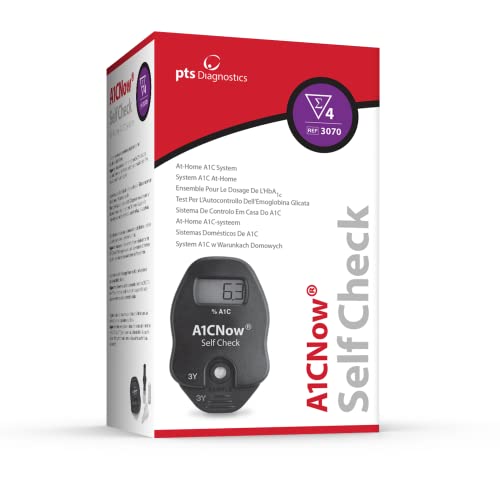
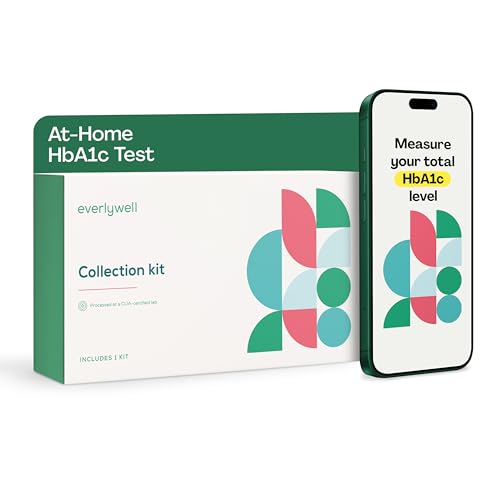
Prefer to order direct? The Everlywell HbA1c Test uses a CLIA-certified lab, physician-reviewed results, and prepaid return shipping.
What to Look For in a Continuous Glucose Monitor (CGM)
Over-the-counter CGMs like Dexcom Stelo and Abbott Lingo now sell without a prescription. Check the wear time (14–15 days per sensor), whether it reads to your phone or needs a separate device, and the monthly cost. For seeing how your own body responds to meals, a month or two is usually enough — you don't need to wear one forever.


What Makes a Good Fiber Supplement
For blood-sugar and cholesterol support you want SOLUBLE fiber — psyllium husk is the best studied. Start with one teaspoon and build up with plenty of water to avoid bloating, and take it 10–15 minutes before carb-heavy meals. Choose an unsweetened, additive-free powder or capsule.


Frequently Asked Questions
Can you have PCOS symptoms without having cysts on your ovaries?
Yes. Despite the name, ovarian cysts are not required for a PCOS diagnosis under the Rotterdam criteria — you can be diagnosed based on irregular periods plus signs of excess androgens (like acne or excess hair growth) with a completely normal ultrasound. What ultrasounds actually show in PCOS are small antral follicles, not true cysts.
What are the earliest signs of PCOS?
The earliest and most consistent sign is irregular or unpredictable periods, often alongside new or worsening acne along the jawline and chin. Because irregular cycles are also common in the first 1-2 years after a first period, PCOS in teenagers is usually confirmed only once irregularity persists beyond that window, or when clearer lab or clinical evidence of excess androgens is present.
Can you have PCOS with regular periods?
Yes, though it's less common. The Rotterdam criteria require only two of three features, so someone with regular cycles can still be diagnosed with PCOS if they have both clinical or lab evidence of excess androgens and polycystic ovarian morphology on ultrasound.
Do PCOS symptoms go away after pregnancy or menopause?
Not reliably. Insulin sensitivity often improves temporarily after delivery, but the underlying predisposition to PCOS persists, and most people return to a symptom pattern similar to their pre-pregnancy baseline. PCOS is a lifelong hormonal pattern rather than one tied to reproductive years alone, so it's possible to enter perimenopause with PCOS symptoms still present on top of the menopause transition.
Can GLP-1 medications like Ozempic or metformin help with PCOS symptoms?
Metformin has decades of evidence in PCOS specifically — it improves insulin sensitivity, can lower androgen levels, and restores ovulation in roughly 30-50% of users. GLP-1 medications (semaglutide/Ozempic, tirzepatide) aren't specifically studied or FDA-approved for PCOS, but because insulin resistance is the upstream driver of PCOS in most cases, meaningful weight loss and improved insulin sensitivity from a GLP-1 can indirectly improve cycle regularity and androgen-driven symptoms the same way other insulin-sensitizing interventions do. This should be discussed with the same clinician managing your PCOS treatment rather than started independently, since it doesn't replace the standard first-line options.
Topic updates
Get the weekly hormone optimization roundup
Testosterone, thyroid, cortisol, estrogen, menopause, perimenopause, libido, and hormone testing.
Want your hormones handled by a physician who works from your labs? See how Opt Health does it →
Check Where You Stand
Take our free health assessment to understand your metabolic, hormonal, and recovery risk factors — and get personalized recommendations.
Take the Free Assessment →Free · Takes 5 minutes · Instant results
Related Reading
-
What Is Insulin Resistance? Causes, Symptoms & How to Reverse It
What insulin resistance is, how to test for it, and how to reverse it.
-
Hyperinsulinemia
Chronically high insulin: symptoms, causes, how it differs from insulin resistance, and how to reverse it.
-
Metabolic Syndrome — Diagnosis, Risks, and Treatment
The five diagnostic criteria and what they mean for your health.
See more related reading
-
Metabolic Syndrome vs Insulin Resistance — How the Two Terms Differ
Metabolic syndrome vs insulin resistance: the mechanism-vs-diagnosis distinction, and where PCOS overlaps.
-
Insulin Resistance Symptoms: 12 Warning Signs
12 clinical warning signs, from acanthosis nigricans to post-meal fatigue.
-
Blood Sugar Crash: Why It Happens and How to Stop It
Reactive hypoglycemia: causes, symptoms, and how to stabilize glucose.
-
Glucose Spikes After Eating: Causes and What to Do
Why blood sugar spikes after eating and what to do about it.
-
Fatigue After Eating: Why Food Makes You Tired
Post-meal fatigue explained — insulin, glucose, and the gut-brain axis.
Affiliate disclosure: The Metabolic Journal is reader-supported. Some links above are affiliate or referral links and we may earn a commission at no extra cost to you. As an Amazon Associate we earn from qualifying purchases. Products are chosen on the merits; commissions never influence what we recommend. This is general information, not medical advice — talk to your clinician before acting.