Blood Sugar Crash: Why It Happens and How to Stop It
Medically reviewed by Medical Advisory Board Last reviewed 2026-05-13
Reactive hypoglycemia, glucose regulation, and energy stability
Blood sugar crashes — technically reactive hypoglycemia — occur when blood glucose drops rapidly after a spike. Understanding the mechanism is key to preventing the energy rollercoaster.
A blood sugar crash (reactive or postprandial hypoglycemia) happens when glucose drops below ~70 mg/dL or falls quickly after a post-meal spike. Symptoms include shakiness, sweating, anxiety, brain fog, and intense hunger, typically 1 to 4 hours after eating. Occasional crashes are common, but frequent episodes may indicate impaired glucose regulation or early insulin resistance.
Partner · Opt Health
Want a clinician to work up your metabolic numbers?
Opt Health runs fasting insulin, A1C, a full lipid panel and 50+ other markers, then builds a treatment plan — GLP-1s included where they're appropriate — with a physician who reviews the data with you directly.
See Opt Health's metabolic program →Why Blood Sugar Crashes Happen
After a high-glycemic meal, blood sugar spikes rapidly, triggering a large insulin release. In insulin-sensitive individuals, this overshoots — glucose is cleared from the blood faster than the liver can compensate via glycogenolysis. In insulin-resistant individuals, the pancreas overcompensates with excess insulin, causing a sharper drop. Contributing factors include: meal composition (high refined carbs, low fiber/protein/fat), meal timing, alcohol consumption, and individual variations in insulin secretion.
Symptoms of a Blood Sugar Crash
- Shakiness, trembling, or internal vibration feeling
- Sudden sweating (especially cold sweats)
- Rapid heartbeat or palpitations
- Intense hunger or sudden cravings
- Anxiety, irritability, or mood swings
- Brain fog, difficulty concentrating
- Dizziness or lightheadedness
- Fatigue or weakness
How to Prevent Blood Sugar Crashes
Meal composition: Pair carbohydrates with protein, healthy fats, and fiber. A 2021 study in BMJ Nutrition, Prevention & Health found that protein-first eating reduced post-meal glucose spikes by up to 40%.
Meal timing: Avoid long gaps between meals (>5-6 hours). Consider smaller, more frequent meals if crashes are frequent.
Movement: A 10-15 minute walk after meals has been shown to reduce post-meal glucose peaks by 30-50%.
Sleep: Poor sleep (even one night) increases insulin resistance by up to 25%, making glucose regulation less stable the next day.
Why Blood Sugar Crashes Happen at Night
A crash that hits overnight or in the early hours has a few common drivers. A high-carbohydrate dinner or late dessert can trigger the same spike-then-drop pattern as a daytime meal, just while you're asleep and less able to notice the early warning signs. Alcohol in the evening is a common contributor too: the liver prioritizes clearing alcohol over releasing stored glucose, which can suppress the body's normal overnight glucose output for several hours. An evening workout can have a similar effect by depleting glycogen stores that would otherwise help stabilize blood sugar overnight. The long overnight gap without food — often 8 hours or more — also simply gives glucose more time to drift down, especially in anyone prone to reactive hypoglycemia.
Nighttime crashes often show up as waking suddenly with sweating, a racing heart, or a feeling of anxiety or hunger, sometimes followed by grogginess or brain fog the next morning. If they're frequent, a bedtime snack that pairs protein or fat with a small amount of carbohydrate (rather than carbs alone), a lighter or earlier dinner, and cutting back on evening alcohol are reasonable first steps. A continuous glucose monitor can be especially useful here, since it can catch a dip you'd otherwise sleep through.
How to test metabolic markers at home
You don't need a lab appointment to check your own metabolic markers — a few at-home kits mail you a collection kit and return physician-reviewed results online within days:
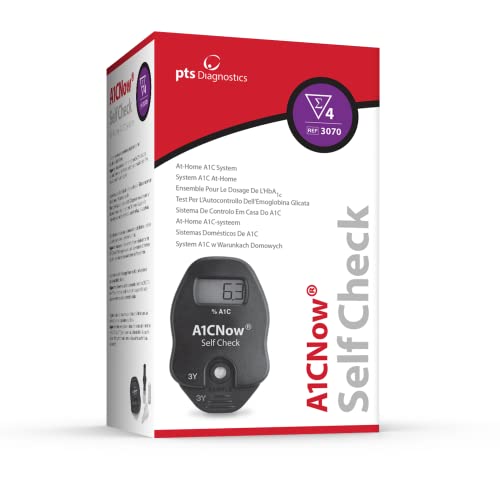
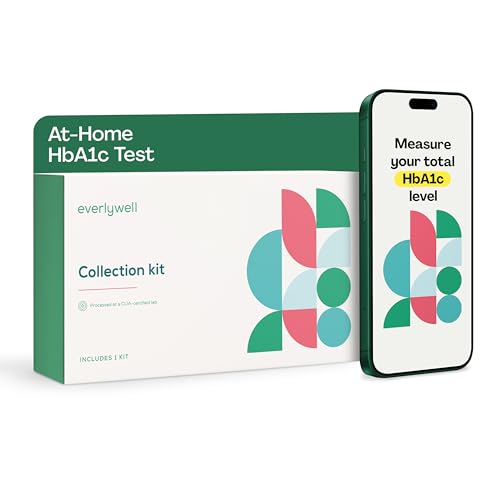
Prefer to order direct? The Everlywell HbA1c Test uses a CLIA-certified lab, physician-reviewed results, and prepaid return shipping.
What to Look For in a Continuous Glucose Monitor (CGM)
Over-the-counter CGMs like Dexcom Stelo and Abbott Lingo now sell without a prescription. Check the wear time (14–15 days per sensor), whether it reads to your phone or needs a separate device, and the monthly cost. For seeing how your own body responds to meals, a month or two is usually enough — you don't need to wear one forever.


What Makes a Good Fiber Supplement
For blood-sugar and cholesterol support you want SOLUBLE fiber — psyllium husk is the best studied. Start with one teaspoon and build up with plenty of water to avoid bloating, and take it 10–15 minutes before carb-heavy meals. Choose an unsweetened, additive-free powder or capsule.


Frequently Asked Questions
How low does blood sugar have to drop to be a crash?
Clinically, hypoglycemia is defined as blood glucose below 70 mg/dL. However, symptoms can occur during a rapid drop even if glucose doesn't reach that threshold — a rapid decline from 140 to 80 mg/dL can feel like a crash even though 80 is technically normal.
Are blood sugar crashes dangerous?
For most people without diabetes, reactive hypoglycemia is uncomfortable but not dangerous. However, frequent crashes can indicate insulin dysregulation that may progress to insulin resistance or type 2 diabetes. Severe hypoglycemia below 54 mg/dL requires medical attention.
Should I use a CGM to track blood sugar crashes?
Continuous glucose monitors (CGMs) can be very informative for identifying patterns. They show the magnitude and timing of glucose spikes and dips throughout the day, helping identify which meals and behaviors trigger crashes. CGM data paired with food logging reveals your personal glycemic response.
Can Ozempic, Mounjaro, or other GLP-1 medications cause a blood sugar crash?
On their own, GLP-1 receptor agonists (semaglutide/Ozempic, tirzepatide/Mounjaro and Zepbound, and similar drugs) work in a glucose-dependent way — they boost insulin mainly when blood sugar is already elevated — so true hypoglycemia from these medications alone is uncommon. The risk goes up meaningfully when they're combined with insulin or a sulfonylurea, or when appetite suppression leads to skipping meals or eating much less than usual; what feels like a 'crash' in that case is often the combination of reduced food intake and a longer gap between meals rather than the medication directly dropping glucose. Metformin, another common option, works mainly by reducing the liver's glucose output and also doesn't typically cause hypoglycemia on its own. Anyone on these medications who feels shaky, sweaty, or lightheaded should check their glucose if possible and mention it to their prescriber, especially if it keeps happening.
Can exercise cause a blood sugar crash?
Yes. Physical activity pulls glucose into working muscles through a pathway that doesn't require much insulin, so blood sugar can drop during or shortly after exercise — especially with longer or more intense sessions, workouts done on an empty stomach, or activity that follows a meal that already triggered an insulin release. This is a different mechanism from the classic post-meal crash: it's driven by muscles clearing glucose from the blood rather than an insulin overshoot. Runners and other endurance athletes tend to notice it most, since glycogen stores can run low over a longer effort. Eating something with carbohydrate and a little protein an hour or two before a workout, keeping fast-acting carbs on hand for longer sessions, and avoiding fully fasted training if crashes are a recurring issue can all help.
Topic updates
Get the weekly metabolic health roundup
Insulin resistance, blood sugar, visceral fat, GLP-1 plateaus, metabolic syndrome, and weight-loss physiology.
Want your metabolic health handled by a physician who works from your labs? See how Opt Health does it →
Check Where You Stand
Take our free health assessment to understand your metabolic, hormonal, and recovery risk factors — and get personalized recommendations.
Take the Free Assessment →Free · Takes 5 minutes · Instant results
Related Reading
-
Fatigue After Eating Normal Blood Sugar
Tired after eating with normal blood sugar: the vagal, reactive-hypoglycemia, and meal-composition mechanisms.
-
How Food Affects Blood Sugar
How food changes blood sugar: normal thresholds, glycemic index/load, and the fiber/protein/fat pairing mechanism.
-
Blood Sugar and Skin Aging
How glycation and insulin resistance accelerate visible skin aging, and what the evidence says about reversing it.
See more related reading
-
Gum Disease and Blood Sugar: the Two-way Link
The bidirectional link between gum disease and blood sugar, and what periodontal treatment does to A1C.
-
Blood Pressure Chart by Age: Normal and High Ranges Using ACC/AHA Categories
Blood pressure chart by age: normal and high ranges using current ACC/AHA categories.
-
What Is Sugar and Metabolic Health
What sugar is: monosaccharides vs. disaccharides, natural vs. added sugar, and the glucose-vs-fructose metabolic difference.
Affiliate disclosure: The Metabolic Journal is reader-supported. Some links above are affiliate or referral links and we may earn a commission at no extra cost to you. As an Amazon Associate we earn from qualifying purchases. Products are chosen on the merits; commissions never influence what we recommend. This is general information, not medical advice — talk to your clinician before acting.