Hypoglycemia Symptoms: Causes, Dangers & How to Manage Low Blood Sugar
Medically reviewed by Medical Advisory Board Last reviewed 2026-05-13
Recognizing and treating blood sugar drops — reactive and fasting hypoglycemia explained
Hypoglycemia (blood sugar below 70 mg/dL) causes shakiness, anxiety, confusion, and in severe cases loss of consciousness. Reactive hypoglycemia — low blood sugar 2–4 hours after eating — is a common early sign of insulin resistance.
Hypoglycemia occurs when blood glucose falls below 70 mg/dL. However, symptoms can begin at higher levels if your body is accustomed to elevated blood sugar. The Endocrine Society classifies hypoglycemia using Whipple's triad: symptoms consistent with low blood sugar, a documented low glucose level when symptoms occur, and resolution of symptoms once glucose is restored.
Hypoglycemia is well recognized in diabetic patients taking insulin or sulfonylureas, but reactive (postprandial) hypoglycemia in non-diabetic individuals is frequently dismissed. CGM studies show that reactive hypoglycemia, a glucose drop below 70 mg/dL that occurs 2 to 4 hours after a high-carbohydrate meal, is surprisingly common and often reflects an early insulin resistance pattern in which the pancreas overshoots its insulin response.
Partner · Opt Health
Want a clinician to work up your metabolic numbers?
Opt Health runs fasting insulin, A1C, a full lipid panel and 50+ other markers, then builds a treatment plan — GLP-1s included where they're appropriate — with a physician who reviews the data with you directly.
See Opt Health's metabolic program →Symptoms of Hypoglycemia by Severity
| Severity | Glucose Level | Symptoms |
|---|---|---|
| Mild | 55–70 mg/dL | Shakiness, sweating, hunger, heart palpitations, anxiety, tingling lips |
| Moderate | 40–55 mg/dL | Confusion, blurred vision, difficulty speaking, irritability, poor coordination, weakness |
| Severe | <40 mg/dL | Seizures, loss of consciousness, inability to self-treat — medical emergency |
Adrenergic symptoms (shakiness, sweating, rapid heart rate) occur first as the body releases counter-regulatory hormones (epinephrine, glucagon). Neuroglycopenic symptoms (confusion, visual disturbance, seizure) indicate glucose deprivation in the brain and are more dangerous.
Reactive vs. Fasting Hypoglycemia
Reactive hypoglycemia occurs 2–4 hours after a meal, typically triggered by high-glycemic carbohydrates that cause a rapid glucose spike followed by an insulin overshoot. It is the most common form in non-diabetic adults and is associated with early insulin resistance, post-bariatric surgery (dumping syndrome), and idiopathic causes. CGM data shows that many people diagnosed with 'anxiety' or 'panic attacks' are actually experiencing adrenergic symptoms from undetected reactive lows.
Fasting hypoglycemia (occurring >5 hours after eating or overnight) is less common and may indicate more serious pathology: insulinoma (rare pancreatic tumor), adrenal insufficiency, liver disease, or medication effects (insulin, sulfonylureas, alcohol).
Evaluation and Management
Workup for recurrent hypoglycemia includes fasting glucose, fasting insulin, C-peptide, HbA1c, cortisol, and liver function tests. A 72-hour supervised fast may be necessary to rule out insulinoma. For reactive hypoglycemia, a mixed-meal tolerance test or 2-week CGM study is more informative than a standard oral glucose tolerance test (OGTT).
- Acute treatment: The 15-15 rule — consume 15 g of fast-acting carbohydrate, wait 15 minutes, recheck. Glucose tablets, juice, or regular soda are preferred.
- Prevention of reactive hypoglycemia: Pair carbohydrates with protein and fat, eat smaller more frequent meals, limit refined sugars, prioritize low-glycemic foods, and avoid alcohol on an empty stomach
- When to seek emergency care: Glucose <54 mg/dL, loss of consciousness, seizure, or inability to keep food down
How to test metabolic markers at home
You don't need a lab appointment to check your own metabolic markers — a few at-home kits mail you a collection kit and return physician-reviewed results online within days:
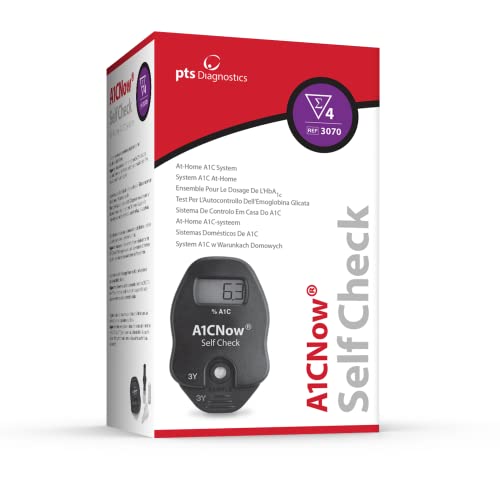
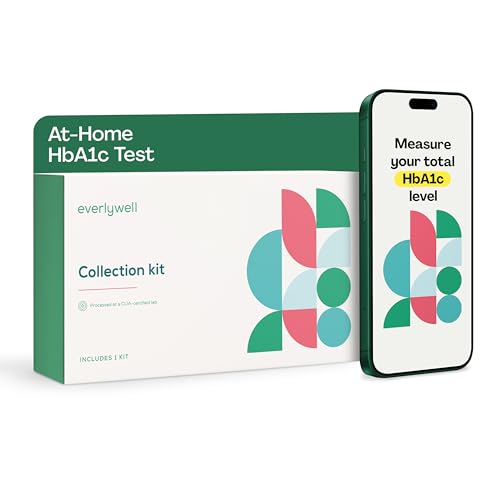
Prefer to order direct? The Everlywell HbA1c Test uses a CLIA-certified lab, physician-reviewed results, and prepaid return shipping.
What to Look For in a Continuous Glucose Monitor (CGM)
Over-the-counter CGMs like Dexcom Stelo and Abbott Lingo now sell without a prescription. Check the wear time (14–15 days per sensor), whether it reads to your phone or needs a separate device, and the monthly cost. For seeing how your own body responds to meals, a month or two is usually enough — you don't need to wear one forever.


What Makes a Good Fiber Supplement
For blood-sugar and cholesterol support you want SOLUBLE fiber — psyllium husk is the best studied. Start with one teaspoon and build up with plenty of water to avoid bloating, and take it 10–15 minutes before carb-heavy meals. Choose an unsweetened, additive-free powder or capsule.


Frequently Asked Questions
Can you have hypoglycemia without diabetes?
Yes. Reactive hypoglycemia in non-diabetic individuals is relatively common, affecting an estimated 5–10% of the population. It often occurs after high-carbohydrate meals and can be an early sign of insulin resistance. Post-bariatric surgery patients are also at higher risk due to rapid gastric emptying (dumping syndrome).
What blood sugar level is dangerously low?
Blood sugar below 54 mg/dL is considered clinically significant hypoglycemia by the ADA and requires immediate treatment. Below 40 mg/dL is a medical emergency — the brain cannot function properly without adequate glucose, and seizures or loss of consciousness can occur. In non-diabetic individuals, any reading below 70 mg/dL with symptoms warrants investigation.
Why do I feel shaky and anxious between meals?
Shakiness and anxiety between meals are classic adrenergic symptoms of reactive hypoglycemia. When blood sugar drops, the body releases adrenaline (epinephrine) to mobilize glucose stores — this causes trembling, rapid heartbeat, sweating, and anxiety. If this happens regularly 2–4 hours after meals, it suggests an exaggerated insulin response and should be evaluated with fasting insulin, HOMA-IR, and ideally a CGM study.
Topic updates
Get the weekly metabolic health roundup
Insulin resistance, blood sugar, visceral fat, GLP-1 plateaus, metabolic syndrome, and weight-loss physiology.
Want your metabolic health handled by a physician who works from your labs? See how Opt Health does it →
Check Where You Stand
Take our free health assessment to understand your metabolic, hormonal, and recovery risk factors — and get personalized recommendations.
Take the Free Assessment →Free · Takes 5 minutes · Instant results
Related Reading
-
What Is Insulin Resistance? Causes, Symptoms & How to Reverse It
What insulin resistance is, how to test for it, and how to reverse it.
-
Hyperinsulinemia
Chronically high insulin: symptoms, causes, how it differs from insulin resistance, and how to reverse it.
-
Metabolic Syndrome — Diagnosis, Risks, and Treatment
The five diagnostic criteria and what they mean for your health.
See more related reading
-
Metabolic Syndrome vs Insulin Resistance — How the Two Terms Differ
Metabolic syndrome vs insulin resistance: the mechanism-vs-diagnosis distinction, and where PCOS overlaps.
-
Insulin Resistance Symptoms: 12 Warning Signs
12 clinical warning signs, from acanthosis nigricans to post-meal fatigue.
-
Blood Sugar Crash: Why It Happens and How to Stop It
Reactive hypoglycemia: causes, symptoms, and how to stabilize glucose.
-
Glucose Spikes After Eating: Causes and What to Do
Why blood sugar spikes after eating and what to do about it.
-
Fatigue After Eating: Why Food Makes You Tired
Post-meal fatigue explained — insulin, glucose, and the gut-brain axis.
Affiliate disclosure: The Metabolic Journal is reader-supported. Some links above are affiliate or referral links and we may earn a commission at no extra cost to you. As an Amazon Associate we earn from qualifying purchases. Products are chosen on the merits; commissions never influence what we recommend. This is general information, not medical advice — talk to your clinician before acting.