Metabolic Syndrome: Diagnosis, Risks & Evidence-Based Treatment
Medically reviewed by Medical Advisory Board Last reviewed 2026-08-12
Understanding the cluster of conditions that dramatically raises cardiovascular and diabetes risk
Metabolic syndrome affects roughly 1 in 3 U.S. adults and increases heart disease risk by 2× and type 2 diabetes risk by 5×. Diagnosis requires meeting 3 of 5 specific clinical criteria defined by the AHA/NHLBI.
Metabolic syndrome isn't a single disease. It's a cluster of interconnected metabolic abnormalities, abdominal obesity, insulin resistance, dyslipidemia, and hypertension, that together dramatically increase the risk of cardiovascular disease and diabetes. The National Cholesterol Education Program (NCEP ATP III) criteria, updated by the AHA/NHLBI in 2005, remain the standard diagnostic framework.
Despite how common metabolic syndrome is, it frequently goes undiagnosed because its individual components, such as slightly elevated blood pressure or borderline triglycerides, may not prompt treatment on their own. Its danger comes from the way these components work together: the whole is far more dangerous than the sum of its parts. The common upstream driver is insulin resistance. Our metabolic health guide explains how insulin resistance develops and why it precedes every component. If the two terms feel interchangeable, see our metabolic syndrome vs. insulin resistance explainer for exactly how they differ. For a broader look at which biomarkers define good metabolic health and how to improve them, see our metabolic health overview.
Partner · Opt Health
Want this handled by a physician, discreetly?
Sexual dysfunction is usually a downstream symptom — testosterone, blood sugar, blood pressure, thyroid. Opt Health works it up from the labs first, then treats the cause, entirely by telehealth.
See how Opt Health treats this →Diagnostic Criteria for Metabolic Syndrome
A diagnosis requires meeting 3 or more of these 5 criteria (AHA/NHLBI harmonized definition, 2009):
| Criterion | Threshold |
|---|---|
| Waist circumference | ≥40 in (102 cm) men; ≥35 in (88 cm) women |
| Triglycerides | ≥150 mg/dL (or on medication) |
| HDL cholesterol | <40 mg/dL men; <50 mg/dL women (or on medication) |
| Blood pressure | ≥130/85 mmHg (or on medication) |
| Fasting glucose | ≥100 mg/dL (or on medication) |
Note: The IDF criteria use lower waist circumference cut-offs for non-European ethnicities (e.g., ≥90 cm for Asian men, ≥80 cm for Asian women).
Health Risks of Metabolic Syndrome
Metabolic syndrome confers a 2× increased risk of cardiovascular disease (heart attack, stroke) and a 5× increased risk of type 2 diabetes (Lancet, 2005). Additional associated risks include:
- Non-alcoholic fatty liver disease (NAFLD) — present in up to 90% of patients with metabolic syndrome
- Chronic kidney disease — insulin resistance impairs renal function over decades. Our kidney function test guide explains how to interpret eGFR and creatinine if you want to see where you currently stand.
- Polycystic ovary syndrome (PCOS) — metabolic syndrome is present in 33–47% of women with PCOS
- Obstructive sleep apnea — bidirectional relationship with metabolic dysfunction
- Certain cancers — especially colorectal, breast (postmenopausal), and endometrial, linked to hyperinsulinemia
- Alzheimer's disease — sometimes called "type 3 diabetes" due to insulin resistance in the brain
Treatment: Lifestyle as First-Line Therapy
The AHA emphasizes lifestyle modification as first-line therapy for metabolic syndrome, with pharmacotherapy targeting individual components when needed:
- Weight loss: 7–10% body weight reduction resolves metabolic syndrome in ~50% of cases (Look AHEAD trial data)
- Exercise: 150 minutes/week of moderate-intensity aerobic exercise plus 2 sessions of resistance training. Exercise improves insulin sensitivity independent of weight loss.
- Mediterranean diet: The PREDIMED trial showed a 30% reduction in cardiovascular events with a Mediterranean diet supplemented with extra-virgin olive oil or nuts
- Pharmacotherapy: Statins for dyslipidemia, ACE inhibitors/ARBs for hypertension (preferred over beta-blockers which worsen insulin resistance), metformin for glucose management in appropriate candidates, and GLP-1 receptor agonists which address multiple components simultaneously
Metabolic Syndrome and Fatty Liver Disease (NAFLD/MASLD)
Fatty liver disease — now more precisely called metabolic dysfunction-associated steatotic liver disease (MASLD, formerly NAFLD) — is one of the most common and most overlooked complications of metabolic syndrome. As noted above, up to 90% of people with metabolic syndrome have some degree of fatty liver, and the relationship runs in both directions: insulin resistance drives fat accumulation inside liver cells, and a fatty liver in turn produces more inflammatory signaling that worsens insulin resistance elsewhere in the body.
Fatty liver itself is usually silent — it rarely causes symptoms until it progresses to inflammation or fibrosis. This is why it's typically discovered incidentally, either on an abdominal ultrasound ordered for another reason or through mildly elevated liver enzymes on routine bloodwork. If your ALT or AST come back high alongside any of the five metabolic syndrome criteria, fatty liver is the most likely explanation — see our liver function test guide for how to read an ALT/AST pattern and what levels warrant further workup.
The encouraging part: fatty liver linked to metabolic syndrome is highly responsive to the same interventions that address the syndrome itself. Losing 7–10% of body weight, cutting refined carbohydrates and added sugar, and increasing physical activity can meaningfully reduce liver fat within months — often before fasting glucose or blood pressure fully normalize.
How to test metabolic markers at home
You don't need a lab appointment to check your own metabolic markers — a few at-home kits mail you a collection kit and return physician-reviewed results online within days:
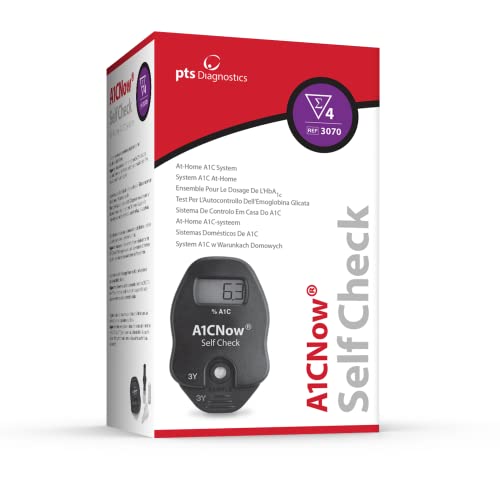
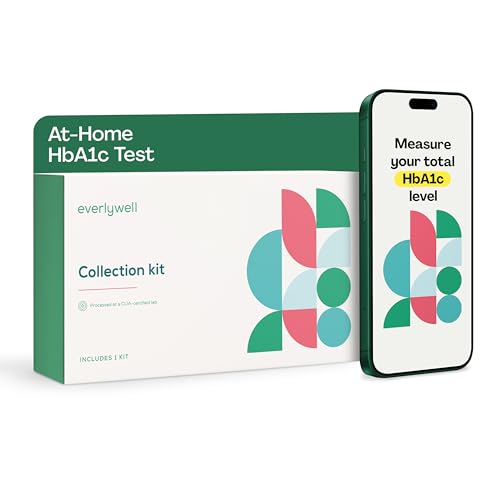
Prefer to order direct? The Everlywell HbA1c Test uses a CLIA-certified lab, physician-reviewed results, and prepaid return shipping.
What to Look For in a Continuous Glucose Monitor (CGM)
Over-the-counter CGMs like Dexcom Stelo and Abbott Lingo now sell without a prescription. Check the wear time (14–15 days per sensor), whether it reads to your phone or needs a separate device, and the monthly cost. For seeing how your own body responds to meals, a month or two is usually enough — you don't need to wear one forever.


What Makes a Good Fiber Supplement
For blood-sugar and cholesterol support you want SOLUBLE fiber — psyllium husk is the best studied. Start with one teaspoon and build up with plenty of water to avoid bloating, and take it 10–15 minutes before carb-heavy meals. Choose an unsweetened, additive-free powder or capsule.


Frequently Asked Questions
Can metabolic syndrome be reversed?
Yes. Unlike many chronic conditions, metabolic syndrome is highly reversible with lifestyle changes. The Finnish Diabetes Prevention Study showed that participants who achieved modest weight loss (5–7%), increased physical activity, and improved diet quality reversed metabolic syndrome at rates of 40–60% over 3 years. The key is addressing insulin resistance — the common upstream driver.
What is the difference between metabolic syndrome and diabetes?
Metabolic syndrome is a cluster of risk factors (abdominal obesity, high triglycerides, low HDL, high blood pressure, elevated fasting glucose) that precedes and predicts diabetes. Type 2 diabetes is diagnosed when fasting glucose exceeds 126 mg/dL or HbA1c exceeds 6.5%. You can have metabolic syndrome without diabetes, but metabolic syndrome increases diabetes risk by 5-fold.
What doctor treats metabolic syndrome?
Endocrinologists, cardiologists, and internal medicine physicians commonly manage metabolic syndrome. However, because it involves multiple organ systems, a coordinated approach is ideal. Functional and preventive medicine practitioners often provide the most comprehensive management because they address root causes (insulin resistance, inflammation, lifestyle) rather than treating each component separately with different medications.
Does metabolic syndrome look different in women?
The five diagnostic criteria are the same for everyone, but two of them use sex-specific cutoffs (waist circumference ≥35 inches for women vs. ≥40 inches for men, and HDL cholesterol below 50 mg/dL for women vs. below 40 mg/dL for men) because women naturally carry more subcutaneous fat and tend to run higher HDL than men at the same underlying metabolic risk. Presentation also shifts with life stage: premenopausal women are relatively protected by estrogen's favorable effect on fat distribution and insulin sensitivity, but that protection erodes quickly during perimenopause and menopause, when visceral fat, triglycerides, and blood pressure can all move in the wrong direction within just a few years. Metabolic syndrome is also especially common in women with PCOS, often appearing decades before the menopausal transition — see our PCOS guide for how that connection works.
Can GLP-1 medications treat metabolic syndrome?
GLP-1 receptor agonists (semaglutide/Ozempic and Wegovy, tirzepatide/Zepbound and Mounjaro) aren't specifically indicated as a "metabolic syndrome" treatment, but because they address several of the five criteria at once — meaningful weight loss (which reduces waist circumference), improved insulin sensitivity, and favorable shifts in blood pressure and triglycerides — they can resolve enough components in combination to move a patient out of metabolic syndrome entirely. This mirrors what lifestyle-driven weight loss does (the Finnish Diabetes Prevention Study cited above showed 5-7% weight loss reversing metabolic syndrome in 40-60% of participants), just with a pharmacological assist. GLP-1 therapy is typically layered onto, not substituted for, the diet and exercise changes that address the underlying insulin resistance. See our GLP-1 medication guide for how the different options compare.
Can antipsychotic medications cause metabolic syndrome?
Yes — second-generation (atypical) antipsychotics, particularly olanzapine and quetiapine, and to a lesser degree risperidone, are well-documented to cause or worsen metabolic syndrome. The mechanism includes direct weight gain (through appetite-regulating histamine and serotonin receptor effects), impaired insulin sensitivity independent of weight change, and unfavorable shifts in triglycerides and HDL. Because these medications are often prescribed long-term for serious psychiatric conditions where the benefit clearly outweighs this risk, the standard of care is monitoring rather than avoidance: baseline and periodic weight, waist circumference, blood pressure, fasting glucose, and lipid panel checks are recommended at antipsychotic initiation and at regular intervals afterward. Never stop or change a prescribed antipsychotic without talking to the prescribing clinician first — untreated psychiatric illness carries its own serious risks.
Topic updates
Get the weekly metabolic health roundup
Insulin resistance, blood sugar, visceral fat, GLP-1 plateaus, metabolic syndrome, and weight-loss physiology.
Want sexual health handled by a physician who works from your labs? See how Opt Health does it →
Check Where You Stand
Take our free health assessment to understand your metabolic, hormonal, and recovery risk factors — and get personalized recommendations.
Take the Free Assessment →Free · Takes 5 minutes · Instant results
Related Reading
-
Metabolic Syndrome vs Insulin Resistance — How the Two Terms Differ
Metabolic syndrome vs insulin resistance: the mechanism-vs-diagnosis distinction, and where PCOS overlaps.
-
Metabolic Age: What the Number on Your Scale Actually Means
What the metabolic-age number on a smart scale actually measures, and why it isn't a validated biological-age test.
-
Metabolic Health Score Calculator
Calculate your metabolic health score using AHA/NHLBI criteria.
See more related reading
-
Metabolic Health Guide
The metabolic health program — insulin resistance, blood sugar, and body composition curriculum.
-
Metabolic Health Coach Certification: What the Training Landscape Actually Looks Like
Metabolic health coach certification: what the training landscape actually looks like.
-
Best Wearables for Metabolic Health: What Oura, Whoop, Apple Watch, Garmin & CGMs Actually Track
Best wearables for metabolic health: what Oura, Whoop, Apple Watch, Garmin, and CGMs actually track.
-
Best CGM for Metabolic Health: Stelo, Lingo, Levels, Nutrisense & Signos Compared for Non-diabetics
Best CGM for metabolic health without diabetes: Stelo, Lingo, Levels, Nutrisense, and Signos compared.
-
What Is Sugar and Metabolic Health
What sugar is: monosaccharides vs. disaccharides, natural vs. added sugar, and the glucose-vs-fructose metabolic difference.
Affiliate disclosure: The Metabolic Journal is reader-supported. Some links above are affiliate or referral links and we may earn a commission at no extra cost to you. As an Amazon Associate we earn from qualifying purchases. Products are chosen on the merits; commissions never influence what we recommend. This is general information, not medical advice — talk to your clinician before acting.