Insulin Resistance Symptoms in Women & Men: 12 Warning Signs
Medically reviewed by Medical Advisory Board Last reviewed 2026-09-15
The warning signs that your body is losing insulin sensitivity
Insulin resistance early symptoms in women and men: 12 warning signs that appear years before blood sugar rises, including acne, hair loss, and belly fat.
Insulin resistance develops gradually, often over a decade or more before blood sugar rises enough to lead to a diagnosis. The symptoms below are clinical indicators that insulin signaling may be impaired, long before fasting glucose crosses the pre-diabetic threshold of 100 mg/dL.
Partner · Opt Health
Want insulin resistance treated, not just named?
Opt Health tests fasting insulin and HOMA-IR — the markers most panels skip — and treats the resistance itself with a physician-built plan rather than waiting for glucose to drift into the diabetic range.
Read Opt Health on insulin resistance →Early Warning Signs
- Weight gain around the midsection — Visceral fat accumulation is both a cause and consequence of insulin resistance. Waist circumference >35" (women) or >40" (men) is a key diagnostic criterion.
- Energy crashes after meals — Post-meal fatigue (postprandial somnolence) results from exaggerated insulin spikes followed by reactive glucose drops.
- Sugar and carbohydrate cravings — Impaired glucose uptake by cells triggers hunger signals despite adequate calorie intake.
- Difficulty losing weight — Elevated insulin blocks fat oxidation (lipolysis), making stored fat resistant to calorie restriction alone.
Physical Signs
- Acanthosis nigricans — Dark, velvety patches in skin folds (neck, armpits, groin). High insulin stimulates skin cell and melanocyte growth.
- Skin tags — Small flesh-colored growths, especially around the neck. Studies show a strong correlation with insulin resistance.
- Increased hunger (polyphagia) — Cells starved for glucose despite high blood sugar levels send persistent hunger signals.
- Frequent urination and thirst — These appear as blood sugar rises above the renal threshold (~180 mg/dL).
Systemic Symptoms
- Brain fog and difficulty concentrating — The brain is highly insulin-sensitive; insulin resistance impairs cerebral glucose metabolism.
- Fatigue unrelated to sleep — Impaired cellular energy production despite adequate rest.
- High blood pressure — Insulin resistance promotes sodium retention and sympathetic nervous system activation.
- Elevated triglycerides with low HDL — A triglyceride-to-HDL ratio above 2.0 is one of the strongest surrogate markers for insulin resistance.
Hormonal Signs: Hair Loss and Acne
- Androgenic alopecia (hair loss) — Chronic hyperinsulinemia elevates androgens (particularly DHT in genetically susceptible individuals) by suppressing SHBG and stimulating ovarian/adrenal androgen production. In women, this manifests as diffuse thinning at the crown and widening of the part line rather than the receding hairline typical in men. A 2019 study in the Journal of the European Academy of Dermatology and Venereology found that women with androgenic alopecia had significantly higher HOMA-IR scores and fasting insulin compared to controls, independent of BMI. Testing SHBG, free testosterone, DHEA-S, and fasting insulin is warranted in any woman with unexplained hair thinning.
- Hormonal acne (insulin-driven) — Insulin and IGF-1 stimulate sebaceous gland activity and keratinocyte proliferation, increasing sebum production and follicular clogging. Hyperinsulinemia also elevates androgens (which further stimulate sebum), and activates mTORC1 (a nutrient-sensing pathway) in sebocytes. This explains why high-glycemic diets consistently worsen acne: a 12-week RCT (Bowe et al., 2010, Journal of the American Academy of Dermatology) showed low-glycemic diets reduced acne lesion counts by 51% vs. 31% in controls — an effect mediated through insulin reduction. Jawline and chin acne distribution is the most characteristic pattern of androgen/insulin-driven hormonal acne.
Insulin Resistance Symptoms in Women vs Men
While the core metabolic mechanisms are the same, insulin resistance presents differently by sex due to hormonal biology:
| Symptom / Sign | Women | Men |
|---|---|---|
| Fat distribution | Hip/thigh fat pre-menopause; shifts to visceral/abdominal with menopause or PCOS | Predominantly visceral (abdominal) — 'apple' shape even at lower BMI |
| Hormonal acne | Chin/jawline cystic acne; often cyclical, worsening premenstrually | Less common as an isolated IR symptom; more associated with anabolic steroid use |
| Hair loss | Diffuse crown thinning; widening part line; preserved hairline | Receding hairline + crown thinning (classic MPB pattern); IR accelerates progression |
| PCOS (women only) | Irregular periods, excess facial/body hair, infertility; 70–80% of PCOS driven by IR | N/A |
| Testosterone effect | Excess testosterone (from IR/PCOS): hirsutism, acne, hair loss, irregular cycles | Low testosterone: IR reduces SHBG, but also impairs testicular function long-term; low T worsens IR in a bidirectional cycle |
| Cardiovascular risk | Risk rises sharply at menopause when estrogen's protective effects are lost; IR compounds this | Earlier onset cardiovascular risk; men accumulate visceral fat and develop IR on average a decade earlier than women |
| Presentation age | Often diagnosed 40s–50s when perimenopause unmasks or worsens IR; PCOS can reveal IR in 20s–30s | Often identified 30s–50s via metabolic syndrome criteria; earlier if family history or sedentary |
For a deeper look at how insulin resistance and female hormones interact, see our guide on PCOS and insulin resistance.
When to Get Tested
If you recognize three or more of these symptoms, testing is warranted. Request: fasting insulin (optimal <7 μIU/mL), fasting glucose, HbA1c, HOMA-IR (calculated from insulin and glucose), and a lipid panel with triglyceride-to-HDL ratio. Don't rely on fasting glucose alone — it's the last marker to become abnormal.
Once diagnosed, the most effective interventions are dietary change, strategic exercise (see our exercise for insulin resistance guide), and targeted supplements. For a comprehensive action plan, start with how to reverse insulin resistance.
Where Insulin Resistance Shows on Skin
Acanthosis nigricans and related skin changes have a characteristic body-location pattern worth recognizing at a glance:
- Neck — the most common and often earliest-noticed location; a dark, thickened, velvety band at the back or sides of the neck.
- Underarms (axillae) — similar darkening and thickening in the armpit folds.
- Knuckles — subtle darkening or roughening over the finger joints is a less commonly recognized but documented location.
- Elbows — thickened, darker patches at the elbow creases, sometimes mistaken for simple dry skin.
- Groin and skin folds — any area of skin-on-skin friction is a common site.
These changes result from insulin and IGF-1 stimulating keratinocyte and melanocyte proliferation in areas of higher insulin-receptor density and friction — they are not a separate condition, just a visible marker of the same underlying hyperinsulinemia discussed throughout this page.
The Cellular Mechanism Behind These Symptoms
Every symptom on this page traces back to one process: cells that stop responding properly to insulin's signal. Insulin normally binds a receptor on the cell surface and triggers a chain reaction (the IRS-1/PI3K/Akt pathway) that moves glucose transporters to the cell membrane. When that chain breaks down, muscle and fat cells stop pulling in glucose efficiently.
The pancreas responds the only way it can: by making more insulin. This compensatory hyperinsulinemia is what actually produces most of the visible symptoms above. Excess insulin also binds a related receptor, IGF-1R, on skin cells and hair follicles. This crossover is why acanthosis nigricans and hormonal acne track so closely with insulin levels: the excess insulin is directly stimulating skin cell growth, not just sitting nearby as an unrelated coincidence.
Fat tissue plays a role too. Once fat cells become insulin resistant, they release fatty acids into the bloodstream instead of storing them. The liver and muscle absorb this excess fat in a process called ectopic fat deposition, which further blocks insulin signaling in those tissues. The result is a self-reinforcing loop: more insulin resistance drives more circulating fat, and more circulating fat drives more insulin resistance.
These mechanisms don't play out identically across every population — see our coverage of a study linking type 2 diabetes mechanisms to BMI in African adults for how the BMI threshold at which insulin resistance turns into diabetes can shift by ancestry.
How Insulin Resistance Symptoms Typically Progress
Symptoms tend to appear in a rough order, though not everyone follows the same path:
- Stage 1 (compensated): Fasting insulin is elevated but glucose is still normal. Symptoms are subtle: sugar cravings, mild afternoon fatigue, and difficulty losing weight despite consistent effort.
- Stage 2 (early decompensation): The pancreas starts to lose ground. Acanthosis nigricans, skin tags, and hormonal acne or hair thinning typically appear here, driven by rising insulin acting on IGF-1 receptors.
- Stage 3 (glucose rising): Fasting glucose creeps into the 100-125 mg/dL prediabetes range, a stage the CDC estimates affects more than 1 in 3 U.S. adults, most of them undiagnosed. Brain fog, high blood pressure, and an abnormal triglyceride-to-HDL ratio become more common at this stage.
This staging is a general pattern, not a guarantee. Some people develop acanthosis nigricans early with near-normal glucose numbers. Others reach prediabetes with almost no visible skin changes. The lab testing described above is the only reliable way to know your actual stage.
Turning Your Symptom Count Into a Rough Severity Estimate
Symptoms cannot replace a lab result, but the number and combination you're tracking maps loosely onto how far insulin resistance has progressed. One isolated sign, like an occasional afternoon energy dip, often shows up while HOMA-IR still sits in the 1.0 to 1.5 range that's considered low risk. Skin tags plus visible acanthosis nigricans plus regular sugar cravings, taken together, tend to cluster with a HOMA-IR above 2.5, the range considered significant insulin resistance. That jump from an isolated sign to a combined pattern is the practical cue: one symptom is a reason to watch your diet, three or four together is a reason to get fasting insulin drawn now instead of waiting for your next annual physical.
Prescription Medications Linked to Insulin Resistance
Several common prescription medications can cause or worsen insulin resistance independently of body weight or diet. When metabolic symptoms appear or intensify shortly after starting a new prescription, the drug itself may be altering glucose handling. A clinical review in Pediatric Diabetes documents multiple drug classes that impair normal carbohydrate metabolism through distinct physiological mechanisms.
Corticosteroids such as prednisone, dexamethasone, and hydrocortisone mimic the body's natural cortisol. This hormonal action stimulates the liver to release additional glucose while blunting insulin sensitivity throughout peripheral tissues. Atypical antipsychotics such as olanzapine, clozapine, and risperidone also reduce insulin sensitivity, acting partly through drug-induced weight gain and partly through independent metabolic pathways.
Certain cardiovascular drugs carry metabolic side effects as well. Thiazide diuretics such as hydrochlorothiazide and chlorthalidone can elevate blood sugar, while prolonged use of some beta-blockers correlates with an increased risk of developing diabetes. Because these medications alter carbohydrate handling directly, clinicians evaluating sudden metabolic symptoms typically review prescription histories alongside nutrition habits.
Objective laboratory work helps clarify whether a drug therapy has altered your metabolic baseline. Discussing targeted insulin resistance testing with your doctor provides the specific fasting markers needed to evaluate that shift.
Never discontinue or adjust a prescribed dose on your own. Corticosteroids require a supervised medical taper to prevent adverse effects, and underlying conditions like high blood pressure, psychiatric disorders, or inflammatory diseases still require active therapy. Tell your prescribing doctor specifically that you suspect a metabolic side effect so they can weigh alternative medications or establish routine monitoring.
Why Symptoms Can Appear With a "Normal" Fasting Glucose
Normal fasting glucose readings frequently occur alongside insulin resistance because the pancreas produces extra insulin to keep blood sugar stable. This compensated state is hyperinsulinemia. The pancreas can maintain normal glucose for years while insulin resistance actively develops underneath.
Fasting glucose only rises once the pancreas can no longer fully compensate with extra insulin output. By that point, insulin resistance is typically well established. A standard annual physical that only checks fasting glucose or hemoglobin A1c (HbA1c) can miss the condition entirely during this compensated window.
Testing fasting insulin captures compensatory hyperinsulinemia directly. The Homeostatic Model Assessment of Insulin Resistance (HOMA-IR) calculates resistance by multiplying fasting insulin by fasting glucose and dividing by 405. These measurements can flag insulin resistance years before fasting glucose or HbA1c move outside normal reference ranges on standard blood test results.
How to test metabolic markers at home
You don't need a lab appointment to check your own metabolic markers — a few at-home kits mail you a collection kit and return physician-reviewed results online within days:
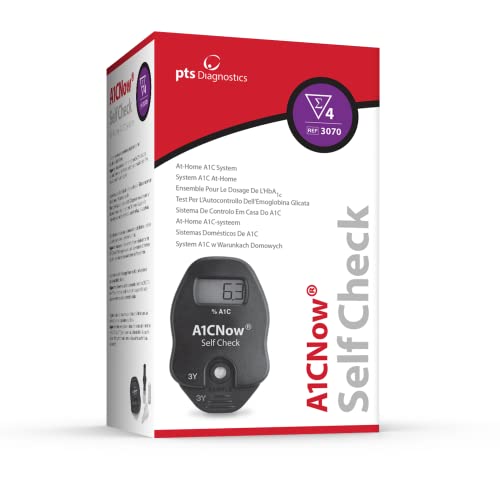
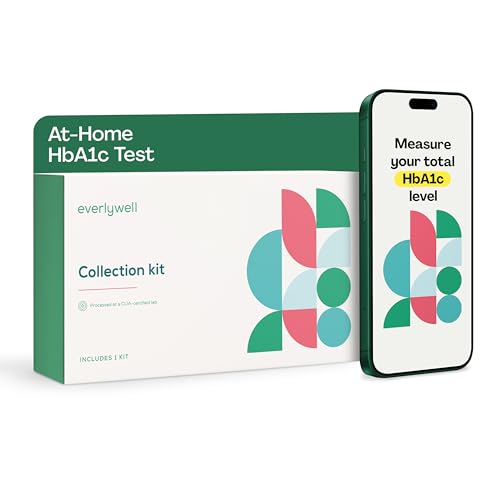
Prefer to order direct? The Everlywell HbA1c Test uses a CLIA-certified lab, physician-reviewed results, and prepaid return shipping.
What to Look For in a Continuous Glucose Monitor (CGM)
Over-the-counter CGMs like Dexcom Stelo and Abbott Lingo now sell without a prescription. Check the wear time (14–15 days per sensor), whether it reads to your phone or needs a separate device, and the monthly cost. For seeing how your own body responds to meals, a month or two is usually enough — you don't need to wear one forever.


What Makes a Good Fiber Supplement
For blood-sugar and cholesterol support you want SOLUBLE fiber — psyllium husk is the best studied. Start with one teaspoon and build up with plenty of water to avoid bloating, and take it 10–15 minutes before carb-heavy meals. Choose an unsweetened, additive-free powder or capsule.


Frequently Asked Questions
Can you have insulin resistance with normal blood sugar?
Yes, this is extremely common. Fasting glucose can remain under 100 mg/dL for 10-15 years while insulin levels steadily climb. The pancreas compensates by producing more insulin, masking the problem. This is why fasting insulin and HOMA-IR are critical tests that most standard panels miss.
What is the best test for insulin resistance?
The gold standard is the hyperinsulinemic-euglycemic clamp, but it's impractical for clinical use. The best practical tests are fasting insulin (optimal <7 μIU/mL) and HOMA-IR (optimal <1.0). A triglyceride-to-HDL ratio above 2.0 is also a strong surrogate marker.
Is insulin resistance the same as pre-diabetes?
Not exactly. Insulin resistance is the underlying mechanism; pre-diabetes is a diagnostic category based on blood sugar levels (fasting glucose 100-125 mg/dL or HbA1c 5.7-6.4%). You can have significant insulin resistance years before blood sugar rises enough to qualify as pre-diabetes.
Can insulin resistance symptoms improve before your labs do?
Yes, and this is a common source of confusion. Symptomatic improvement — less afternoon energy crashing, fewer sugar cravings, clearer skin — often shows up within 2-4 weeks of dietary and exercise changes, because these reflect moment-to-moment insulin and glucose swings that respond quickly to lower glycemic load and more muscle glucose uptake. HOMA-IR and fasting insulin, by contrast, reflect a more sustained physiological state and typically take 8-12 weeks of consistent change to show a measurable shift on repeat labs. Feeling better first is a genuinely good sign, not a false signal — but it's worth resisting the urge to retest labs too early and conclude the intervention isn't working when it's simply too soon for the numbers to catch up to the symptoms.
Do insulin resistance symptoms appear in a predictable order?
Not precisely, but there is a general pattern. Sugar cravings and afternoon fatigue tend to show up first, while the pancreas is still compensating with extra insulin. Skin changes like acanthosis nigricans and skin tags typically follow as insulin levels climb further. Blood pressure and lipid changes tend to appear later, closer to when fasting glucose starts to rise. Individual variation is significant, so symptom order alone should never replace lab testing.
Can insulin resistance symptoms occur in people who are not overweight?
Yes. A meaningful share of people with insulin resistance have a normal BMI, sometimes described as metabolically obese normal weight. Visceral fat around the organs, not total body weight, drives most of the risk. A person can have a flat stomach and still carry enough visceral fat to trigger acanthosis nigricans, sugar cravings, and an abnormal HOMA-IR score.
How many insulin resistance symptoms are normal before I should worry?
One or two mild symptoms, especially occasional afternoon fatigue, are common and not automatically concerning. Three or more symptoms together, particularly if they include acanthosis nigricans, skin tags, or a waist circumference above 35 inches (women) or 40 inches (men), warrant fasting insulin and HOMA-IR testing regardless of how you feel day to day.
Topic updates
Get the weekly metabolic health roundup
Insulin resistance, blood sugar, visceral fat, GLP-1 plateaus, metabolic syndrome, and weight-loss physiology.
Want insulin resistance handled by a physician who works from your labs? See how Opt Health does it →
Check Where You Stand
Take our free health assessment to understand your metabolic, hormonal, and recovery risk factors — and get personalized recommendations.
Take the Free Assessment →Free · Takes 5 minutes · Instant results
Related Reading
-
Insulin Resistance Normal Weight
Insulin resistance at a normal weight (lean/TOFI): why BMI and A1C miss it and the tests that catch it.
-
What Is Insulin Resistance? Causes, Symptoms & How to Reverse It
What insulin resistance is, how to test for it, and how to reverse it.
-
Metabolic Syndrome vs Insulin Resistance — How the Two Terms Differ
Metabolic syndrome vs insulin resistance: the mechanism-vs-diagnosis distinction, and where PCOS overlaps.
See more related reading
-
How to Reverse Insulin Resistance Naturally
Evidence-based dietary and lifestyle interventions (3-16 week timeline).
-
How to Test for Insulin Resistance: Labs That Matter
Fasting insulin, HOMA-IR, and triglyceride-to-HDL ratio explained.
-
Insulin Resistance Diet: What to Eat, Foods to Avoid, and a 7-Day Meal Plan
What to eat, foods to avoid, and a 7-day meal plan for insulin resistance.
-
Insulin Resistance Supplements: Evidence-based Rankings for Berberine, Magnesium, and Inositol
Evidence-based rankings: berberine, magnesium, inositol, ALA, and chromium.
-
Insulin Resistance vs Prediabetes: Key Differences and the Progression Timeline
Continuum diagram, diagnostic thresholds, and the reversal window.
Affiliate disclosure: The Metabolic Journal is reader-supported. Some links above are affiliate or referral links and we may earn a commission at no extra cost to you. As an Amazon Associate we earn from qualifying purchases. Products are chosen on the merits; commissions never influence what we recommend. This is general information, not medical advice — talk to your clinician before acting.