Insulin Resistance: Causes, Symptoms, Testing & How to Reverse It
Medically reviewed by Medical Advisory Board Last reviewed 2026-08-26
The hidden driver behind weight gain, fatigue, and type 2 diabetes
Insulin resistance affects an estimated 40% of U.S. adults aged 18–44 and is the root cause of type 2 diabetes, PCOS, and metabolic syndrome. Early detection through HOMA-IR and fasting insulin testing enables reversal before irreversible damage occurs.
Insulin resistance (IR) is a condition in which cells in your muscles, liver, and fat tissue respond poorly to insulin, impairing glucose uptake from the bloodstream. The pancreas compensates by producing more insulin — creating a state of hyperinsulinemia that can persist for years before blood sugar ever rises. The CDC estimates that 96 million American adults have prediabetes, and more than 80% don't know it.
IR is more than just a precursor to diabetes. Elevated insulin independently drives visceral fat accumulation, raises triglycerides, lowers HDL cholesterol, increases blood pressure, promotes chronic inflammation, and accelerates cardiovascular disease. The American Diabetes Association recommends screening all adults over 35, as well as younger adults with risk factors such as obesity, family history, PCOS, or a sedentary lifestyle. For a broader look at how IR fits into metabolic dysfunction, see our metabolic health guide. And if you've come across the term "metabolic syndrome" but aren't sure how it relates to IR, see our metabolic syndrome vs. insulin resistance explainer.
Partner · Opt Health
Want insulin resistance treated, not just named?
Opt Health tests fasting insulin and HOMA-IR — the markers most panels skip — and treats the resistance itself with a physician-built plan rather than waiting for glucose to drift into the diabetic range.
Read Opt Health on insulin resistance →Signs and Symptoms of Insulin Resistance
Insulin resistance is often called a "silent" condition because fasting glucose can remain normal for years while fasting insulin climbs. Common symptoms include:
- Difficulty losing weight, especially around the abdomen
- Intense sugar and carbohydrate cravings
- Fatigue after meals and energy crashes
- Brain fog and poor concentration
- Skin tags and acanthosis nigricans (dark, velvety skin patches on the neck, armpits, or groin)
- High triglycerides (>150 mg/dL) with low HDL (<40 mg/dL men, <50 mg/dL women)
- Elevated blood pressure
- Irregular periods, acne, or hair thinning in women (suggests PCOS)
- Xanthelasma — small, yellow cholesterol deposits around the eyelids; a visible sign of dyslipidemia driven by chronic hyperinsulinemia
Many of these overlap with hormonal and sleep-related conditions covered elsewhere on this site — see our full symptom guide if what you're experiencing doesn't fit neatly into this list.
You Can Have Insulin Resistance Without Diabetes
One of the most clinically consequential misconceptions about insulin resistance is that it only matters once blood sugar is elevated. In reality, a person can have severe insulin resistance — with a fasting insulin above 15 µIU/mL, a HOMA-IR above 3.5, progressive visceral fat accumulation, dyslipidemia, and elevated blood pressure — while their fasting glucose reads a normal 88 mg/dL and their HbA1c reads 5.2%.
This occurs because the pancreas compensates by producing more and more insulin to keep glucose in the normal range. The compensation works for years — sometimes decades — but is not benign. The downstream effects of chronically elevated insulin (hyperinsulinemia) include: impaired fat mobilization, progressive visceral fat accumulation, endothelial dysfunction, elevated triglycerides and suppressed HDL, increased cardiovascular disease risk, and in women, androgen excess that drives PCOS symptoms including acne, hair loss, and irregular cycles.
The clinical implication: a normal fasting glucose or HbA1c does not rule out insulin resistance. Testing fasting insulin and calculating HOMA-IR is required to detect IR in its earliest and most reversible stages. See our insulin resistance testing guide for which labs to request and what optimal ranges look like.
How Insulin Resistance Is Diagnosed
Standard fasting glucose and HbA1c miss early IR because they only detect glucose elevation — a late-stage marker. Comprehensive testing includes:
| Test | Optimal Range | Insulin-Resistant Range |
|---|---|---|
| Fasting Insulin | <5 µIU/mL | >10 µIU/mL |
| HOMA-IR | <1.0 | >2.0 |
| Fasting Glucose | 70–90 mg/dL | >100 mg/dL |
| HbA1c | <5.4% | >5.7% |
| Triglyceride/HDL Ratio | <1.5 | >3.0 |
HOMA-IR (Homeostatic Model Assessment of Insulin Resistance) is calculated as fasting insulin × fasting glucose ÷ 405 — see our HOMA-IR formula walkthrough for a worked example. It is the most accessible clinical marker of IR and can detect the condition years before HbA1c becomes abnormal.
Root Causes of Insulin Resistance
Excess visceral fat: Adipose tissue around abdominal organs secretes inflammatory cytokines (TNF-α, IL-6) that directly impair insulin signaling. Waist circumference >40 inches (men) or >35 inches (women) is an independent predictor of IR. Sedentary behavior: Skeletal muscle is the largest glucose sink in the body — physical inactivity reduces GLUT4 transporter activity by up to 40%. Chronic stress and poor sleep: Cortisol directly antagonizes insulin; one week of sleeping 5 hours/night reduces insulin sensitivity by 25% (Annals of Internal Medicine, 2012). Ultra-processed diet: Refined carbohydrates, seed oils, and fructose promote hepatic lipogenesis and liver fat accumulation — a key driver of hepatic IR.
Does Insulin Cause Fat Storage?
Insulin is the body's main storage signal: after a meal, it helps move glucose into muscle and liver cells, promotes glycogen storage, and suppresses lipolysis (the release of stored fat). This does not mean insulin is inherently bad — it is essential for survival. The problem is chronically elevated insulin from insulin resistance. When insulin stays high most of the day, fat burning remains suppressed, hunger and cravings can increase, and excess energy is more likely to be stored in adipose tissue. This is why the phrase insulin and fat storage is directionally true but incomplete: total calories, food quality, muscle mass, sleep, and activity still matter, but high fasting insulin makes fat loss harder.
How to Reverse Insulin Resistance
The Diabetes Prevention Program (DPP) trial demonstrated that lifestyle intervention reduced diabetes risk by 58% — more effective than metformin (31%). Key strategies:
- Resistance training: 3–4 sessions per week increases GLUT4 expression and muscle glucose uptake for 48+ hours post-exercise. See our guide on exercise for insulin resistance for specific protocols.
- Dietary modification: Reduce refined carbohydrates, prioritize protein (1.2–1.6 g/kg/day), fiber (>30 g/day), and healthy fats. See the full insulin resistance diet guide for evidence-based meal structure, or our 7-day insulin resistance meal plan for a structured starting point.
- Supplements: Berberine, myo-inositol, magnesium, and alpha-lipoic acid have evidence-backed mechanisms. See our insulin resistance supplements guide for dosing and quality sourcing.
- Weight loss: Losing just 5–7% of body weight improves insulin sensitivity by 30–50%
- Sleep optimization: 7–9 hours of quality sleep is non-negotiable for insulin sensitivity
- Time-restricted eating: 12–16 hour overnight fasts improve fasting insulin levels (Cell Metabolism, 2019)
Wondering if you have insulin resistance vs. prediabetes? These are distinct but related — see our insulin resistance vs prediabetes comparison.
Does Insulin Resistance Cause These Symptoms?
Insulin resistance is frequently blamed for a wide range of symptoms online. Some links are well-supported; others are overstated. Here's what the evidence actually shows:
- Anxiety: Nuanced. Insulin resistance doesn't directly cause anxiety, but reactive hypoglycemia from erratic insulin swings can produce shakiness, racing heart, and panic-like symptoms that mimic or worsen anxiety. Chronic hyperinsulinemia is also linked to dysregulated cortisol and inflammatory signaling, both of which can affect mood.
- Hair loss: Yes, indirectly. Elevated insulin can increase androgen production (especially in women with PCOS), and androgen-driven hair thinning is well documented. In men, IR is also associated with lower SHBG and altered androgen balance.
- High blood pressure: Yes. Hyperinsulinemia promotes sodium retention in the kidneys and stimulates the sympathetic nervous system, both of which raise blood pressure independent of body weight.
- High cholesterol: Yes. IR classically produces a distinct pattern — elevated triglycerides, low HDL, and small dense LDL particles — even before glucose becomes abnormal.
- Hypoglycemia / reactive hypoglycemia: Yes, this is a recognized paradox. Early-stage IR often causes an exaggerated insulin surge after meals; blood sugar overshoots downward 2-4 hours later, producing shakiness, irritability, and hunger.
- Chronic inflammation: Yes. Insulin resistance and low-grade inflammation are bidirectionally linked — inflammatory cytokines like TNF-α impair insulin signaling, while hyperinsulinemia and visceral fat further drive inflammatory markers such as CRP.
- Weight gain: Nuanced. IR doesn't cause weight gain in isolation, but chronically elevated insulin suppresses fat breakdown and can increase hunger, making weight gain easier and loss harder — see the fat storage discussion above.
How to test metabolic markers at home
You don't need a lab appointment to check your own metabolic markers — a few at-home kits mail you a collection kit and return physician-reviewed results online within days:
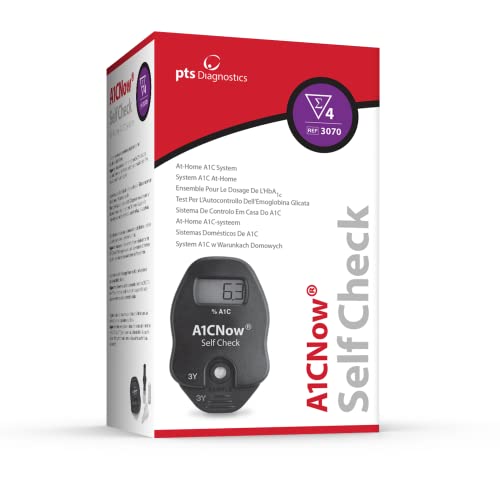
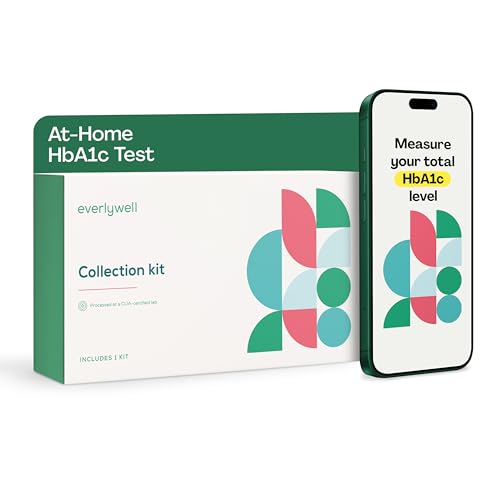
Prefer to order direct? The Everlywell HbA1c Test uses a CLIA-certified lab, physician-reviewed results, and prepaid return shipping.
What to Look For in a Continuous Glucose Monitor (CGM)
Over-the-counter CGMs like Dexcom Stelo and Abbott Lingo now sell without a prescription. Check the wear time (14–15 days per sensor), whether it reads to your phone or needs a separate device, and the monthly cost. For seeing how your own body responds to meals, a month or two is usually enough — you don't need to wear one forever.


What Makes a Good Fiber Supplement
For blood-sugar and cholesterol support you want SOLUBLE fiber — psyllium husk is the best studied. Start with one teaspoon and build up with plenty of water to avoid bloating, and take it 10–15 minutes before carb-heavy meals. Choose an unsweetened, additive-free powder or capsule.


Frequently Asked Questions
Can you have insulin resistance with normal blood sugar?
Yes — this is extremely common and is precisely why IR is underdiagnosed. Fasting glucose remains normal because the pancreas compensates by producing excess insulin. A person can have a fasting glucose of 85 mg/dL but a fasting insulin of 18 µIU/mL, indicating significant IR. This is why testing fasting insulin and calculating HOMA-IR are essential.
How long does it take to reverse insulin resistance?
With consistent lifestyle changes (dietary modification, regular exercise, adequate sleep), measurable improvement in HOMA-IR and fasting insulin can occur within 8–12 weeks. Full reversal typically takes 3–12 months depending on severity, body composition, and adherence. CGM data often shows improved post-meal glucose patterns within 2–4 weeks.
Is insulin resistance the same as prediabetes?
Not exactly. Insulin resistance is the underlying mechanism; prediabetes is a diagnostic label applied when glucose has risen above normal (fasting glucose 100–125 mg/dL or HbA1c 5.7–6.4%). You can have significant insulin resistance without meeting prediabetes criteria if your pancreas is still compensating. IR typically precedes prediabetes by 5–15 years.
Is type 2 diabetes reversible?
For many people, yes, in the sense of remission rather than cure. The DiRECT trial (Lean et al., The Lancet, 2018) put newly diagnosed type 2 diabetes patients on a structured low-calorie diet and found 46% reached remission (HbA1c below 6.5% without medication) at one year, rising to almost 90% among those who lost 15 kg or more. Remission means blood sugar has returned to a non-diabetic range without diabetes drugs, not that the underlying insulin resistance is permanently gone: weight regain is the most common reason remission doesn't hold, and follow-up data from the same trial shows the odds of staying in remission fall the longer diabetes went undiagnosed before treatment started. This is why the interventions on this page — weight loss, resistance training, and reducing refined carbohydrate intake — are the same ones used in remission trials, and why anyone on diabetes medication should only adjust or stop it under a doctor's supervision, since improving insulin sensitivity while still taking glucose-lowering drugs can cause dangerous hypoglycemia. A separate line of evidence reaches the same remission outcome through a different diet. A two-year trial (Athinarayanan et al., Frontiers in Endocrinology, 2019) followed adults with type 2 diabetes on a carbohydrate-restricted, nutritional-ketosis diet with ongoing remote coaching. Results were similar: among those who stayed enrolled, 55% met the same HbA1c-based remission definition DiRECT used, alongside reductions in weight, triglycerides, and most diabetes medications. That trial had no control group, though, and relied on people who chose to stay enrolled, so it's weaker evidence than DiRECT's randomized design. Still, the direction holds. DiRECT's low-calorie diet is not the only dietary path that can push type 2 diabetes into remission.
Is insulin resistance genetic?
Family history plays a meaningful role, but lifestyle factors remain highly modifiable regardless of genetic risk. See our full breakdown of the heritability research in is insulin resistance genetic?
Topic updates
Get the weekly metabolic health roundup
Insulin resistance, blood sugar, visceral fat, GLP-1 plateaus, metabolic syndrome, and weight-loss physiology.
Want insulin resistance handled by a physician who works from your labs? See how Opt Health does it →
Check Where You Stand
Take our free health assessment to understand your metabolic, hormonal, and recovery risk factors — and get personalized recommendations.
Take the Free Assessment →Free · Takes 5 minutes · Instant results
Related Reading
-
Metabolic Syndrome vs Insulin Resistance — How the Two Terms Differ
Metabolic syndrome vs insulin resistance: the mechanism-vs-diagnosis distinction, and where PCOS overlaps.
-
Insulin Resistance Symptoms: 12 Warning Signs
12 clinical warning signs, from acanthosis nigricans to post-meal fatigue.
-
How to Reverse Insulin Resistance Naturally
Evidence-based dietary and lifestyle interventions (3-16 week timeline).
See more related reading
-
How to Test for Insulin Resistance: Labs That Matter
Fasting insulin, HOMA-IR, and triglyceride-to-HDL ratio explained.
-
Insulin Resistance Diet: What to Eat, Foods to Avoid, and a 7-Day Meal Plan
What to eat, foods to avoid, and a 7-day meal plan for insulin resistance.
-
Insulin Resistance Supplements: Evidence-based Rankings for Berberine, Magnesium, and Inositol
Evidence-based rankings: berberine, magnesium, inositol, ALA, and chromium.
-
Insulin Resistance vs Prediabetes: Key Differences and the Progression Timeline
Continuum diagram, diagnostic thresholds, and the reversal window.
-
Exercise for Insulin Resistance: the Evidence-based Workout Plan
GLUT4 mechanism, resistance training protocol, HIIT vs steady-state, yoga.
Affiliate disclosure: The Metabolic Journal is reader-supported. Some links above are affiliate or referral links and we may earn a commission at no extra cost to you. As an Amazon Associate we earn from qualifying purchases. Products are chosen on the merits; commissions never influence what we recommend. This is general information, not medical advice — talk to your clinician before acting.