How to Reverse Insulin Resistance Naturally: A Science-Backed Guide
Medically reviewed by Medical Advisory Board Last reviewed 2026-08-26
Evidence-based lifestyle strategies that restore insulin sensitivity within weeks
Insulin resistance is reversible. The Diabetes Prevention Program proved lifestyle intervention reduces diabetes risk by 58%. This guide covers the specific dietary, exercise, sleep, and supplement strategies with the strongest clinical evidence.
If you've been told you have insulin resistance, prediabetes, or elevated fasting insulin, there's good news: it's one of the most reversible metabolic conditions. In the landmark Diabetes Prevention Program (DPP) trial, which involved 3,234 participants, a structured lifestyle intervention reduced progression to type 2 diabetes by 58%, outperforming metformin, which achieved a 31% reduction. Even more encouraging, follow-up data showed that the benefit was sustained at 15 years.
Reversing insulin resistance doesn't require perfection. It requires consistently targeting the right levers: dietary modification, strategic exercise, sleep optimization, and stress management. Here's exactly what the evidence supports. (Not sure whether "insulin resistance" and "metabolic syndrome" describe the same thing? See our metabolic syndrome vs. insulin resistance explainer. To understand how insulin resistance fits into the full picture of metabolic health, see our metabolic health overview.)
Partner · Opt Health
Want insulin resistance treated, not just named?
Opt Health tests fasting insulin and HOMA-IR — the markers most panels skip — and treats the resistance itself with a physician-built plan rather than waiting for glucose to drift into the diabetic range.
Read Opt Health on insulin resistance →Step 1: Restructure Your Diet
Diet is the highest-impact lever for reversing IR. For the complete evidence-based meal plan, food lists, and meal timing guidance, see our dedicated insulin resistance diet guide. Focus on these core principles:
- Reduce refined carbohydrates: Replace white bread, pasta, rice, and sugary foods with whole grains, legumes, and vegetables. The PREDIMED trial showed a Mediterranean diet reduces diabetes incidence by 40%.
- Prioritize protein: Aim for 1.2–1.6 g/kg body weight per day. Protein stabilizes blood sugar, promotes satiety, and supports muscle mass — your largest glucose disposal tissue. Start every meal with protein.
- Increase fiber to >30 g/day: Fiber slows glucose absorption and feeds beneficial gut bacteria that produce short-chain fatty acids, which improve insulin signaling (Journal of Nutrition, 2018).
- Add healthy fats: Olive oil, avocado, nuts, and fatty fish. The KANWU study showed replacing saturated fat with monounsaturated fat improved insulin sensitivity by 12.5%.
- Eliminate sugar-sweetened beverages: Each daily serving of soda increases diabetes risk by 26% (BMJ meta-analysis).
Step 2: Exercise Strategically
Exercise improves insulin sensitivity through multiple mechanisms — independent of weight loss. For specific workout protocols, timing strategies, and evidence-based programming, see our exercise for insulin resistance guide. The ADA recommends at least 150 minutes/week of moderate aerobic activity plus 2+ resistance training sessions.
- Resistance training: The single most effective exercise for IR. Muscle is the primary glucose sink; building lean mass increases baseline glucose disposal. A 2013 meta-analysis (Sports Medicine) found resistance training improves HOMA-IR by 25–30% over 12 weeks.
- Post-meal walks: 15–20 minutes of walking after meals reduces peak glucose by 30–50%. This is the easiest, most accessible intervention with outsized impact.
- HIIT: High-intensity interval training improves insulin sensitivity more efficiently per minute than moderate cardio. Even 3 × 20-minute HIIT sessions per week significantly reduces HOMA-IR (Diabetologia, 2016).
- Avoid prolonged sitting: Break up sitting every 30 minutes with 2–3 minutes of light activity. This alone improves postprandial insulin by 20% (Diabetes Care, 2016).
Step 3: Optimize Sleep and Stress
Sleep: Sleep deprivation is a direct cause of insulin resistance. Just one week of 5-hour sleep reduces insulin sensitivity by 25% (Annals of Internal Medicine, 2012). Prioritize 7–9 hours nightly, consistent wake times, and dark/cool sleeping environments. Treat sleep apnea — it independently worsens IR.
Stress: Chronic cortisol elevation directly antagonizes insulin, promotes visceral fat storage, and increases hepatic glucose output. Evidence-based stress interventions include daily meditation (even 10 minutes), time in nature, social connection, and therapy/counseling for chronic stress. An 8-week MBSR program reduced fasting glucose by 10 mg/dL in one randomized trial (Psychosomatic Medicine, 2018).
Supplements With Clinical Evidence
Supplements support but do not replace lifestyle changes. For dosing, sourcing guidance, and drug interaction considerations, see our insulin resistance supplements guide. Those with the strongest evidence for insulin sensitivity:
- Berberine: 500 mg 2–3× daily. A meta-analysis in the Journal of Ethnopharmacology found berberine lowers HOMA-IR comparably to metformin — see our full berberine vs metformin comparison.
- Magnesium: 200–400 mg/day (glycinate or threonate). Low magnesium is found in 50% of people with IR; supplementation improves fasting glucose by 4–7 mg/dL.
- Vitamin D: Correct deficiency (<30 ng/mL). The D2d trial showed that vitamin D supplementation reduced diabetes progression by 12% in those with prediabetes.
- Chromium: 200–1000 µg/day as chromium picolinate. A meta-analysis found modest but significant improvements in fasting glucose and HbA1c.
- Alpha-lipoic acid: 600 mg/day improves insulin sensitivity and reduces oxidative stress markers.
Does Intermittent Fasting Help Insulin Resistance?
Intermittent fasting can help insulin resistance, mainly by lowering how often insulin is released and by driving fat loss. When you extend the gap between meals, insulin stays low for longer stretches, giving cells a break from constant insulin signaling. Trials of time-restricted eating (typically an 8–10 hour eating window) show modest improvements in fasting insulin and insulin sensitivity — though most of the benefit tracks with the weight and visceral fat people lose.
What the evidence supports:
- Time-restricted eating (e.g. 16:8): eating within an 8-hour window has lowered fasting insulin and improved HOMA-IR in small trials, especially when the window sits earlier in the day.
- What you eat still matters more than when. Fasting works best paired with lower-refined-carbohydrate meals; a fasting window wrapped around high-sugar meals does far less.
- How long it takes: most people who combine a consistent eating window with dietary change see fasting insulin and HOMA-IR improve within 8–12 weeks — the same timeline as other insulin-lowering changes.
Who should be cautious: people on blood-sugar-lowering medication, those who are pregnant, and anyone with a history of disordered eating should not start fasting without medical guidance. For most people, a gentle 12-hour overnight fast is a low-risk starting point before trying longer windows.
How Insulin Resistance Blocks Weight Loss
Insulin resistance doesn't just predict metabolic disease — it actively impairs fat loss, which is why many people find they cannot lose weight despite caloric restriction. The mechanism is straightforward: chronically elevated insulin (hyperinsulinemia) is the body's primary anti-lipolytic signal. Insulin suppresses hormone-sensitive lipase, the enzyme that releases stored fat from adipose tissue. When fasting insulin exceeds 10–12 µIU/mL, fat mobilization is substantially blunted even in a caloric deficit.
The cascade continues: poor glucose clearance in muscle tissue means dietary carbohydrates are preferentially stored as fat rather than used for energy. Visceral fat — the metabolically active abdominal fat most strongly linked to IR — generates free fatty acids and inflammatory cytokines that further impair insulin signaling, creating a self-reinforcing cycle. This is why some people experience disproportionately slow weight loss relative to their caloric deficit and why body composition (fat vs. muscle) often matters more than total weight.
Addressing IR directly — through the dietary, exercise, and sleep interventions above — unlocks fat burning in a way that caloric restriction alone cannot. For those with HOMA-IR above 3.0 who have not responded adequately to lifestyle change, clinical tools including metformin and GLP-1 receptor agonists (such as semaglutide) target insulin resistance mechanistically and can significantly improve weight loss outcomes. See our Ozempic vs metformin comparison for how these two approaches differ.
Does Metformin or a GLP-1 Medication Reverse Insulin Resistance?
Metformin and GLP-1 medications both reduce insulin resistance, each through its own mechanism, and neither one works the way the diet and exercise changes above do. Metformin's main effect is on the liver: it suppresses excess glucose production (gluconeogenesis) and adds a modest improvement in how well muscle tissue takes up glucose. That is why the DPP trial found metformin reduced diabetes progression by 31%, a real result but well behind the 58% reduction from structured lifestyle change covered above. Metformin lowers the glucose side of the equation more than it fixes the underlying insulin signaling problem.
GLP-1 receptor agonists such as semaglutide (Ozempic, Wegovy) and tirzepatide (Mounjaro, Zepbound) reduce insulin resistance mostly as a downstream effect of the weight they help a person lose, particularly visceral and liver fat, both of which drive insulin resistance directly (see how fatty liver and insulin resistance reinforce each other). Tirzepatide activates a second receptor, GIP, alongside GLP-1, which some researchers believe adds a modest direct insulin-sensitizing effect independent of weight loss, though the size of that separate effect is still being studied. Semaglutide and tirzepatide also slow stomach emptying and increase insulin release in a glucose-dependent way, meaning they only prompt extra insulin when blood sugar is already elevated rather than at all times.
None of this makes these medications a substitute for the interventions in Steps 1 through 3. A 2022 clinical framework from the American Diabetes Association still lists lifestyle intervention as first-line therapy for insulin resistance, with medication reserved for people who have not reached their targets through diet, exercise, and sleep changes alone, or who have a HOMA-IR high enough to warrant combining both approaches. For most people with HOMA-IR above 3.0 who have plateaued on lifestyle changes, metformin or a GLP-1 medication added on top of, not instead of, those changes produces the best outcome.
What to Eat and Avoid: Quick Reference
| Category | Favor | Limit or Avoid |
|---|---|---|
| Fats | Extra-virgin olive oil, avocado, nuts, fatty fish | Industrial seed oils in fried/processed foods |
| Beverages | Water, unsweetened coffee/tea | Sugar-sweetened drinks; artificially-sweetened diet sodas (e.g. Coke Zero) show mixed evidence on glucose/insulin response and gut microbiome effects — reasonable in moderation, not a free pass |
| Dairy | Plain, unsweetened yogurt (protein + some evidence for improved insulin sensitivity) | Flavored/sweetened yogurt with added sugar |
| Minerals | Magnesium- and zinc-rich foods (leafy greens, pumpkin seeds, legumes) — both are cofactors in insulin signaling | Relying on supplements alone without dietary sources |
| Herbal/other | Yerba mate has some preliminary evidence for modest glycemic benefit | Treating any single food or herb as a substitute for the core diet/exercise/sleep strategy |
| Vegetables | Non-starchy vegetables at every meal (fiber + volume with minimal glycemic impact) | Relying on starchy vegetables as your primary vegetable intake |
This table is a quick-scan supplement to the full insulin resistance diet guide, which covers meal structure and a complete food list in depth.
"Quick Fix" and "Water Hack" Claims: What the Evidence Actually Supports
Insulin resistance content online is saturated with claims of an instant "reset" or a "water hack" that reverses IR overnight. These claims are not supported by evidence. There is no single food, drink, or hack that meaningfully changes insulin sensitivity within a day — the physiological adaptations described throughout this guide (improved GLUT4 expression, reduced visceral fat, better sleep architecture) develop over weeks, not hours.
Drinking water before meals can modestly reduce calorie intake at that meal and supports normal metabolic function, but it does not "flush out" insulin resistance or produce the dramatic overnight results some content implies. Similarly, no single supplement, tea, or morning ritual bypasses the timeline described in this guide: measurable HOMA-IR improvement takes roughly 2-4 weeks of consistent changes, with fuller reversal over 3-12 months.
Be skeptical of any claim promising a specific fast result ("reverse insulin resistance in 3 days") — it is not consistent with how insulin sensitivity actually improves at the cellular level, and chasing quick fixes often delays starting the interventions that do work.
How to test metabolic markers at home
You don't need a lab appointment to check your own metabolic markers — a few at-home kits mail you a collection kit and return physician-reviewed results online within days:
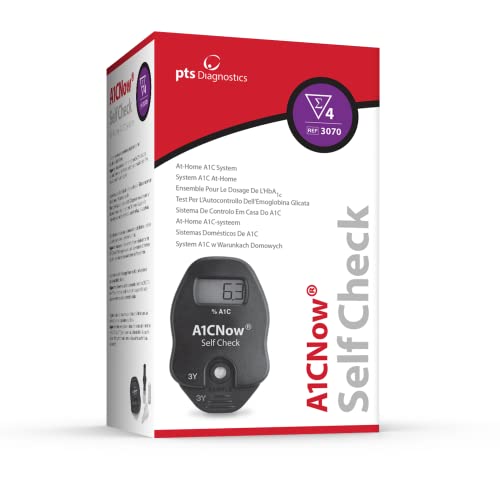
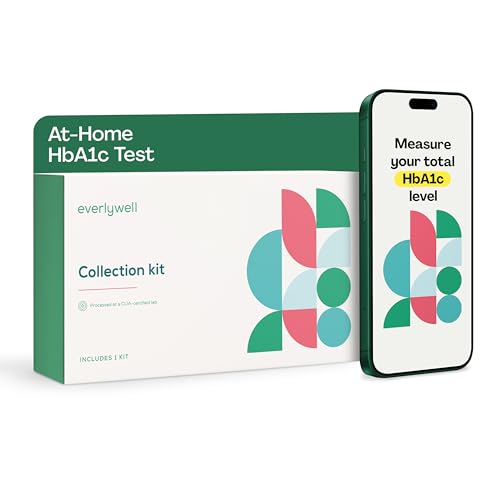
Prefer to order direct? The Everlywell HbA1c Test uses a CLIA-certified lab, physician-reviewed results, and prepaid return shipping.
What to Look For in a Continuous Glucose Monitor (CGM)
Over-the-counter CGMs like Dexcom Stelo and Abbott Lingo now sell without a prescription. Check the wear time (14–15 days per sensor), whether it reads to your phone or needs a separate device, and the monthly cost. For seeing how your own body responds to meals, a month or two is usually enough — you don't need to wear one forever.


What Makes a Good Fiber Supplement
For blood-sugar and cholesterol support you want SOLUBLE fiber — psyllium husk is the best studied. Start with one teaspoon and build up with plenty of water to avoid bloating, and take it 10–15 minutes before carb-heavy meals. Choose an unsweetened, additive-free powder or capsule.


Frequently Asked Questions
How quickly can insulin resistance be reversed?
Measurable improvement in fasting insulin and HOMA-IR can occur within 2–4 weeks of consistent dietary and exercise changes. CGM data typically shows improved glucose responses within days. Full reversal (normalization of insulin levels and metabolic markers) usually takes 3–12 months depending on severity and adherence. The DPP showed significant diabetes risk reduction within the first year.
What is the best diet for insulin resistance?
The Mediterranean diet has the strongest clinical evidence — the PREDIMED trial showed a 40% reduction in diabetes incidence. Key principles: high fiber (>30 g/day), adequate protein (1.2–1.6 g/kg/day), healthy fats (olive oil, nuts, fatty fish), abundant non-starchy vegetables, minimal refined carbohydrates and sugar. Low-carbohydrate diets also show strong short-term results for IR reversal. See the full insulin resistance diet guide for implementation specifics and sample meals.
Is metformin necessary for insulin resistance?
Not always. Lifestyle intervention is more effective than metformin for preventing diabetes progression (58% vs 31% risk reduction in the DPP). Metformin may be appropriate for those who cannot achieve sufficient lifestyle modification, have very high HOMA-IR, or have other indications (PCOS, prediabetes with BMI >35). It works best as an adjunct to — not replacement for — lifestyle changes. For how it stacks up against a GLP-1, see Ozempic vs metformin at /compare/ozempic-vs-metformin.
Does reversing insulin resistance help with healthy aging or longevity?
Insulin sensitivity is one of the more consistently tracked metabolic markers in healthy-aging and longevity research, since chronic hyperinsulinemia is linked to accelerated vascular aging, higher visceral fat, and increased risk for several age-related diseases. Improving insulin sensitivity through the diet, exercise, and sleep strategies above is a well-evidenced way to influence that risk profile — though that's a different claim from a proven lifespan-extension intervention. See our guide to NAD+ and longevity for how that broader research area is currently understood.
Topic updates
Get the weekly metabolic health roundup
Insulin resistance, blood sugar, visceral fat, GLP-1 plateaus, metabolic syndrome, and weight-loss physiology.
Want insulin resistance handled by a physician who works from your labs? See how Opt Health does it →
Check Where You Stand
Take our free health assessment to understand your metabolic, hormonal, and recovery risk factors — and get personalized recommendations.
Take the Free Assessment →Free · Takes 5 minutes · Instant results
Related Guides
-
Metabolic Syndrome vs Insulin Resistance — How the Two Terms Differ
Metabolic syndrome vs insulin resistance: the mechanism-vs-diagnosis distinction, and where PCOS overlaps.
-
Insulin Resistance Diet: What to Eat, Foods to Avoid, and a 7-Day Meal Plan
What to eat, foods to avoid, and a 7-day meal plan for insulin resistance.
-
Insulin Resistance Supplements: Evidence-based Rankings for Berberine, Magnesium, and Inositol
Evidence-based rankings: berberine, magnesium, inositol, ALA, and chromium.
See more related guides
-
Insulin Resistance vs Prediabetes: Key Differences and the Progression Timeline
Continuum diagram, diagnostic thresholds, and the reversal window.
-
Exercise for Insulin Resistance: the Evidence-based Workout Plan
GLUT4 mechanism, resistance training protocol, HIIT vs steady-state, yoga.
-
Insulin Resistance in Pets
Insulin resistance in dogs and horses — equine metabolic syndrome and canine diabetes explained.
-
Insulin Resistance Meal Plan
A structured 7-day insulin resistance meal plan with grocery list.
-
How Insulin Resistance Causes Fatty Liver Disease (MASLD)
How insulin resistance drives fatty liver disease (MASLD), the 2023 diagnostic criteria, and the tests that catch it early.
Affiliate disclosure: The Metabolic Journal is reader-supported. Some links above are affiliate or referral links and we may earn a commission at no extra cost to you. As an Amazon Associate we earn from qualifying purchases. Products are chosen on the merits; commissions never influence what we recommend. This is general information, not medical advice — talk to your clinician before acting.