Ozempic vs Metformin: Weight Loss & Blood Sugar Compared
Medically reviewed by Medical Advisory Board Last reviewed 2026-06-15
A weekly injection and a first-line pill — which does what
Ozempic (semaglutide) and metformin both treat Type 2 diabetes, but they work differently and deliver very different weight-loss results. Metformin is the cheap, oral, first-line drug. Ozempic is a weekly injection with much stronger appetite suppression and weight loss. This guide compares mechanism, results, cost, and who each suits.
Comparing Ozempic and metformin really means comparing two drug classes that are often used together. Metformin is usually the first medication prescribed for Type 2 diabetes. Ozempic (semaglutide) is a newer GLP-1 injection that leads to far more weight loss. Rather than being direct rivals, they are different tools for different stages and goals.
For a broader look at this drug class, see our GLP-1 peptides guide. For the metabolic foundation behind both, see metabolic health.
Partner · Opt Health
Want medical weight loss instead of another diet?
Opt Health prescribes and monitors GLP-1 therapy against real labs — insulin, A1C, lipids, thyroid, hormones — so the plan fits your physiology rather than a generic protocol. Medication ships to your door.
See Opt Health's weight-loss program →Ozempic vs Metformin: Comparison Table
| Factor | Ozempic (semaglutide) | Metformin |
|---|---|---|
| Drug class | GLP-1 receptor agonist | Biguanide |
| How it's taken | Weekly subcutaneous injection | Daily oral tablet |
| Main mechanism | Suppresses appetite, slows digestion, boosts insulin | Lowers liver glucose output; improves insulin sensitivity |
| Average weight loss | Substantial (often 10%+) | Modest (a few pounds, often weight-neutral) |
| Blood sugar effect | Strong HbA1c reduction | Reliable HbA1c reduction |
| FDA approval | Type 2 diabetes; CV risk reduction | Type 2 diabetes (first-line) |
| Cost | High (~$1,000/month without coverage) | Very low (generic) |
| Common side effects | Nausea, GI upset during titration | GI upset; rare B12 depletion |
How They Differ
Metformin works quietly in the background — it lowers the glucose your liver releases and helps your cells respond to insulin. It is cheap, oral, and weight-neutral to mildly weight-reducing.
Ozempic acts on the brain's appetite centers and the gut. It reduces hunger and "food noise," which is why weight loss is dramatic for many users. That power comes with a higher price, an injection, and more upfront nausea while the dose ramps up.
When Metformin Is the Right Start
Metformin usually comes first if:
- You were just diagnosed with Type 2 diabetes or PCOS.
- Cost, simplicity, and a long safety record matter most.
- You want an oral option without injections.
Many people do well on metformin alone, especially when paired with lifestyle changes. Track progress with HbA1c and fasting insulin.
When Ozempic Adds More
Ozempic (or another GLP-1) makes sense if:
- Significant weight loss is a primary goal.
- Metformin alone is not controlling blood sugar.
- Appetite and cravings are your main barrier.
It is common to use both together — metformin as the base and a GLP-1 layered on top. If weight loss stalls, see our GLP-1 plateau guide.
The Verdict
For blood sugar at low cost, metformin is the proven first step. For powerful weight loss, Ozempic is far stronger. For many people the answer is not either/or — it is metformin first, then a GLP-1 added when more is needed. The right sequence depends on your labs, weight, budget, and other conditions. Start with our free metabolic assessment or book a consultation to map your plan.
How to test metabolic markers at home
You don't need a lab appointment to check your own metabolic markers — a few at-home kits mail you a collection kit and return physician-reviewed results online within days:
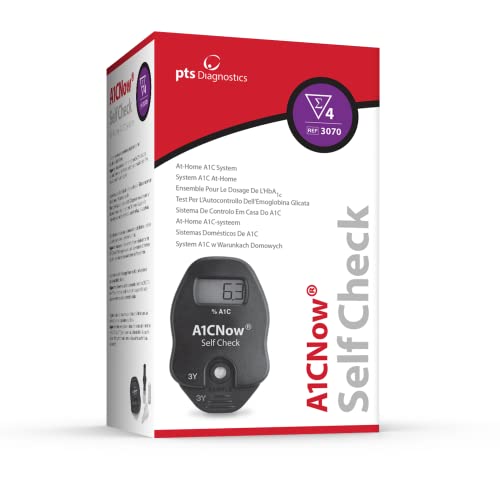
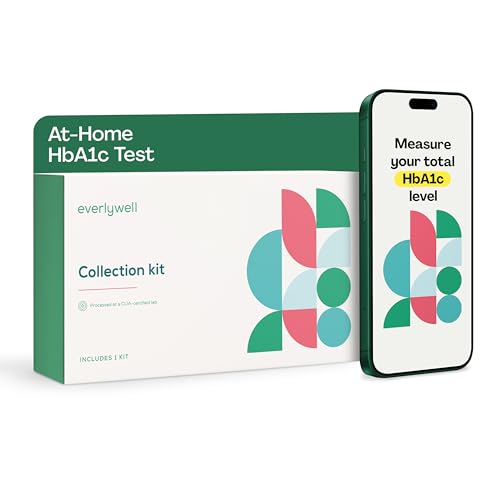
Prefer to order direct? The Everlywell HbA1c Test uses a CLIA-certified lab, physician-reviewed results, and prepaid return shipping.
What to Look For in a Continuous Glucose Monitor (CGM)
Over-the-counter CGMs like Dexcom Stelo and Abbott Lingo now sell without a prescription. Check the wear time (14–15 days per sensor), whether it reads to your phone or needs a separate device, and the monthly cost. For seeing how your own body responds to meals, a month or two is usually enough — you don't need to wear one forever.


What Makes a Good Fiber Supplement
For blood-sugar and cholesterol support you want SOLUBLE fiber — psyllium husk is the best studied. Start with one teaspoon and build up with plenty of water to avoid bloating, and take it 10–15 minutes before carb-heavy meals. Choose an unsweetened, additive-free powder or capsule.


Frequently Asked Questions
Is Ozempic better than metformin for weight loss?
Yes, for weight loss specifically. Ozempic (semaglutide) commonly produces double-digit percentage weight loss because it strongly suppresses appetite, while metformin is roughly weight-neutral to mildly weight-reducing. However, metformin is cheaper, oral, and first-line for blood sugar control. The best choice depends on whether your main goal is glucose control, weight loss, or both.
Can you take Ozempic and metformin together?
Yes — this is a very common combination. Metformin is often the base medication, with a GLP-1 like Ozempic added when more blood-sugar control or weight loss is needed. They work through different mechanisms, so they complement each other. A clinician monitors dosing and watches for low blood sugar, especially if other diabetes drugs are involved.
Why would a doctor prescribe metformin instead of Ozempic?
Metformin is the first-line drug for Type 2 diabetes because it is inexpensive, oral, has decades of safety data, and works well for many people. Insurance also covers it readily. Doctors often start here and only move to or add a GLP-1 like Ozempic if blood sugar stays high or significant weight loss is a goal.
Do Ozempic and metformin have similar side effects?
Both can cause gastrointestinal side effects like nausea and diarrhea. With Ozempic, nausea is most common while the dose is increasing and usually eases over time. Metformin's GI effects are often reduced with the extended-release form, and long-term use can occasionally lower vitamin B12. Discuss your history with your doctor to choose the best fit.
Does Ozempic contain metformin, or are they the same drug?
No — they're unrelated drug classes despite the similar names and their frequent joint use. Ozempic (semaglutide) is a GLP-1 receptor agonist, an injectable peptide that works on appetite and gut signaling. Metformin is a biguanide, an oral pill that lowers how much glucose the liver releases. Neither contains the other, and they aren't chemically related — see the comparison table above for how differently they're dosed, priced, and administered. The confusion likely comes from how often they're prescribed together, not from any shared ingredient.
Is Ozempic or metformin better for PCOS?
Neither medication is universally better, as neither has Food and Drug Administration (FDA) approval specifically for polycystic ovary syndrome (PCOS). Metformin has a long track record of off-label use to improve insulin sensitivity and help restore regular ovulation. Ozempic is increasingly prescribed off-label for weight loss and insulin sensitivity, but it has a shorter track record in PCOS. A prescriber must weigh your fertility goals, weight-loss needs, tolerability, and insurance coverage.
Topic updates
Get the weekly metabolic health roundup
Insulin resistance, blood sugar, visceral fat, GLP-1 plateaus, metabolic syndrome, and weight-loss physiology.
Want weight loss handled by a physician who works from your labs? See how Opt Health does it →
Check Where You Stand
Take our free health assessment to understand your metabolic, hormonal, and recovery risk factors — and get personalized recommendations.
Take the Free Assessment →Free · Takes 5 minutes · Instant results
Related Comparisons
-
Ozempic vs Wegovy: Same Drug (Semaglutide), Different Use and Dose
Ozempic vs Wegovy: both are semaglutide — the real differences in approval, dose, and coverage.
-
Foundayo vs Ozempic: Obesity-approved Pill vs Diabetes-branded Weekly Shot Compared
Foundayo vs Ozempic: obesity-approved daily pill vs diabetes-branded weekly shot — approval pathway explained.
-
Berberine vs Ozempic: Is Berberine Really 'Nature's Ozempic'?
Berberine vs Ozempic: why 'nature's Ozempic' is a stretch, and what each actually does.
See more related comparisons
-
Berberine vs Metformin: Which Lowers Blood Sugar Better?
Berberine vs metformin: mechanism, evidence, side effects, and which lowers blood sugar better.
-
Ozempic vs Mounjaro: Semaglutide vs Tirzepatide — Which GLP-1 Produces More Weight Loss?
Ozempic vs Mounjaro: semaglutide vs tirzepatide — mechanism, weight loss trials, and how to choose.
-
Zepbound vs Ozempic: On-label Weight-loss Approval vs Off-label Diabetes Drug Compared
Zepbound vs Ozempic: on-label weight-loss approval vs off-label diabetes drug compared.
-
Ozempic Alternatives: 7 Options Compared (Prescription, Compounded & Natural)
Ozempic alternatives ranked: other GLP-1 drugs, compounded options, metformin, berberine, and lifestyle-first care.
-
Metformin Alternatives: 6 Prescription and Natural Options Compared
Metformin alternatives ranked: GLP-1s, SGLT2 inhibitors, pioglitazone, berberine, inositol, lifestyle.
Affiliate disclosure: The Metabolic Journal is reader-supported. Some links above are affiliate or referral links and we may earn a commission at no extra cost to you. As an Amazon Associate we earn from qualifying purchases. Products are chosen on the merits; commissions never influence what we recommend. This is general information, not medical advice — talk to your clinician before acting.