A1C Test: Levels Chart, Normal vs Prediabetes Ranges, and How to Lower It
Medically reviewed by Medical Advisory Board Last reviewed 2026-08-08
Your 3-month blood sugar average — what the numbers mean and evidence-based strategies to improve them
A1C measures your average blood sugar over 2-3 months by tracking glycated hemoglobin. Below 5.7% is normal, 5.7-6.4% is prediabetes, and 6.5%+ is diabetes. A 2026 study confirmed that whole-grain diets lower A1C by ~0.4% in 3 months.
The A1C test, also called HbA1c or glycated hemoglobin, measures the percentage of your hemoglobin with glucose molecules attached to it. Since red blood cells live for about 120 days, A1C reflects your average blood sugar levels over 2 to 3 months. That makes it a much more stable measurement than a single fasting glucose test, which captures only one moment in time.
An estimated 98 million US adults have prediabetes (A1C 5.7–6.4%), and more than 80% of them don't know it. Unlike fasting glucose, A1C doesn't require fasting and can be drawn at any time of day, making it a convenient and reliable screening tool. It's also the primary metric used to monitor diabetes management — most guidelines target an A1C below 7.0% for diabetic patients, though individualization is key. Related: insulin resistance, fasting insulin.
Partner · Opt Health
Want a clinician to work up your metabolic numbers?
Opt Health runs fasting insulin, A1C, a full lipid panel and 50+ other markers, then builds a treatment plan — GLP-1s included where they're appropriate — with a physician who reviews the data with you directly.
See Opt Health's metabolic program →A1C Levels Chart
| A1C % | Classification | Estimated Avg Glucose (mg/dL) | What to Do |
|---|---|---|---|
| <5.0% | Optimal | ~97 | Maintain current lifestyle |
| 5.0 – 5.6% | Normal | 97 – 126 | Annual screening if risk factors |
| 5.7 – 6.0% | Early prediabetes | 126 – 140 | Lifestyle intervention, recheck 6-12 months |
| 6.1 – 6.4% | Late prediabetes | 140 – 154 | Aggressive lifestyle changes, consider metformin |
| 6.5 – 6.9% | Early diabetes | 154 – 172 | Medical management + lifestyle |
| 7.0 – 7.9% | Diabetes (moderate control) | 154 – 183 | Treatment optimization needed |
| 8.0 – 9.9% | Diabetes (poor control) | 183 – 240 | Urgent treatment adjustment |
| ≥10.0% | Diabetes (very poor control) | >240 | High complication risk; immediate action |
For fasting and glucose-tolerance cutoffs alongside A1C, see our blood sugar levels chart.
How to Lower A1C Naturally
For prediabetes (A1C 5.7–6.4%), lifestyle intervention is first-line therapy and can prevent progression to diabetes in 58% of cases (Diabetes Prevention Program trial). A realistic target is a 0.5% A1C reduction over 3 months with sustained effort.
- Diet: Build meals around non-starchy vegetables, legumes, nuts, and whole grains. A 2026 study showed whole-grain-based diets lowered A1C by 0.4 percentage points in 12 weeks. Reduce refined carbohydrates and added sugars. The Mediterranean diet pattern has the strongest evidence for A1C reduction.
- Exercise: 150+ minutes per week of moderate aerobic exercise (brisk walking, cycling) reduces A1C by 0.3–0.6%. Adding resistance training 2-3 days/week improves insulin sensitivity further. Exercise lowers blood sugar acutely and improves glucose disposal for 24-48 hours post-session.
- Weight loss: Losing 5–7% of body weight reduces diabetes risk by 58% in prediabetic patients. Even 3-5% weight loss produces measurable A1C improvement.
- Sleep: Short sleep (<6 hours) and poor sleep quality worsen insulin resistance and raise A1C. Optimizing sleep to 7-9 hours is an underrated intervention. See our sleep quality guide.
- Fiber: Each additional 10g of daily fiber is associated with ~0.2% lower A1C. Aim for 30-40g/day from whole food sources.
When A1C Is Unreliable
A1C reflects red blood cell lifespan, so any condition that alters RBC turnover can skew results:
- Falsely low A1C: Hemolytic anemia, recent blood loss or transfusion, sickle cell disease, advanced kidney disease (EPO treatment), pregnancy (hemodilution in 2nd/3rd trimester).
- Falsely high A1C: Iron deficiency anemia (most common cause), B12/folate deficiency, splenectomy, heavy alcohol use.
- Alternative tests when A1C is unreliable: Fructosamine (reflects 2-3 week average), glycated albumin, or continuous glucose monitor (CGM) data provide complementary information.
If your A1C doesn't match your home glucose readings or CGM data, discuss these confounders with your doctor.
How to test metabolic markers at home
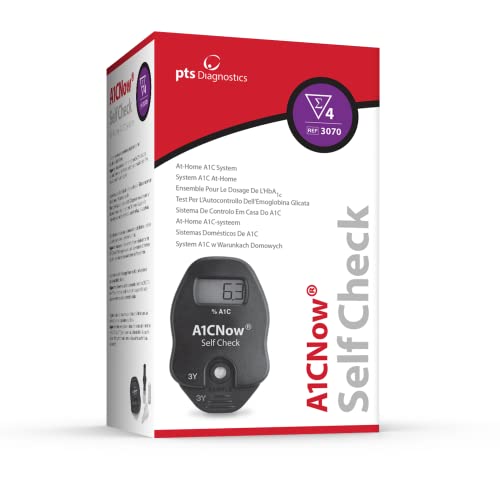
You don't need a lab appointment to check your own metabolic markers — a few at-home kits mail you a collection kit and return physician-reviewed results online within days:
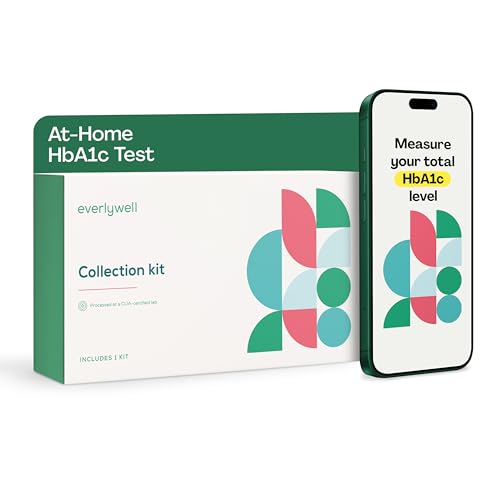
Prefer to order direct? The Everlywell HbA1c Test uses a CLIA-certified lab, physician-reviewed results, and prepaid return shipping.
What to Look For in a Continuous Glucose Monitor (CGM)
Over-the-counter CGMs like Dexcom Stelo and Abbott Lingo now sell without a prescription. Check the wear time (14–15 days per sensor), whether it reads to your phone or needs a separate device, and the monthly cost. For seeing how your own body responds to meals, a month or two is usually enough — you don't need to wear one forever.


What Makes a Good Fiber Supplement
For blood-sugar and cholesterol support you want SOLUBLE fiber — psyllium husk is the best studied. Start with one teaspoon and build up with plenty of water to avoid bloating, and take it 10–15 minutes before carb-heavy meals. Choose an unsweetened, additive-free powder or capsule.


Track your glucose at home
Frequently Asked Questions
What is a normal A1C level?
A normal A1C is below 5.7%. Optimal is below 5.0-5.4%. An A1C of 5.7-6.4% indicates prediabetes, and 6.5% or above indicates diabetes. For people already diagnosed with diabetes, most guidelines target an A1C below 7.0%, though individualization matters — tighter control (below 6.5%) may benefit younger patients without complications, while looser targets may be appropriate for elderly patients or those with hypoglycemia risk.
How to lower A1C quickly?
The fastest A1C improvements come from reducing refined carbohydrates and added sugar, which can lower A1C by 0.5-1.0% in 3 months. Pair this with 150+ minutes/week of moderate exercise and 7-9 hours of quality sleep. A1C reflects a 2-3 month average, so changes take 8-12 weeks to fully register on the test. A realistic expectation is 0.5% reduction per 3-month cycle through lifestyle alone. If prediabetic, this can be enough to reverse the diagnosis.
What is A1C in a blood test?
A1C (hemoglobin A1C or HbA1c) measures the percentage of your hemoglobin — the protein in red blood cells that carries oxygen — that has glucose attached to it. Because red blood cells live about 120 days, A1C provides your average blood sugar level over the past 2-3 months. It's more stable than a single fasting glucose test and doesn't require fasting, making it the preferred screening and monitoring tool for diabetes and prediabetes.
Does A1C require fasting?
No. A1C does not require fasting. It measures glycated hemoglobin, which reflects your average blood sugar over 2-3 months — a single meal won't change the result. You can eat and drink normally before the test. This is one of A1C's major advantages over fasting glucose as a screening tool. However, if your doctor orders A1C alongside a CMP or lipid panel, you may still need to fast for those other tests.
Does berberine lower A1C?
Yes. A 2023 meta-analysis of 12 randomized trials found berberine reduced A1C by approximately 0.45 percentage points on average — comparable to some oral diabetes medications. Berberine activates AMPK (the same enzyme targeted by metformin), which improves insulin sensitivity and reduces hepatic glucose output. A typical protocol is 500 mg 2–3 times daily with meals. Berberine is not FDA-approved as a diabetes treatment, and it can interact with medications; it works best as an adjunct to dietary and lifestyle intervention, not a replacement for medical care.
How long does it take to lower A1C?
A1C reflects your average blood sugar over 2–3 months, so changes in diet and lifestyle take at least 8–12 weeks to show up meaningfully on the test. Realistic timelines by intervention: dietary changes (reducing refined carbs, increasing fiber) — 0.3–1.0% reduction at 3 months; metformin — 1.0–1.5% reduction at 3 months; GLP-1 agonists (semaglutide, tirzepatide) — 1.5–2.5% reduction at 3–6 months. Monitor A1C at 3-month intervals when actively working to lower it. A1C of 5.7% (the prediabetes threshold) is achievable with consistent lifestyle change if you start in the 5.8–6.2% range.
How much does an A1C test cost?
An A1C test typically costs $20 to $50 out of pocket when ordered as a standalone test through a major reference lab like Quest Diagnostics or Labcorp. Many insurance plans cover it at no cost as part of an annual physical or diabetes screening, especially with risk factors like obesity, high blood pressure, or a family history of diabetes. Direct-to-consumer ordering (no doctor visit required) typically falls in the same $20–$50 range plus a small lab-processing fee.
Topic updates
Get the weekly lab marker roundup
Blood test interpretation, optimal ranges, fasting insulin, A1C, thyroid panels, testosterone, cortisol, and nutrient markers.
Want your metabolic health handled by a physician who works from your labs? See how Opt Health does it →
Check Where You Stand
Take our free health assessment to understand your metabolic, hormonal, and recovery risk factors — and get personalized recommendations.
Take the Free Assessment →Free · Takes 5 minutes · Instant results
Related Reading
← Back to Testing & Biomarkers
-
TSH in Blood Work
TSH in blood work: what the test measures, what high or low can mean, and what follow-up testing may be needed.
-
ESR (Sed Rate) Blood Test: What It Measures, What High or Low Results May Mean, and How It Is Used with CRP
ESR (sed rate) blood test: what it measures, what high or low results may mean, and how it is used with CRP.
-
Biological Age Test
Biological age tests compared: epigenetic clocks, blood-biomarker calculators, and fitness proxies.
See more related reading
-
Biological Age Blood Tests That Combine Nine Routine Markers
The routine blood markers used to estimate biological age, which panels they come on, and how blood estimates compare with DNA kits.
-
How to Read Blood Test Results: the Complete Guide to Understanding Your Lab Work
How to read your blood work — a plain-English guide to every common lab value.
-
CBC Blood Test: What a Complete Blood Count Measures and What Your Results Mean
CBC explained: RBC, WBC, hemoglobin, hematocrit, platelets, and differentials.
-
MCHC Blood Test: Meaning, Normal Range, High and Low Results
MCHC explained: hemoglobin concentration in red blood cells, high/low causes, and next labs.
-
MCV Blood Test: High, Low, Normal Range, and Anemia Patterns
MCV explained: red blood cell size, microcytic vs macrocytic anemia patterns.
Affiliate disclosure: The Metabolic Journal is reader-supported. Some links above are affiliate or referral links and we may earn a commission at no extra cost to you. As an Amazon Associate we earn from qualifying purchases. Products are chosen on the merits; commissions never influence what we recommend. This is general information, not medical advice — talk to your clinician before acting.