Insulin Resistance Blood Test: Labs, Costs & Optimal Ranges
Medically reviewed by Medical Advisory Board Last reviewed 2026-07-01
Which tests to order, how to interpret results, and why standard panels miss early insulin resistance
Which blood tests diagnose insulin resistance, including at-home options — optimal ranges for fasting insulin, HOMA-IR, A1c, and TG/HDL.
Fasting glucose and HbA1c are the standard tools for metabolic screening, but they fail to detect insulin resistance in its earliest and most reversible stages. By the time fasting glucose rises above 100 mg/dL or HbA1c crosses 5.7%, the pancreas has already been overproducing insulin for years, and up to 50% of beta-cell function may be lost (UKPDS data). Testing fasting insulin and calculating HOMA-IR can identify insulin resistance 5 to 15 years before these conventional markers become abnormal.
This guide explains every relevant test for detecting and monitoring insulin resistance, including optimal reference ranges, not just "normal" lab ranges, and how to interpret the results in a clinical context.
Partner · Opt Health
Want insulin resistance treated, not just named?
Opt Health tests fasting insulin and HOMA-IR — the markers most panels skip — and treats the resistance itself with a physician-built plan rather than waiting for glucose to drift into the diabetic range.
Read Opt Health on insulin resistance →Essential Insulin Resistance Labs
| Test | What It Measures | Optimal | Concerning | High Risk |
|---|---|---|---|---|
| Fasting Insulin | Pancreatic insulin output at rest | <5 µIU/mL | 5–10 µIU/mL | >10 µIU/mL |
| Fasting Glucose | Blood sugar after 8–12 hr fast | 70–90 mg/dL | 90–99 mg/dL | ≥100 mg/dL |
| HbA1c | 90-day glucose average | <5.4% | 5.4–5.6% | ≥5.7% |
| HOMA-IR | Insulin resistance index | <1.0 | 1.0–2.0 | >2.0 |
| Triglycerides | Blood fat level | <100 mg/dL | 100–149 mg/dL | ≥150 mg/dL |
| HDL Cholesterol | Protective cholesterol | >60 mg/dL | 40–59 mg/dL | <40 mg/dL (M) / <50 (F) |
| TG/HDL Ratio | IR surrogate marker | <1.0 | 1.0–2.5 | >3.0 |
HOMA-IR is calculated as: (fasting insulin × fasting glucose) ÷ 405. It is the most accessible and validated clinical measure of insulin resistance. A value above 2.0 indicates significant IR; above 2.9 is consistent with metabolic syndrome.
Advanced Testing for Deeper Insight
Beyond the essential panel, these tests provide additional metabolic resolution:
- C-peptide: Reflects endogenous insulin production more accurately than serum insulin (insulin has a short half-life and hepatic clearance variation). Elevated C-peptide (>3.0 ng/mL fasting) confirms hyperinsulinemia.
- Oral Glucose Tolerance Test (OGTT) with insulin: 75 g glucose challenge with glucose AND insulin measured at 0, 30, 60, 90, and 120 minutes. The insulin curve shape reveals early-phase insulin secretion defects and insulin resistance patterns invisible on fasting tests alone.
- hs-CRP: High-sensitivity C-reactive protein. Levels above 1.0 mg/L indicate chronic low-grade inflammation, which both drives and results from insulin resistance. The AHA classifies >3.0 mg/L as high cardiovascular risk.
- Uric acid: Elevated uric acid (>6.0 mg/dL) correlates with insulin resistance — insulin impairs renal uric acid excretion. Levels above 7.0 mg/dL double metabolic syndrome risk.
- ALT/AST: Elevated liver enzymes (ALT >30 IU/L for men, >19 IU/L for women per updated guidelines) suggest fatty liver disease — present in the majority of insulin-resistant individuals.
- CGM (Continuous Glucose Monitor): 14-day CGM wear provides thousands of glucose data points, revealing post-meal spike patterns, time-in-range, glycemic variability, and nocturnal glucose patterns that fasting labs miss entirely.
At-Home and Direct-to-Consumer Testing Options
If your doctor won't order fasting insulin or you want to test without a clinic visit, several options exist. Quality and cost vary significantly.
- Direct-to-consumer lab panels (Quest, LabCorp via Ulta Labs, Request A Test): You order fasting insulin + glucose online, visit a local draw site fasted, and calculate HOMA-IR yourself. Cost: $40–$80 for fasting insulin; combined metabolic panel with fasting insulin runs $80–$120. This is the most reliable option for accurate fasting insulin measurement.
- At-home HbA1c kits (Everlywell, LetsGetChecked, myLAB Box): A1c from a finger-stick blood sample mailed to a lab. Typical cost: $50–$80. Accurate for A1c but cannot measure fasting insulin — so useful for glucose surveillance but insufficient for detecting early IR.
- Continuous glucose monitor (CGM — FreeStyle Libre, Dexterity, Veri): A sensor worn on the upper arm or abdomen that measures interstitial glucose every few minutes for 14 days. Does not measure insulin, but reveals postprandial spike patterns, time-in-range, and glycemic variability that proxy for insulin resistance severity. Out-of-pocket cost: $50–$150 per 14-day sensor. Many direct-to-consumer metabolic programs (Levels, January.ai, Veri) offer CGM with app-based analysis. The most actionable tool for dietary experimentation.
- At-home finger-stick glucose meters: Cheap ($20–$30) and useful for spot-checking fasting glucose and post-meal responses, but only provides individual data points rather than continuous tracking. Useful as a supplement to less frequent lab testing.
For a comprehensive baseline, the most cost-effective approach is: a direct-to-consumer fasting insulin + comprehensive metabolic panel ($80–$120) once, then CGM wearing ($50–$150) for 14 days to see real-time dietary response. Together, these give you HOMA-IR, fasting glucose, lipid panel, liver enzymes, and continuous glucose data for under $300 without a physician referral.
How to Prepare for Insulin Resistance Testing
- Fast 10–14 hours: Water only. Fasting insulin and glucose must be tested in a true fasted state — even black coffee can affect insulin levels.
- Morning draw (before 10 AM): Cortisol follows a diurnal rhythm that influences glucose; morning draws provide the most standardized and comparable results.
- Avoid strenuous exercise 24 hours before: Intense exercise acutely improves insulin sensitivity, which can temporarily lower fasting insulin and mask underlying resistance.
- Continue medications: Do not stop prescribed medications for testing unless specifically instructed by your provider. Note all medications on the lab requisition.
- Get adequate sleep: Even one night of poor sleep (4–5 hours) can worsen insulin sensitivity by 25%, skewing results.
- Request the right tests: Many standard metabolic panels do not include fasting insulin. You may need to specifically request fasting insulin and calculate HOMA-IR yourself or ask your provider to order it.
Interpreting Your Results
Pattern 1 — Early insulin resistance: Fasting glucose 75–90, HbA1c 5.0–5.4%, but fasting insulin 8–15 µIU/mL and HOMA-IR 1.5–3.0. This is the earliest detectable stage — glucose looks normal because the pancreas is compensating with excess insulin. This is the ideal time for lifestyle intervention.
Pattern 2 — Progressing IR: Fasting glucose 95–110, HbA1c 5.5–6.0%, fasting insulin 12–25 µIU/mL, HOMA-IR 3–6, triglycerides rising, HDL falling. Pancreatic compensation is beginning to fail. Aggressive lifestyle intervention with possible pharmacotherapy consideration.
Pattern 3 — Advanced IR / Prediabetes: Fasting glucose 100–125, HbA1c 5.7–6.4%, fasting insulin often >20 µIU/mL (though may begin to fall as beta-cells fatigue), HOMA-IR >4, dyslipidemia. High risk of progression to type 2 diabetes within 3–5 years without intervention. Lifestyle intervention plus medical therapy (metformin, GLP-1 agonists) recommended per ADA guidelines.
How Insulin Resistance Is Coded (ICD-10)
For anyone reviewing a lab requisition, insurance claim, or medical chart, insulin resistance is documented under ICD-10 code R73.03 (Prediabetes) in most US clinical settings, since there is no single dedicated code for isolated insulin resistance absent glucose changes — providers typically code the closest applicable diagnosis (prediabetes, or the underlying condition such as obesity or PCOS) to justify ordering fasting insulin and HOMA-IR. This is a documentation detail, not a diagnostic distinction — the coding reflects billing practice, not a different clinical entity.
How to test metabolic markers at home
You don't need a lab appointment to check your own metabolic markers — a few at-home kits mail you a collection kit and return physician-reviewed results online within days:
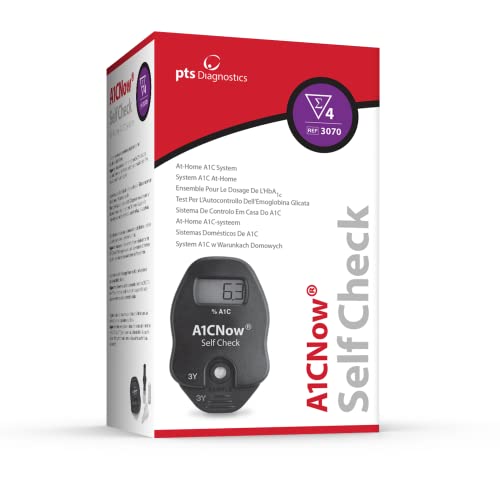
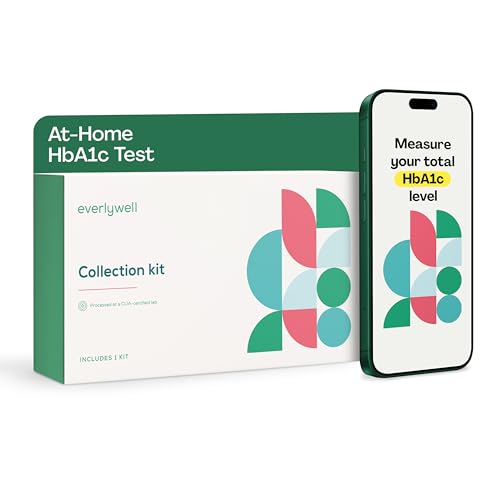
Prefer to order direct? The Everlywell HbA1c Test uses a CLIA-certified lab, physician-reviewed results, and prepaid return shipping.
What to Look For in a Continuous Glucose Monitor (CGM)
Over-the-counter CGMs like Dexcom Stelo and Abbott Lingo now sell without a prescription. Check the wear time (14–15 days per sensor), whether it reads to your phone or needs a separate device, and the monthly cost. For seeing how your own body responds to meals, a month or two is usually enough — you don't need to wear one forever.


What Makes a Good Fiber Supplement
For blood-sugar and cholesterol support you want SOLUBLE fiber — psyllium husk is the best studied. Start with one teaspoon and build up with plenty of water to avoid bloating, and take it 10–15 minutes before carb-heavy meals. Choose an unsweetened, additive-free powder or capsule.


Frequently Asked Questions
Does insurance cover insulin resistance testing?
Fasting glucose, HbA1c, lipid panel, and liver enzymes are covered by virtually all insurance plans as part of routine metabolic screening. Fasting insulin is covered by most plans when ordered with a relevant diagnosis code (e.g., insulin resistance, obesity, PCOS, prediabetes, family history of diabetes). HOMA-IR is calculated from fasting insulin and glucose — no separate test needed. CGM may require prior authorization for non-diabetic use.
How often should insulin resistance labs be repeated?
For initial detection: annually as part of routine screening, or sooner if risk factors are present. Once IR is identified: every 3–6 months during active intervention to track progress. After normalization: every 6–12 months for surveillance. If using a CGM, 14-day wear every 3–6 months provides the most comprehensive ongoing monitoring. HOMA-IR trending over time is more valuable than any single measurement.
Why doesn't my doctor test fasting insulin?
Fasting insulin is not included in standard metabolic panels and is not part of USPSTF screening guidelines for diabetes (which rely on fasting glucose and HbA1c). Many physicians follow guideline-based screening, which was designed to detect diabetes — not early insulin resistance. Functional, preventive, and metabolic medicine practitioners routinely include fasting insulin because it detects the problem 5–15 years earlier. You can request the test specifically from your doctor or order it through direct-to-consumer lab services.
How accurate is insulin resistance testing?
It depends on the test. Fasting insulin and HOMA-IR are reasonably reliable when the fasting protocol is followed correctly (true 10-14 hour fast, morning draw), but a single insulin assay can vary somewhat between labs since there's no fully standardized international reference method the way there is for glucose. C-peptide and an OGTT with insulin add confirmatory accuracy for borderline cases. The bigger accuracy risk in practice isn't the assay itself — it's a non-fasted draw, recent intense exercise, or acute illness, all of which skew fasting insulin. A single mildly abnormal result is worth confirming with a repeat test before assuming it reflects your baseline.
How is this different from a HOMA-IR calculation or an A1c test?
Fasting insulin and fasting glucose, the two labs at the center of this page, are the raw numbers that go into a HOMA-IR calculation. See our HOMA-IR formula walkthrough for the full math, or plug your own numbers into our insulin resistance calculator to skip the arithmetic. HbA1c is a separate, glucose-only test that reflects your average blood sugar over about 90 days rather than your current insulin output, and it misses early insulin resistance the way fasting glucose does, as covered in the Essential Insulin Resistance Labs table above. For a full side-by-side of when each test catches a problem the other misses, see our fasting insulin vs A1c comparison.
Topic updates
Get the weekly lab marker roundup
Blood test interpretation, optimal ranges, fasting insulin, A1C, thyroid panels, testosterone, cortisol, and nutrient markers.
Want insulin resistance handled by a physician who works from your labs? See how Opt Health does it →
Check Where You Stand
Take our free health assessment to understand your metabolic, hormonal, and recovery risk factors — and get personalized recommendations.
Take the Free Assessment →Free · Takes 5 minutes · Instant results
Related Reading
-
What Is Insulin Resistance? Causes, Symptoms & How to Reverse It
What insulin resistance is, how to test for it, and how to reverse it.
-
Metabolic Syndrome vs Insulin Resistance — How the Two Terms Differ
Metabolic syndrome vs insulin resistance: the mechanism-vs-diagnosis distinction, and where PCOS overlaps.
-
Insulin Resistance Symptoms: 12 Warning Signs
12 clinical warning signs, from acanthosis nigricans to post-meal fatigue.
See more related reading
-
How to Reverse Insulin Resistance Naturally
Evidence-based dietary and lifestyle interventions (3-16 week timeline).
-
Insulin Resistance Diet: What to Eat, Foods to Avoid, and a 7-Day Meal Plan
What to eat, foods to avoid, and a 7-day meal plan for insulin resistance.
-
Insulin Resistance Supplements: Evidence-based Rankings for Berberine, Magnesium, and Inositol
Evidence-based rankings: berberine, magnesium, inositol, ALA, and chromium.
-
Insulin Resistance vs Prediabetes: Key Differences and the Progression Timeline
Continuum diagram, diagnostic thresholds, and the reversal window.
-
Exercise for Insulin Resistance: the Evidence-based Workout Plan
GLUT4 mechanism, resistance training protocol, HIIT vs steady-state, yoga.
Affiliate disclosure: The Metabolic Journal is reader-supported. Some links above are affiliate or referral links and we may earn a commission at no extra cost to you. As an Amazon Associate we earn from qualifying purchases. Products are chosen on the merits; commissions never influence what we recommend. This is general information, not medical advice — talk to your clinician before acting.