Sleep & Recovery: Fatigue, Sleep Quality, HRV & Stress Recovery
Medically reviewed by Medical Advisory Board Last reviewed 2026-05-13
The physiological root causes of poor recovery — not just sleep hygiene tips
Chronic fatigue, poor sleep quality, and impaired stress recovery have metabolic and hormonal root causes that sleep hygiene alone cannot fix. Lab testing reveals the underlying dysfunction.
Recovery is the process your body uses to repair, rebuild, and recharge. It includes sleep quality, not just duration, autonomic nervous system balance, as measured by HRV, cortisol rhythm, and cellular repair processes. When recovery systems fail, every other area of health suffers: metabolism slows, hormones become dysregulated, inflammation increases, and cognitive function declines.
Most recovery advice centers on sleep hygiene: a dark room, a cool temperature, and a consistent bedtime. While these tips are important, they don't address the physiological reasons sleep quality may be poor, cortisol dysregulation, thyroid dysfunction, iron deficiency, sleep-disordered breathing, or chronic sympathetic overdrive. Our recovery guide explains how to identify and fix each of these root causes.
Partner · Opt Health
Want help fixing your sleep for real?
Opt Health treats sleep as a measurable system — cortisol rhythm, thyroid, testosterone, inflammation — and works the biology behind bad sleep with a physician, not a sleep-hygiene checklist.
See Opt Health's sleep program →Why Sleep Duration Isn't Enough
You can spend 8 hours in bed and still wake exhausted if sleep architecture is disrupted. Deep sleep (N3) is when growth hormone peaks and tissue repair occurs. REM sleep consolidates memory and emotional processing. Conditions that fragment sleep — sleep apnea, cortisol surges, blood sugar drops, chronic pain — reduce these restorative stages even when total sleep time appears adequate.
HRV: Your Recovery Metric
Heart rate variability (HRV) measures the variation in time between heartbeats, reflecting autonomic nervous system balance. Higher HRV indicates good parasympathetic tone and recovery capacity. Low HRV correlates with chronic stress, overtraining, inflammation, poor sleep, and increased cardiovascular risk. Tracking HRV trends (via wearables like Whoop, Oura, or Apple Watch) provides an objective daily recovery metric.
The Cortisol-Sleep Connection
Cortisol should follow a diurnal rhythm: highest in the morning (cortisol awakening response), declining throughout the day, and lowest at night. Disruptions — elevated nighttime cortisol, flat diurnal curves, or absent morning peaks — directly impair sleep onset, sleep maintenance, and sleep quality. Testing with a 4-point salivary cortisol reveals your specific pattern.
What to Look For in a Sleep & Recovery Tracker
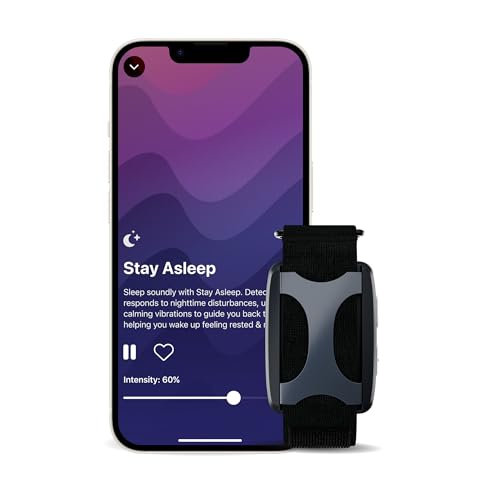
The Oura Ring and Whoop are the most accurate consumer options for sleep stages and HRV; a smartwatch (Apple Watch, Garmin) works too if you'd rather not wear a ring. Prioritize validated HRV and sleep-stage tracking over step counts, check whether it needs a subscription (Whoop does), and pick something comfortable enough to wear every night.

What Makes a Good Magnesium Supplement
Form matters more than dose: magnesium glycinate and citrate absorb well and are gentle on the stomach, while cheap magnesium oxide is poorly absorbed. A typical supplemental dose is 200–400 mg of elemental magnesium (check the label — it's usually lower than the pill weight). Take it in the evening if you're using it for sleep, and pick a third-party-tested brand.


Frequently Asked Questions
Why do I wake up tired after 8 hours of sleep?
Common causes include: sleep apnea (affects ~15-30% of men and 10-15% of women, many undiagnosed), fragmented sleep architecture (normal total time but reduced deep sleep), cortisol dysregulation (elevated nighttime cortisol disrupts restorative sleep stages), iron deficiency (ferritin below 50 impairs sleep quality), and thyroid dysfunction.
What is a good HRV score?
HRV is highly individual — age, fitness, genetics all play roles. Rather than comparing to population averages, track your own baseline and trends. Generally: consistently declining HRV suggests overtraining or chronic stress; HRV well below your personal average on a given day indicates poor recovery. Population medians: ages 20-30 ~50-70ms, ages 30-40 ~40-60ms, ages 40-50 ~30-50ms (rMSSD).
Can cortisol testing really help with sleep problems?
Yes. A 4-point salivary cortisol test reveals whether your cortisol rhythm is normal, elevated at night (making it hard to fall asleep), elevated in the early morning hours (causing 3-4 AM waking), or flat (contributing to morning fatigue). This information directly guides treatment — which differs significantly based on the pattern.
Does sleep affect muscle recovery and athletic performance?
Yes. Growth hormone secretion peaks during deep, slow-wave (N3) sleep, and growth hormone drives the muscle protein synthesis and tissue repair that follows hard training. Sleep restriction also raises cortisol and suppresses the parasympathetic recovery reflected in HRV (see above), both of which slow next-day recovery. This isn't just a mechanistic story — a well-known Stanford study (Mah et al., Sleep, 2011) found that collegiate basketball players who extended their nightly sleep improved sprint times and shooting accuracy compared with their own baseline. The practical takeaway for anyone training hard: prioritize 7-9+ hours, protect deep sleep with consistent timing and a cool dark room, and rule out sleep apnea or other conditions that fragment deep sleep before it can do its repair work.
Topic updates
Get the weekly recovery roundup
Sleep, HRV, fatigue, burnout, cortisol rhythm, sleep apnea, overtraining, and stress physiology.
Want your sleep handled by a physician who works from your labs? See how Opt Health does it →
Check Where You Stand
Take our free health assessment to understand your metabolic, hormonal, and recovery risk factors — and get personalized recommendations.
Take the Free Assessment →Free · Takes 5 minutes · Instant results
Explore This Topic
-
Sleep Apnea, Fatigue, Weight Gain, and Metabolic Risk
Connect sleep apnea to fatigue, weight gain, testing, and treatment options.
-
Chronic Fatigue: Causes Beyond Just Sleep
Causes of persistent fatigue beyond sleep — iron, thyroid, inflammation.
-
Sleep Apnea Symptoms: Signs You're Not Breathing at Night
OSA warning signs: snoring, witnessed apneas, daytime sleepiness.
-
Sleep Apnea in Children
Pediatric sleep apnea symptoms by age, from infant breathing pauses to school-age hyperactivity.
-
Waking Up Tired Every Day? Here's Why
Why 7-8 hours isn't enough when sleep quality is poor.
-
Sleep Inertia: Why You Feel Groggy When You Wake Up
Morning grogginess — circadian, cortisol, and sleep-stage causes.
-
Afternoon Energy Crash: Causes and How to Prevent It
The 2-4 PM slump: blood sugar, cortisol, and circadian factors.
-
Chronic Fatigue Syndrome (ME/CFS): What We Know
ME/CFS: diagnostic criteria, current research, and management.
-
Poor Sleep Quality: Root Causes and Evidence-based Fixes
Root causes and evidence-based fixes beyond sleep hygiene.
-
Low HRV: What It Means and How to Improve It
What low HRV means and how to improve autonomic recovery.
-
Cortisol and Sleep: How Stress Hormones Wreck Your Rest
The cortisol-melatonin axis and 'wired but tired' patterns.
-
How Much Deep Sleep Do You Need? N3 Sleep, Trackers, and Recovery Targets
Deep sleep targets, tracker limits, and how to improve N3 sleep.
-
Is 6 Hours of Sleep Enough? Health Risks, Exceptions, and How to Recover
Why six hours is usually not enough sleep and what to do if it is your current reality.
-
Sleep Apnea Treatment Options Compared
CPAP, oral appliances, positional therapy, surgery — compared.
-
CPAP Alternatives: 7 Sleep Apnea Options Compared for Mask-intolerant Patients
CPAP alternatives ranked: oral appliances, Inspire implant, positional therapy, weight loss, surgery.
-
Sleep Apnea vs Insomnia: How to Tell Two Very Different Sleep Disorders Apart
Sleep apnea vs insomnia: how to tell two very different sleep disorders apart, and what COMISA means.
-
Inspire Sleep Apnea Treatment: How It Works, Cost, and Results
STAR trial results, candidacy criteria, cost, and Medicare coverage.
-
Central Sleep Apnea: Causes, Symptoms, and Treatment Options
CNS vs airway mechanism, ASV vs CPAP, and causes including heart failure.
-
Upper Airway Resistance Syndrome (UARS): Symptoms, Diagnosis, and Treatment
UARS: the missed diagnosis between snoring and sleep apnea.
-
Burnout Recovery: Signs, Stages, and How to Bounce Back
Burnout signs, stages, and evidence-based recovery strategies.
-
Cold Plunge Benefits: What the Research Actually Shows
Cold plunge benefits: the norepinephrine spike, the sick-day trial, and the training-adaptation tradeoff.
-
What Is HRV and Why Does It Matter for Recovery?
HRV science: what it measures and why it matters for recovery.
-
Sleep Recovery Score
Assess sleep quality using elements from PSQI and Epworth scales.
-
Energy Optimization Assessment
Evaluate energy across metabolic, hormonal, and recovery domains.
-
Why Am I So Tired All the Time?
The metabolic, hormonal, and recovery causes of chronic tiredness.
-
Resting Heart Rate by Age: Normal Bpm Chart and What High or Low Means
Resting heart rate by age: normal bpm chart, fitness levels, and what high or low means.
-
High Resting Heart Rate: Common Causes and When It's a Red Flag
High resting heart rate causes, red-flag symptoms, and when to see a doctor.
-
Chronic Fatigue Syndrome Va Disability Rating
How the VA rates ME/CFS disability claims — presumptive conditions and evidence needed.
-
Chronic Fatigue Syndrome Specialty Clinics
How ME/CFS specialty clinics and research centers work, and how referrals happen.
-
Is Chronic Fatigue Syndrome A Disability
Is ME/CFS a disability? SSDI, ADA, UK PIP, and ICD-10 coding explained.
-
Chronic Fatigue vs Fibromyalgia vs Narcolepsy
ME/CFS vs fibromyalgia vs narcolepsy vs depression — a differential-diagnosis comparison.
-
Sleep & Recovery Guide
The sleep and recovery program — fatigue, HRV, and stress-recovery curriculum.
-
Sleep Apnea Treatment in Children: Why Pediatric OSA Is Treated Differently Than in Adults
Sleep apnea treatment in children: why pediatric OSA is treated differently than in adults.
-
Sleep Apnea VA Disability: How Claims Generally Work for Veterans
How sleep apnea VA disability claims generally work for veterans — education only, not legal advice.
-
Sleep Apnea Nexus Letter: What the Medical Opinion Has to Contain
Sleep apnea nexus letter: what the medical opinion has to contain, who can write it, and the secondary-connection routes.
-
VO2 Max on Your Watch: What It Means for Metabolic Health and How Accurate Each Brand Is
VO2 max on your watch: what it means for metabolic fitness and how accurate Apple, Garmin, and Whoop estimates are.
-
Oura Ring vs Whoop: HRV, Sleep, Recovery, and Cost Compared for Metabolic Health
Oura Ring vs Whoop: HRV accuracy, sleep tracking, recovery scores, and cost compared.
-
Oura Ring 5 vs Oura Ring 4: What Changed, and Is the Upgrade Worth It
Oura Ring 5 vs Oura Ring 4: size, battery, sensors, price, and whether the upgrade is worth it.
-
Whoop vs Apple Watch: Recovery Band vs Smartwatch for HRV, VO2 Max, and Cost
Whoop vs Apple Watch: dedicated recovery band vs all-purpose smartwatch for HRV and VO2 max.
-
Oura Ring vs Apple Watch: Smart Ring vs Smartwatch for Sleep, HRV, and Metabolic Tracking
Oura Ring vs Apple Watch: smart ring vs smartwatch for sleep, HRV, and readiness.
-
Whoop vs Garmin: Subscription Recovery Band vs GPS Watch for VO2 Max and Training
Whoop vs Garmin: subscription recovery band vs GPS multisport watch for VO2 max and training load.
-
Garmin vs Apple Watch: GPS Training Computer vs All-day Smartwatch for Metabolic Fitness
Garmin vs Apple Watch: GPS training computer vs all-day smartwatch for metabolic fitness.
-
Garmin vs Oura Ring: GPS Training Watch vs Sleep/readiness Ring for Metabolic Fitness
Garmin vs Oura Ring: GPS training watch vs sleep/readiness ring for metabolic fitness.
-
Fitbit vs Garmin: Budget Activity Tracker vs GPS Training Computer
Fitbit vs Garmin: budget activity tracker vs GPS training computer.
-
Fitbit vs Oura Ring: Budget Wrist Tracker vs Purpose-built Sleep and Readiness Ring
Fitbit vs Oura Ring: budget wrist tracker vs purpose-built sleep and readiness ring.
-
Oura Ring Alternatives: 5 Smart Rings and Wearables Compared, Including No-subscription Picks
Oura Ring alternatives: Ultrahuman, Samsung Galaxy Ring, RingConn, and more, including no-subscription picks.
-
Whoop Alternatives: 5 Recovery Wearables Compared, Including No-subscription Options
Whoop alternatives: Oura, Apple Watch, Garmin, and Fitbit compared, with no-subscription options.
-
Apple Watch Alternatives: 5 Best Health Trackers Compared, Including Android Picks
Apple Watch alternatives: Garmin, Samsung, Fitbit, Oura, and Whoop for health tracking, including Android.
-
Oura Ring Cost: Hardware, Membership, Total Cost of Ownership, and Is It Worth It
Oura Ring cost: hardware finishes, membership, total cost of ownership, and an honest worth-it verdict.
-
Whoop Cost: Membership Tiers, Total Cost of Ownership, and Is It Worth It
Whoop cost: membership tiers, total cost of ownership vs one-time-purchase rivals, and is it worth it.
-
Garmin Cirqa vs Whoop: $199.99 No-subscription Recovery Band vs Whoop's Yearly Membership Compared
Garmin Cirqa vs Whoop: $199.99 no-subscription screenless band vs Whoop's yearly membership on HRV, sleep, and recovery scoring.
-
Fitbit Air vs Whoop: Google's $99.99 Screenless Tracker vs Whoop's Yearly Membership Compared
Fitbit Air vs Whoop: Google's $99.99 no-screen tracker vs Whoop's yearly membership on readiness scoring and cost.
-
Magnesium for Sleep
Magnesium for sleep: which form works, dosing, timing, and what the evidence shows.
-
Magnesium Glycinate vs Citrate
Magnesium glycinate vs citrate: absorption, best use cases, GI tolerance, and dosing.
-
Magnesium Threonate Benefits
Magnesium L-threonate benefits: the cognition claims vs the actual human evidence.
-
Magnesium for Leg Cramps
Magnesium for leg cramps: what the evidence shows, other causes, and when to see a doctor.
-
Magnesium Deficiency
Signs of magnesium deficiency, who is at risk, and why serum tests miss it.
-
Sleepy Girl Mocktail
The sleepy girl mocktail: the tart-cherry + magnesium recipe, what works, and who should skip it.
-
Humic Fulvic Minerals Benefits
Humic and fulvic minerals: what the soil-chemistry evidence supports, and the sourcing/purity check before you buy.
-
Structured Water Explained
Structured water: the real EZ-water biophysics research vs. what commercial devices actually claim.
-
Copper Toxicity
Copper toxicity symptoms, causes, and the opposite condition: zinc-induced copper deficiency.
-
Red Light Therapy vs Infrared Sauna
Red light therapy vs infrared sauna: mechanism, typical use, and what the evidence actually supports for each.
-
What Are Electrolytes
What electrolytes are, what each one does, food sources, and when plain water isn't enough to replace them.
Affiliate disclosure: The Metabolic Journal is reader-supported. Some links above are affiliate or referral links and we may earn a commission at no extra cost to you. As an Amazon Associate we earn from qualifying purchases. Products are chosen on the merits; commissions never influence what we recommend. This is general information, not medical advice — talk to your clinician before acting.