Waking Up Tired: 8 Medical Reasons You're Not Refreshed
Medically reviewed by Medical Advisory Board Last reviewed 2026-05-13
When 8 hours of sleep still leaves you exhausted
Waking up unrefreshed despite adequate sleep duration is one of the most common health complaints. The causes are often medical — not behavioral — and include sleep apnea, cortisol dysfunction, iron deficiency, and disrupted sleep architecture.
If you consistently wake up feeling just as tired as when you went to bed, even after 7 to 9 hours in bed, something is disrupting the quality of your sleep at a physiological level. Sleep hygiene tips, such as keeping your room dark and cool and avoiding screens, are necessary, but they're not enough when the root cause is medical.
Sleep quality depends on completing 4–6 full sleep cycles of roughly 90 minutes each, with adequate proportions of deep sleep (N3) and REM. Anything that fragments these cycles — apneas, cortisol surges, blood sugar drops, pain, or periodic limb movements — produces unrefreshing sleep regardless of total time in bed. If the heaviest grogginess hits in the first hour after waking, that overlaps with sleep inertia rather than daytime fatigue.
Partner · Opt Health
Want help fixing your sleep for real?
Opt Health treats sleep as a measurable system — cortisol rhythm, thyroid, testosterone, inflammation — and works the biology behind bad sleep with a physician, not a sleep-hygiene checklist.
See Opt Health's sleep program →8 Medical Causes of Unrefreshing Sleep
- Sleep apnea or UARS — The most underdiagnosed cause. Even mild OSA (AHI 5–15) reduces deep sleep by 20–40%. Up to 80% of cases are undiagnosed.
- Cortisol dysregulation — Elevated overnight cortisol (from chronic stress) prevents transition into deep sleep stages. A 4-point salivary cortisol test identifies the pattern.
- Iron deficiency — Ferritin below 50 ng/mL impairs restless leg symptoms and sleep architecture, even when hemoglobin is normal. Especially common in women.
- Thyroid dysfunction — Both hypothyroidism (reduced deep sleep) and hyperthyroidism (increased arousal) disrupt sleep quality.
- Blood sugar instability — Nocturnal hypoglycemia triggers cortisol and adrenaline release, causing awakenings between 2–4 AM.
- Magnesium deficiency — Magnesium activates GABA receptors and regulates melatonin. An estimated 50% of Americans are deficient.
- Chronic inflammation — Elevated hs-CRP and pro-inflammatory cytokines (IL-6, TNF-α) directly disrupt sleep architecture and increase daytime fatigue.
- Perimenopause / low testosterone — Hormonal shifts disrupt thermoregulation and sleep-stage transitions, causing fragmented sleep.
How to Investigate Unrefreshing Sleep
Step 1 — Wearable data: Use a wearable (Oura, Whoop, Apple Watch) to assess sleep stages. Consistently low deep sleep (<45 minutes) or REM (<90 minutes) suggests disrupted architecture.
Step 2 — Lab work: TSH, free T3/T4, ferritin, fasting insulin, vitamin D, RBC magnesium, hs-CRP, AM cortisol, and sex hormones.
Step 3 — Sleep study: If wearable data shows frequent awakenings or low blood oxygen, pursue a polysomnography to evaluate for sleep apnea, UARS, and periodic limb movement disorder.
What to Look For in a Sleep & Recovery Tracker
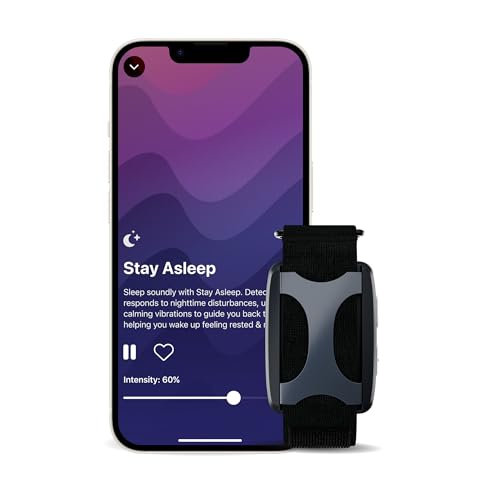
The Oura Ring and Whoop are the most accurate consumer options for sleep stages and HRV; a smartwatch (Apple Watch, Garmin) works too if you'd rather not wear a ring. Prioritize validated HRV and sleep-stage tracking over step counts, check whether it needs a subscription (Whoop does), and pick something comfortable enough to wear every night.

What Makes a Good Magnesium Supplement
Form matters more than dose: magnesium glycinate and citrate absorb well and are gentle on the stomach, while cheap magnesium oxide is poorly absorbed. A typical supplemental dose is 200–400 mg of elemental magnesium (check the label — it's usually lower than the pill weight). Take it in the evening if you're using it for sleep, and pick a third-party-tested brand.


Frequently Asked Questions
Why do I wake up tired after 8 hours of sleep?
The most common medical causes are undiagnosed sleep apnea (affects 15–30% of adults), cortisol rhythm disruption (elevated nighttime cortisol prevents deep sleep), low ferritin (below 50 ng/mL even when hemoglobin is normal), and thyroid dysfunction. These conditions produce fragmented sleep architecture — you're spending 8 hours in bed but not getting restorative deep sleep and REM.
What supplements help with waking up tired?
Magnesium glycinate (300–400 mg before bed) supports GABA and melatonin. Iron supplementation if ferritin is below 50 ng/mL. Vitamin D if below 50 ng/mL. However, supplements treat deficiencies — they don't fix sleep apnea or cortisol dysregulation. Test first, supplement second.
When should I see a doctor about waking up tired?
If unrefreshing sleep persists for more than 4 weeks despite good sleep hygiene, or if accompanied by loud snoring, witnessed breathing pauses, morning headaches, or excessive daytime sleepiness, seek medical evaluation. A sleep study and comprehensive lab panel are warranted.
Topic updates
Get the weekly recovery roundup
Sleep, HRV, fatigue, burnout, cortisol rhythm, sleep apnea, overtraining, and stress physiology.
Want your sleep handled by a physician who works from your labs? See how Opt Health does it →
Check Where You Stand
Take our free health assessment to understand your metabolic, hormonal, and recovery risk factors — and get personalized recommendations.
Take the Free Assessment →Free · Takes 5 minutes · Instant results
Related Reading
-
Why Am I So Tired All the Time?
The metabolic, hormonal, and recovery causes of chronic tiredness.
Affiliate disclosure: The Metabolic Journal is reader-supported. Some links above are affiliate or referral links and we may earn a commission at no extra cost to you. As an Amazon Associate we earn from qualifying purchases. Products are chosen on the merits; commissions never influence what we recommend. This is general information, not medical advice — talk to your clinician before acting.