Chronic Fatigue Syndrome (ME/CFS): Symptoms & Care
Medically reviewed by Medical Advisory Board Last reviewed 2026-07-01
Understanding myalgic encephalomyelitis — the disease beyond 'being tired'
Myalgic encephalomyelitis/chronic fatigue syndrome (ME/CFS) affects 836,000–2.5 million Americans. It is a complex, multi-system disease characterized by post-exertional malaise, unrefreshing sleep, and cognitive dysfunction — not simply being tired.
ME/CFS is a serious, chronic, and complex disease that substantially limits patients' ability to carry out normal life activities. Its hallmark feature, post-exertional malaise (PEM), sets it apart from ordinary fatigue: symptoms worsen 12 to 72 hours after previously tolerated physical or cognitive exertion, and recovery can take days to weeks.
In 2015, the Institute of Medicine (now the National Academy of Medicine) concluded that ME/CFS is a legitimate medical illness, not a psychological condition. Research points to several contributing mechanisms: immune dysregulation, mitochondrial dysfunction, autonomic nervous system impairment, and neuroinflammation.
Partner · Opt Health
Tired of being told your labs are “normal”?
Opt Health's energy workup goes past the standard panel — thyroid antibodies, free T3, ferritin, B12, testosterone, cortisol, inflammation — and a physician walks you through what's actually driving the fatigue.
See Opt Health's energy program →Although ME/CFS affects up to 2.5 million Americans, an estimated 84 to 91% of patients remain undiagnosed. On average, diagnosis takes 2 to 7 years, and many patients see 4+ specialists before receiving one.
Diagnostic Criteria (IOM 2015)
Diagnosis requires all three of the following:
- Substantial reduction in activity lasting >6 months, accompanied by fatigue that is not the result of excessive exertion and is not substantially alleviated by rest
- Post-exertional malaise (PEM) — worsening of symptoms following physical, cognitive, or emotional exertion
- Unrefreshing sleep — feeling unrestored despite adequate sleep duration
Plus at least one of: cognitive impairment (brain fog, difficulty with memory, concentration, or word-finding) OR orthostatic intolerance (symptoms worsen with upright posture and improve when lying down).
Key Differences from Ordinary Fatigue
| Feature | Ordinary Fatigue | ME/CFS |
|---|---|---|
| Response to rest | Improves with rest | Not substantially relieved by rest |
| Response to exercise | Energizing | Causes PEM (crash 12–72 hrs later) |
| Duration | Resolves with lifestyle changes | >6 months, often years |
| Severity | Mild–moderate | 25% are housebound or bedbound |
| Cognitive impact | Mild brain fog | Significant impairment in processing speed, working memory |
Management Strategies
Activity pacing: The cornerstone of ME/CFS management. Stay within your 'energy envelope' to avoid PEM triggers. Heart rate monitoring (staying below anaerobic threshold, typically ~55% of age-predicted max) helps define safe activity limits.
Sleep optimization: Low-dose trazodone (25–50 mg), melatonin (0.5–3 mg), or suvorexant may improve sleep quality. Treat comorbid sleep apnea aggressively.
Orthostatic intolerance: Increase sodium (2–3g/day), compression garments, fludrocortisone or midodrine for POTS when present.
Immune modulation: Low-dose naltrexone (LDN, 1.5–4.5 mg) has shown promising results in reducing neuroinflammation and improving function in small studies (Immunology Research, 2019).
Mitochondrial support: CoQ10 (200–400 mg), D-ribose (5g 3x/day), NADH (10–20 mg), and B-complex vitamins support energy production at the cellular level.
Post-Viral Chronic Fatigue: Long COVID, Post-Mono, and EBV
A substantial and growing share of ME/CFS-like presentations begin with a clear viral trigger, and post-viral fatigue has become one of the most well-documented onset patterns in current research. The pattern isn't new — post-infectious fatigue following mononucleosis (Epstein-Barr virus) has been recognized for decades, and earlier outbreaks of SARS and other coronaviruses were followed by clusters of patients meeting ME/CFS criteria. What changed is scale: the COVID-19 pandemic produced an unprecedented number of people developing persistent post-viral fatigue, bringing far more research attention to the post-infectious pathway than existed previously.
Long COVID and classic ME/CFS overlap substantially in presentation. Studies following Long COVID patients have found that a meaningful subset meet full diagnostic criteria for ME/CFS, including post-exertional malaise, unrefreshing sleep, and cognitive dysfunction indistinguishable from patients whose illness began without any identified viral trigger. The same is true of post-mononucleosis fatigue: a portion of patients who don't recover from acute EBV infection within the expected weeks go on to develop a chronic, PEM-driven illness meeting ME/CFS criteria rather than simply lingering tiredness.
If you developed persistent, PEM-type fatigue following a documented infection — COVID-19, mono, or another significant viral illness — that history is a meaningful diagnostic clue, not a coincidence to dismiss. Not everyone with ME/CFS has an identifiable viral onset, but for those who do, post-viral fatigue is now understood as a primary pathway into the same disease process rather than a separate, milder condition.
Overlapping Conditions
ME/CFS rarely occurs in isolation. Several conditions co-occur with it far more often than chance would predict, and recognizing this overlap matters both for diagnosis and for treatment planning, since managing a comorbidity can meaningfully improve overall function.
- Fibromyalgia: The overlap between ME/CFS and fibromyalgia is substantial, with a large proportion of patients meeting criteria for both. The two conditions share core features — unrefreshing sleep, cognitive dysfunction, and diffuse pain sensitivity — to the point that some researchers consider them to sit on a shared spectrum of central sensitization and dysautonomia rather than being fully distinct diseases.
- Ehlers-Danlos syndrome and joint hypermobility: Hypermobile Ehlers-Danlos syndrome (hEDS) and generalized joint hypermobility are seen at notably higher rates in ME/CFS populations than in the general population. The proposed connective-tissue link also helps explain the frequent co-occurrence of orthostatic intolerance and POTS in this group.
- Autoimmune conditions: Autoimmune diseases, including lupus and Hashimoto's thyroiditis, appear more frequently in ME/CFS patients and their families than expected, supporting the immune dysregulation hypothesis discussed in the diagnostic criteria above. This doesn't mean ME/CFS is itself an autoimmune disease in the classical sense, but autoimmune screening is a standard part of the exclusion workup before an ME/CFS diagnosis is confirmed.
- Mast cell activation syndrome (MCAS) and POTS: Both are frequently reported alongside ME/CFS and can independently worsen fatigue, so they're worth screening for specifically rather than assuming all symptoms trace back to a single diagnosis.
Because these conditions overlap so heavily, a comprehensive workup for suspected ME/CFS should screen broadly rather than stop once one diagnosis is confirmed.
What to Look For in a Sleep & Recovery Tracker
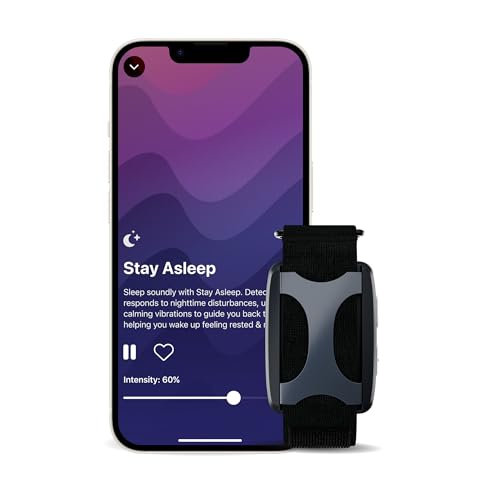
The Oura Ring and Whoop are the most accurate consumer options for sleep stages and HRV; a smartwatch (Apple Watch, Garmin) works too if you'd rather not wear a ring. Prioritize validated HRV and sleep-stage tracking over step counts, check whether it needs a subscription (Whoop does), and pick something comfortable enough to wear every night.

What Makes a Good Magnesium Supplement
Form matters more than dose: magnesium glycinate and citrate absorb well and are gentle on the stomach, while cheap magnesium oxide is poorly absorbed. A typical supplemental dose is 200–400 mg of elemental magnesium (check the label — it's usually lower than the pill weight). Take it in the evening if you're using it for sleep, and pick a third-party-tested brand.


Frequently Asked Questions
How is ME/CFS different from just being tired all the time?
The defining feature is post-exertional malaise (PEM): ME/CFS patients experience a disproportionate worsening of all symptoms 12–72 hours after exertion. Exercise that a healthy person handles easily can leave an ME/CFS patient bedbound for days. Additionally, the fatigue is not substantially alleviated by rest — unlike normal tiredness.
Is there a test for ME/CFS?
There is no single diagnostic test. Diagnosis is clinical, based on the IOM 2015 criteria after excluding other conditions through comprehensive lab testing. A thorough exclusion workup includes thyroid panel, CBC, CMP, cortisol, iron studies, inflammatory markers, and autoimmune screen. Research into biomarkers (Ron Davis/Stanford, CDC multi-site study) is ongoing.
Can you recover from ME/CFS?
Full recovery occurs in an estimated 5–10% of patients. However, many patients achieve significant functional improvement with proper pacing, sleep optimization, treatment of comorbidities (POTS, mast cell activation), and supportive therapies. Early diagnosis and aggressive pacing appear to correlate with better outcomes.
How is ME/CFS different from fibromyalgia or narcolepsy?
See our full ME/CFS vs fibromyalgia vs narcolepsy vs depression comparison for the distinguishing features of each and how they're differentiated in a workup.
Where can I find an ME/CFS specialist, and does the VA cover it?
See our guides on ME/CFS specialty clinics for how referrals typically work, and ME/CFS and VA disability for veterans-specific claims information.
Topic updates
Get the weekly recovery roundup
Sleep, HRV, fatigue, burnout, cortisol rhythm, sleep apnea, overtraining, and stress physiology.
Want your energy handled by a physician who works from your labs? See how Opt Health does it →
Check Where You Stand
Take our free health assessment to understand your metabolic, hormonal, and recovery risk factors — and get personalized recommendations.
Take the Free Assessment →Free · Takes 5 minutes · Instant results
Related Reading
-
Chronic Fatigue Syndrome Va Disability Rating
How the VA rates ME/CFS disability claims — presumptive conditions and evidence needed.
-
Chronic Fatigue Syndrome Specialty Clinics
How ME/CFS specialty clinics and research centers work, and how referrals happen.
-
Is Chronic Fatigue Syndrome A Disability
Is ME/CFS a disability? SSDI, ADA, UK PIP, and ICD-10 coding explained.
See more related reading
-
Chronic Fatigue: Causes Beyond Just Sleep
Causes of persistent fatigue beyond sleep — iron, thyroid, inflammation.
-
Chronic Fatigue vs Fibromyalgia vs Narcolepsy
ME/CFS vs fibromyalgia vs narcolepsy vs depression — a differential-diagnosis comparison.
Affiliate disclosure: The Metabolic Journal is reader-supported. Some links above are affiliate or referral links and we may earn a commission at no extra cost to you. As an Amazon Associate we earn from qualifying purchases. Products are chosen on the merits; commissions never influence what we recommend. This is general information, not medical advice — talk to your clinician before acting.