How to Fix Poor Sleep Quality: A Lab-Based Approach
Medically reviewed by Medical Advisory Board Last reviewed 2026-08-12
Beyond sleep hygiene — finding and fixing the root cause of bad sleep
Poor sleep quality affects 35% of US adults according to the CDC. While sleep hygiene matters, persistent poor sleep usually has a medical root cause — cortisol dysregulation, nutrient deficiencies, sleep-disordered breathing, or hormonal imbalance — that requires testing to identify.
If you've optimized your sleep environment (dark, cool, quiet), maintain a consistent schedule, and avoid screens before bed — yet still sleep poorly — the problem is physiological, not behavioral. Poor sleep quality means reduced time in deep sleep (N3) and REM, frequent awakenings, long sleep latency, or waking unrefreshed. Prolonged morning grogginess that lingers well past waking is its own signal — see why morning grogginess happens.
According to the CDC, 35.2% of US adults get fewer than 7 hours of sleep. Even among those who get adequate sleep duration, a significant portion report unrefreshing sleep. A 2020 study published in Sleep Medicine Reviews found that, when properly investigated, most persistent sleep quality issues have identifiable medical causes.
Partner · Opt Health
Want help fixing your sleep for real?
Opt Health treats sleep as a measurable system — cortisol rhythm, thyroid, testosterone, inflammation — and works the biology behind bad sleep with a physician, not a sleep-hygiene checklist.
See Opt Health's sleep program →Step 1: Assess Sleep Architecture
Use a wearable device (Oura Ring, WHOOP, Apple Watch) to track sleep stages for 2–4 weeks. Key metrics to evaluate:
- Deep sleep: Aim for 60–90 minutes (13–23% of total). Consistently below 45 minutes warrants investigation.
- REM sleep: Aim for 90–120 minutes (20–25% of total). Low REM suggests alcohol use, medication effects, or stress.
- Sleep efficiency: Time asleep ÷ time in bed × 100. Below 85% indicates significant fragmentation.
- Wake after sleep onset (WASO): More than 20–30 minutes of wakefulness during the night is abnormal.
Step 2: Run the Sleep Quality Lab Panel
| Test | Connection to Sleep Quality | Optimal |
|---|---|---|
| Ferritin | Low ferritin → restless legs, reduced deep sleep | 50–150 ng/mL |
| RBC Magnesium | GABA activation, melatonin production | 5.0–6.5 mg/dL |
| Vitamin D | Deficiency linked to fragmented sleep | 50–80 ng/mL |
| TSH + Free T3 | Thyroid dysfunction disrupts sleep stages | TSH 0.5–2.0 |
| AM Cortisol | Dysregulated cortisol → nighttime arousal | 10–18 μg/dL |
| Fasting insulin | Insulin resistance → nocturnal hypoglycemia | <7 μIU/mL |
| Estradiol / Testosterone | Hormonal shifts disrupt thermoregulation | Age-appropriate |
Step 3: Targeted Interventions
For low deep sleep: Magnesium glycinate 300–400 mg before bed, resistance exercise 4–6 hours before sleep (increases growth hormone–linked deep sleep by 20–30%), cool bedroom (65–67°F).
For frequent awakenings: Evaluate for sleep apnea/UARS, test cortisol curve, check blood sugar stability (a snack with protein and fat before bed can prevent nocturnal hypoglycemia).
For long sleep latency: Magnesium L-threonate or glycinate, glycine (3g before bed — a 2015 Sleep and Biological Rhythms study showed it reduces time to fall asleep), and address evening cortisol if elevated.
For low REM: Reduce or eliminate alcohol (even 1–2 drinks reduces REM by 20–40%), review medications (antihistamines, SSRIs, and cannabis all suppress REM), and address stress/anxiety.
Poor Sleep Quality and Your Hormones
Sleep quality and reproductive hormones move together in both directions. During perimenopause and menopause, falling and fluctuating estrogen directly disrupts sleep architecture (reducing deep sleep and increasing night waking), and the hot flashes and night sweats that come with declining estrogen fragment sleep further — see menopause and sleep for the full mechanism. In the days before a period, the sharp drop in progesterone (which has a mild sedating, GABA-supporting effect at higher levels) is a common driver of the poor sleep many women report during the premenstrual window.
The relationship also runs through metabolism. Poor sleep quality raises ghrelin (the hunger-signaling hormone) and lowers leptin (the satiety hormone), a shift documented across multiple sleep-restriction studies, which is a major reason chronically poor sleep is linked to weight gain independent of diet — the body simply signals more hunger and less fullness the next day. Low testosterone, in both men and women, is also bidirectionally linked with poor sleep: most testosterone is produced during sleep, so fragmented sleep suppresses next-day testosterone, and low testosterone itself is associated with worse sleep quality, creating a cycle that the lab panel above (which includes estradiol/testosterone) is designed to catch.
What to Look For in a Sleep & Recovery Tracker
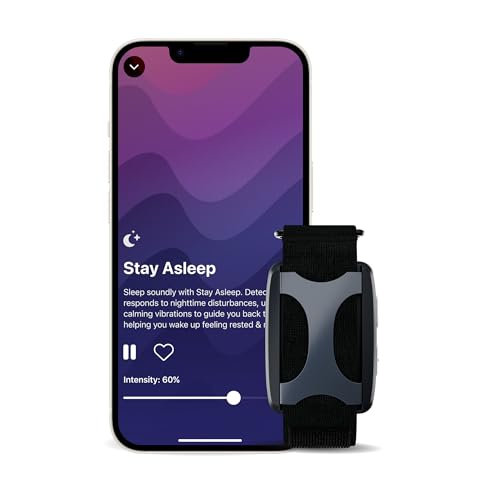
The Oura Ring and Whoop are the most accurate consumer options for sleep stages and HRV; a smartwatch (Apple Watch, Garmin) works too if you'd rather not wear a ring. Prioritize validated HRV and sleep-stage tracking over step counts, check whether it needs a subscription (Whoop does), and pick something comfortable enough to wear every night.

What Makes a Good Magnesium Supplement
Form matters more than dose: magnesium glycinate and citrate absorb well and are gentle on the stomach, while cheap magnesium oxide is poorly absorbed. A typical supplemental dose is 200–400 mg of elemental magnesium (check the label — it's usually lower than the pill weight). Take it in the evening if you're using it for sleep, and pick a third-party-tested brand.


Frequently Asked Questions
How do I know if my sleep quality is bad?
Key indicators: waking up unrefreshed despite 7–9 hours in bed, needing more than 30 minutes to feel alert, relying on caffeine to function, fatigue returning by mid-afternoon, or wearable data showing low deep sleep (<45 min), low REM (<90 min), or sleep efficiency below 85%.
Can supplements fix poor sleep quality?
Supplements address specific deficiencies: magnesium for GABA/melatonin support, iron for restless legs, vitamin D for sleep fragmentation. But they can't fix sleep apnea, cortisol dysregulation, or thyroid dysfunction. Testing identifies which deficiencies are present so supplementation is targeted, not guesswork.
Is poor sleep quality the same as insomnia?
Not exactly. Insomnia is defined as difficulty falling asleep, staying asleep, or waking too early, with daytime impairment. Poor sleep quality can exist even when you fall asleep quickly and stay asleep — if your sleep architecture lacks adequate deep sleep and REM, you'll feel unrefreshed. A sleep study reveals the difference.
Is poor sleep quality the same as poor sleep hygiene?
No, and this page is built around that distinction. Sleep hygiene refers to your habits and environment — a dark, cool room, a consistent bedtime, limiting screens and caffeine before bed. Poor sleep quality is the outcome: unrefreshing sleep, low deep sleep, or frequent waking, whatever the cause. Good sleep hygiene helps, but as this page covers, persistent poor sleep quality despite solid sleep hygiene usually points to an underlying physiological cause (hormonal, nutritional, or a sleep-disordered-breathing issue) that habits alone can't fix.
Topic updates
Get the weekly recovery roundup
Sleep, HRV, fatigue, burnout, cortisol rhythm, sleep apnea, overtraining, and stress physiology.
Want your sleep handled by a physician who works from your labs? See how Opt Health does it →
Check Where You Stand
Take our free health assessment to understand your metabolic, hormonal, and recovery risk factors — and get personalized recommendations.
Take the Free Assessment →Free · Takes 5 minutes · Instant results
Related Guides
-
Cortisol and Sleep: How Stress Hormones Wreck Your Rest
The cortisol-melatonin axis and 'wired but tired' patterns.
-
How Much Deep Sleep Do You Need? N3 Sleep, Trackers, and Recovery Targets
Deep sleep targets, tracker limits, and how to improve N3 sleep.
-
Is 6 Hours of Sleep Enough? Health Risks, Exceptions, and How to Recover
Why six hours is usually not enough sleep and what to do if it is your current reality.
See more related guides
-
Inspire Sleep Apnea Treatment: How It Works, Cost, and Results
STAR trial results, candidacy criteria, cost, and Medicare coverage.
-
Central Sleep Apnea: Causes, Symptoms, and Treatment Options
CNS vs airway mechanism, ASV vs CPAP, and causes including heart failure.
-
Sleep Apnea Treatment in Children: Why Pediatric OSA Is Treated Differently Than in Adults
Sleep apnea treatment in children: why pediatric OSA is treated differently than in adults.
-
Sleep Apnea VA Disability: How Claims Generally Work for Veterans
How sleep apnea VA disability claims generally work for veterans — education only, not legal advice.
-
Sleep Apnea Nexus Letter: What the Medical Opinion Has to Contain
Sleep apnea nexus letter: what the medical opinion has to contain, who can write it, and the secondary-connection routes.
Affiliate disclosure: The Metabolic Journal is reader-supported. Some links above are affiliate or referral links and we may earn a commission at no extra cost to you. As an Amazon Associate we earn from qualifying purchases. Products are chosen on the merits; commissions never influence what we recommend. This is general information, not medical advice — talk to your clinician before acting.