How Much Deep Sleep Do You Need? Stages & Tips
Medically reviewed by Medical Advisory Board Last reviewed 2026-05-19
How N3 slow-wave sleep works, what trackers can and cannot tell you, and how to improve recovery quality
How much deep sleep do you need? Most adults should focus first on 7 or more hours of total sleep, then use deep sleep as a trend. Deep sleep supports physical repair, immune function, memory, and metabolic regulation.
How much deep sleep do you need? Most healthy adults spend roughly 15 to 25% of their total sleep in deep sleep. However, the exact amount varies by age, sleep debt, stress, alcohol, sleep apnea risk, and how your device estimates sleep stages.
The CDC says adults should sleep at least 7 hours per night, while the National Institute of Neurological Disorders and Stroke explains that stage 3 non-REM sleep is the deep sleep needed to feel refreshed. In 2024, a CDC/NCHS data brief reported that 30.5% of U.S. adults averaged less than 7 hours of sleep.
Partner · Opt Health
Want help fixing your sleep for real?
Opt Health treats sleep as a measurable system — cortisol rhythm, thyroid, testosterone, inflammation — and works the biology behind bad sleep with a physician, not a sleep-hygiene checklist.
See Opt Health's sleep program →How Much Deep Sleep Do You Need by Age?
| Group | Typical Deep Sleep Pattern | What to Watch |
|---|---|---|
| Teens and young adults | Often more deep sleep because growth and sleep pressure are higher | Late bedtimes, school/work schedules |
| Adults | Often about 1-2 hours when total sleep is adequate | Stress, alcohol, short sleep, sleep apnea |
| Older adults | Usually less deep sleep and more fragmentation | Pain, medications, nocturia, breathing issues |
Do not chase a perfect tracker number. If total sleep is short, deep sleep will often be short too.
Deep Sleep vs REM vs Light Sleep
Deep sleep is N3 slow-wave sleep. It is associated with lower heart rate, slower breathing, growth-hormone pulses, immune activity, and physical restoration. REM sleep supports emotional processing, memory, and dreaming. Light sleep is not wasted; it forms much of the architecture that lets the brain cycle into deep and REM stages.
Trackers estimate stages from movement and heart-rate signals. They are useful for trends, but they are not the same as polysomnography. Treat one bad night as noise; treat a month-long trend as data.
How to Get More Deep Sleep
- Give yourself enough total sleep opportunity, usually 7.5-9 hours in bed.
- Keep a consistent sleep and wake time.
- Avoid alcohol close to bed; it fragments sleep and suppresses REM later in the night.
- Keep the room cool, dark, and quiet.
- Train hard earlier in the day, not right before bed.
- Screen for sleep apnea if you snore, wake unrefreshed, or have high blood pressure.
Related: poor sleep quality, sleep apnea, and HRV.
Conclusion: How Much Deep Sleep Do You Need?
How much deep sleep do you need? Enough to wake restored, recover from training, and maintain stable mood and energy. For most adults, start by protecting total sleep, then use deep sleep as a trend to improve timing, stress load, alcohol exposure, and breathing quality.
Use the sleep score tool to identify your biggest recovery bottleneck.
What to Look For in a Sleep & Recovery Tracker
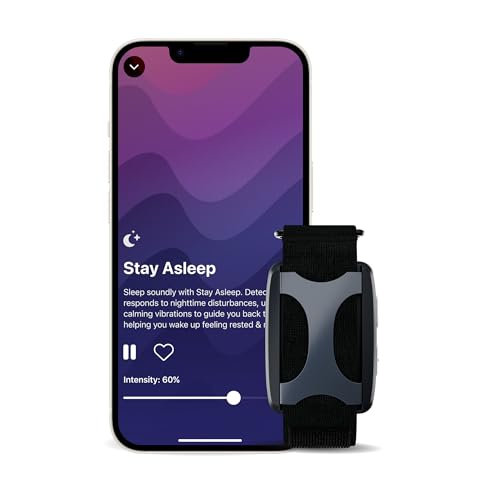
The Oura Ring and Whoop are the most accurate consumer options for sleep stages and HRV; a smartwatch (Apple Watch, Garmin) works too if you'd rather not wear a ring. Prioritize validated HRV and sleep-stage tracking over step counts, check whether it needs a subscription (Whoop does), and pick something comfortable enough to wear every night.

What Makes a Good Magnesium Supplement
Form matters more than dose: magnesium glycinate and citrate absorb well and are gentle on the stomach, while cheap magnesium oxide is poorly absorbed. A typical supplemental dose is 200–400 mg of elemental magnesium (check the label — it's usually lower than the pill weight). Take it in the evening if you're using it for sleep, and pick a third-party-tested brand.


Frequently Asked Questions
Is 30 minutes of deep sleep enough?
Occasionally, yes. As a repeated pattern, 30 minutes may be low for many adults, especially if total sleep is short or you wake unrefreshed. Look at multi-week trends, not a single night.
Can you force more deep sleep?
Not directly. You create the conditions: enough total sleep time, regular timing, lower alcohol, lower late-night stress, good temperature, and treatment of sleep-disordered breathing.
Are sleep trackers accurate for deep sleep?
They are better for trends than exact staging. Consumer wearables estimate sleep stages and can misclassify deep, light, and REM sleep compared with lab polysomnography.
Topic updates
Get the weekly recovery roundup
Sleep, HRV, fatigue, burnout, cortisol rhythm, sleep apnea, overtraining, and stress physiology.
Want your sleep handled by a physician who works from your labs? See how Opt Health does it →
Check Where You Stand
Take our free health assessment to understand your metabolic, hormonal, and recovery risk factors — and get personalized recommendations.
Take the Free Assessment →Free · Takes 5 minutes · Instant results
Related Guides
-
Poor Sleep Quality: Root Causes and Evidence-based Fixes
Root causes and evidence-based fixes beyond sleep hygiene.
-
Cortisol and Sleep: How Stress Hormones Wreck Your Rest
The cortisol-melatonin axis and 'wired but tired' patterns.
-
Is 6 Hours of Sleep Enough? Health Risks, Exceptions, and How to Recover
Why six hours is usually not enough sleep and what to do if it is your current reality.
See more related guides
-
Inspire Sleep Apnea Treatment: How It Works, Cost, and Results
STAR trial results, candidacy criteria, cost, and Medicare coverage.
-
Central Sleep Apnea: Causes, Symptoms, and Treatment Options
CNS vs airway mechanism, ASV vs CPAP, and causes including heart failure.
-
Sleep Apnea Treatment in Children: Why Pediatric OSA Is Treated Differently Than in Adults
Sleep apnea treatment in children: why pediatric OSA is treated differently than in adults.
-
Sleep Apnea VA Disability: How Claims Generally Work for Veterans
How sleep apnea VA disability claims generally work for veterans — education only, not legal advice.
-
Sleep Apnea Nexus Letter: What the Medical Opinion Has to Contain
Sleep apnea nexus letter: what the medical opinion has to contain, who can write it, and the secondary-connection routes.
Affiliate disclosure: The Metabolic Journal is reader-supported. Some links above are affiliate or referral links and we may earn a commission at no extra cost to you. As an Amazon Associate we earn from qualifying purchases. Products are chosen on the merits; commissions never influence what we recommend. This is general information, not medical advice — talk to your clinician before acting.