Afternoon Energy Crash: Why You Hit a Wall at 2 PM
Medically reviewed by Medical Advisory Board Last reviewed 2026-05-13
The metabolic, hormonal, and circadian reasons behind the afternoon slump
The afternoon energy crash between 1–3 PM is partly circadian (a natural dip in alertness), but severe crashes that impair function usually indicate blood sugar instability, poor sleep quality, or cortisol dysregulation.
A mild drop in alertness between 1 to 3 PM is a normal circadian phenomenon. Known as the post-lunch dip, or post-prandial dip, it's hardwired into your 24-hour biological clock and happens whether or not you eat lunch. However, when that dip turns into a crash, overwhelming fatigue, brain fog, sugar cravings, or difficulty keeping your eyes open, it typically signals that metabolic or sleep dysfunction is amplifying the natural rhythm.
A 2022 study published in Nature Metabolism found that the severity of post-lunch energy crashes was strongly correlated with the magnitude of blood glucose spikes and dips at the preceding meal, not with the circadian dip itself. In other words, the afternoon crash is largely modifiable through metabolic interventions.
Partner · Opt Health
Want help fixing your sleep for real?
Opt Health treats sleep as a measurable system — cortisol rhythm, thyroid, testosterone, inflammation — and works the biology behind bad sleep with a physician, not a sleep-hygiene checklist.
See Opt Health's sleep program →Causes of Severe Afternoon Crashes
Blood sugar rollercoaster: A high-glycemic lunch spikes glucose, triggering an insulin overshoot that drops blood sugar below baseline 1–3 hours later. This reactive hypoglycemia is the #1 modifiable cause. CGM studies show blood sugar drops of 30–50 mg/dL from peak to trough in affected individuals.
Poor sleep the previous night: Even one night of reduced sleep (6 hours vs. 8) amplifies the circadian dip by 2–3x. Chronic sleep debt has a cumulative effect on afternoon alertness.
Cortisol pattern: Cortisol naturally declines through the afternoon, but in dysregulated patterns it drops prematurely — reaching evening-level lows by early afternoon rather than gradually declining until 10–11 PM.
Insulin resistance: Impaired cellular glucose uptake means cells are energy-starved despite adequate blood sugar, producing persistent fatigue that worsens in the afternoon when circadian alertness naturally dips.
How to Prevent the Afternoon Crash
- Optimize lunch composition: Protein (30+ grams), healthy fats, and fiber-rich vegetables. Minimize refined carbs. A 2021 BMJ study showed protein-first eating reduces post-meal glucose spikes by 40%.
- Post-lunch walk: 10–15 minutes of walking reduces glucose peaks by 30–50% and increases afternoon alertness (2022 Sports Medicine meta-analysis).
- Strategic light exposure: Bright light (>5,000 lux) in the early afternoon suppresses the circadian dip. Step outside for 10 minutes.
- Sleep optimization: Prioritize 7–9 hours of quality sleep. The afternoon crash is the most sensitive daytime indicator of sleep debt.
- Avoid caffeine after 2 PM: Caffeine's half-life is 5–7 hours. Afternoon coffee delays sleep onset, worsening tomorrow's crash — creating a vicious cycle.
What to Look For in a Sleep & Recovery Tracker
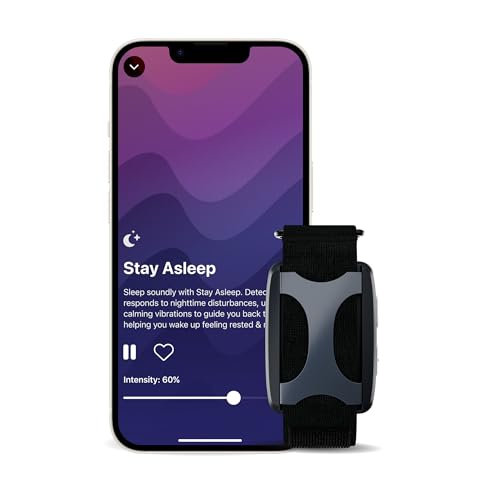
The Oura Ring and Whoop are the most accurate consumer options for sleep stages and HRV; a smartwatch (Apple Watch, Garmin) works too if you'd rather not wear a ring. Prioritize validated HRV and sleep-stage tracking over step counts, check whether it needs a subscription (Whoop does), and pick something comfortable enough to wear every night.

What Makes a Good Magnesium Supplement
Form matters more than dose: magnesium glycinate and citrate absorb well and are gentle on the stomach, while cheap magnesium oxide is poorly absorbed. A typical supplemental dose is 200–400 mg of elemental magnesium (check the label — it's usually lower than the pill weight). Take it in the evening if you're using it for sleep, and pick a third-party-tested brand.


Frequently Asked Questions
Is the afternoon energy crash normal?
A mild dip in alertness between 1–3 PM is a normal circadian feature present even in well-rested, metabolically healthy individuals. However, crashes severe enough to impair concentration, require napping, or trigger sugar cravings are not normal — they indicate blood sugar instability, sleep debt, or cortisol dysregulation amplifying the natural dip.
Why am I so tired after lunch?
The most common reason is a blood sugar crash: a high-carbohydrate lunch spikes glucose, triggering an exaggerated insulin response that drops blood sugar below baseline 1–3 hours later. The fix is straightforward — eat protein and vegetables first, limit refined carbs, and take a short post-meal walk.
Should I nap during the afternoon crash?
A 10–20 minute power nap (no longer) during the natural circadian dip can restore alertness without entering deep sleep. NASA research shows a 26-minute nap improves alertness by 54% and performance by 34%. But if you need a nap daily to function, investigate the root cause — it shouldn't be necessary with optimal sleep and metabolic health.
Topic updates
Get the weekly recovery roundup
Sleep, HRV, fatigue, burnout, cortisol rhythm, sleep apnea, overtraining, and stress physiology.
Want your sleep handled by a physician who works from your labs? See how Opt Health does it →
Check Where You Stand
Take our free health assessment to understand your metabolic, hormonal, and recovery risk factors — and get personalized recommendations.
Take the Free Assessment →Free · Takes 5 minutes · Instant results
Related Reading
-
Energy Optimization Assessment
Evaluate energy across metabolic, hormonal, and recovery domains.
Affiliate disclosure: The Metabolic Journal is reader-supported. Some links above are affiliate or referral links and we may earn a commission at no extra cost to you. As an Amazon Associate we earn from qualifying purchases. Products are chosen on the merits; commissions never influence what we recommend. This is general information, not medical advice — talk to your clinician before acting.