Sleep Apnea Treatments Compared: CPAP vs Surgery
Medically reviewed by Medical Advisory Board Last reviewed 2026-07-21
Evidence-based comparison of OSA treatment options by efficacy and compliance
CPAP is the gold standard for obstructive sleep apnea, but adherence hovers at 50%. Oral appliances, positional therapy, surgery, and emerging options like Inspire offer alternatives — each with trade-offs in efficacy, cost, and compliance.
Effective sleep apnea treatment depends on matching the approach to the severity of the disease, the anatomical cause, and, critically, the patient's ability to stick with therapy long-term. The most effective treatment is the one you use consistently.
While CPAP reduces AHI to near-zero in compliant users, real-world adherence (defined as ≥4 hours/night for ≥70% of nights) ranges from 46–83% depending on the study. A treatment that reduces AHI by 70% but is used every night may deliver better outcomes than one that eliminates apneas but sits in the nightstand drawer.
Partner · Opt Health
Want help fixing your sleep for real?
Opt Health treats sleep as a measurable system — cortisol rhythm, thyroid, testosterone, inflammation — and works the biology behind bad sleep with a physician, not a sleep-hygiene checklist.
See Opt Health's sleep program →Treatment Comparison Table
| Treatment | AHI Reduction | Best For | Compliance | Cost (est.) |
|---|---|---|---|---|
| CPAP | 95–100% | All severities | 50–60% long-term | $500–$1,500 + supplies |
| Oral appliance (MAD) | 50–70% | Mild–moderate OSA | 70–80% | $1,500–$3,000 |
| Positional therapy | 50–60% (if positional) | Supine-predominant OSA | Variable | $50–$300 |
| Weight loss (10%+) | 30–50% | BMI >30 with OSA | Lifestyle dependent | Variable |
| Hypoglossal nerve stimulation (Inspire) | 68–79% | Moderate–severe, CPAP-intolerant | >90% | $30,000–$40,000 |
| UPPP surgery | 40–60% | Anatomical obstruction | N/A (one-time) | $6,000–$10,000 |
| MMA surgery | 85–95% | Severe OSA, craniofacial cause | N/A (one-time) | $40,000–$80,000 |
| Tirzepatide (Zepbound) | 55–63% AHI reduction | OSA + obesity (BMI ≥30); FDA-approved Oct 2024 | High (once-weekly injection) | $550–$650/mo list; $0–$100/mo with insurance |
Tirzepatide (Zepbound) for OSA: In October 2024, the FDA approved tirzepatide (Zepbound) as the first GLP-1/GIP medication specifically indicated for moderate-to-severe obstructive sleep apnea in adults with obesity — based on the SURMOUNT-OSA trial. In SURMOUNT-OSA (Jens Mikkelsen et al., NEJM 2024), participants taking tirzepatide 10–15 mg weekly for 52 weeks achieved a median AHI reduction of 55–63% compared to 6–9% with placebo. Approximately 42% of tirzepatide-treated patients achieved OSA remission (AHI <5 events/hr). Body weight loss averaged 18–20%, which is the primary mechanism — reduced fat deposits around the airway and hypopharynx. Tirzepatide does not directly replace CPAP for severe OSA, but it may allow some patients to step down to oral appliance therapy or improve CPAP adherence by reducing nasal congestion and airway fat burden.
CPAP: The Gold Standard
Continuous positive airway pressure (CPAP) delivers pressurized air through a mask to splint the airway open. It eliminates nearly 100% of apneas and hypopneas when used correctly. Pros: Most effective, works for all severities, adjustable pressure, covered by most insurance. Cons: Mask discomfort, air leaks, nasal congestion, claustrophobia, noise, and the #1 issue — adherence. Auto-titrating (APAP) machines that adjust pressure in real-time have improved comfort over fixed-pressure devices, but for anyone who has already concluded the mask itself is the problem, see our CPAP alternatives roundup for the full menu of non-mask options ranked by severity fit. Note: this comparison focuses on adults — pediatric OSA has a different dominant cause and typically a different first-line treatment; see our guide on sleep apnea treatment in children.
Oral Appliances: The Compliance Winner
Mandibular advancement devices (MADs) reposition the lower jaw forward 6–10mm during sleep, enlarging the airway. While less effective than CPAP at reducing AHI, higher compliance rates (70–80% vs. 50–60%) mean real-world effectiveness is comparable for mild-to-moderate OSA. A 2015 JAMA study found equivalent cardiovascular outcomes between CPAP and oral appliances in mild-to-moderate OSA. Custom devices from a dental sleep medicine specialist significantly outperform over-the-counter options.
Surgical Options
Uvulopalatopharyngoplasty (UPPP): Removes excess tissue from the soft palate, uvula, and pharynx. Success rates of 40–60% AHI reduction. Significant post-operative pain. Best for patients with clearly identified palatal obstruction.
Maxillomandibular advancement (MMA): Moves both upper and lower jaws forward, dramatically expanding the airway. Success rates of 85–95%, comparable to CPAP. Major surgery with 4–6 week recovery. Reserved for severe cases or those with craniofacial anatomy contributing to obstruction.
Inspire (hypoglossal nerve stimulation): An implanted device stimulates the hypoglossal nerve to move the tongue forward during sleep. FDA-approved for moderate-to-severe OSA in CPAP-intolerant patients with BMI <35 and no complete concentric palatal collapse. STAR trial showed 68% median AHI reduction at 5 years.
Does Treatment Work? Timeline, Remission, and What Happens If Untreated
Effectiveness and timelines differ meaningfully across treatments and by disease severity, and this is one of the most common follow-up questions after choosing a treatment path.
- How fast treatments work: CPAP typically eliminates most apneic events the very first night it's used correctly — the effect is immediate on a per-night basis, but subjective improvements in daytime energy and cognition usually build over 1–4 weeks of consistent use. Oral appliances often take several weeks of titration adjustments to reach their effective jaw position. Surgical results (UPPP, MMA, Inspire) aren't assessed until tissue healing is complete, typically 6–12 weeks post-procedure, followed by a repeat sleep study to confirm the new AHI.
- Can sleep apnea go into remission? Yes, in specific circumstances — most reliably through substantial weight loss (10%+ of body weight, whether through lifestyle changes or a GLP-1/GIP medication like tirzepatide) or after successful anatomical surgery. Remission is far less common in OSA driven primarily by fixed anatomy (like a narrow jaw) rather than excess weight. "Remission" here means AHI drops below the diagnostic threshold — it doesn't guarantee the condition won't return if weight is regained or with aging-related tissue changes.
- Treatment by severity: Mild OSA (AHI 5–15) is more likely to respond to conservative measures alone — positional therapy, weight loss, an oral appliance — without necessarily requiring CPAP. Moderate OSA (AHI 15–30) and severe OSA (AHI 30+) are where CPAP's near-complete AHI elimination matters most, and where undertreating carries the highest risk.
- What happens if OSA is left untreated: Untreated moderate-to-severe sleep apnea is associated with meaningfully higher long-term cardiovascular risk (hypertension, atrial fibrillation, heart attack, and stroke), daytime sleepiness that raises motor vehicle accident risk, and worsened insulin resistance and metabolic health. This is why "can sleep apnea cure itself" or "is there a natural cure" are important questions to get a clear answer on: for moderate-to-severe OSA, there is no reliable natural cure that resolves the underlying airway obstruction — weight loss and positional changes can meaningfully reduce severity but rarely eliminate significant OSA entirely on their own. Claims involving yoga, breathing exercises, or throat-strengthening exercises have some supporting research for very mild cases (some studies show modest AHI reduction with targeted oro-pharyngeal exercises), but should be treated as a possible adjunct, not a substitute for a diagnosed treatment plan in moderate-to-severe disease.
Sleep Apnea Treatment Cost Breakdown
Out-of-pocket and insurance costs vary widely. Below are 2024 estimates based on Medicare reimbursement rates, Aetna/BCBS network pricing, and manufacturer list prices.
| Treatment | Typical Insurance Coverage | Out-of-Pocket (Uninsured) | Ongoing Annual Cost |
|---|---|---|---|
| CPAP (AutoPAP) | Covered with AHI ≥5 dx; 80–90% after deductible | $500–$1,500 device; $150–$350/yr supplies | $200–$500 (supplies: mask, tubing, filters) |
| Oral appliance (MAD) | Increasingly covered (up to $1,500–$2,500) with CPAP-intolerance documentation | $1,500–$3,000 | $100–$300 (adjustments, replacements) |
| Positional therapy device | Not typically covered | $50–$300 | $0–$50 |
| Inspire implant | Covered by most major plans for qualifying patients (BMI <35, AHI 15–65, CPAP-intolerant) | $30,000–$40,000 (without insurance) | $0 (battery replacement ~$15,000 at 11 years) |
| UPPP surgery | Covered when medically necessary with OSA diagnosis | $6,000–$10,000 | $0 |
| MMA surgery | Covered by some plans for severe OSA; often requires appeal | $40,000–$80,000 | $0 |
| Tirzepatide (Zepbound for OSA) | Covered by some plans for OSA + obesity indication (FDA Oct 2024); prior auth required | $550–$650/month ($6,600–$7,800/yr) | Ongoing while on medication; weight regain likely if stopped |
Cost-effectiveness perspective: For a CPAP-intolerant patient with severe OSA and obesity (BMI ≥30), tirzepatide may have comparable long-term cost to Inspire over 5 years ($33,000–$39,000) while delivering systemic metabolic benefits beyond AHI reduction. However, tirzepatide requires indefinite use for sustained effect; Inspire's cost is largely front-loaded. Many patients with insurance find CPAP + oral appliance the lowest out-of-pocket path; Inspire is the lowest effort long-term for surgical candidates.
What to Look For in a Sleep & Recovery Tracker
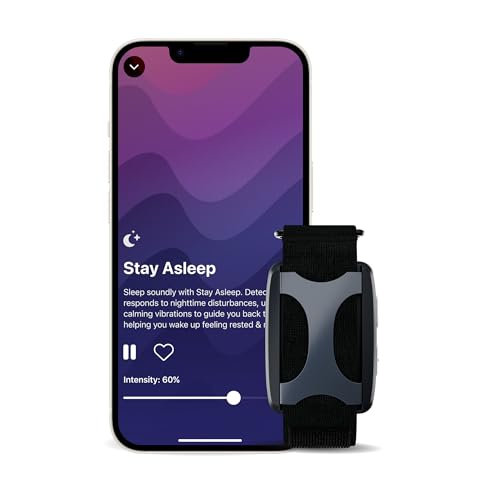
The Oura Ring and Whoop are the most accurate consumer options for sleep stages and HRV; a smartwatch (Apple Watch, Garmin) works too if you'd rather not wear a ring. Prioritize validated HRV and sleep-stage tracking over step counts, check whether it needs a subscription (Whoop does), and pick something comfortable enough to wear every night.

Frequently Asked Questions
What is the most effective treatment for sleep apnea?
CPAP is the most effective at reducing AHI (95–100% elimination of events) and remains the gold standard for moderate-to-severe OSA. However, effectiveness depends on adherence. For mild-to-moderate OSA, oral appliances achieve comparable real-world outcomes due to higher compliance. MMA surgery approaches CPAP efficacy (85–95%) for severe cases.
What can I use instead of CPAP?
Alternatives include: oral appliances (mandibular advancement devices), positional therapy (for supine-predominant OSA), weight loss (10%+ body weight can reduce AHI by 30–50%), Inspire hypoglossal nerve stimulation (for moderate-severe, CPAP-intolerant patients who qualify), and surgical options. The best alternative depends on your OSA severity, anatomy, and BMI.
Does insurance cover sleep apnea treatment?
Most insurance plans cover CPAP equipment and supplies with a confirmed sleep apnea diagnosis (AHI ≥5). Oral appliances are increasingly covered, especially when documented CPAP intolerance is demonstrated. Inspire and surgical treatments are covered by many plans for qualifying patients. Check your specific plan for coverage details and pre-authorization requirements.
Topic updates
Get the weekly recovery roundup
Sleep, HRV, fatigue, burnout, cortisol rhythm, sleep apnea, overtraining, and stress physiology.
Want your sleep handled by a physician who works from your labs? See how Opt Health does it →
Check Where You Stand
Take our free health assessment to understand your metabolic, hormonal, and recovery risk factors — and get personalized recommendations.
Take the Free Assessment →Free · Takes 5 minutes · Instant results
Related Comparisons
-
Sleep Apnea vs Insomnia: How to Tell Two Very Different Sleep Disorders Apart
Sleep apnea vs insomnia: how to tell two very different sleep disorders apart, and what COMISA means.
-
Sleep Apnea, Fatigue, Weight Gain, and Metabolic Risk
Connect sleep apnea to fatigue, weight gain, testing, and treatment options.
-
Sleep Apnea Symptoms: Signs You're Not Breathing at Night
OSA warning signs: snoring, witnessed apneas, daytime sleepiness.
See more related comparisons
-
Sleep Apnea in Children
Pediatric sleep apnea symptoms by age, from infant breathing pauses to school-age hyperactivity.
-
Inspire Sleep Apnea Treatment: How It Works, Cost, and Results
STAR trial results, candidacy criteria, cost, and Medicare coverage.
-
Central Sleep Apnea: Causes, Symptoms, and Treatment Options
CNS vs airway mechanism, ASV vs CPAP, and causes including heart failure.
-
Sleep Apnea Treatment in Children: Why Pediatric OSA Is Treated Differently Than in Adults
Sleep apnea treatment in children: why pediatric OSA is treated differently than in adults.
-
Sleep Apnea VA Disability: How Claims Generally Work for Veterans
How sleep apnea VA disability claims generally work for veterans — education only, not legal advice.
Affiliate disclosure: The Metabolic Journal is reader-supported. Some links above are affiliate or referral links and we may earn a commission at no extra cost to you. As an Amazon Associate we earn from qualifying purchases. Products are chosen on the merits; commissions never influence what we recommend. This is general information, not medical advice — talk to your clinician before acting.