Metabolic Health: Insulin Resistance, Blood Sugar & Body Composition
Medically reviewed by Medical Advisory Board Last reviewed 2026-09-01
The root cause of weight gain, energy crashes, and metabolic dysfunction
Over 40% of US adults have insulin resistance, and only 6.8% meet all five criteria for optimal metabolic health. Understanding your metabolic status is the foundation for sustainable weight loss, stable energy, and disease prevention.
Metabolic health refers to how efficiently your body processes and uses energy from food. The five clinical markers — waist circumference, blood pressure, fasting glucose, triglycerides, and HDL cholesterol — determine whether your metabolism is functioning optimally or heading toward dysfunction.
Most people don't discover metabolic problems until symptoms become severe, unexplained weight gain, energy crashes after meals, brain fog, or a pre-diabetes diagnosis. By then, insulin resistance has typically been developing for years.
Partner · Opt Health
Want insulin resistance treated, not just named?
Opt Health tests fasting insulin and HOMA-IR — the markers most panels skip — and treats the resistance itself with a physician-built plan rather than waiting for glucose to drift into the diabetic range.
Read Opt Health on insulin resistance →We identify metabolic dysfunction early through lab panels that go beyond standard bloodwork, including fasting insulin, HOMA-IR, and triglyceride-to-HDL ratio, and then create personalized protocols that target the specific mechanisms driving your metabolic issues.
What Is Metabolic Health?
Metabolic health is defined by five biomarkers established by the AHA/NHLBI: waist circumference (<35" women, <40" men), triglycerides (<150 mg/dL), HDL cholesterol (>40 mg/dL men, >50 mg/dL women), blood pressure (<120/80 mmHg), and fasting glucose (<100 mg/dL). A 2022 JACC study found only 6.8% of US adults are optimal across all five.
The Insulin Resistance Connection
Insulin resistance is the central driver of metabolic dysfunction. When cells become resistant to insulin's signal, the pancreas compensates by producing more insulin. This hyperinsulinemia promotes fat storage (especially visceral fat), raises triglycerides, lowers HDL, increases blood pressure, and eventually causes blood sugar to rise. Standard labs often miss early insulin resistance because fasting glucose stays normal until the pancreas can no longer compensate — which can take 10-15 years.
Signs Your Metabolism Needs Attention
- Weight gain concentrated around the midsection
- Energy crashes 1-3 hours after meals
- Cravings for sugar or refined carbohydrates
- Difficulty losing weight despite calorie restriction
- Brain fog, especially after eating
- Elevated fasting glucose (90-99 mg/dL, even within 'normal' range)
- High triglyceride-to-HDL ratio (>2.0)
- Skin tags or acanthosis nigricans (dark skin patches)
How We Test Metabolic Health
Our metabolic panel includes markers most standard checkups miss: fasting insulin (optimal <7 μIU/mL, not just <25), HOMA-IR (insulin resistance index, optimal <1.0), HbA1c (3-month glucose average), triglyceride-to-HDL ratio, fasting glucose, and lipid particle testing. We also assess waist-to-hip ratio and body composition to evaluate visceral fat distribution.
Metabolic Health Differences: Women vs Men
Insulin resistance and metabolic dysfunction present differently by sex — shaped by estrogen, testosterone, and the life-stage hormonal transitions unique to each.
Women: Estrogen has a protective effect on insulin sensitivity in premenopausal women. Estrogen promotes glucose uptake in muscle, supports mitochondrial function, and limits visceral fat accumulation by directing fat storage to the hips and thighs (subcutaneous, metabolically less harmful). This is why premenopausal women, on average, have lower rates of cardiovascular disease and metabolic syndrome than age-matched men — despite similar BMIs.
However, perimenopause and menopause fundamentally shift this picture. As estrogen declines (typically ages 40–52), insulin sensitivity decreases, visceral fat accumulates around the abdomen, triglycerides rise, and HDL falls. Studies show that women experience a 2–3x acceleration in metabolic risk during the menopausal transition. PCOS is the primary exception — women with PCOS develop significant insulin resistance in their 20s–30s, driven by hyperinsulinemia and androgen excess, often decades before the menopausal transition. If you have PCOS, metabolic monitoring should begin immediately at diagnosis.
Men: Men accumulate visceral fat more readily than women throughout adulthood, partly because testosterone supports lean mass but also because men lack estrogen's subcutaneous fat-directing effect. Men develop metabolic syndrome and insulin resistance, on average, a decade earlier than women. After age 30, testosterone declines 1–2% annually — and this decline is bidirectional with insulin resistance: low testosterone worsens insulin resistance; insulin resistance (via SHBG suppression and inflammatory signaling) worsens testosterone decline. Men with low testosterone and metabolic syndrome have significantly higher cardiovascular risk than those with isolated metabolic syndrome.
Practical implications: Women should request metabolic testing (fasting insulin, HOMA-IR, lipid panel) at the onset of perimenopause symptoms, not at menopause or after diabetes develops. Men with waist circumference above 40 inches or fatigue should have testosterone and fasting insulin tested together — treating only one without the other misses the bidirectional cycle. For a full metabolic workup, see our guide on insulin resistance testing.
How to Improve Your Metabolic Health
Metabolic health optimization comes down to a few high-impact habits. You do not need all of them at once. Start with the ones that fit your life and build from there:
- Cut refined carbs and added sugar: This lowers fasting insulin faster than almost any other change.
- Move after meals: A 10-minute walk after eating blunts blood sugar spikes and improves insulin resistance.
- Change the order you eat in: Vegetables and protein before starchy carbs flattens the same post-meal glucose spike; see our guide to eating to reduce inflammation for the full before/during/after routine.
- Build muscle: Resistance training 2–3 times a week makes your muscles pull glucose from the blood more efficiently.
- Prioritize sleep: Even one poor night raises insulin resistance the next day. Aim for 7–9 hours.
- Track the right markers: Recheck HbA1c and HOMA-IR every 3–6 months to see what is working.
Most people see measurable gains within 8–16 weeks. Small, steady changes beat short-lived extremes. Use your numbers to guide what to adjust next.
Metabolic Health and Related Conditions
Poor metabolic health rarely stays isolated — it interacts with several other conditions covered elsewhere on this site. In women, insulin resistance is a central driver of PCOS, often appearing years before the reproductive symptoms that lead to diagnosis. Chronically elevated insulin also promotes the kind of visceral, inflammatory fat storage that raises cardiovascular risk independent of total body weight, and it interacts bidirectionally with gut health — insulin resistance and gut microbiome imbalance tend to reinforce each other through inflammatory signaling. Early-life adversity is another factor that compounds the picture: our guide to childhood trauma and weight gain covers the cortisol mechanism connecting the two. If you're tracking your own numbers, our biomarkers overview covers which markers to prioritize, and our biomarker testing services guide explains how the newer direct-to-consumer testing platforms fit into that picture.
Not sure where your own metabolic health stands? The free health assessment on this site maps your symptoms and risk factors across metabolic, hormonal, and recovery domains and gives you a starting point before you decide which labs to order. If you're interested in helping others navigate this as a profession, see our overview of metabolic health coach certification and how that training landscape actually works.
How to test metabolic markers at home
You don't need a lab appointment to check your own metabolic markers — a few at-home kits mail you a collection kit and return physician-reviewed results online within days:
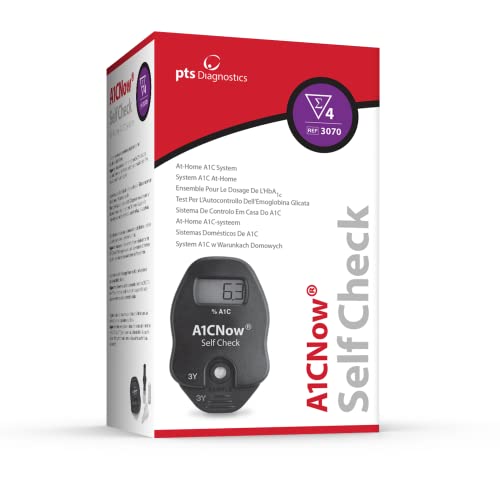
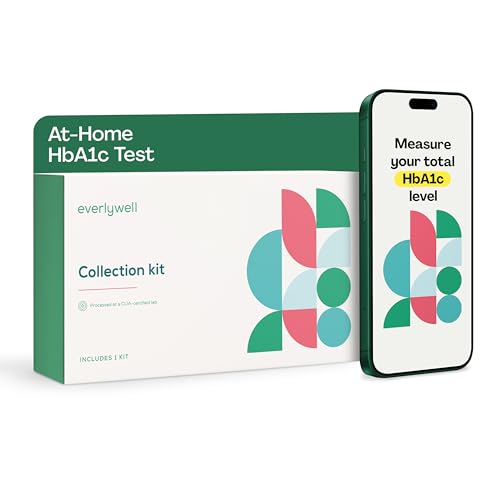
Prefer to order direct? The Everlywell HbA1c Test uses a CLIA-certified lab, physician-reviewed results, and prepaid return shipping.
What to Look For in a Continuous Glucose Monitor (CGM)
Over-the-counter CGMs like Dexcom Stelo and Abbott Lingo now sell without a prescription. Check the wear time (14–15 days per sensor), whether it reads to your phone or needs a separate device, and the monthly cost. For seeing how your own body responds to meals, a month or two is usually enough — you don't need to wear one forever.


What Makes a Good Fiber Supplement
For blood-sugar and cholesterol support you want SOLUBLE fiber — psyllium husk is the best studied. Start with one teaspoon and build up with plenty of water to avoid bloating, and take it 10–15 minutes before carb-heavy meals. Choose an unsweetened, additive-free powder or capsule.


Frequently Asked Questions
What is the difference between metabolic health and metabolism?
Metabolism refers to all chemical processes in your body that convert food to energy. Metabolic health is a clinical assessment of how well those processes function, measured by five specific biomarkers: waist circumference, blood pressure, fasting glucose, triglycerides, and HDL cholesterol.
Can you be metabolically unhealthy at a normal weight?
Yes. Research shows approximately 30% of normal-weight adults have metabolic dysfunction — sometimes called 'metabolically obese normal weight' (MONW). Visceral fat around organs, not just total body weight, drives metabolic risk. This is why we measure waist circumference and body composition, not just BMI.
How long does it take to reverse insulin resistance?
With targeted dietary changes, exercise, and sleep optimization, measurable improvements in insulin sensitivity typically appear within 3-16 weeks. A 2019 study in Diabetes Care showed significant HOMA-IR improvement within 8 weeks of a structured intervention. Full reversal depends on severity and adherence.
Why doesn't my doctor test fasting insulin?
Standard metabolic panels include fasting glucose and HbA1c but typically not fasting insulin. This means insulin resistance can develop silently for years — fasting glucose may stay under 100 mg/dL while insulin climbs to 15-20+ μIU/mL as the pancreas compensates. Functional and integrative approaches test insulin directly for earlier detection.
Topic updates
Get the weekly metabolic health roundup
Insulin resistance, blood sugar, visceral fat, GLP-1 plateaus, metabolic syndrome, and weight-loss physiology.
Want insulin resistance handled by a physician who works from your labs? See how Opt Health does it →
Check Where You Stand
Take our free health assessment to understand your metabolic, hormonal, and recovery risk factors — and get personalized recommendations.
Take the Free Assessment →Free · Takes 5 minutes · Instant results
Explore This Topic
-
What Is Insulin Resistance? Causes, Symptoms & How to Reverse It
What insulin resistance is, how to test for it, and how to reverse it.
-
Hyperinsulinemia
Chronically high insulin: symptoms, causes, how it differs from insulin resistance, and how to reverse it.
-
Metabolic Syndrome — Diagnosis, Risks, and Treatment
The five diagnostic criteria and what they mean for your health.
-
Metabolic Syndrome vs Insulin Resistance — How the Two Terms Differ
Metabolic syndrome vs insulin resistance: the mechanism-vs-diagnosis distinction, and where PCOS overlaps.
-
Insulin Resistance Symptoms: 12 Warning Signs
12 clinical warning signs, from acanthosis nigricans to post-meal fatigue.
-
Blood Sugar Crash: Why It Happens and How to Stop It
Reactive hypoglycemia: causes, symptoms, and how to stabilize glucose.
-
Glucose Spikes After Eating: Causes and What to Do
Why blood sugar spikes after eating and what to do about it.
-
Fatigue After Eating: Why Food Makes You Tired
Post-meal fatigue explained — insulin, glucose, and the gut-brain axis.
-
Fatigue After Eating Normal Blood Sugar
Tired after eating with normal blood sugar: the vagal, reactive-hypoglycemia, and meal-composition mechanisms.
-
Hypoglycemia Symptoms: Low Blood Sugar Warning Signs
Low blood sugar warning signs and when to seek medical attention.
-
How to Reverse Insulin Resistance Naturally
Evidence-based dietary and lifestyle interventions (3-16 week timeline).
-
Slow Metabolism: Myths, Causes, and What Actually Works
Why metabolism slows, what's myth vs reality, and what the evidence says.
-
Visceral Fat: Why It's Dangerous and How to Lose It
Visceral vs subcutaneous fat — why waist circumference matters more than BMI.
-
Visceral Fat Rating
Visceral fat rating scale explained: what the 1-59 number on your bathroom scale means and healthy ranges by sex.
-
Metabolic Age: What the Number on Your Scale Actually Means
What the metabolic-age number on a smart scale actually measures, and why it isn't a validated biological-age test.
-
Visceral Fat Symptoms: Why It's Usually Silent
Visceral fat symptoms: why it's usually silent, and how to tell it apart from bloating or ascites.
-
How to Lose Belly Fat: Evidence-based Approaches
What clinical research says about reducing abdominal adiposity.
-
GLP-1 Weight Loss Plateau: What to Do When Ozempic Stops Working
Why GLP-1 medications plateau and what metabolic factors to address.
-
GLP-1 Microdosing: What It Is and What the Evidence Shows
GLP-1 microdosing: what it means and why no trial has established a safe or effective below-label dose.
-
Ozempic and GLP-1 for Weight Loss: Results, Timelines, and What to Expect
Ozempic results, timelines, side effects, and what to do when it stops working.
-
Ozempic Dosage and Timeline: the FDA-label Schedule
Ozempic dosage and timeline: the FDA-label escalation schedule and what to expect week by week.
-
How to Get Prescribed Ozempic for Weight Loss: Eligibility, Costs, and Safer Next Steps
Prescription eligibility, insurance friction, and safer metabolic next steps for Ozempic weight-loss seekers.
-
Fast Metabolism: Signs, Causes, and When Speed Signals a Thyroid or Health Concern
Fast metabolism: signs, causes, and when speed signals a thyroid or health concern.
-
Does Insurance Cover Ozempic? Coverage Rules, Medicare Status, Savings Programs, and Costs
Does insurance cover Ozempic? Coverage rules, Medicare status, savings programs, and costs.
-
How to Test for Insulin Resistance: Labs That Matter
Fasting insulin, HOMA-IR, and triglyceride-to-HDL ratio explained.
-
Insulin Resistance Diet: What to Eat, Foods to Avoid, and a 7-Day Meal Plan
What to eat, foods to avoid, and a 7-day meal plan for insulin resistance.
-
Insulin Resistance Supplements: Evidence-based Rankings for Berberine, Magnesium, and Inositol
Evidence-based rankings: berberine, magnesium, inositol, ALA, and chromium.
-
Insulin Resistance vs Prediabetes: Key Differences and the Progression Timeline
Continuum diagram, diagnostic thresholds, and the reversal window.
-
Exercise for Insulin Resistance: the Evidence-based Workout Plan
GLUT4 mechanism, resistance training protocol, HIIT vs steady-state, yoga.
-
Ozempic Weight Regain: What Happens When You Stop and How to Minimize It
SURMOUNT-4 trial data, mechanism of regain, and lifestyle strategies to preserve results.
-
Ozempic Loose Skin: Causes, Risk Factors, and Prevention Strategies
Who is at risk, collagen strategies, timeline, and when to consider interventions.
-
Ozempic and Alcohol: Safety, Interactions, and What to Know
Interaction mechanism, nausea and blood sugar risks, and harm reduction guidance.
-
Metabolic Health Score Calculator
Calculate your metabolic health score using AHA/NHLBI criteria.
-
Insulin Resistance Risk Calculator
Estimate insulin resistance risk using HOMA-IR and surrogate markers.
-
Ozempic vs Wegovy: Same Drug (Semaglutide), Different Use and Dose
Ozempic vs Wegovy: both are semaglutide — the real differences in approval, dose, and coverage.
-
Saxenda vs Wegovy: Daily Liraglutide vs Weekly Semaglutide Weight-loss Injection Compared
Saxenda vs Wegovy: daily liraglutide vs weekly semaglutide — trial results, convenience, and track record.
-
Foundayo vs Zepbound: New Oral GLP-1 Pill vs the Strongest Weekly Injection Compared
Foundayo vs Zepbound: new daily GLP-1 pill vs the strongest weekly dual-mechanism injection.
-
Saxenda vs Zepbound: Daily Liraglutide vs Weekly Dual-action Tirzepatide Compared
Saxenda vs Zepbound: daily liraglutide vs weekly dual-action tirzepatide — trial results compared.
-
Foundayo vs Wegovy: Daily GLP-1 Pill vs Weekly GLP-1 Injection Compared
Foundayo vs Wegovy: daily GLP-1 pill vs weekly GLP-1 injection — same mechanism, different delivery.
-
Saxenda vs Mounjaro: Obesity-approved Daily Shot vs Diabetes-branded Dual-action Drug Compared
Saxenda vs Mounjaro: obesity-approved daily shot vs diabetes-branded dual-action drug — approval pathway explained.
-
Foundayo vs Ozempic: Obesity-approved Pill vs Diabetes-branded Weekly Shot Compared
Foundayo vs Ozempic: obesity-approved daily pill vs diabetes-branded weekly shot — approval pathway explained.
-
Foundayo vs Mounjaro: Obesity-approved Pill vs Diabetes-branded Dual-action Drug Compared
Foundayo vs Mounjaro: obesity-approved daily pill vs diabetes-branded dual-action drug — approval pathway explained.
-
Berberine vs Ozempic: Is Berberine Really 'Nature's Ozempic'?
Berberine vs Ozempic: why 'nature's Ozempic' is a stretch, and what each actually does.
-
Berberine vs Metformin: Which Lowers Blood Sugar Better?
Berberine vs metformin: mechanism, evidence, side effects, and which lowers blood sugar better.
-
Ozempic vs Metformin: Weight Loss and Blood Sugar Compared
Ozempic vs metformin: weight loss, blood sugar, cost, and when to use each (or both).
-
Ozempic vs Mounjaro: Semaglutide vs Tirzepatide — Which GLP-1 Produces More Weight Loss?
Ozempic vs Mounjaro: semaglutide vs tirzepatide — mechanism, weight loss trials, and how to choose.
-
Wegovy vs Zepbound: Same Mechanism, Different Numbers — Which FDA-approved Weight-loss Injection Wins?
Wegovy vs Zepbound: FDA-approved weight-loss injections compared on results, CV data, and cost.
-
Wegovy vs Mounjaro: On-label Weight-loss Approval vs Off-label Diabetes Drug Compared
Wegovy vs Mounjaro: on-label weight-loss approval vs off-label diabetes drug compared.
-
Zepbound vs Ozempic: On-label Weight-loss Approval vs Off-label Diabetes Drug Compared
Zepbound vs Ozempic: on-label weight-loss approval vs off-label diabetes drug compared.
-
Mounjaro vs Zepbound: Same Drug (Tirzepatide), Different Approval — Insurance and Access Explained
Mounjaro vs Zepbound: same drug (tirzepatide), different brand — insurance and access explained.
-
CagriSema vs Zepbound: Novo Nordisk's REDEFINE 4 Head-to-head Trial Results, FDA Status, and Which Is Available Today
CagriSema vs Zepbound: Novo Nordisk's REDEFINE 4 head-to-head trial, FDA approval status, and which is actually available today.
-
Cholesterol Levels by Age Chart: Normal Total, LDL, HDL, and Triglyceride Ranges
Cholesterol levels by age chart: normal total, LDL, HDL, and triglyceride ranges.
-
High Cholesterol Symptoms: Why It's Usually Silent, and the Visible Signs (Xanthelasma, Xanthomas) That Do Appear
Why high cholesterol is usually silent, plus xanthelasma, xanthomas, and when to get tested.
-
Blood Pressure Chart by Age: Normal and High Ranges Using ACC/AHA Categories
Blood pressure chart by age: normal and high ranges using current ACC/AHA categories.
-
Insulin Resistance in Pets
Insulin resistance in dogs and horses — equine metabolic syndrome and canine diabetes explained.
-
Homa Ir Formula Explained
The HOMA-IR formula explained, with a worked numeric example.
-
Insulin Resistance Meal Plan
A structured 7-day insulin resistance meal plan with grocery list.
-
Insulin Resistance vs Insulin Sensitivity
Insulin resistance vs insulin sensitivity vs prediabetes vs diabetes — one comprehensive comparison.
-
Is Insulin Resistance Genetic
Is insulin resistance genetic? Heritability, family risk, and modifiable factors.
-
Ozempic Alternatives: 7 Options Compared (Prescription, Compounded & Natural)
Ozempic alternatives ranked: other GLP-1 drugs, compounded options, metformin, berberine, and lifestyle-first care.
-
Tirzepatide vs Semaglutide: Which GLP-1 Wins for Weight Loss
Tirzepatide vs semaglutide: dual vs single incretin agonist compared on trials, dosing, cost.
-
Metformin Alternatives: 6 Prescription and Natural Options Compared
Metformin alternatives ranked: GLP-1s, SGLT2 inhibitors, pioglitazone, berberine, inositol, lifestyle.
-
Zepbound Alternatives: 6 Options Compared for Weight Management
Zepbound alternatives ranked: Wegovy, Mounjaro, off-label Ozempic, compounded GLP-1, metformin.
-
Wegovy Alternatives: 6 Options Compared for Weight Management
Wegovy alternatives ranked: Zepbound, off-label Ozempic, compounded semaglutide, metformin, lifestyle.
-
Compounded Semaglutide vs Ozempic: Cost, Safety, and Legality
Compounded semaglutide vs Ozempic: same molecule, different regulation, price, and quality assurance.
-
Rybelsus vs Ozempic: Oral vs Injectable Semaglutide, and the 2026 Brand Transition Explained
Rybelsus vs Ozempic: oral vs injectable semaglutide, and the 2026 Rybelsus-to-Ozempic-tablet brand transition.
-
Mounjaro Alternatives: 6 Options Compared for 2026
Mounjaro alternatives ranked: Zepbound, Ozempic/Ozempic tablets, compounded tirzepatide, metformin, lifestyle.
-
Rybelsus Alternatives: What Replaced Rybelsus and 5 Other Options Compared
Rybelsus alternatives ranked: Ozempic tablets, the Wegovy pill, injectable semaglutide, tirzepatide, metformin.
-
Metabolic Health Guide
The metabolic health program — insulin resistance, blood sugar, and body composition curriculum.
-
Metabolic Health Coach Certification: What the Training Landscape Actually Looks Like
Metabolic health coach certification: what the training landscape actually looks like.
-
Best Wearables for Metabolic Health: What Oura, Whoop, Apple Watch, Garmin & CGMs Actually Track
Best wearables for metabolic health: what Oura, Whoop, Apple Watch, Garmin, and CGMs actually track.
-
Best CGM for Metabolic Health: Stelo, Lingo, Levels, Nutrisense & Signos Compared for Non-diabetics
Best CGM for metabolic health without diabetes: Stelo, Lingo, Levels, Nutrisense, and Signos compared.
-
Mounjaro Weight Loss
Mounjaro (tirzepatide) for weight loss: mechanism, dose titration, expectations, and side effects.
-
Mounjaro Hair Loss
Does Mounjaro cause hair loss? The telogen-effluvium link to rapid weight loss and how to mitigate it.
-
Mounjaro Cost
Mounjaro cost without insurance: list price, savings card, coverage, and Medicare status.
-
Prediabetes
Prediabetes symptoms (and why there usually are none), the warning signs, and who to test.
-
Prediabetes Diet
Prediabetes diet: what to eat and limit to lower blood sugar and A1C, with a sample day.
-
How to Reverse Prediabetes
How to reverse prediabetes: the evidence-ranked levers and a realistic timeline.
-
Longevity Supplements
Longevity supplements ranked by evidence — what has human data and what does not.
-
How to Live Longer
How to live longer: the evidence-ranked levers that actually move lifespan.
-
Sarcopenia
Sarcopenia: age-related muscle loss, how it is assessed, and the resistance-training + protein treatment.
-
Muscle Loss with Age
Muscle loss with age: why it happens, why it matters metabolically, and how to rebuild at any age.
-
Creatine for Women
Creatine for women: benefits, dosage, timing, and why it matters most for muscle and bone through menopause.
-
Creatine for Mood
Creatine for depression: what five clinical trials actually show about creatine monohydrate as an add-on for low mood and mental fatigue.
-
Creatine vs Creatine Monohydrate: What the Label Actually Means
Creatine vs creatine monohydrate: what plain 'creatine' actually means on a label, and whether the alternative forms are worth paying more for.
-
Ozempic Fatigue
Ozempic and GLP-1 fatigue: the caloric-deficit, micronutrient, and sleep mechanisms, and when it resolves.
-
Ozempic Bone Density
GLP-1 drugs and bone density: what the evidence shows about lean-mass loss, who is at risk, and how to protect bone.
-
Oral Glp 1 Pills
Oral GLP-1 pills vs injections: Rybelsus and oral semaglutide today vs pipeline orforglipron, and who fits each.
-
Insulin Resistance Normal Weight
Insulin resistance at a normal weight (lean/TOFI): why BMI and A1C miss it and the tests that catch it.
-
Sulforaphane Benefits
Sulforaphane benefits: the Nrf2/detox mechanism, what human trials actually show, and who should be cautious.
-
Spermidine Benefits
Spermidine benefits: the autophagy mechanism, what small human trials show, and a 2024 bioavailability caveat.
-
Zepbound Side Effects
Zepbound side effects: dosing/titration, GI effects, injection-site care, duration/onset timing, and rare serious risks.
-
Zepbound Vials vs Pen
Zepbound vials vs pen: the FDA-labeled administration, dose-strength, and storage differences between the two formats.
-
Topiramate Weight Loss
Topiramate for weight loss: the Qsymia (phentermine-topiramate) combination, evidence vs GLP-1 drugs, and the pregnancy warning.
-
What Is Ketosis? Ketone Bodies, Benefits, and the Ketoacidosis Distinction
What ketosis is, the biochemistry of ketone production, benefits, and the crucial ketosis-vs-ketoacidosis distinction.
-
Evidence-based Weight Loss Tips: What Actually Works, Ranked
Non-drug weight loss fundamentals ranked by evidence strength, from diet quality to sleep to hormone stalls.
-
Blood Sugar, Nutrition, and Immune Function: What the Evidence Shows
How blood sugar and nutrition affect immune function, and an honest evidence grade for common immune remedies.
-
Low-carb Vegan Diet: Is It Possible, and How to Do It Right
Combining a low-carb approach with a vegan diet: protein sources, nutrient gaps, and a realistic food list.
-
Do Eggs Raise Cholesterol? the Research, Then and Now
The dietary-cholesterol-and-eggs research history, the liver's feedback mechanism, and the hyper-responder nuance.
-
How to Eat to Reduce Inflammation: a Post-meal Routine That Works
A before/during/after mealtime routine — sleep, food order, and post-meal walking — that blunts blood sugar spikes.
-
How Food Affects Blood Sugar
How food changes blood sugar: normal thresholds, glycemic index/load, and the fiber/protein/fat pairing mechanism.
-
Diet Macros and Brain Aging
Diet macros and brain aging: the mouse longevity data vs. the human 'protein cliff' — why the answer is age-dependent.
-
Blood Sugar and Skin Aging
How glycation and insulin resistance accelerate visible skin aging, and what the evidence says about reversing it.
-
Breakfast and Heart Health
Is breakfast important for heart health? Cohort studies and fasting trials weighed against each other honestly.
-
Talking to Your Doctor About Low Carb
How to bring up a low-carb diet with your doctor: what to ask, what to mention, and who should loop a doctor in first.
-
How Many Carbs Is Low Carb
Carb-gram thresholds for keto, moderate, and liberal low-carb approaches, and how net carbs are actually counted.
-
Does Bulletproof Coffee Help Weight Loss
Whether butter/MCT coffee actually helps weight loss: the satiety and ketosis mechanisms vs. the calorie math.
-
Natural Appetite Suppressants
Natural appetite suppressants ranked by evidence quality, from glucomannan to garcinia cambogia, plus safety.
-
Does Humana Cover Zepbound
Does Humana cover Zepbound? Medicare Advantage, Part D, the GLP-1 Bridge program, and commercial plans, by pathway.
-
Low-carb Diets and Kidney Health
Low-carb diets and kidney health: the evidence split between healthy kidneys and existing kidney disease, plus the kidney-stone risk.
-
High-protein Diet FAQ
High-protein diet FAQ: what counts as high-protein, satiety and muscle-preservation evidence, and the safe upper range.
-
Best Keto Sweeteners, Ranked
Keto sweeteners ranked by glycemic impact, GI tolerance, and how accurate the '0g net carbs' label really is.
-
Intermittent Fasting Side Effects
Intermittent fasting side effects grouped by mechanism, and who should not fast without medical supervision.
-
Does Cigna Cover Ozempic
Does Cigna cover Ozempic? Evernorth prior authorization, the EncircleRx weight-loss program, formulary tiers, and appeals.
-
Does UnitedHealthcare Cover Ozempic
Does UnitedHealthcare cover Ozempic? OptumRx prior authorization, formulary tiers, plan-type differences, and appeals.
-
Can Wegovy Cause Dizziness
Can Wegovy cause dizziness? The dehydration and insulin/sulfonylurea-interaction mechanisms, and when to seek care.
-
Zepbound Dosing Schedule
Zepbound dosing schedule: the FDA titration steps and SURMOUNT trial dose-response data, without ranking a 'best' dose.
-
OMAD (One Meal a Day) Diet
OMAD (one meal a day): what dedicated research actually shows vs. what's extrapolated from moderate fasting windows, and the risks that grow more pronounced.
-
What Is Sugar and Metabolic Health
What sugar is: monosaccharides vs. disaccharides, natural vs. added sugar, and the glucose-vs-fructose metabolic difference.
-
Practical Intermittent Fasting Tips
Practical intermittent fasting tips: what's fasting-safe to drink, how to break a fast without a blood sugar spike, hunger tactics, and exercising fasted.
-
How Insulin Resistance Causes Fatty Liver Disease (MASLD)
How insulin resistance drives fatty liver disease (MASLD), the 2023 diagnostic criteria, and the tests that catch it early.
-
Gum Disease and Blood Sugar: the Two-way Link
The bidirectional link between gum disease and blood sugar, and what periodontal treatment does to A1C.
-
Low-carb Diet for Beginners: What to Eat and How to Start
A practical low-carb starter guide: the meal-building framework, substitutes for bread and pasta, first-week side effects, and who should not start alone.
-
Exogenous Ketone Supplements: What the Evidence Shows
Exogenous ketone salts vs. esters compared, and what the trial evidence actually shows on appetite, weight loss, and athletic performance.
-
Wegovy vs Semaglutide: Brand, Regulation, and Cost Compared
Wegovy vs semaglutide: the brand vs. the drug name, FDA approval and indication differences, compounded-semaglutide legality, and the real yearly cost gap.
-
What Is GLP-3? the Term Behind Triple-agonist Drugs, Explained
What GLP-3 means: the informal nickname for retatrutide's triple-receptor mechanism, and why it isn't a real hormone or FDA drug class.
-
Low-carb Diets and Cholesterol: What Actually Changes on a Lipid Panel
How a low-carb or ketogenic diet changes LDL, HDL, and triglycerides, and the lean mass hyper-responder phenotype research.
-
Fat-burning Foods
Whether capsaicin, caffeine, and green tea catechins actually burn fat, the measured effect sizes, and the arithmetic against a pound of stored fat.
-
Childhood Trauma and Weight Gain
The research linking adverse childhood experiences to long-term obesity risk, and the cortisol/HPA-axis mechanism behind it.
-
Semaglutide Clinics: How to Vet the License, Sourcing, and Cost Before You Book
How to vet a semaglutide weight-loss clinic or telehealth provider: licensing, compounded-vs-brand sourcing, real cost, and red flags.
-
L-glutamine and Weight Loss
Whether L-glutamine causes weight loss: the athlete meta-analysis, the AIDS-wasting trials, and why a moving scale isn't the same as fat loss.
-
Salt and Sodium Guide
The federal sodium guideline, the salt-vs-sodium distinction, keto/low-carb sodium needs, and the research debate over how strict restriction should be.
-
Weight and Happiness
Why losing weight doesn't reliably track with happiness in the research, plus healthy-weight-range and body-image context.
-
Phentermine vs Tirzepatide: Which Loses More Weight, on Trial Results, Mechanism, and Cost
Phentermine vs tirzepatide: trial weight-loss data, mechanism, cost, and the cost-per-pound-lost math compared.
-
Does Humana Cover Wegovy? Medicare Advantage, Part D, and All Three FDA Indications Explained
Does Humana cover Wegovy? Medicare Advantage, Part D, all three FDA indications, and the GLP-1 Bridge, by pathway.
-
Does Kaiser Cover Ozempic? Kaiser's Own Regional Pharmacy System and Why Weight Loss Doesn't Qualify
Does Kaiser cover Ozempic? Kaiser's own regional pharmacy system, diabetes-only coverage, and why weight loss never qualifies.
-
Wegovy Benefits: Weight Loss, Cardiovascular Risk Reduction, and MASH, with the Trial Data Behind Each
Wegovy's three FDA-approved benefits, weight loss, cardiovascular risk reduction, and MASH, with the trial numbers behind each.
-
Does Florida Blue Cover Zepbound? Prime Therapeutics Prior Authorization and the BMI Threshold Explained
Does Florida Blue cover Zepbound? Prime Therapeutics prior authorization, the BMI threshold, and why Mounjaro doesn't qualify.
-
Contrave vs Zepbound: Which Fits Your Weight-loss Goal, on Trial Results, Safety, and Cost
Contrave vs Zepbound: trial weight-loss data, the POMC/naltrexone mechanism, contraindications, and annual cost math compared.
-
Is Oatmeal Good for Weight Loss? the Beta-glucan Trial Evidence
Is oatmeal good for weight loss? The beta-glucan mechanism, the trial evidence, and how prep method changes the effect.
-
Fiber Maxing: Is the High-fiber Trend Safe, and How Much Is Too Much
Fiber maxing: what the trend gets right, the safe daily targets, and the digestive risks of jumping too high too fast.
-
Can You Take Metformin and Zepbound Together? What the Overlap Means for Side Effects
Metformin and Zepbound together: why prescribers combine them, the overlapping GI side effects, and what changes when you do.
-
Retatrutide Benefits: the Phase 3 TRIUMPH Trial Results, Explained
Retatrutide benefits: the TRIUMPH Phase 3 weight-loss and cardiometabolic trial results, and what still isn't approved or known.
-
Does Kaiser Cover Zepbound? Kaiser's Own Published Clinical Criteria and Step-therapy Ladder, Explained
Does Kaiser cover Zepbound? Kaiser Northwest's published BMI, comorbidity, and step-therapy criteria for tirzepatide, region by region.
-
Wegovy vs Trulicity: Different FDA-approved Uses, and What the Head-to-head Trial Data Actually Shows
Wegovy vs Trulicity: different FDA-approved uses (weight management vs. diabetes), the head-to-head trial weight-loss data, and insurance-coverage patterns compared.
-
Wegovy Pill Cost with and Without Insurance, and How It Compares to the Injection and to Foundayo
Wegovy pill cost with and without insurance: the self-pay tiers by dose, Medicare/Medicaid rules, and how it compares to the injection and to Foundayo.
-
Zepbound vs Metformin: Dual-agonist Weight Loss vs Cheap First-line Glucose Control, Compared
Zepbound vs metformin: mechanism, SURMOUNT-1 weight-loss data, cost, and when each (or a combination) fits.
-
Zepbound vs Trulicity: Dual-agonist Weight Management vs Single-agonist Diabetes Control, Compared
Zepbound vs Trulicity: dual-agonist vs single-agonist mechanism, trial weight-loss evidence, and insurance-coverage patterns compared.
-
Does Florida Blue Cover Wegovy? the Standard Commercial Exclusion, and the cardiovascular/Medicare Exceptions That Actually Get It Covered
Does Florida Blue cover Wegovy? The standard commercial exclusion, the cardiovascular-risk-reduction exception, and the Medicare GLP-1 Bridge pathway.
-
Does Highmark Cover Zepbound? Two Separate FDA Indications, Two Separate Prior-authorization Paths
Does Highmark cover Zepbound? The two separate FDA indications (weight management vs. obstructive sleep apnea) and their different prior-authorization paths.
-
Does Anthem Cover Ozempic? Covered for Diabetes, but Weight-loss Coverage Depends on Your Employer's Plan Rider
Does Anthem cover Ozempic? Covered for type 2 diabetes; weight-loss coverage depends on whether your employer purchased the optional obesity-drug rider.
-
Can Constipation Cause Weight Gain? Retained Stool and Water vs. Real Fat Gain, and the Test That Tells Them Apart
Can constipation cause weight gain? Retained stool and water vs. real fat gain, and the bowel-movement test that tells them apart.
Affiliate disclosure: The Metabolic Journal is reader-supported. Some links above are affiliate or referral links and we may earn a commission at no extra cost to you. As an Amazon Associate we earn from qualifying purchases. Products are chosen on the merits; commissions never influence what we recommend. This is general information, not medical advice — talk to your clinician before acting.