Glucose Spikes After Eating: Causes and What to Do
Medically reviewed by Medical Advisory Board Last reviewed 2026-05-13
Why your blood sugar surges post-meal and how to flatten the curve
Post-meal glucose spikes above 140 mg/dL are associated with increased cardiovascular risk and metabolic dysfunction — even in people without diabetes.
Post-meal, or postprandial, glucose spikes happen when blood sugar rises significantly after eating. Some increase is normal, but spikes above 140 mg/dL, or more than 40 to 50 mg/dL above fasting levels, indicate suboptimal glucose handling. CGM studies show that even non-diabetic individuals regularly spike above 140 mg/dL, a threshold associated with endothelial damage and oxidative stress.
In the 2015 Zeevi et al. study published in Cell, researchers continuously tracked 800 participants and found dramatic inter-individual variation. The same banana that barely affected one person's glucose sent another person's level above 160 mg/dL. This personalization helps explain why generic dietary advice often fails: your glycemic response is shaped by your gut microbiome, insulin sensitivity, sleep, stress, and even the time of day you eat.
Partner · Opt Health
Want a clinician to work up your metabolic numbers?
Opt Health runs fasting insulin, A1C, a full lipid panel and 50+ other markers, then builds a treatment plan — GLP-1s included where they're appropriate — with a physician who reviews the data with you directly.
See Opt Health's metabolic program →Repeated glucose spikes above 140 mg/dL trigger protein glycation (measured chronically by HbA1c), generate reactive oxygen species, and promote endothelial dysfunction, the earliest step in atherosclerosis. A 2019 Lancet meta-analysis linked postprandial hyperglycemia to a 20 to 30% increase in cardiovascular events, independent of fasting glucose or HbA1c levels. That makes understanding and managing your spikes one of the most impactful metabolic interventions available.
What Causes Post-Meal Glucose Spikes
The primary drivers are meal composition (refined carbohydrates digest rapidly), eating speed, glycemic load, individual insulin response, and metabolic fitness. A 2015 Cell study demonstrated that identical foods produce vastly different glycemic responses between individuals — driven by gut microbiome composition, genetics, and metabolic status.
Additional factors include stress hormones — cortisol and adrenaline both raise blood glucose independently of food intake, which is why stressful meals produce larger spikes. Sleep debt impairs glucose disposal: even one night of 4-hour sleep increases next-day postprandial glucose by 25%. Medication timing (steroids, beta-blockers) and meal timing (glucose tolerance deteriorates through the day, with dinner producing larger spikes than breakfast from the same food) also contribute.
How to Know If Your Spikes Are Too High
Without a CGM, you rely on symptoms: fatigue 1-2 hours after eating, brain fog, intense sugar cravings, or shakiness. With a CGM, target these thresholds:
| Metric | Optimal | Concerning |
|---|---|---|
| Peak glucose (post-meal) | <140 mg/dL | >160 mg/dL |
| Rise from baseline | <30 mg/dL | >50 mg/dL |
| Time to return to baseline | <2 hours | >3 hours |
| Post-spike dip below baseline | <10 mg/dL | >20 mg/dL (reactive hypoglycemia) |
If your post-meal readings consistently exceed these thresholds, discuss insulin resistance testing with your provider. Our insulin resistance calculator can give you a preliminary assessment using fasting labs.
Evidence-Based Strategies to Reduce Spikes
- Food order: Eat vegetables and protein before carbohydrates. A Cornell study showed this reduces glucose spikes by ~37%.
- Post-meal movement: A 10-minute walk lowers peak glucose by 30-50%.
- Vinegar before meals: 1 tablespoon of apple cider vinegar in water before a meal can reduce post-meal glucose by 20-30% (European Journal of Clinical Nutrition).
- Fiber first: Starting meals with fiber-rich vegetables creates a gel-like barrier in the intestine, slowing glucose absorption.
- Sleep optimization: Just one night of poor sleep (4 hours) increases next-day glucose spikes by 25%.
- Meal timing: Eating your largest carbohydrate load earlier in the day takes advantage of peak insulin sensitivity. Dinner-time carbs produce 20-40% higher glucose peaks than the same food at breakfast.
When Glucose Spikes Signal a Bigger Problem
Occasional spikes after a high-carb meal are normal physiology. Persistent spikes suggest a progression worth monitoring:
- Stage 1 — Compensated insulin resistance: Fasting glucose is normal but fasting insulin is elevated. Post-meal spikes are larger and recovery is slower. HOMA-IR >2.0.
- Stage 2 — Impaired glucose tolerance (prediabetes): Fasting glucose 100-125 mg/dL or HbA1c 5.7-6.4%. The pancreas can no longer fully compensate.
- Stage 3 — Type 2 diabetes: Fasting glucose >126 mg/dL or HbA1c >6.5%. Beta cell function has declined significantly.
The key insight: glucose spikes are the earliest detectable sign — appearing years before fasting glucose rises. This is why CGM data and post-meal glucose testing provide a window of opportunity for reversing insulin resistance before it progresses. Recurrent post-meal crashes and cravings are among the warning signs of insulin resistance worth tracking.
Why Do Glucose Spikes Happen at Night or While Sleeping?
A rise in blood sugar overnight or right before waking has a specific name: the dawn phenomenon. Between roughly 3 a.m. and 8 a.m., the body naturally increases output of cortisol, growth hormone, and adrenaline to help mobilize energy for waking up. According to the American Diabetes Association, these hormones "signal the liver to boost the production of glucose" — a normal process that becomes a visible spike only when insulin can't fully keep up.
In a metabolically healthy person, the pancreas releases a bit more insulin right along with this hormone surge, so the overnight glucose bump stays small enough to go unnoticed. As reviewed in StatPearls, the same overnight hormone rise happens in everyone — the difference in early insulin resistance and diabetes is that the compensating insulin response is blunted, so the rise becomes large enough to register on a CGM or a morning fasting glucose reading. That makes an overnight or first-thing-in-the-morning glucose spike, more than an isolated post-meal one, a meaningful early signal worth tracking if it's showing up night after night — see the progression stages above for what a persistent pattern can mean.
This is a different mechanism from a late, heavy dinner or evening alcohol spiking and then crashing blood sugar overnight — that pattern, and the reverse rebound-high some people see after an overnight low (sometimes called the Somogyi effect), is covered in our blood sugar crash guide. If your CGM shows a rise specifically in the last few hours before waking with no food involved, the dawn phenomenon is the more likely explanation than anything you ate.
Does Exercise Cause a Glucose Spike?
It depends on the intensity. Light-to-moderate aerobic activity — walking, cycling, swimming at an easy pace — lowers blood glucose, which is exactly why the post-meal walk recommended above works. Muscle pulls glucose out of the blood to use as fuel through a pathway that doesn't need much insulin.
Higher-intensity effort works differently. During sprinting, heavy weightlifting, competitive sports, or any workout hard enough to feel like a real physical stressor, the body releases a burst of adrenaline and other stress hormones. The American Diabetes Association explains that "adrenaline raises blood glucose levels by stimulating your liver to release glucose" — and at high intensity, that liver output can temporarily outpace how fast working muscle can absorb it, so glucose rises rather than falls. A 2010 review in Diabetic Medicine documented this exercise-induced hyperglycemia pattern even in people without diabetes.
The practical takeaway: a glucose spike that shows up during or right after an intense workout — but not after an easy walk — usually reflects this adrenaline effect rather than a sign that your metabolic health is worsening. It typically settles within an hour or so as stress hormones clear. If spikes from intense training are frequent and you're trying to manage diabetes or insulin resistance specifically, lighter steady-state cardio produces a more predictable glucose response; either way, the long-term insulin-sensitivity benefits of resistance training and vigorous exercise (covered in our exercise for insulin resistance guide) still hold even when a session spikes glucose in the moment.
Glucose Spike Severity Checker
Enter your peak post-meal (or CGM) glucose reading to see how it compares to the thresholds in the table above. This tool is educational only and does not replace a review with your doctor.
How to test metabolic markers at home
You don't need a lab appointment to check your own metabolic markers — a few at-home kits mail you a collection kit and return physician-reviewed results online within days:
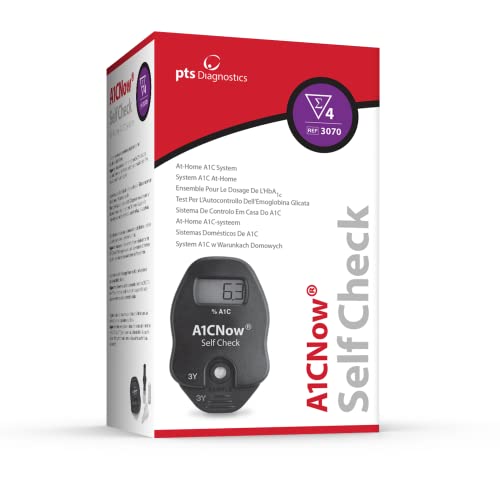
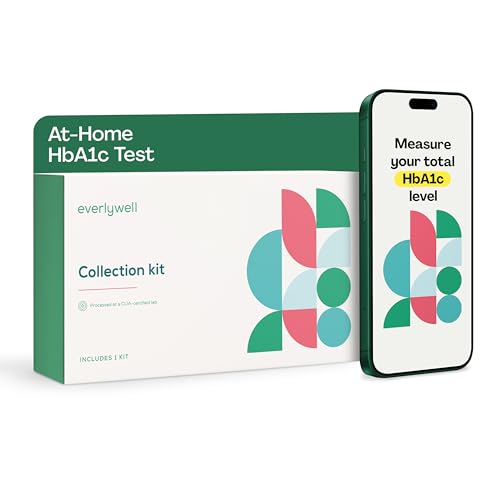
Prefer to order direct? The Everlywell HbA1c Test uses a CLIA-certified lab, physician-reviewed results, and prepaid return shipping.
What to Look For in a Continuous Glucose Monitor (CGM)
Over-the-counter CGMs like Dexcom Stelo and Abbott Lingo now sell without a prescription. Check the wear time (14–15 days per sensor), whether it reads to your phone or needs a separate device, and the monthly cost. For seeing how your own body responds to meals, a month or two is usually enough — you don't need to wear one forever.


What Makes a Good Fiber Supplement
For blood-sugar and cholesterol support you want SOLUBLE fiber — psyllium husk is the best studied. Start with one teaspoon and build up with plenty of water to avoid bloating, and take it 10–15 minutes before carb-heavy meals. Choose an unsweetened, additive-free powder or capsule.


Frequently Asked Questions
What is a normal glucose spike after eating?
In metabolically healthy individuals, blood sugar typically rises 20-40 mg/dL after a meal and returns to baseline within 2 hours. Spikes above 140 mg/dL or that take more than 3 hours to normalize suggest impaired glucose tolerance.
Do glucose spikes cause weight gain?
Indirectly, yes. Large glucose spikes trigger proportionally large insulin responses. Elevated insulin promotes fat storage and inhibits fat burning. Over time, repeated high-insulin episodes can contribute to insulin resistance and preferential visceral fat accumulation.
Should I use a CGM if I'm not diabetic?
A 2-4 week CGM trial can be highly informative for non-diabetics. It reveals your personal glycemic responses to specific foods, identifies hidden spikes you wouldn't otherwise detect, and provides motivation for dietary changes. The data is especially valuable if you have a family history of diabetes, carry excess weight, or experience post-meal fatigue.
Are glucose spikes bad if I don't have diabetes?
They can be, if they're frequent. The cardiovascular-risk data cited above — a 20-30% increase in cardiovascular events linked to postprandial hyperglycemia — comes from populations that include people without a diabetes diagnosis; the 140 mg/dL threshold reflects endothelial stress, not diabetic blood sugar specifically. That said, an occasional spike after a large or unusually sugary meal is normal physiology, not a red flag on its own — the 2015 Zeevi et al. study cited above found that even a routine food like a banana pushes some healthy people's glucose above 160 mg/dL. What matters more than any single reading is the pattern: spikes that happen after most meals, take longer than 2-3 hours to settle, or come with the fatigue and cravings described above are worth tracking with a CGM and discussing with your doctor, even with a completely normal fasting glucose and A1C.
Can a glucose spike cause dizziness, headaches, or anxiety?
The steep drop in blood sugar after a meal typically causes dizziness, heart palpitations, and anxiety. The spike itself rarely produces them. When insulin clears glucose quickly, an adrenaline surge helps steady your blood sugar, which triggers the racing-heart and jittery sensations of a reactive hypoglycemia dip. Headaches after high-carb meals are commonly reported anecdotally, but evidence connecting glucose spikes directly to migraines or acne is limited. If dizziness or palpitations happen reliably 1 to 3 hours after eating, check the post-meal thresholds on this page or consider a continuous glucose monitor (CGM) trial to evaluate the rebound fall.
Topic updates
Get the weekly metabolic health roundup
Insulin resistance, blood sugar, visceral fat, GLP-1 plateaus, metabolic syndrome, and weight-loss physiology.
Want your metabolic health handled by a physician who works from your labs? See how Opt Health does it →
Check Where You Stand
Take our free health assessment to understand your metabolic, hormonal, and recovery risk factors — and get personalized recommendations.
Take the Free Assessment →Free · Takes 5 minutes · Instant results
Related Reading
-
What Is Insulin Resistance? Causes, Symptoms & How to Reverse It
What insulin resistance is, how to test for it, and how to reverse it.
-
Hyperinsulinemia
Chronically high insulin: symptoms, causes, how it differs from insulin resistance, and how to reverse it.
-
Metabolic Syndrome — Diagnosis, Risks, and Treatment
The five diagnostic criteria and what they mean for your health.
See more related reading
-
Metabolic Syndrome vs Insulin Resistance — How the Two Terms Differ
Metabolic syndrome vs insulin resistance: the mechanism-vs-diagnosis distinction, and where PCOS overlaps.
-
Insulin Resistance Symptoms: 12 Warning Signs
12 clinical warning signs, from acanthosis nigricans to post-meal fatigue.
-
Blood Sugar Crash: Why It Happens and How to Stop It
Reactive hypoglycemia: causes, symptoms, and how to stabilize glucose.
-
Fatigue After Eating: Why Food Makes You Tired
Post-meal fatigue explained — insulin, glucose, and the gut-brain axis.
-
Fatigue After Eating Normal Blood Sugar
Tired after eating with normal blood sugar: the vagal, reactive-hypoglycemia, and meal-composition mechanisms.
Affiliate disclosure: The Metabolic Journal is reader-supported. Some links above are affiliate or referral links and we may earn a commission at no extra cost to you. As an Amazon Associate we earn from qualifying purchases. Products are chosen on the merits; commissions never influence what we recommend. This is general information, not medical advice — talk to your clinician before acting.