Fatigue After Eating: Why Food Makes You Tired
Medically reviewed by Medical Advisory Board Last reviewed 2026-05-13
Post-meal energy crashes and what they reveal about your metabolism
Consistent fatigue after meals — postprandial somnolence — often signals blood sugar dysregulation, insulin resistance, or food sensitivities rather than normal digestion.
Mild drowsiness after a large meal is physiologically normal because digestion activates the parasympathetic nervous system. However, consistent fatigue that impairs function after most meals is not. Fatigue lasting 1 to 3 hours after eating, brain fog, difficulty concentrating, or the need to nap may indicate that your body is struggling with glucose regulation.
An estimated 30-40% of adults report meaningful fatigue after meals — but most dismiss it as "normal" or blame the size of their lunch. Research tells a different story: a 2022 Nature Metabolism study tracking over 1,000 participants found that the severity of post-meal energy crashes correlated directly with the magnitude of blood glucose dips following a spike, not with meal size or calorie content. This means your post-meal fatigue is often a measurable metabolic event, not a personality trait.
Partner · Opt Health
Tired of being told your labs are “normal”?
Opt Health's energy workup goes past the standard panel — thyroid antibodies, free T3, ferritin, B12, testosterone, cortisol, inflammation — and a physician walks you through what's actually driving the fatigue.
See Opt Health's energy program →This distinction matters because chronic glucose spikes followed by crashes are an early marker of insulin resistance, a condition that affects roughly 40% of U.S. adults and can be reversed when caught early. If food consistently leaves you feeling tired, your body is giving you actionable diagnostic information.
The Metabolic Causes
The most common metabolic cause is a glucose rollercoaster: a rapid spike followed by an insulin overshoot and reactive dip. This pattern is characteristic of early insulin resistance, where the pancreas releases more insulin than needed. Other metabolic contributors include impaired mitochondrial function, food sensitivities (especially gluten, dairy, or histamine), and disrupted gut-brain signaling.
Reactive hypoglycemia is the classic mechanism: a high-glycemic meal pushes blood sugar above 140 mg/dL, the pancreas overreacts with excess insulin, and glucose crashes 30-50 mg/dL below baseline 1-3 hours later. The brain — which consumes 20% of the body's glucose — is exquisitely sensitive to these dips, producing fatigue, fog, and cravings as alarm signals.
Non-Metabolic Causes to Consider
Not all post-meal fatigue is glucose-driven. Other causes include:
- Food sensitivities: Gluten, dairy, and histamine-rich foods can trigger inflammatory cytokine release (IL-6, TNF-α) that produces fatigue independent of blood sugar. An elimination diet or IgG food sensitivity panel can identify triggers.
- Autonomic nervous system shift: Eating activates the parasympathetic ("rest and digest") branch. In individuals with autonomic dysregulation, this shift is exaggerated.
- Iron deficiency: Low ferritin impairs oxygen delivery to tissues. Post-meal fatigue can worsen because digestion requires increased blood flow, diverting from muscles and brain.
- Hypothyroidism: Reduced metabolic rate means less efficient energy extraction from food. Subclinical hypothyroidism often presents with fatigue that worsens after meals.
- Sleep apnea: Poor nighttime oxygenation leaves the body in a state of sleep debt. The post-meal parasympathetic shift unmasks this accumulated fatigue. See our sleep apnea guide.
When Post-Meal Fatigue Needs Investigation
- Fatigue occurs after most meals, not just large ones
- You need to lie down or nap after eating
- Fatigue lasts more than 30-60 minutes
- Accompanied by brain fog or difficulty concentrating
- You experience shakiness or anxiety 1-3 hours later
- The pattern is worse with carbohydrate-heavy meals
- You have a family history of type 2 diabetes or metabolic syndrome
- Waist circumference exceeds 40 inches (men) or 35 inches (women)
If 3 or more apply, consider requesting a comprehensive metabolic workup including fasting insulin and HOMA-IR — tests that can detect insulin resistance years before standard blood sugar tests become abnormal.
How to Reduce Post-Meal Fatigue
Evidence-based strategies ranked by impact:
- Restructure meals: Eat protein and vegetables first, carbohydrates last. This simple change reduces post-meal glucose spikes by 37% (Cornell University, 2015) and proportionally reduces the subsequent crash.
- Walk after eating: A 10-15 minute walk within 30 minutes of finishing a meal lowers peak glucose by 30-50% and prevents the insulin overshoot that causes crashes.
- Reduce refined carbohydrates: Swap white rice, bread, and pasta for whole grains, legumes, or additional vegetables. The fiber slows glucose absorption.
- Add healthy fats: Fat slows gastric emptying, smoothing the glucose curve. Olive oil, avocado, or nuts paired with carbohydrates reduce spike magnitude.
- Optimize sleep: One night of 5-hour sleep increases next-day insulin resistance by 25%, amplifying post-meal crashes. Prioritize 7-9 hours.
What to Look For in a Sleep & Recovery Tracker
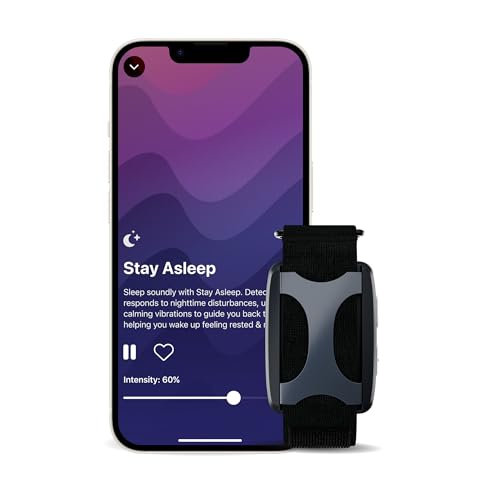
The Oura Ring and Whoop are the most accurate consumer options for sleep stages and HRV; a smartwatch (Apple Watch, Garmin) works too if you'd rather not wear a ring. Prioritize validated HRV and sleep-stage tracking over step counts, check whether it needs a subscription (Whoop does), and pick something comfortable enough to wear every night.

What Makes a Good Magnesium Supplement
Form matters more than dose: magnesium glycinate and citrate absorb well and are gentle on the stomach, while cheap magnesium oxide is poorly absorbed. A typical supplemental dose is 200–400 mg of elemental magnesium (check the label — it's usually lower than the pill weight). Take it in the evening if you're using it for sleep, and pick a third-party-tested brand.


Frequently Asked Questions
Is it normal to feel tired after eating?
Mild drowsiness after a large meal is normal — blood flow shifts to the digestive system, and serotonin/melatonin precursors from food have a mild sedative effect. But consistent fatigue after moderate meals, or fatigue severe enough to impair function, is not normal and warrants investigation.
What labs should I get for post-meal fatigue?
Key tests include fasting insulin, fasting glucose, HbA1c, HOMA-IR, a comprehensive metabolic panel, thyroid panel (TSH, free T3, free T4), iron/ferritin, vitamin D, and a food sensitivity panel. A CGM (continuous glucose monitor) worn for 2 weeks can provide direct evidence of post-meal glucose patterns.
Can post-meal fatigue be a sign of diabetes?
Yes. Post-meal fatigue is one of the earliest symptoms of impaired glucose tolerance, which precedes type 2 diabetes by years. If you experience consistent fatigue after eating — especially with carbohydrate-heavy meals — request fasting insulin and HOMA-IR testing in addition to standard blood sugar labs. Catching insulin resistance early allows reversal through lifestyle changes.
Topic updates
Get the weekly metabolic health roundup
Insulin resistance, blood sugar, visceral fat, GLP-1 plateaus, metabolic syndrome, and weight-loss physiology.
Want your energy handled by a physician who works from your labs? See how Opt Health does it →
Check Where You Stand
Take our free health assessment to understand your metabolic, hormonal, and recovery risk factors — and get personalized recommendations.
Take the Free Assessment →Free · Takes 5 minutes · Instant results
Related Reading
-
Fatigue After Eating Normal Blood Sugar
Tired after eating with normal blood sugar: the vagal, reactive-hypoglycemia, and meal-composition mechanisms.
-
Ozempic Fatigue
Ozempic and GLP-1 fatigue: the caloric-deficit, micronutrient, and sleep mechanisms, and when it resolves.
Affiliate disclosure: The Metabolic Journal is reader-supported. Some links above are affiliate or referral links and we may earn a commission at no extra cost to you. As an Amazon Associate we earn from qualifying purchases. Products are chosen on the merits; commissions never influence what we recommend. This is general information, not medical advice — talk to your clinician before acting.