Sleep Apnea Symptoms: Warning Signs, Risk Factors & Testing
Medically reviewed by Medical Advisory Board Last reviewed 2026-08-19
How to recognize obstructive sleep apnea — even without loud snoring
Obstructive sleep apnea (OSA) affects an estimated 30 million Americans, but 80% of moderate-to-severe cases remain undiagnosed. Recognizing the symptoms is the first step toward treatment that dramatically improves energy, cognition, and cardiovascular health.
Sleep apnea happens when the upper airway repeatedly collapses during sleep, causing pauses in breathing (apneas) that last 10 seconds or more. Each event triggers a micro-arousal, often too brief to remember, which fragments sleep architecture and reduces the restorative deep sleep and REM stages your body needs.
The hallmark symptom is loud snoring, but many people with sleep apnea don't snore loudly — especially women and younger adults with upper airway resistance syndrome (UARS). Daytime fatigue, morning headaches, and brain fog may be the only presenting signs.
Partner · Opt Health
Want help fixing your sleep for real?
Opt Health treats sleep as a measurable system — cortisol rhythm, thyroid, testosterone, inflammation — and works the biology behind bad sleep with a physician, not a sleep-hygiene checklist.
See Opt Health's sleep program →Untreated sleep apnea increases cardiovascular risk by 2 to 3x, raises blood pressure, worsens insulin resistance, accelerates cognitive decline, and is linked to a 46% increased risk of all-cause mortality (Wisconsin Sleep Cohort Study). It also disrupts breathing, which wrecks sleep quality and HRV, making sleep apnea a central topic in our guide to improving your recovery.
Nighttime Symptoms of Sleep Apnea
- Loud, irregular snoring — especially with witnessed pauses in breathing
- Gasping or choking during sleep — the body's response to airway obstruction
- Restless sleep — frequent position changes, tangled sheets, excessive movement
- Nocturia — waking to urinate 2+ times per night (apnea events increase atrial natriuretic peptide)
- Night sweats — sympathetic nervous system activation during apneic episodes
- Bruxism — teeth grinding is strongly associated with sleep-disordered breathing
- Dry mouth on waking — from mouth breathing around an obstructed airway
Daytime Symptoms of Sleep Apnea
- Excessive daytime sleepiness — falling asleep in meetings, while driving, or during passive activities
- Morning headaches — from intermittent nocturnal hypoxia and CO₂ retention
- Brain fog and memory problems — fragmented sleep impairs hippocampal consolidation
- Irritability and mood changes — REM disruption impairs emotional regulation
- Difficulty concentrating — chronic sleep fragmentation mimics the cognitive effects of sleep deprivation
- Decreased libido — OSA suppresses testosterone production via hypoxia and sleep disruption
Risk Factors and Screening
Major risk factors include: BMI >30 (increases risk 6x), neck circumference >17" (men) or >16" (women), male sex (2–3x more common), age over 50, family history, nasal obstruction, and retrognathia (recessed jaw). The STOP-BANG questionnaire is a validated screening tool — a score of 5–8 indicates high probability of moderate-to-severe OSA.
Testing options: Polysomnography (overnight lab sleep study) remains the gold standard. Home sleep apnea tests (HSATs) are more accessible but may miss milder cases and UARS. An AHI (apnea-hypopnea index) of 5–15 is mild, 15–30 is moderate, and >30 is severe.
The STOP-BANG checklist below turns the tool into something you can actually use. Answering 'yes' to three or more items suggests a moderate-to-high risk worth discussing with a doctor.
- S: Snoring loudly enough to be heard through a closed door
- T: Tired, fatigued, or sleepy during the day
- O: Observed pauses in your breathing during sleep
- P: High blood pressure
- B: BMI over 35
- A: Age over 50
- N: Neck circumference over 16 inches (17 for men)
- G: Gender: male
Sleeping alone makes some signs harder to catch, since no one is there to notice snoring or breathing pauses. Track morning headaches, a dry mouth on waking, unrefreshing sleep, and any gasping awakenings instead. Our sleep score tool can help you follow these patterns over time and decide whether a sleep study makes sense.
Uncommon and Lesser-Known Symptoms of Sleep Apnea
Sleep apnea causes symptoms well beyond snoring and daytime sleepiness. These signs often go unrecognized because they don't seem connected to breathing or sleep.
Cardiovascular and respiratory: Heart palpitations and a racing heartbeat can follow apnea events, since low oxygen triggers a stress hormone response. Shortness of breath, during sleep or right after waking, is another sign worth mentioning to a doctor.
Digestive: Acid reflux often worsens with sleep apnea, since airway pressure changes can push stomach acid upward. Bloating and nausea can also show up, especially in the morning.
Oral and craniofacial: A scalloped tongue is a specific clinical sign: tooth-shaped indentation marks along the tongue's edges. These marks form when the tongue presses against the teeth while the body works to reopen a blocked airway.
Other physical signs: Joint and muscle aches, dizziness, and tinnitus (ringing in the ears) are less obvious symptoms some people with sleep apnea report.
Sleep Apnea and Other Conditions
Sleep apnea risk and presentation can shift alongside other health conditions and life circumstances. A few connections are worth knowing about.
Menopause and perimenopause: Hormonal shifts during this transition change airway tissue and muscle tone, which raises sleep apnea risk. Our perimenopause symptoms guide covers how these hormone changes affect sleep more broadly.
PCOS: Polycystic ovary syndrome raises sleep apnea risk on its own, separate from body weight, largely through elevated androgen levels. Women with PCOS should mention sleep symptoms to a doctor even at a lower BMI.
Neurological conditions: Conditions that affect breathing control, such as Parkinson's disease or multiple sclerosis, are linked more often to central sleep apnea than to the obstructive type covered on this page. If breathing pauses happen without the usual airway blockage pattern, our central sleep apnea guide explains the difference.
Children: Pediatric sleep apnea tends to have a different primary cause (enlarged tonsils and adenoids) and can show up as hyperactivity instead of daytime sleepiness. See our breakdown of sleep apnea symptoms in children if you're evaluating a child rather than yourself.
Veterans: Sleep apnea is a commonly filed VA disability claim, given service-related risk factors like weight changes, PTSD, and deployment-related sleep disruption. See our guide to sleep apnea and VA disability for how that claims process generally works.
Sleep Apnea Symptoms: Women vs. Men
Sleep apnea can look different depending on sex, which is one reason it goes underdiagnosed in women.
Women more often present without loud, obvious snoring. Insomnia, fatigue, and morning headaches are common instead, and this pattern is sometimes mistaken for depression or anxiety rather than a breathing disorder.
Men more often show the classic pattern of loud snoring with witnessed breathing pauses. Erectile dysfunction and low libido are also more visibly reported symptoms in men, tied to how low oxygen affects testosterone production.
Pregnancy: Weight gain, swelling of airway tissue, and more time spent sleeping on the back all raise sleep apnea risk during pregnancy. Gestational sleep apnea is also associated with complications like preeclampsia and gestational diabetes, so any suspected symptoms are worth discussing with an OB.
Easing Sleep Apnea Symptoms at Home
Some home habits can ease sleep apnea symptoms, though none of them replace a medical diagnosis or treatment plan.
- Side-sleeping: Sleeping on your side instead of your back reduces how much the tongue and soft tissue collapse into the airway.
- Avoiding alcohol and sedatives near bedtime: Both relax throat muscles and make airway collapse more likely.
- Managing nasal congestion: Saline rinses or treating allergies can make nighttime breathing easier.
- Weight loss: Losing excess weight can reduce airway tissue and ease symptoms, though it's a contributing factor rather than a guaranteed fix.
These steps can lower symptom severity, but they aren't a substitute for treatment. If symptoms don't improve, our sleep apnea treatments comparison covers the full range of medical options.
What to Look For in a Sleep & Recovery Tracker
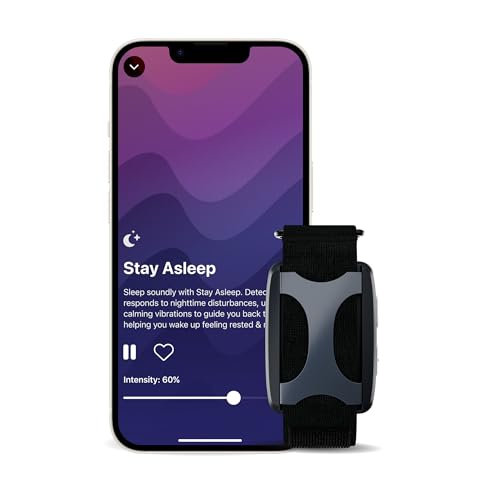
The Oura Ring and Whoop are the most accurate consumer options for sleep stages and HRV; a smartwatch (Apple Watch, Garmin) works too if you'd rather not wear a ring. Prioritize validated HRV and sleep-stage tracking over step counts, check whether it needs a subscription (Whoop does), and pick something comfortable enough to wear every night.

Frequently Asked Questions
Can you have sleep apnea without snoring?
Yes. Up to 30% of people with OSA are not habitual snorers, and most people with UARS (upper airway resistance syndrome) don't snore loudly. Women, younger adults, and those with a normal BMI are more likely to present without classic loud snoring. Daytime fatigue, insomnia, and morning headaches may be the primary symptoms.
What does a sleep apnea test involve?
A polysomnography (PSG) involves an overnight stay in a sleep lab with sensors monitoring brain waves (EEG), eye movements, muscle tone, heart rhythm, airflow, respiratory effort, and blood oxygen. A home sleep test (HSAT) is simpler, measuring airflow, respiratory effort, and oxygen saturation. PSG is more comprehensive and can diagnose UARS, which HSATs often miss.
Is sleep apnea dangerous if left untreated?
Yes. Untreated moderate-to-severe OSA increases the risk of hypertension by 2–3x, heart attack by 30%, stroke by 60%, type 2 diabetes by 30%, and atrial fibrillation by 2–4x. The Wisconsin Sleep Cohort Study found a 46% increase in all-cause mortality over 18 years in untreated severe OSA.
Can sleep apnea cause heart palpitations?
Yes. Apnea events drop blood oxygen and trigger a stress hormone surge, which can cause a racing or pounding heartbeat. Palpitations that happen mainly at night or right after waking are worth mentioning to a doctor, especially alongside other sleep apnea signs.
What does a scalloped tongue have to do with sleep apnea?
A scalloped tongue shows tooth-indentation marks along its edges. These marks form when the tongue presses against the teeth during airway obstruction, often building up over months or years. Dentists sometimes spot this sign before a person even suspects sleep apnea.
What makes sleep apnea symptoms worse from night to night?
Several things can make a given night worse. Alcohol and sedatives relax throat muscles and increase airway collapse. Sleeping on your back, nasal congestion, weight gain, and even prior sleep deprivation can each make apnea events more frequent.
Are sleep apnea symptoms constant or do they come and go?
Symptoms often vary from night to night rather than staying constant. A night with alcohol, congestion, or back-sleeping can bring worse snoring, more awakenings, and a rougher next day. A night without those triggers may feel noticeably better, even without treatment.
Does untreated sleep apnea get worse over time?
Untreated sleep apnea tends to follow the pattern of its underlying cause. If weight gain or airway anatomy stays the same or worsens, symptoms and severity usually progress. Addressing the underlying driver, or starting treatment, is the main way to change that trajectory.
Is sleep apnea brain fog the same as dementia?
No, having sleep apnea does not mean you have or will develop dementia. Some research links chronic oxygen deprivation from long-term untreated sleep apnea to higher dementia risk later in life, but that's a risk factor found in population studies, not a diagnosis. Treating sleep apnea supports brain health regardless.
Can sleep apnea be diagnosed without a sleep study?
Not fully. Screening questionnaires and self-reported signs like snoring or morning headaches can suggest your risk level, but they can't confirm a diagnosis. A home sleep test or in-lab polysomnography is needed to actually measure breathing pauses and quantify the diagnosis.
Topic updates
Get the weekly recovery roundup
Sleep, HRV, fatigue, burnout, cortisol rhythm, sleep apnea, overtraining, and stress physiology.
Want your sleep handled by a physician who works from your labs? See how Opt Health does it →
Check Where You Stand
Take our free health assessment to understand your metabolic, hormonal, and recovery risk factors — and get personalized recommendations.
Take the Free Assessment →Free · Takes 5 minutes · Instant results
Related Reading
-
Sleep Apnea in Children
Pediatric sleep apnea symptoms by age, from infant breathing pauses to school-age hyperactivity.
-
Sleep Apnea, Fatigue, Weight Gain, and Metabolic Risk
Connect sleep apnea to fatigue, weight gain, testing, and treatment options.
-
Sleep Apnea Treatment Options Compared
CPAP, oral appliances, positional therapy, surgery — compared.
See more related reading
-
Sleep Apnea vs Insomnia: How to Tell Two Very Different Sleep Disorders Apart
Sleep apnea vs insomnia: how to tell two very different sleep disorders apart, and what COMISA means.
-
Inspire Sleep Apnea Treatment: How It Works, Cost, and Results
STAR trial results, candidacy criteria, cost, and Medicare coverage.
-
Central Sleep Apnea: Causes, Symptoms, and Treatment Options
CNS vs airway mechanism, ASV vs CPAP, and causes including heart failure.
-
Sleep Apnea Treatment in Children: Why Pediatric OSA Is Treated Differently Than in Adults
Sleep apnea treatment in children: why pediatric OSA is treated differently than in adults.
-
Sleep Apnea VA Disability: How Claims Generally Work for Veterans
How sleep apnea VA disability claims generally work for veterans — education only, not legal advice.
Affiliate disclosure: The Metabolic Journal is reader-supported. Some links above are affiliate or referral links and we may earn a commission at no extra cost to you. As an Amazon Associate we earn from qualifying purchases. Products are chosen on the merits; commissions never influence what we recommend. This is general information, not medical advice — talk to your clinician before acting.