Chronic Fatigue Causes in Men & Women: Lab Tests & Treatment
Medically reviewed by Medical Advisory Board Last reviewed 2026-07-01
Why you're exhausted — and the medical workup that finds the real reason
Chronic fatigue causes in men and women — from iron deficiency and thyroid dysfunction to cortisol dysregulation and sleep-disordered breathing.
Chronic fatigue isn't a diagnosis, it's a symptom with dozens of possible medical causes. If fatigue persists for more than 6 months despite adequate sleep, it signals an underlying physiological dysfunction that lifestyle changes alone won't fix.
The most common mistake is treating fatigue like a single problem. In practice, chronic fatigue usually involves overlapping contributors: subclinical hypothyroidism, low ferritin (even when hemoglobin is normal), cortisol rhythm disruption, undiagnosed sleep apnea, and insulin resistance. A targeted lab workup identifies which mechanisms are driving your fatigue, and the order in which to address them.
Partner · Opt Health
Tired of being told your labs are “normal”?
Opt Health's energy workup goes past the standard panel — thyroid antibodies, free T3, ferritin, B12, testosterone, cortisol, inflammation — and a physician walks you through what's actually driving the fatigue.
See Opt Health's energy program →Research from the Mayo Clinic shows that comprehensive testing can identify a treatable medical cause in up to 40% of patients presenting with chronic fatigue. The key is to run the right tests, not just the standard CBC and metabolic panel.
Medical Causes of Chronic Fatigue
Thyroid dysfunction: Subclinical hypothyroidism (TSH 2.5–4.5 mIU/L with low-normal free T3) causes fatigue in up to 10% of adults. Standard TSH-only testing misses cases where T4-to-T3 conversion is impaired.
Iron deficiency: Ferritin below 50 ng/mL impairs oxygen delivery and mitochondrial energy production — even when hemoglobin is normal. Up to 30% of premenopausal women have low ferritin.
Cortisol dysregulation: Flat cortisol curves (low morning cortisol, elevated evening cortisol) disrupt the normal energy rhythm. A 4-point salivary cortisol test reveals the pattern.
Sleep-disordered breathing: Obstructive sleep apnea and upper airway resistance syndrome (UARS) fragment sleep architecture, reducing deep sleep and REM. An estimated 80% of moderate-to-severe cases are undiagnosed.
Insulin resistance: Impaired cellular glucose uptake forces reliance on inefficient energy pathways, causing persistent fatigue even with adequate caloric intake.
The Chronic Fatigue Lab Panel
| Test | Why It Matters | Optimal Range |
|---|---|---|
| TSH, Free T3, Free T4 | Thyroid function | TSH 0.5–2.0 mIU/L |
| Ferritin | Iron stores | 50–150 ng/mL |
| Fasting insulin + HOMA-IR | Metabolic function | Insulin <7 μIU/mL |
| AM cortisol | Adrenal output | 10–18 μg/dL (8 AM) |
| Vitamin D (25-OH) | Immune & energy | 50–80 ng/mL |
| Vitamin B12 | Nerve & RBC function | >500 pg/mL |
| RBC Magnesium | Cellular energy (ATP) | 5.0–6.5 mg/dL |
| hs-CRP | Systemic inflammation | <1.0 mg/L |
Treatment Hierarchy for Chronic Fatigue
Effective treatment follows a prioritized sequence: 1) Address sleep-disordered breathing — if present, no amount of supplementation will fix fatigue while you're desaturating 30 times per hour. 2) Correct nutrient deficiencies — iron, B12, vitamin D, and magnesium are foundational. 3) Optimize thyroid function — if free T3 is below 3.0 pg/mL with symptoms, treatment is warranted. 4) Regulate cortisol rhythm — phosphatidylserine, ashwagandha, and timed light exposure help restore normal patterns. 5) Address insulin resistance — dietary changes and exercise improve cellular energy production within 4–8 weeks.
When Labs Are Normal But You're Still Exhausted
A common and frustrating scenario: the standard workup — CBC, metabolic panel, thyroid, ferritin, vitamin D — comes back entirely normal, yet the exhaustion hasn't improved. This doesn't mean nothing is wrong or that the fatigue is 'in your head.' It often means the underlying process isn't one that shows up on routine bloodwork at all.
This is where myalgic encephalomyelitis/chronic fatigue syndrome (ME/CFS) becomes a relevant consideration. Unlike hypothyroidism or iron deficiency, ME/CFS has no single confirmatory lab test. It is a clinical diagnosis of exclusion, made by first ruling out identifiable medical causes through comprehensive testing, then matching the remaining symptom pattern against established diagnostic criteria — namely a substantial, unexplained reduction in function lasting more than six months, post-exertional malaise, and unrefreshing sleep, plus either cognitive impairment or orthostatic intolerance.
If your labs are unremarkable and fatigue persists, worth raising with your doctor: ask whether your symptom pattern includes post-exertional malaise — this single feature is what separates ME/CFS from general fatigue and is frequently missed unless directly asked about; request screening for commonly overlapping conditions not always covered in a first-pass workup, including orthostatic intolerance/POTS testing and a sleep study; and ask for a referral to a specialist experienced with ME/CFS or post-viral illness if primary care has exhausted standard options. See our full ME/CFS diagnostic criteria and management guide for the complete symptom framework used to make this diagnosis.
What to Look For in a Sleep & Recovery Tracker
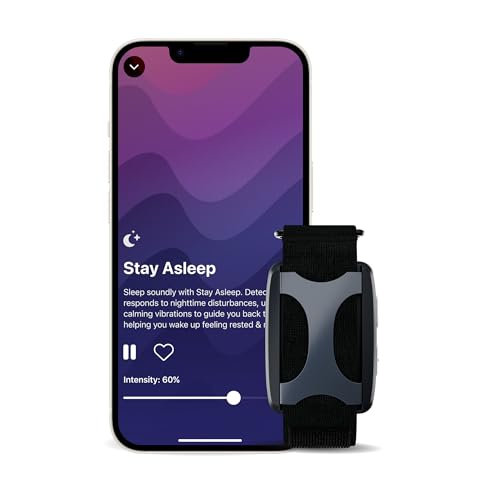
The Oura Ring and Whoop are the most accurate consumer options for sleep stages and HRV; a smartwatch (Apple Watch, Garmin) works too if you'd rather not wear a ring. Prioritize validated HRV and sleep-stage tracking over step counts, check whether it needs a subscription (Whoop does), and pick something comfortable enough to wear every night.

What Makes a Good Magnesium Supplement
Form matters more than dose: magnesium glycinate and citrate absorb well and are gentle on the stomach, while cheap magnesium oxide is poorly absorbed. A typical supplemental dose is 200–400 mg of elemental magnesium (check the label — it's usually lower than the pill weight). Take it in the evening if you're using it for sleep, and pick a third-party-tested brand.


Frequently Asked Questions
What is the difference between chronic fatigue and chronic fatigue syndrome?
Chronic fatigue is a symptom — persistent exhaustion lasting more than 6 months. Chronic fatigue syndrome (ME/CFS) is a specific diagnosis requiring fatigue plus post-exertional malaise (symptoms worsen 12–48 hours after exertion), unrefreshing sleep, and cognitive impairment or orthostatic intolerance, per the 2015 IOM criteria. Most people with chronic fatigue do not have ME/CFS.
What blood tests should I get if I'm always tired?
Start with: CBC, comprehensive metabolic panel, TSH + free T3 + free T4, ferritin, fasting insulin, vitamin D, B12, RBC magnesium, hs-CRP, and AM cortisol. If these are unremarkable, consider a sleep study, salivary cortisol curve, and sex hormone panel (testosterone for men, estradiol/progesterone for women).
Can chronic fatigue be cured?
When an identifiable medical cause is found — thyroid dysfunction, iron deficiency, sleep apnea, insulin resistance — treatment often resolves the fatigue within 4–12 weeks. Multi-factorial cases improve more gradually as each contributor is addressed. True ME/CFS is more complex and requires specialized management.
Is chronic fatigue syndrome considered a disability?
It can be, depending on severity and jurisdiction — see our breakdown in is chronic fatigue syndrome a disability? covering US SSDI, ADA accommodations, and UK PIP/Universal Credit.
Topic updates
Get the weekly recovery roundup
Sleep, HRV, fatigue, burnout, cortisol rhythm, sleep apnea, overtraining, and stress physiology.
Want your energy handled by a physician who works from your labs? See how Opt Health does it →
Check Where You Stand
Take our free health assessment to understand your metabolic, hormonal, and recovery risk factors — and get personalized recommendations.
Take the Free Assessment →Free · Takes 5 minutes · Instant results
Related Reading
-
Chronic Fatigue Syndrome (ME/CFS): What We Know
ME/CFS: diagnostic criteria, current research, and management.
-
Chronic Fatigue Syndrome Va Disability Rating
How the VA rates ME/CFS disability claims — presumptive conditions and evidence needed.
-
Chronic Fatigue Syndrome Specialty Clinics
How ME/CFS specialty clinics and research centers work, and how referrals happen.
See more related reading
-
Is Chronic Fatigue Syndrome A Disability
Is ME/CFS a disability? SSDI, ADA, UK PIP, and ICD-10 coding explained.
-
Chronic Fatigue vs Fibromyalgia vs Narcolepsy
ME/CFS vs fibromyalgia vs narcolepsy vs depression — a differential-diagnosis comparison.
Affiliate disclosure: The Metabolic Journal is reader-supported. Some links above are affiliate or referral links and we may earn a commission at no extra cost to you. As an Amazon Associate we earn from qualifying purchases. Products are chosen on the merits; commissions never influence what we recommend. This is general information, not medical advice — talk to your clinician before acting.