Sleep Apnea, Fatigue & Weight Gain: The Metabolic Health Guide
Medically reviewed by Medical Advisory Board Last reviewed 2026-08-19
How sleep-disordered breathing blocks energy, recovery, hormones, and body composition
Sleep apnea is a root cause of energy dysfunction. Fragmented breathing at night lowers sleep quality, reduces oxygen stability, raises cardiometabolic risk, worsens insulin resistance, and can suppress the hormonal signals needed for recovery and body composition.
This guide explains how sleep apnea affects recovery, metabolism, and hormones, and covers testing and practical treatment decisions. It helps you choose the right next step: symptom triage, home testing, treatment comparison, metabolic labs, or assessment.
Start with the problem you're facing right now: sleep apnea symptoms, waking up tired, sleep apnea treatment, CPAP alternatives, oral appliance options, home sleep study decisions, or the connection between sleep apnea and weight gain. The goal is to move from suspicion to testing, then to the right treatment path.
Partner · Opt Health
Want help fixing your sleep for real?
Opt Health treats sleep as a measurable system — cortisol rhythm, thyroid, testosterone, inflammation — and works the biology behind bad sleep with a physician, not a sleep-hygiene checklist.
See Opt Health's sleep program →Symptoms to Connect
Sleep apnea evaluation should begin with the symptoms you notice: loud snoring, witnessed pauses in breathing, waking up tired, morning headaches, dry mouth, nighttime urination, daytime sleepiness, brain fog, high blood pressure, and weight loss resistance.
- Sleep apnea symptoms for warning signs.
- Waking up tired for unrefreshing sleep patterns.
- Chronic fatigue for broader differential diagnosis.
- Upper airway resistance syndrome for normal-AHI fatigue patterns.
Root Causes and Metabolic Links
Position sleep apnea as a recovery problem with metabolic consequences. Airway anatomy, visceral fat, nasal obstruction, alcohol, sedatives, menopause-related airway changes, and supine sleep can all worsen breathing. In turn, fragmented sleep can increase sympathetic tone, worsen glucose control, lower HRV, impair testosterone, and make weight loss harder.
Testing and Biomarkers
| Test or Marker | Use | Next Step |
|---|---|---|
| Home sleep apnea test | Best first diagnostic step for many suspected OSA cases. | Testing or provider connection |
| In-lab polysomnography | Needed for complex cases, UARS suspicion, or inconclusive home testing. | Sleep specialist referral |
| AHI, oxygen nadir, ODI | Quantifies breathing events and oxygen instability. | Treatment comparison |
| HRV, resting heart rate, blood pressure | Tracks recovery and autonomic stress load. | HRV guide |
| Fasting insulin, HbA1c, lipids, waist circumference | Connects sleep apnea to metabolic risk and body composition. | metabolic health |
Treatment Paths
If you are comparing options, start with CPAP, oral appliances, positional therapy, weight loss when relevant, nasal or airway interventions, myofunctional therapy, and Inspire, then move into the dedicated treatment comparison.
- Sleep apnea treatments compared for CPAP, oral appliance, surgery, and alternatives.
- Inspire sleep apnea device — who qualifies, how the implant works, and what to expect.
- Central sleep apnea — how it differs from obstructive sleep apnea and why treatment is different.
- Poor sleep quality for non-OSA sleep fragmentation.
- Sleep recovery score for screening and progress tracking.
- Free assessment for metabolic, hormonal, and recovery triage.
- Can sleep apnea be cured? for what resolves it and what only controls it.
Popular Next Steps
Most readers should continue into one of these decisions: whether their symptoms justify a sleep study, whether a home sleep apnea test is enough, what to do if CPAP is not working, how oral appliances compare, when Inspire is relevant, and whether sleep apnea is contributing to weight gain or poor metabolic markers.
Evidence-Based Treatment Guidelines (AASM 2023)
The American Academy of Sleep Medicine (AASM) 2023 clinical practice guidelines provide the current evidence-based framework for OSA treatment decisions. Key recommendations:
- CPAP is recommended for all patients with OSA regardless of severity when adherence is achievable (strong recommendation). The 2023 guidelines reaffirm CPAP as first-line based on its efficacy in reducing AHI to <5 events/hour in the majority of patients.
- AHI treatment targets: The primary goal is to reduce AHI to <5 events/hour (normal range). A residual AHI of 5–15 events/hour may be acceptable if symptoms improve and cardiovascular risk factors are controlled. AHI >15 with symptoms and cardiovascular comorbidities warrants optimization — dose increase, mask fitting, or alternative therapy.
- Cardiovascular benefit threshold: The SAVE trial (McEvoy et al., NEJM 2016) — 2,717 patients with cardiovascular disease and moderate-to-severe OSA — showed CPAP did not significantly reduce major adverse cardiovascular events compared to usual care. However, CPAP adherence in SAVE was low (~3.3 hours/night). The ISAACC trial (2022) similarly found no cardiovascular benefit with low adherence. Analysis of adherent patients (≥4 hours/night) in both trials showed trend-level cardiovascular benefit. The AASM guidelines now specify: cardiovascular benefit from CPAP requires ≥4 hours of nightly use for ≥70% of nights. Irregular or partial CPAP use does not achieve the benefit signal seen in high-adherence patients.
- Weight loss as adjunctive therapy: The AASM conditionally recommends weight loss for all patients with OSA and BMI ≥30. The 2024 FDA approval of tirzepatide (Zepbound) specifically for OSA with obesity provides a pharmacological option for this recommendation. Weight loss of 10–15% reduces AHI by 30–50% in obese patients and may allow some patients to step down treatment intensity.
- Oral appliances: Conditionally recommended for patients who prefer them over CPAP or cannot tolerate CPAP, particularly for mild-to-moderate OSA. Custom devices from a dental sleep medicine specialist are strongly preferred over over-the-counter devices.
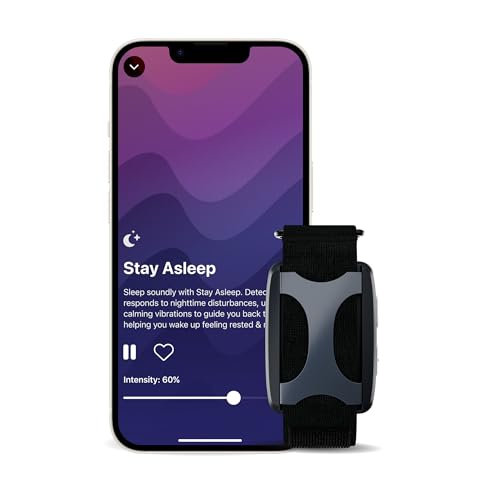
What to Look For in a Sleep & Recovery Tracker
The Oura Ring and Whoop are the most accurate consumer options for sleep stages and HRV; a smartwatch (Apple Watch, Garmin) works too if you'd rather not wear a ring. Prioritize validated HRV and sleep-stage tracking over step counts, check whether it needs a subscription (Whoop does), and pick something comfortable enough to wear every night.

Frequently Asked Questions
Can sleep apnea cause fatigue even if I sleep 8 hours?
Yes. Sleep apnea fragments sleep architecture and increases arousal burden, so total sleep time can look adequate while deep sleep, REM sleep, oxygen stability, and HRV are impaired. Waking tired after a full night is a reason to review sleep-disordered breathing.
Can sleep apnea cause weight gain or weight loss resistance?
Sleep apnea can contribute to weight gain indirectly through sleep fragmentation, higher sympathetic stress, poorer glucose control, lower daytime energy, and reduced training recovery. Weight gain can also worsen sleep apnea, creating a two-way cycle.
What are the main CPAP alternatives?
Common alternatives include oral appliances, positional therapy, weight loss when relevant, nasal/airway treatment, myofunctional therapy, and surgical options including Inspire for selected patients. Treatment choice depends on severity, anatomy, oxygen data, symptoms, and adherence.
Do home sleep apnea tests work?
Home tests are useful for many people with suspected obstructive sleep apnea, especially when symptoms are straightforward. They may miss UARS, complex sleep disorders, and some mild or positional cases, so persistent symptoms after a negative test should route to in-lab polysomnography.
Can sleep apnea go into remission?
Yes — sleep apnea remission (defined as AHI falling below 5 events/hour without treatment) is possible, particularly when the underlying drivers are addressed. Mechanisms that can reduce OSA severity to the point of remission include: significant weight loss (10–15%+ body weight in obese patients with weight-driven OSA), position change in purely positional OSA (AHI normal when not supine), nasal airway correction (septoplasty or turbinate reduction for anatomy-driven cases), myofunctional therapy strengthening pharyngeal muscles, and in children, adenotonsillectomy which achieves remission in 50–80% of pediatric cases. In adults with moderate-to-severe OSA, full remission without treatment is uncommon but partial remission (AHI improving from severe to mild) is achievable with meaningful weight loss. SURMOUNT-OSA trial data showed 42% of tirzepatide-treated patients achieved AHI <5 events/hour at 52 weeks — the first pharmaceutical data demonstrating OSA remission rates. Annual re-testing is recommended for patients who achieve remission to confirm it is sustained.
What should I do if CPAP is not working?
Most CPAP problems trace back to five fixable issues. A poor mask seal lets air leak out and cuts effective pressure. A pressure setting that was never properly titrated can leave breathing events untreated. Skipping nights or using the machine only part of the night limits the benefit. Consistent nightly use is what lowers AHI over time. Dry mouth or a stuffy nose often means the machine needs a heated humidifier. Nasal congestion from allergies or a deviated septum can block airflow even with a sealed mask. Check these common causes first. If symptoms continue on CPAP afterward, ask a sleep doctor about treatment-emergent central sleep apnea. This less common pattern is covered in our central sleep apnea guide.
Topic updates
Get the weekly recovery roundup
Sleep, HRV, fatigue, burnout, cortisol rhythm, sleep apnea, overtraining, and stress physiology.
Want your sleep handled by a physician who works from your labs? See how Opt Health does it →
Check Where You Stand
Take our free health assessment to understand your metabolic, hormonal, and recovery risk factors — and get personalized recommendations.
Take the Free Assessment →Free · Takes 5 minutes · Instant results
Related Reading
-
Sleep Apnea Symptoms: Signs You're Not Breathing at Night
OSA warning signs: snoring, witnessed apneas, daytime sleepiness.
-
Sleep Apnea in Children
Pediatric sleep apnea symptoms by age, from infant breathing pauses to school-age hyperactivity.
-
Sleep Apnea Treatment Options Compared
CPAP, oral appliances, positional therapy, surgery — compared.
See more related reading
-
Sleep Apnea vs Insomnia: How to Tell Two Very Different Sleep Disorders Apart
Sleep apnea vs insomnia: how to tell two very different sleep disorders apart, and what COMISA means.
-
Inspire Sleep Apnea Treatment: How It Works, Cost, and Results
STAR trial results, candidacy criteria, cost, and Medicare coverage.
-
Central Sleep Apnea: Causes, Symptoms, and Treatment Options
CNS vs airway mechanism, ASV vs CPAP, and causes including heart failure.
-
Sleep Apnea Treatment in Children: Why Pediatric OSA Is Treated Differently Than in Adults
Sleep apnea treatment in children: why pediatric OSA is treated differently than in adults.
-
Sleep Apnea VA Disability: How Claims Generally Work for Veterans
How sleep apnea VA disability claims generally work for veterans — education only, not legal advice.
Affiliate disclosure: The Metabolic Journal is reader-supported. Some links above are affiliate or referral links and we may earn a commission at no extra cost to you. As an Amazon Associate we earn from qualifying purchases. Products are chosen on the merits; commissions never influence what we recommend. This is general information, not medical advice — talk to your clinician before acting.