Brain Fog: Hormonal Causes, Symptoms & How to Clear It
Medically reviewed by Medical Advisory Board Last reviewed 2026-09-16
When cognitive sluggishness has an endocrine root cause
Brain fog — difficulty concentrating, memory lapses, mental fatigue — is one of the most common complaints linked to hormonal imbalance. Thyroid dysfunction, estrogen fluctuations, low testosterone, insulin resistance, and cortisol dysregulation all impair cognitive function through distinct mechanisms.
Brain fog isn't a medical diagnosis. It's a symptom that describes cognitive dysfunction, including trouble thinking clearly, difficulty concentrating, forgetfulness, and mental fatigue. It can have many potential causes, such as poor sleep, infection, and medication side effects, but hormonal imbalances are among the most common and most treatable drivers.
The brain is one of the body's most hormone-sensitive organs. It has receptors for estrogen, testosterone, thyroid hormones, cortisol, and insulin, all of which modulate neurotransmitter synthesis, cerebral blood flow, synaptic plasticity, and neuronal energy metabolism. When these hormones fall outside their normal range, cognitive function suffers.
Partner · Opt Health
Tired of being told your labs are “normal”?
Opt Health's energy workup goes past the standard panel — thyroid antibodies, free T3, ferritin, B12, testosterone, cortisol, inflammation — and a physician walks you through what's actually driving the fatigue.
See Opt Health's energy program →Hormonal Causes of Brain Fog
Thyroid dysfunction: Hypothyroidism reduces cerebral glucose metabolism by up to 12% (Journal of Clinical Endocrinology & Metabolism). Even subclinical hypothyroidism (TSH 2.5-4.5 with normal T3/T4) is associated with impaired working memory and processing speed. Free T3 is the active thyroid hormone in the brain.
Estrogen fluctuations: Estrogen supports cholinergic neurons (acetylcholine production) and hippocampal function. Perimenopausal estrogen swings — not just low estrogen — cause the brain fog reported by 60% of women in the menopause transition (Neurology, 2013).
Low testosterone: Testosterone receptors in the prefrontal cortex and hippocampus support verbal memory, spatial reasoning, and executive function. Men with low T score lower on cognitive tests (Journal of Alzheimer's Disease, 2019).
Insulin resistance: The brain uses ~20% of the body's glucose. Cerebral insulin resistance impairs neuronal glucose uptake, reducing energy for cognitive processes. This mechanism is so significant that Alzheimer's is sometimes called 'type 3 diabetes.'
Cortisol excess: Chronic cortisol elevation is neurotoxic to the hippocampus, causing measurable hippocampal volume reduction on MRI (Neurology, 2018).
Brain fog and the menstrual cycle: Concentration difficulties often track the hormonal shifts of the menstrual cycle, particularly during the late luteal phase and menstruation, when estrogen (which supports verbal memory and processing speed) drops sharply. The American College of Obstetricians and Gynecologists includes trouble concentrating among common PMS symptoms. Research comparing cognitive performance around ovulation, when estrogen rises again, to the luteal phase shows mixed findings with small differences. Pregnancy brings its own rapid hormonal shifts — rising progesterone, estrogen, and hCG alongside nausea and poor sleep — that frequently coincide with the fog some call 'pregnancy brain,' though the research base evaluating it remains limited and mixed. After delivery, sleep deprivation is the best-documented driver of postpartum cognitive fog, layered onto a steep drop in estrogen and progesterone and elevated prolactin during breastfeeding. Hormonal IUDs like Kyleena release a low, localized dose of levonorgestrel; a subset of users report mood or cognitive side effects from hormonal contraceptives generally, though data specific to Kyleena and cognitive symptoms remains limited.
Identifying the Root Cause
The pattern of brain fog provides clues to the hormonal driver:
- Constant fog, worse in morning: Think thyroid (especially if accompanied by fatigue, cold intolerance, weight gain)
- Fog with word-finding difficulty: Estrogen fluctuations (perimenopause) or low testosterone
- Fog after meals: Insulin resistance and glucose dysregulation
- Fog with anxiety/racing mind: Cortisol excess
- Fog that clears with exercise: May indicate cerebrovascular or metabolic driver
Recommended testing: Full thyroid panel (TSH, free T3, free T4, TPO Ab), sex hormones (estradiol, free testosterone, SHBG), fasting insulin, HbA1c, AM cortisol, vitamin B12, vitamin D, ferritin, and complete blood count.
Anemia, Ferritin, and Brain Fog
Anemia brain fog happens because the brain is highly sensitive to oxygen delivery and iron-dependent energy metabolism. Iron deficiency can cause cognitive sluggishness, dizziness, headaches, exercise intolerance, restless legs, and fatigue even before hemoglobin is frankly low. Ferritin is especially important: a complete blood count can look normal while low iron stores still impair energy and concentration. If brain fog comes with heavy periods, vegetarian or vegan diet, pregnancy/postpartum history, GI symptoms, or shortness of breath with exertion, check CBC, ferritin, iron/TIBC, B12, folate, and thyroid markers together.
Categorizing Brain Fog Causes: Nutritional, Hormonal, Medical, and Lifestyle
Brain fog causes generally fall into four overlapping categories: nutritional deficiencies, hormonal imbalances, underlying medical conditions, and lifestyle factors — and most people dealing with persistent fog have more than one contributing cause active at once.
- Nutritional causes: Vitamin B12 deficiency slows myelin formation and neurotransmitter synthesis, producing sluggish thinking, forgetfulness, and low mood. Iron deficiency (see ferritin above) reduces oxygen delivery to brain tissue even before anemia shows up on a standard blood count. Vitamin D deficiency and dehydration are common, easily overlooked contributors as well.
- Hormonal causes: Thyroid dysfunction, estrogen fluctuations, low testosterone, insulin resistance, and cortisol dysregulation — covered in detail above — are among the most treatable drivers of brain fog because they are identifiable on routine labs.
- Post-meal blood sugar swings: A meal weighted heavily toward refined carbohydrate with little fiber, protein, or fat produces a sharper, faster glucose peak than carbohydrate eaten alongside those components. This pattern can produce a noticeable dip in alertness in the hour or two afterward. Our dedicated pages on glucose spikes and blood sugar crashes explain how these post-meal swings contribute to brain fog.
- Medical causes: Sleep apnea, depression and anxiety, autoimmune disease, chronic infection, and certain medications can all produce cognitive fog as a side effect rather than a hormone problem directly.
- Lifestyle causes: Chronic sleep deprivation, prolonged stress, sedentary habits, alcohol use, and highly processed diets all measurably affect attention and working memory, independent of any diagnosable condition.
How urgent is it? The label people put on their brain fog — 'bad,' 'intense,' 'sudden,' or 'chronic' — is a genuinely useful triage signal. Mild, fluctuating fog that comes and goes with stress, sleep, or the menstrual cycle is common and rarely urgent. Fog described as severe or all-consuming, especially alongside other new symptoms, deserves a prompt medical visit rather than a wait-and-see approach. Sudden-onset fog — going from clear-headed to foggy within hours or a day — is handled with more urgency than fog that has built up gradually over months, since an abrupt change is more likely to reflect an acute process (infection, medication reaction, or in rare cases a cardiovascular or neurological event). Chronic, persistent fog usually points toward an ongoing metabolic, hormonal, or nutritional cause that is worth working through with the lab panel described above.
Brain Fog Linked to Specific Conditions
Several diagnosable conditions beyond classic hormonal imbalance produce brain fog as a hallmark symptom, and recognizing the pattern can point toward the right next step.
Hypothyroidism and Hashimoto's: As detailed above, thyroid hormone directly affects cerebral glucose metabolism, making low thyroid function one of the most common — and most testable — causes of brain fog. See our hypothyroidism guide for full symptom and testing details.
PCOS: Polycystic ovary syndrome combines insulin resistance with androgen and estrogen imbalance, a combination that frequently produces the same fatigue-plus-fog pattern seen with insulin resistance alone. See our PCOS guide for how the condition is diagnosed and managed.
GERD (acid reflux): Chronic reflux disrupts sleep quality — even without fully waking — through frequent nighttime micro-arousals, and poor sleep is one of the most reliable ways to produce next-day brain fog. Long-term use of acid-suppressing medication can also reduce B12 absorption over time, adding a nutritional layer to the fog. The American College of Gastroenterology notes that nighttime reflux is a common, underrecognized cause of disrupted sleep.
Fibromyalgia: 'Fibro fog' is a formally recognized part of the condition, alongside widespread pain and non-restorative sleep. The American College of Rheumatology lists cognitive difficulty — trouble concentrating, word-finding, and short-term memory lapses — as a core feature of fibromyalgia rather than a separate complaint layered on top of it.
POTS (postural orthostatic tachycardia syndrome): POTS causes an abnormal heart-rate increase on standing, and the same blood-flow instability that produces lightheadedness also transiently reduces cerebral blood flow, producing fog that is often worse when upright and better lying down. Dysautonomia International lists cognitive dysfunction among the most commonly reported POTS symptoms, alongside dizziness and fatigue.
Long COVID: Cognitive impairment — often described by patients as brain fog — is one of the most persistent reported symptoms following COVID-19 infection, in some cases lasting months after the initial illness resolves. The CDC lists difficulty thinking or concentrating among the recognized long COVID symptoms warranting medical follow-up.
Brain Fog in Older Adults and Children
Brain fog looks and behaves differently at the extremes of age than it does in the midlife adults most commonly discussed in hormonal-health content.
Elderly brain fog: Normal aging causes a real but usually mild slowing of processing speed, which is different from the progressive, worsening cognitive decline associated with dementia. In older adults, brain fog is disproportionately driven by causes that are highly treatable: polypharmacy (medication interactions and side effects), B12 deficiency (more common with age due to reduced stomach acid and, in some cases, long-term metformin use), thyroid dysfunction (which becomes more prevalent with age), untreated sleep apnea, dehydration, and depression — which can produce a cognitive picture sometimes called 'pseudo-dementia' because it mimics dementia but improves with treatment. Because the differential includes both benign and serious causes, new or worsening brain fog in an older adult is worth a dedicated medical visit rather than being dismissed as normal aging.
Brain fog in children and teens: Kids rarely describe their symptoms as 'brain fog,' but parents and teachers often notice the equivalent: trouble focusing in school, forgetfulness, or seeming checked out. In this age group, the most common drivers are insufficient sleep (a widespread and under-addressed issue in teenagers), iron deficiency (particularly in menstruating teens), untreated attention or learning differences, anxiety, and post-viral fatigue following common childhood illnesses. Persistent cognitive complaints in a child — especially alongside declining school performance, mood changes, or physical symptoms — warrant evaluation by a pediatrician rather than being assumed to be a phase.
Brain Fog Timing Patterns: What They Suggest
When brain fog shows up relative to a cycle, an illness, or a specific moment often narrows down the likely cause faster than the symptom itself does.
Cyclical and hormonal timing: Brain fog that reliably appears in the days before a period tracks the premenstrual drop in progesterone and estrogen, similar in mechanism to the fog many women describe during perimenopause. Brain fog that appears specifically during pregnancy ('pregnancy brain') reflects a combination of rapidly shifting hormone levels, expanded blood volume, and disrupted sleep, and it typically improves postpartum as hormones stabilize.
Illness-related timing: Brain fog that shows up while sick with a cold, flu, or other infection is largely driven by the immune system itself — inflammatory cytokines released during infection act on the brain to produce the fatigue, low motivation, and mental fog collectively known as 'sickness behavior.' This kind of fog is expected to resolve as the illness clears and is not, on its own, a sign of anything more serious.
Sudden-onset fog: Brain fog that appears abruptly — over hours rather than days or weeks — is handled with more urgency than fog that builds gradually, since sudden changes are more likely to reflect an acute trigger such as a new medication, a metabolic disturbance, or, less commonly, a neurological event.
Chronic or persistent fog: Brain fog present continuously for months, without a clear trigger, is the pattern most likely to reflect an ongoing and treatable underlying cause — most often hormonal, nutritional, or related to sleep — and is the pattern most worth working through with the lab panel described above.
Medications That Cause Brain Fog
Prescription medications can impair concentration, memory, and alertness through sedation, discontinuation syndromes, sleep disruption, or post-dose rebound effects, though the strength of the evidence varies widely across medication classes.
Well-documented cognitive side effects: Gabapentin and levetiracetam (Keppra) are anticonvulsants with well-documented cognitive side effects in both prescribing information and neurology literature; patients frequently report cognitive slowing, dizziness, and fatigue. Benzodiazepines such as alprazolam (Xanax) commonly cause daytime sedation and measurable cognitive impairment during active treatment, and abrupt discontinuation causes a recognized benzodiazepine withdrawal syndrome that includes acute anxiety and cognitive fog.
Timing and rebound effects: Stimulants like Adderall XR (amphetamine) and Vyvanse (lisdexamfetamine) rarely cause fog while active; instead, patients report fatigue and mental fog during the post-stimulant crash as the medication wears off. Bupropion (Wellbutrin) is generally more activating and less sedating than SSRIs, but it can cause insomnia in some people, and that disrupted sleep can indirectly cause daytime fog.
Subjective and patient-reported: Some patients on SSRIs including escitalopram (Lexapro) and fluoxetine (Prozac) report subjective cognitive cloudiness or emotional blunting, though this is less mechanistically established than the effects above and remains largely subjective. Users of hormonal birth control report cognitive and mood shifts in some cases, but the research base for cognitive complaints specifically is far more limited than the literature on mood effects.
Scientifically unsettled: In 2012, the FDA revised statin drug labels to note rare postmarketing reports of memory loss and confusion, sometimes described as 'statin fog,' including with rosuvastatin. Large controlled studies have not consistently confirmed a causal link, leaving this FDA-flagged association scientifically unsettled. Anyone who suspects a prescribed medication is causing brain fog should discuss it with the prescribing clinician rather than stopping the medication on their own.
Brain Fog From Substance Use and Withdrawal
Substance use and withdrawal cause brain fog through direct cognitive impairment while a substance is active, combined with sleep disruption, dehydration, and temporary rebound symptoms once intake stops. Alcohol, nicotine, and cannabis each disrupt mental clarity through distinct physiological pathways, both during active use and after cessation.
Alcohol and hangover-related fog: next-day cognitive impairment after drinking involves multiple overlapping disruptions rather than a single cause. Clinical toxicology literature on hangovers points to dehydration, disrupted sleep architecture, and the direct effects of alcohol alongside its breakdown metabolites. Alcohol fragments REM sleep specifically, leaving the brain unrested even after a normal number of hours in bed, and that fragmented sleep pairs with fluid loss and circulating metabolites to slow processing speed and impair focus the following day; symptoms typically resolve as the body rehydrates, clears metabolites, and restores normal sleep cycles.
Nicotine withdrawal and vaping cessation: nicotine acts as a stimulant, temporarily enhancing attention and alertness while active. When someone stops using nicotine through cigarettes, vaping, or pouches, that chemical stimulation abruptly disappears. CDC and Mayo Clinic smoking-cessation materials document that nicotine withdrawal causes difficulty concentrating alongside irritability, most intense in the first one to two weeks after quitting and gradually declining as neurochemistry stabilizes.
Cannabis use versus cannabis withdrawal: cannabis affects cognition through two separate mechanisms. During acute use, cannabis directly impairs short-term memory and processing speed while active cannabinoids remain in the system. Regular, heavy cannabis use can also produce a cannabis withdrawal syndrome, officially recognized in the DSM-5, with difficulty concentrating as a primary diagnostic feature alongside mood and sleep shifts; for most people, focus typically improves within one to two weeks of sustained abstinence.
Supplements and Vitamins for Brain Fog
Correcting a confirmed nutrient deficiency provides the strongest clinical foundation for resolving brain fog. Vitamin B12 deficiency and iron-deficiency anemia are established, testable causes of cognitive fog and fatigue, already covered above in the Anemia, Ferritin, and Brain Fog section, where serum testing confirms whether a biological shortfall exists. Supplementing a nutrient when you already hold adequate levels does not provide the same benefit seen with an actual deficiency; testing before supplementing, using the lab panels discussed earlier on this page, is the more evidence-based approach.
Magnesium is not a guaranteed fix for cognitive fog. Small clinical trials suggest it may support sleep quality and lessen stress symptoms, which could secondarily ease fog, but direct high-quality evidence that magnesium improves brain fog in people who are not deficient remains limited. Creatine supplementation is an active area of research: several small clinical trials, including in sleep-deprived or stressed groups, suggest it may support short-term cognitive performance and resistance to mental fatigue, an emerging area rather than a settled consensus.
Not Sure If This Applies to You?
Review this self-check to see if your symptoms match a hormonal or metabolic pattern:
- Difficulty concentrating or staying focused on routine tasks
- Memory lapses, such as forgetting familiar details or losing your train of thought
- Mental fatigue that leaves your thinking sluggish even after resting
- Timing patterns where symptoms shift alongside your menstrual cycle or menopause
If several of these apply, pinpointing the underlying driver is the next step. Take our assessment quiz to see which hormonal and metabolic factors match your symptom profile.
What to Look For in a Sleep & Recovery Tracker
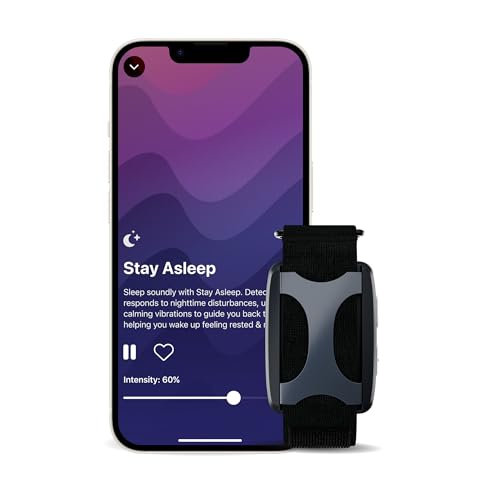
The Oura Ring and Whoop are the most accurate consumer options for sleep stages and HRV; a smartwatch (Apple Watch, Garmin) works too if you'd rather not wear a ring. Prioritize validated HRV and sleep-stage tracking over step counts, check whether it needs a subscription (Whoop does), and pick something comfortable enough to wear every night.

What Makes a Good Magnesium Supplement
Form matters more than dose: magnesium glycinate and citrate absorb well and are gentle on the stomach, while cheap magnesium oxide is poorly absorbed. A typical supplemental dose is 200–400 mg of elemental magnesium (check the label — it's usually lower than the pill weight). Take it in the evening if you're using it for sleep, and pick a third-party-tested brand.


Frequently Asked Questions
Can hormones really cause brain fog?
Absolutely. The brain has abundant receptors for estrogen, testosterone, thyroid hormones, cortisol, and insulin. Neuroimaging studies show measurable changes in brain metabolism and connectivity with hormonal shifts. Perimenopausal women show reduced hippocampal activation on fMRI during memory tasks, which normalizes with estrogen therapy. Hypothyroid patients show decreased cerebral glucose metabolism that improves with thyroid hormone replacement.
How do I know if my brain fog is hormonal or something else?
Hormonal brain fog typically: develops gradually over weeks to months, correlates with other hormonal symptoms (fatigue, weight changes, mood changes, menstrual changes), worsens with stress, and doesn't improve with rest alone. Sudden-onset brain fog, focal neurological symptoms, or fog after a head injury warrants urgent medical evaluation for other causes.
What is the fastest way to clear hormonal brain fog?
The fastest intervention depends on the cause: thyroid hormone replacement can improve cognition within 2-4 weeks. Estrogen therapy for perimenopausal women often clears fog within days to weeks. For insulin-driven fog, eliminating refined carbohydrates produces improvement within 1-2 weeks. Cortisol management (sleep, stress reduction) shows cognitive benefits within 4-8 weeks. Optimizing vitamin D, B12, and iron resolves deficiency-driven fog in 4-8 weeks.
Why does brain fog come with blurry vision?
Blurred vision alongside brain fog often shares a root cause rather than being two unrelated problems — dehydration, blood sugar swings, migraine, and eye strain from screen use can all blur vision while also dulling concentration. If blurred vision is new, one-sided, or comes with eye pain or a sudden vision change, see an eye care provider or physician promptly rather than assuming it is fog-related.
Is confusion the same thing as brain fog?
Not exactly. Brain fog usually means slowed thinking, trouble concentrating, or word-finding difficulty while a person stays fully oriented to who they are, where they are, and what is happening. True confusion — disorientation, not recognizing familiar people or places, or sudden difficulty following a conversation — is a different and more urgent finding that warrants prompt medical evaluation, especially if it comes on suddenly.
Why does brain fog make me dizzy?
Dizziness and brain fog frequently share a vascular or inner-ear cause: low blood pressure on standing, dehydration, inner-ear (vestibular) issues, and conditions like POTS can all reduce blood flow or sensory input to the brain in ways that produce both symptoms together.
Why do brain fog and fatigue happen together?
Fatigue and brain fog are the two symptoms most likely to appear together because they share almost all the same root causes — thyroid dysfunction, anemia, poor sleep, depression, and chronic stress all reduce both physical energy and mental clarity through overlapping mechanisms.
Can brain fog cause joint pain?
Brain fog does not directly cause joint pain, but the two commonly co-occur because several conditions produce both: fibromyalgia, autoimmune diseases like Hashimoto's or lupus, and untreated hypothyroidism can all cause aching joints alongside cognitive fog.
Why does brain fog come with lethargy?
Lethargy — a heavy, low-motivation kind of tiredness — and brain fog usually point to the same systemic cause, most often thyroid dysfunction, anemia, poor sleep quality (including undiagnosed sleep apnea), or depression.
Why does brain fog make me lightheaded?
Lightheadedness paired with brain fog often reflects a temporary drop in blood flow or oxygen delivery to the brain — from low blood pressure, dehydration, anemia, or blood sugar swings — rather than two separate problems.
Is brain fog the same as memory loss?
Brain fog typically shows up as slowed thinking and occasional forgetfulness — misplacing words or losing your train of thought — that fluctuates with sleep, stress, or hormones. Memory loss that is progressive, affects recent events more than old ones, or worsens steadily over months is a different pattern and should be evaluated by a physician rather than assumed to be ordinary brain fog.
Can brain fog cause ringing in the ears?
Brain fog and tinnitus (ringing in the ears) can share causes such as vestibular migraine, chronic stress, and thyroid dysfunction, though tinnitus also has many causes unrelated to cognitive symptoms, including noise exposure and ear conditions — it is worth mentioning both symptoms together to a doctor rather than treating them as unrelated.
Why does brain fog come with unsteadiness or balance problems?
Unsteadiness alongside brain fog usually points to a shared vestibular or blood-flow cause — inner-ear disorders, POTS, low blood pressure, and certain medications can all impair both balance and concentration at the same time. Sudden, severe imbalance paired with fog warrants prompt evaluation to rule out a neurological cause.
Can brain fog cause numbness or tingling?
Brain fog itself does not cause numbness, but the two can share an underlying cause — vitamin B12 deficiency is a classic example, since it affects both nerve function (causing numbness or tingling, especially in the hands and feet) and cognitive processing. New or spreading numbness alongside fog should be evaluated promptly.
Can brain fog trigger panic attacks?
Anxiety and panic attacks can both cause and be worsened by brain fog: the surge of adrenaline and cortisol during a panic attack impairs concentration in the moment, and the derealization or 'spaced out' feeling some people describe during anxiety can feel very similar to hormonal brain fog even though the underlying trigger is different.
Why do brain fog and headaches happen together?
Headaches and brain fog commonly travel together because migraine, hormonal fluctuations (especially around the menstrual cycle), dehydration, and poor sleep all provoke both — migraine in particular often includes a foggy, slow-thinking phase before or after the headache itself.
Can brain fog cause physical weakness?
Generalized tiredness that feels like weakness often accompanies brain fog and shares the same causes — anemia, thyroid dysfunction, and poor sleep among them. True muscle weakness — trouble gripping objects, one-sided weakness, or difficulty with tasks like climbing stairs — is a different, more concerning finding and should be evaluated urgently rather than attributed to brain fog.
Can brain fog cause nausea?
Nausea and brain fog can overlap in migraine, early pregnancy, vestibular (inner-ear) problems, and some medication side effects — all of which affect the brain and gut through shared pathways. Persistent or severe nausea alongside cognitive symptoms is worth mentioning to a doctor, since it can also signal something unrelated to brain fog.
Does brain fog mean I have dementia or Alzheimer's disease?
For the vast majority of people, no — brain fog on its own is not a sign of dementia. Ordinary brain fog tends to fluctuate with sleep, stress, hormones, or illness, comes and goes over hours or days, and does not meaningfully interfere with someone's ability to function, recognize familiar people, or perform daily tasks. Dementia is different: it is typically progressive (steadily worsening over months to years rather than fluctuating), affects memory and function severely enough to disrupt daily life, and often comes with other changes such as getting lost in familiar places, repeating the same questions, difficulty with familiar tasks, or personality changes. Genuine warning signs that warrant a prompt medical evaluation include cognitive decline that is clearly progressive rather than stable or fluctuating, other new neurological symptoms (weakness on one side of the body, slurred speech, sudden severe headache, vision loss), a noticeable change in personality or judgment, or family members noticing a clear decline that you may not recognize in yourself. If your brain fog is mild, fluctuating, and tracks with stress, sleep, or hormonal changes, that pattern is much more consistent with a treatable cause than with dementia — but any persistent worry is worth raising with a doctor, since ruling out serious causes (and catching truly treatable ones, like thyroid disease or B12 deficiency) is straightforward with basic testing.
Is brain fog the same as ADHD?
No, though the two can feel similar and sometimes overlap. Hormonal brain fog typically develops or worsens over weeks to months, fluctuates with sleep, stress, or a hormonal cycle, and tends to improve once the underlying driver (thyroid, estrogen, cortisol, insulin) is addressed. ADHD is a lifelong, pervasive pattern of inattention, distractibility, or impulsivity that traces back to childhood, even if it wasn't diagnosed until adulthood — it doesn't come and go with hormonal shifts the way brain fog does. The two aren't mutually exclusive: perimenopause and other hormonal transitions can also unmask or worsen symptoms in people who have had undiagnosed ADHD all along. If your cognitive symptoms are new, fluctuating, and tied to a hormonal or life-stage change, hormonal brain fog is the more likely explanation. If you recognize a consistent pattern of distractibility and inattention going back to school-age, an ADHD evaluation is worth pursuing alongside the hormonal workup described above.
Is brain fog the same as derealization?
Brain fog is not the same as derealization. Derealization is a specific dissociative symptom in which the external world feels unreal, dreamlike, or distorted. Brain fog is a broader complaint of mental sluggishness or difficulty concentrating that does not necessarily involve an altered sense of reality. When derealization occurs alongside brain fog, particularly with a trauma history or significant anxiety, that combination warrants a mental health evaluation rather than assuming a purely metabolic or hormonal cause.
Is brain fog the same as dissociation?
Brain fog is not the same as dissociation. Dissociation is a broader category recognized under dissociative disorders in the Diagnostic and Statistical Manual of Mental Disorders, Fifth Edition (DSM-5), involving disconnection from thoughts, feelings, surroundings, or identity. Derealization and depersonalization are specific subtypes, whereas brain fog is used descriptively across hormonal, autoimmune, post-viral, and medication-related contexts without implying a dissociative mechanism. When dissociation occurs alongside brain fog, particularly with a trauma history or significant anxiety, that combination warrants a mental health evaluation rather than assuming a purely metabolic or hormonal cause.
How long does brain fog last?
Brain fog duration varies substantially by cause, resolving within days for some triggers and persisting for months or more than a year for others. Menstrual-cycle-related fog often improves within days as hormone levels shift. Chemotherapy-related cognitive impairment, commonly called chemo brain, follows a different timeline: oncology literature from the American Cancer Society and the National Cancer Institute documents that most patients improve within roughly the first year after treatment ends, though a minority report longer-lasting cognitive changes. Post-viral fog can also persist for months in a subset of patients; CDC and NIH materials acknowledge this duration for cognitive symptoms reported after COVID-19, or long COVID. During the menopause transition, cognitive symptoms often improve for many women in the postmenopausal years, based on research from the Study of Women's Health Across the Nation (SWAN), though the exact timing varies and is not fully established.
How is brain fog diagnosed, and who treats it?
Brain fog is diagnosed by identifying the underlying condition causing it, and evaluation typically begins with a primary care physician. Brain fog itself is a symptom description, not an independent medical diagnosis with its own dedicated ICD-10 code; clinicians typically code the underlying or associated diagnosis found during workup, similar to how this site's low-testosterone page addresses ICD-10 coding for that condition. A primary care physician starts by taking a medical history and ordering basic blood work, typically a CBC, a thyroid panel with TSH, glucose, vitamin B12, and ferritin or iron; this page's own existing thyroid and anemia sections cover those lab markers in greater detail. Specialist referrals depend on what those baseline tests and symptoms show: referral to a neurologist is generally warranted for neurological red flags such as severe memory loss, focal weakness, or new vision changes; referral to an endocrinologist is generally warranted for confirmed thyroid or other hormonal abnormalities; and referral to a mental health professional is appropriate when depression or anxiety appears to be a major driver.
Can Ozempic, Wegovy, or other GLP-1 medications cause brain fog?
Some people report brain fog after starting a GLP-1 medication like semaglutide (Ozempic, Wegovy) or tirzepatide (Mounjaro, Zepbound), though a direct causal mechanism hasn't been firmly established. The more likely contributors are indirect: significantly reduced calorie intake can mean less glucose available to the brain, GI side effects like nausea, vomiting, or diarrhea can cause dehydration and electrolyte shifts, and rapid weight loss itself can be taxing on energy levels in the first few weeks. People combining a GLP-1 with insulin or a sulfonylurea are also at higher risk of blood-sugar dips, which independently cause fogginess (see the insulin resistance mechanism above). If fog appears after starting one of these medications, staying hydrated, eating enough protein and fiber at each meal, and mentioning it to your prescriber are reasonable first steps — persistent or worsening fog is worth a direct conversation rather than assuming it will resolve on its own.
Topic updates
Get the weekly hormone optimization roundup
Testosterone, thyroid, cortisol, estrogen, menopause, perimenopause, libido, and hormone testing.
Want your energy handled by a physician who works from your labs? See how Opt Health does it →
Check Where You Stand
Take our free health assessment to understand your metabolic, hormonal, and recovery risk factors — and get personalized recommendations.
Take the Free Assessment →Free · Takes 5 minutes · Instant results
Related Reading
← Back to Hormone Optimization
-
Menopause, Fatigue, Weight Gain, and Metabolic Health
Menopause symptoms, body composition, testing, and treatment paths.
-
Perimenopause Symptoms, Fatigue, and Early Hormone Changes
Early-transition fatigue, weight gain, sleep disruption, and symptom triage.
-
Low Testosterone in Men: Symptoms, Causes, and Treatment
Symptoms, causes, and treatment options for low T in men.
See more related reading
-
Low Testosterone Symptoms in Women: Signs, Causes, and What the Evidence Supports
The female symptom picture, why lab ranges lack a single cutoff, and what the evidence supports for treatment.
-
Hormone Imbalance: Symptoms, Causes, and How to Fix It
How hormonal imbalances present differently in men and women.
-
Thyroid Symptoms: Hypothyroidism vs Hyperthyroidism and What Your Labs Mean
Hypothyroidism vs hyperthyroidism — symptoms and what labs reveal.
-
High Cortisol Symptoms: Signs Your Stress Hormones Are Too High
Chronic stress signs: weight gain, insomnia, anxiety, impaired recovery.
-
High Cortisol in Children
High cortisol in children: why it's uncommon, the two medical causes, and when to see a pediatrician.
Affiliate disclosure: The Metabolic Journal is reader-supported. Some links above are affiliate or referral links and we may earn a commission at no extra cost to you. As an Amazon Associate we earn from qualifying purchases. Products are chosen on the merits; commissions never influence what we recommend. This is general information, not medical advice — talk to your clinician before acting.