Normal Fasting Insulin Level: Range Chart & What's Optimal
Medically reviewed by Medical Advisory Board Last reviewed 2026-08-26
The most important metabolic marker your doctor probably isn't testing
A normal fasting insulin level is under 25 μIU/mL, but optimal is below 7. See the normal vs optimal range chart, why insulin rises years before glucose, and how to lower it.
Fasting insulin measures how much insulin your pancreas needs to produce to keep blood sugar in the normal range. When insulin resistance develops, the pancreas compensates by producing more insulin. This hyperinsulinemia can persist for 10-15 years before fasting glucose rises above 100 mg/dL — making fasting insulin the earliest detectable marker of metabolic dysfunction. This is the same underlying progression that separates simple insulin resistance from an actual prediabetes diagnosis — see our guide on insulin resistance vs. prediabetes for how the two relate.
Partner · Opt Health
Want to know what your markers actually mean?
Opt Health publishes a guide to the 55+ biomarkers they test and what each one tells you — the same panel they run before building a treatment plan.
Read Opt Health's biomarker guide →Fasting Insulin Reference Ranges
| Level (μIU/mL) | Interpretation |
|---|---|
| <5 | Optimal insulin sensitivity |
| 5-7 | Good — low risk |
| 7-10 | Mild insulin resistance — early warning |
| 10-15 | Moderate insulin resistance — intervention recommended |
| 15-25 | Significant insulin resistance — active protocol needed |
| >25 | Severe insulin resistance — urgent clinical attention |
Note: Most lab 'normal' ranges list 2.6-24.9 μIU/mL as the reference range, which means a level of 20 — indicating significant insulin resistance — would be reported as 'normal.'
Why Fasting Insulin Levels Matter
Fasting insulin levels often rise before fasting glucose, HbA1c, or weight changes make the problem obvious. A person can have a fasting glucose of 88 mg/dL and still need high insulin output to keep it there. That compensatory hyperinsulinemia is an early warning sign for insulin resistance, fatty liver risk, PCOS, metabolic syndrome, and difficulty losing visceral fat. For this reason, fasting insulin is most useful when interpreted alongside fasting glucose, HOMA-IR, triglycerides, HDL, waist circumference, and symptoms.
HOMA-IR: The Insulin Resistance Index
HOMA-IR is calculated as: (fasting insulin × fasting glucose) / 405. It provides a standardized metric for insulin resistance severity.
- <1.0: Optimal insulin sensitivity
- 1.0-1.5: Early insulin resistance
- 1.5-2.5: Moderate insulin resistance
- >2.5: Significant insulin resistance
- >3.0: Consistent with metabolic syndrome
Use our insulin resistance calculator to compute your own HOMA-IR score from fasting insulin and glucose, or see the HOMA-IR formula walkthrough for a step-by-step worked example.
Fasting Insulin vs. C-Peptide, and the QUICKI Alternative to HOMA-IR
A fasting C-peptide test measures something related but distinct from fasting insulin, and the two get mixed up often enough that it is worth separating them clearly. The pancreas produces both molecules from the same precursor, proinsulin, cutting it into one insulin molecule and one C-peptide molecule in a fixed one-to-one ratio. What we see readers confuse most often is a c-peptide result showing up on the same panel as fasting insulin and assuming the two numbers should match or mean the same thing. They do not, because the two molecules behave differently once released. Insulin clears from the blood in four to six minutes, so a single reading captures only that moment. C-peptide lingers for roughly 30 minutes and is not removed by the liver the way insulin is, which makes it a steadier read on how much the pancreas is actually producing.
That difference matters most for one specific group: anyone who injects insulin, whether for type 1 diabetes or later-stage type 2 diabetes. A fasting insulin test on someone using injected insulin measures a mix of their own production and the injected dose, which makes the result useless for judging their own pancreatic output. C-peptide is not affected by injected insulin at all, so it isolates how much insulin the pancreas is still making on its own. That is why an endocrinologist orders C-peptide, not fasting insulin, to check remaining beta-cell function in someone already on insulin therapy. The two tests are not interchangeable.
HOMA-IR is not the only formula built from fasting glucose and fasting insulin. The Quantitative Insulin Sensitivity Check Index (QUICKI) uses the same two lab values in a different equation: 1 divided by the sum of the logarithm of fasting insulin plus the logarithm of fasting glucose. Katz and colleagues validated QUICKI against the insulin clamp, the clinical gold standard for measuring insulin sensitivity directly. In that validation, QUICKI correlated more consistently across a wider range of body weights than HOMA-IR did. HOMA-IR still remains the more widely used index in practice, mainly because the arithmetic is simpler and most labs default to it. QUICKI is worth requesting from a functional-medicine practitioner if your fasting insulin and fasting glucose sit near a HOMA-IR cutoff, and you want a second read on the same two numbers rather than another blood draw.
How to test metabolic markers at home
You don't need a lab appointment to check your own metabolic markers — a few at-home kits mail you a collection kit and return physician-reviewed results online within days:
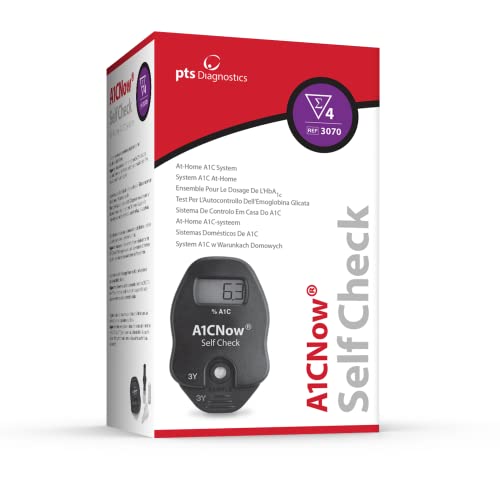
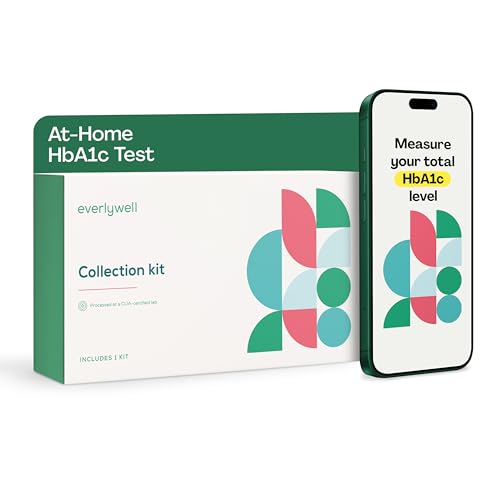
Prefer to order direct? The Everlywell HbA1c Test uses a CLIA-certified lab, physician-reviewed results, and prepaid return shipping.
What to Look For in a Continuous Glucose Monitor (CGM)
Over-the-counter CGMs like Dexcom Stelo and Abbott Lingo now sell without a prescription. Check the wear time (14–15 days per sensor), whether it reads to your phone or needs a separate device, and the monthly cost. For seeing how your own body responds to meals, a month or two is usually enough — you don't need to wear one forever.


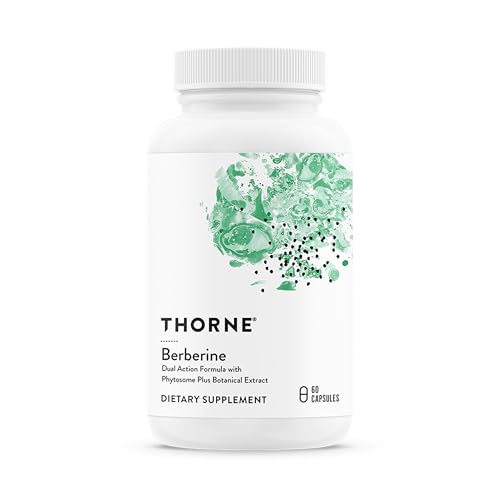
What Makes a Good Berberine Supplement
Berberine is studied for blood-sugar and lipid support, usually at 500 mg two to three times a day with meals (it clears quickly, so doses are split). It can interact with medications — especially diabetes drugs — so clear it with your doctor first. Look for standardized berberine HCl, third-party tested; dihydroberberine is a newer, better-absorbed form.

Frequently Asked Questions
Why doesn't standard bloodwork include fasting insulin?
Standard metabolic panels focus on fasting glucose and HbA1c — markers that become abnormal late in the disease process. Fasting insulin isn't part of routine screening guidelines because the clinical establishment focuses on diagnosing diabetes, not preventing it. Functional and integrative practitioners include it because it detects dysfunction 10-15 years earlier.
How do I get my fasting insulin tested?
You can request it from your doctor (CPT code 83525), order it through our comprehensive panel, or use a direct-to-consumer lab service. The test requires a 12-hour overnight fast. Blood should ideally be drawn before 10 AM. For a closer look at at-home collection kits and other direct-to-consumer options, see our insulin resistance testing guide.
What is the optimal fasting insulin level?
Optimal fasting insulin is below 5 μIU/mL, which indicates excellent insulin sensitivity. A level of 5–7 μIU/mL is good with low risk. Above 7–10 μIU/mL indicates early insulin resistance — years before fasting glucose rises abnormally. Most standard labs report 'normal' as up to 24.9 μIU/mL, meaning a level of 18 μIU/mL would come back 'normal' on your report despite indicating significant insulin resistance. This gap between 'normal' and 'optimal' is why functional medicine practitioners treat fasting insulin as one of the most important early metabolic markers.
How quickly can fasting insulin levels improve?
With consistent dietary intervention — primarily reducing refined carbohydrates and added sugars, increasing fiber and protein, and reducing total caloric load — fasting insulin typically begins improving within 2–4 weeks and shows measurable reductions (20–40%) within 8–12 weeks. Resistance training improves insulin sensitivity acutely within 24–48 hours of a single session and cumulatively over weeks. Significant reductions of 30–50% in fasting insulin are achievable in 12 weeks with diet and exercise combined. People who also add time-restricted eating or intermittent fasting often see faster early improvements.
Is a fasting insulin test the same as a fasting glucose test?
No — they're two separate results from the same blood draw, measuring two different things. Fasting glucose measures the sugar circulating in your blood; fasting insulin measures the hormone your pancreas released to keep that sugar in range. You can have a completely normal fasting glucose (under 100 mg/dL) while your fasting insulin is already elevated, because the pancreas compensates by producing more insulin long before glucose control breaks down — this is exactly why fasting insulin catches metabolic dysfunction earlier than glucose alone. The two numbers are usually ordered together specifically so they can be combined into the HOMA-IR index described above, or run through our insulin resistance calculator. For how fasting insulin stacks up against a third common marker, see our fasting insulin vs. A1C comparison.
Is fasting insulin testing covered by insurance, and how much does it cost?
Coverage depends on why it's ordered. When a doctor requests fasting insulin (CPT code 83525) to work up a documented complaint — weight changes, PCOS, a strong family history of diabetes — most U.S. insurance plans and Medicare process it like other diagnostic bloodwork, though a copay or deductible may still apply. Because fasting insulin isn't part of most standard insurance-covered diabetes screening panels, plans are more likely to decline coverage when it's ordered purely for proactive screening without a supporting diagnosis code. Without insurance, cash-pay pricing for a standalone fasting insulin test is typically well under $150 through direct-to-consumer lab services, though exact pricing varies by lab, region, and whether a physician-order fee is bundled in. Confirming coverage with your insurer, or asking about self-pay pricing upfront, avoids a surprise bill.
Does fasting insulin matter more for women, especially with PCOS?
The reference ranges above don't change by sex — the same cutoffs apply to men and women — but insulin resistance is dramatically more common in women with polycystic ovary syndrome (PCOS). A peer-reviewed NIH-published review notes that most women with PCOS are metabolically resistant to insulin, whether from genetic propensity or excess weight, and it can be present even at a normal body weight (see our insulin resistance at a normal weight guide). Because insulin resistance drives much of the excess androgen production behind PCOS symptoms — irregular cycles, acne, hair thinning — fasting insulin (or HOMA-IR) is one of the most useful labs for a woman investigating possible PCOS, even when fasting glucose and A1C still look normal. If PCOS is suspected, pair this result with the full picture in our PCOS overview.
My lab report shows fasting insulin in pmol/L or mIU/L — how does that compare to the μIU/mL ranges above?
μIU/mL and mIU/L are the same unit under different names — you can compare those results to the table above with no conversion needed. Converting to pmol/L is trickier than most online calculators suggest: many tools use a factor of ×6.945, but immunoassay-standardization research has found that factor overstates the conversion. A 2019 analysis in the Journal of Diabetes Science and Technology found the widely-used ×6.945 factor is disputed against the standardized factor most assay bodies now favor. Because different labs calibrate against different insulin standards, the safest approach isn't to convert a pmol/L result yourself — it's to compare it against the reference range your own lab prints on the report.
Can fasting insulin be too low?
Yes, but a very low fasting insulin is far less often a concern than a high one — and the number only means something when read together with your fasting glucose, not on its own. A single low result (roughly under 2–3 μIU/mL) is usually explained by something benign around the blood draw: an extended fast or notable caloric restriction in the day or two before testing, a very low-carbohydrate or ketogenic diet that trains the body to run on less circulating insulin, or genuinely high insulin sensitivity in someone lean and active. None of those, by themselves, is a red flag — they simply mean the pancreas needs to release less insulin to keep blood sugar steady. The differential that does warrant attention is reduced insulin production from the pancreas itself, as seen in early Type 1 diabetes or latent autoimmune diabetes in adults (LADA), where the immune system gradually damages the insulin-producing beta cells. The distinguishing feature is glucose: beta-cell failure shows up as low insulin paired with a normal-to-high fasting glucose, because too little insulin is being made to keep blood sugar in range — not low insulin alongside a normal or low glucose, which is the pattern in the benign causes above. A low fasting insulin with a normal fasting glucose is not, by itself, a reason for alarm. If a low result appears alongside an elevated fasting glucose (100 mg/dL or higher) or symptoms like unexplained weight loss, excessive thirst, or frequent urination, that combination is worth discussing with a doctor promptly, since together they can point toward a beta-cell problem rather than typical insulin resistance.
Does a high fasting insulin level mean I have diabetes?
No — a high fasting insulin level on its own is not a diabetes diagnosis. Diabetes is diagnosed using fasting glucose, HbA1c, or an oral glucose tolerance test; fasting insulin isn't part of the standard diagnostic criteria at all, which is also why it isn't part of routine screening (see the FAQ above on why standard bloodwork skips it). What an elevated fasting insulin shows instead is that the pancreas is working harder than normal to keep blood sugar in the normal range — the compensatory hyperinsulinemia described above, and often the earliest detectable sign of the process that can progress toward prediabetes and eventually type 2 diabetes if left unaddressed. A high fasting insulin with a normal fasting glucose and A1C generally means you're catching a metabolic problem years before it would show up on standard diabetes screening, not that you already have the disease. An isolated elevated reading is still worth discussing with a doctor, and is best interpreted alongside fasting glucose and A1C — or the HOMA-IR calculation above — rather than the insulin number in isolation.
Does "fasting insulin" mean I need to practice intermittent fasting, or are these two different things?
Two different, unrelated meanings of "fasting" that are easy to mix up. A fasting insulin test simply means you fast (typically 8-12 hours, usually overnight) before a single blood draw — the same way you'd fast before a standard cholesterol or glucose panel. It says nothing about your everyday eating pattern. Intermittent fasting, by contrast, is an ongoing way of eating that restricts food to a specific daily or weekly window (such as 16:8 time-restricted eating or alternate-day fasting) — a lifestyle habit, not a one-time test-prep step. The two are related in one meaningful way: a 2025 GRADE-assessed systematic review and meta-analysis in the Journal of Health, Population and Nutrition (Lu et al., 8 RCTs, n=573) found intermittent fasting produced a statistically significant reduction in HOMA-IR (weighted mean difference -0.60), improving insulin resistance largely independent of weight loss. So while a fasting insulin test doesn't require you to adopt intermittent fasting, adopting intermittent fasting as an ongoing habit may improve the number that test reports over time. See our insulin resistance reversal guide for how time-restricted eating fits into a broader protocol.
Topic updates
Get the weekly lab marker roundup
Blood test interpretation, optimal ranges, fasting insulin, A1C, thyroid panels, testosterone, cortisol, and nutrient markers.
Want biomarkers handled by a physician who works from your labs? See how Opt Health does it →
Check Where You Stand
Take our free health assessment to understand your metabolic, hormonal, and recovery risk factors — and get personalized recommendations.
Take the Free Assessment →Free · Takes 5 minutes · Instant results
Related Reading
← Back to Testing & Biomarkers
-
Fasting Insulin vs A1C: Which Test Catches Insulin Resistance Earlier
Fasting insulin vs A1C: why fasting insulin can flag insulin resistance years before A1C moves.
-
How to Test for Insulin Resistance: Labs That Matter
Fasting insulin, HOMA-IR, and triglyceride-to-HDL ratio.
Affiliate disclosure: The Metabolic Journal is reader-supported. Some links above are affiliate or referral links and we may earn a commission at no extra cost to you. As an Amazon Associate we earn from qualifying purchases. Products are chosen on the merits; commissions never influence what we recommend. This is general information, not medical advice — talk to your clinician before acting.