Oura Ring 5 vs Whoop 5.0: HRV, Sleep & Recovery Compared
Tested and reviewed by Dr. Michael Teplitsky, MD · Updated September 30, 2026
A passive sleep-and-readiness ring versus a directive strain-and-recovery band — two very different ways to read the same body
Oura Ring 5 and Whoop 5.0 both track HRV, sleep stages, and recovery, but they solve different problems: Oura is a discreet ring you can use with or without a membership and leans into sleep and readiness, while Whoop is a subscription-only band built around a daily strain-and-recovery coaching loop. This page compares accuracy, form factor, cost, and what each reveals about your metabolic health.
Oura Ring 5 and Whoop 5.0 are the two recovery wearables most often compared in 2026, but neither is simply "better", they're designed for different people. Oura is a titanium ring that tracks sleep, heart-rate variability (HRV), skin temperature, and a daily Readiness score. It can be worn with or without a paid membership. Whoop is a screen-free band worn on the wrist or bicep. It connects everything through a Strain-and-Recovery loop and only works with an active subscription. This page compares the signals that matter for metabolic health, not just fitness. For a look at the wider field, see our pillar guide to the best wearables for metabolic health.
Want help fixing your sleep for real?
Opt Health treats sleep as a measurable system — cortisol rhythm, thyroid, testosterone, inflammation — and works the biology behind bad sleep with a physician, not a sleep-hygiene checklist.
See Opt Health's sleep program →Oura Ring 5 vs Whoop 5.0 at a Glance
Oura wins on form factor and no-subscription flexibility, while Whoop wins on strain coaching and continuous coverage — the table below lays out the core differences as they stand in 2026.| Dimension | Oura Ring 5 | Whoop 5.0 |
|---|---|---|
| Form factor | Titanium ring, no screen (40% smaller/lighter than Ring 4) | Fabric band (wrist or bicep), no screen |
| Core focus | Sleep, HRV, temperature, daily Readiness | Recovery, daily Strain, training load |
| Battery life | ~6-9 days per charge | ~14+ days per charge |
| Hardware cost | Ring from ~$399 (premium finishes ~$499) | No separate device charge; band included with membership |
| Subscription | Optional membership (~$5.99/mo or ~$69.99/yr) unlocks insights | Required — device is non-functional without it (~$199-$359/yr by tier) |
| Works without a fee? | Yes — basic daily scores still show | No — all data is behind the subscription |
| ECG / blood-pressure trends | No | On the top Life tier (WHOOP MG hardware) |
| Best for | Passive sleep, HRV and readiness tracking, discreet wear | Athletes wanting a directive strain-and-recovery loop |
Prices shown are 2026 figures for context only — verify current pricing on each vendor's site before buying, and see our full Oura Ring cost breakdown for total cost of ownership.
HRV Accuracy: Which Reads Your Nervous System Better?
Both devices measure HRV accurately enough for daily trend tracking, and independent testing has put resting heart rate from both close to a medical ECG reference. The practical difference is when and how they sample. Oura calculates HRV mainly from your overnight window, giving one clean, sleep-based number each morning. Whoop samples continuously and folds HRV into a live Recovery percentage you check before deciding how hard to train.
For metabolic health, HRV matters because it is a window into autonomic balance — the tug-of-war between your stress (sympathetic) and rest (parasympathetic) systems. A chronically suppressed HRV trend often tracks with poor sleep, over-training, or the kind of persistent stress load that also erodes insulin sensitivity over time. Oura's single nightly reading makes long-term trends easy to read; Whoop's continuous data reacts faster to a hard day or a late meal. Neither number diagnoses anything — the value is in your own baseline moving up or down.
Sleep-Stage Tracking and Why It Matters for Metabolism
Oura has a slight edge in sleep-stage detail and is widely treated as the consumer benchmark for sleep, while Whoop provides strong sleep data framed around recovery and sleep debt. Both estimate time in light, deep, and REM sleep from heart rate, movement, and temperature, and both are estimates rather than lab-grade sleep studies.
Sleep is arguably the most underrated metabolic lever these devices expose. Even a few nights of short or fragmented sleep can measurably lower insulin sensitivity and nudge appetite hormones the wrong way. Oura's approach — a clear nightly Sleep score plus a Readiness score the next morning — is built to make you protect sleep as a habit. Whoop's sleep coach instead tells you how many hours to target tonight based on yesterday's strain. If your metabolic goal is steadier glucose and better recovery, both give you the raw signal; Oura frames it as a habit, Whoop frames it as a nightly prescription.
Recovery and Strain Scores: Passive Insight vs Active Coaching
This is the clearest philosophical split between the two. Oura gives you a morning Readiness score and then largely stays out of your way — it tells you how recovered you are and leaves the training decision to you. Whoop is built around a closed loop: a Recovery percentage in the morning, a Strain target through the day, and a nudge to match effort to recovery.
The information-gain point most gadget reviews miss: the better device is the one whose feedback style you will actually act on. A data-driven athlete who wants a daily push often gets more from Whoop's directive loop. Someone tracking metabolic health — resting HR trends, temperature deviations, sleep consistency — usually gets more from Oura's quieter, trend-first readiness model, because metabolic change shows up over weeks, not in a single day's strain. Resting heart rate creeping up over a month, for instance, can flag accumulating stress or poor recovery long before you feel it.
The comparison of WHOOP Age and Oura Cardiovascular Age covers what each age score is built from and how far to trust it.
Cost and Form Factor: Ring You Forget vs Band You Commit To
Oura is a one-time ring purchase plus an optional membership, so your ongoing cost is lower and the ring keeps showing basic scores even if you cancel. Whoop has no separate hardware price but only works while you subscribe, so the true cost is the recurring membership for as long as you use it. Over two to three years, Oura's hardware-plus-light-subscription model often ends up cheaper than Whoop's membership-only model, though exact figures shift with promotions — check current pricing before you decide.
Form factor is just as decisive. A ring is nearly invisible, comfortable to sleep in, and easy to forget you are wearing — ideal for 24/7 passive tracking. A band is easier to swap onto the bicep for workouts and, on Whoop's top tier, adds on-demand ECG and blood-pressure trend features a ring cannot. See our Oura Ring alternatives and Whoop alternatives roundups if neither form factor fits.
If radio transmission during sleep matters to you, our Oura, Whoop and Apple Watch EMF comparison sets out what each source says about radios, SAR and airplane modes.
The Verdict: Best for Whom
There is no single winner — pick by how you want to use the data:
- Best for sleep, HRV and metabolic trends: Oura Ring 5. The discreet form factor, strong sleep tracking, and no-subscription-required baseline suit anyone watching long-term recovery and metabolic signals.
- Best for athletes and daily training decisions: Whoop 5.0. The Strain-and-Recovery loop and continuous sampling reward people who train hard and want a directive nudge.
- Best for the lowest long-term cost: Oura, in most cases, because you own the hardware and the membership is optional.
- Best for ECG and blood-pressure trends in a band: Whoop's top Life tier, which a ring cannot match.
Whichever you choose, a wearable is a signal, not a diagnosis. Take our free assessment to see which metabolic factors — sleep, insulin sensitivity, resting heart rate — matter most for you before you spend on a device, or start with the metabolic health hub.
What to Look For in a Sleep & Recovery Tracker
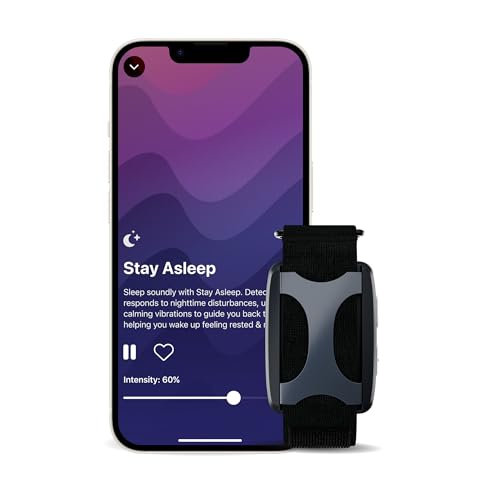
The Oura Ring and Whoop are the most accurate consumer options for sleep stages and HRV; a smartwatch (Apple Watch, Garmin) works too if you'd rather not wear a ring. Prioritize validated HRV and sleep-stage tracking over step counts, check whether it needs a subscription (Whoop does), and pick something comfortable enough to wear every night.

What Makes a Good Magnesium Supplement
Form matters more than dose: magnesium glycinate and citrate absorb well and are gentle on the stomach, while cheap magnesium oxide is poorly absorbed. A typical supplemental dose is 200–400 mg of elemental magnesium (check the label — it's usually lower than the pill weight). Take it in the evening if you're using it for sleep, and pick a third-party-tested brand.


Frequently Asked Questions
Is Oura or Whoop more accurate for HRV?
Both are accurate enough for daily HRV trend tracking, and independent testing puts resting heart rate from each close to a medical ECG reference. Oura reports one clean HRV number from your overnight window, while Whoop samples continuously and reacts faster to same-day stress. For metabolic-health trends, the consistency of Oura's nightly reading is easy to follow; for training decisions, Whoop's live data is more responsive.
Which is better for sleep tracking, Oura Ring 5 or Whoop 5.0?
Oura Ring 5 is generally considered the stronger sleep tracker and is treated as a consumer benchmark for sleep-stage detail. Whoop also tracks sleep well but frames it around recovery and sleep debt. Both are estimates, not lab sleep studies, so use either for trends rather than exact stage times.
Do Oura and Whoop both require a subscription?
No — this is a key difference. Whoop only works with an active membership, so the band is useless if you stop paying. Oura's ring still shows basic daily scores without a membership, but its insights, trends, and detailed data require the optional Oura Membership. Verify current subscription pricing on each vendor's site.
What do Oura and Whoop tell you about metabolic health?
Both expose signals that track with metabolic health rather than a direct glucose reading: HRV as a measure of autonomic stress, resting heart-rate trends, sleep quality and consistency, and skin-temperature deviations. Poor sleep and chronically low HRV both correlate with reduced insulin sensitivity, so watching these trends can flag when recovery — and metabolism — is slipping. Neither device measures blood glucose.
Is Oura or Whoop cheaper over time?
Oura is usually cheaper over two to three years because you buy the ring once and the membership is optional and relatively low-cost, whereas Whoop is a recurring membership that you must keep paying to use the band at all. Exact totals depend on the Oura finish and Whoop tier you pick, so compare current prices before deciding. See our Oura Ring cost breakdown for the full math.
Can I wear a ring and a band at the same time?
Yes, some people wear both to cross-check readings, but it is rarely worth the double cost. For most people, one device tracked consistently gives a more useful baseline than two devices that occasionally disagree. Pick the form factor and feedback style you will actually keep using every day.
Topic updates
Get the weekly recovery roundup
Sleep, HRV, fatigue, burnout, cortisol rhythm, sleep apnea, overtraining, and stress physiology.
Want your sleep handled by a physician who works from your labs? See how Opt Health does it →
Check Where You Stand
Take our free health assessment to understand your metabolic, hormonal, and recovery risk factors — and get personalized recommendations.
Take the Free Assessment →Free · Takes 5 minutes · Instant results
Related Comparisons
-
EMF Exposure From Oura Ring vs Whoop and Apple Watch
Oura, Whoop and Apple Watch compared on radios, transmit-power statements, published SAR and radio-off modes.
-
Oura Ring 5 vs Oura Ring 4: What Changed, and Is the Upgrade Worth It
Oura Ring 5 vs Oura Ring 4: size, battery, sensors, price, and whether the upgrade is worth it.
-
Whoop vs Apple Watch: Recovery Band vs Smartwatch for HRV, VO2 Max, and Cost
Whoop vs Apple Watch: dedicated recovery band vs all-purpose smartwatch for HRV and VO2 max.
See more related comparisons
-
Oura Ring vs Apple Watch: Smart Ring vs Smartwatch for Sleep, HRV, and Metabolic Tracking
Oura Ring vs Apple Watch: smart ring vs smartwatch for sleep, HRV, and readiness.
-
Whoop vs Garmin: Subscription Recovery Band vs GPS Watch for VO2 Max and Training
Whoop vs Garmin: subscription recovery band vs GPS multisport watch for VO2 max and training load.
-
Garmin vs Oura Ring: GPS Training Watch vs Sleep/readiness Ring for Metabolic Fitness
Garmin vs Oura Ring: GPS training watch vs sleep/readiness ring for metabolic fitness.
-
Fitbit vs Oura Ring: Budget Wrist Tracker vs Purpose-built Sleep and Readiness Ring
Fitbit vs Oura Ring: budget wrist tracker vs purpose-built sleep and readiness ring.
-
Oura Ring Alternatives: 5 Smart Rings and Wearables Compared, Including No-subscription Picks
Oura Ring alternatives: Ultrahuman, Samsung Galaxy Ring, RingConn, and more, including no-subscription picks.
Affiliate disclosure: The Metabolic Journal is reader-supported. Some links above are affiliate or referral links and we may earn a commission at no extra cost to you. As an Amazon Associate we earn from qualifying purchases. Products are chosen on the merits; commissions never influence what we recommend. This is general information, not medical advice — talk to your clinician before acting.