Oura Ring 5 vs Apple Watch: Sleep, HRV & Metabolic Health
Tested and reviewed by Dr. Michael Teplitsky, MD · Updated September 30, 2026
A screenless recovery ring or a full smartwatch — which reads your metabolism better overnight?
The Oura Ring 5 and the Apple Watch solve the same problem in opposite ways. Oura is a screenless ring you wear overnight for continuous sleep, heart-rate variability (HRV), and readiness scores, paid for with a monthly membership. The Apple Watch Series 11 is a full smartwatch with a screen, ECG, an app store, and no required subscription for its core health metrics. Neither is simply better. The ring wins on comfort and overnight recovery data that matters for metabolic health; the watch wins on all-day tracking, workouts, and clinical-grade features like ECG.
This page compares the two on sleep, HRV, VO2 max, comfort, battery, and cost, then clearly explains which is best for whom. For a look at the wider field, see our best wearables for metabolic health guide.
Want help fixing your sleep for real?
Opt Health treats sleep as a measurable system — cortisol rhythm, thyroid, testosterone, inflammation — and works the biology behind bad sleep with a physician, not a sleep-hygiene checklist.
See Opt Health's sleep program →Oura Ring 5 vs Apple Watch at a Glance
The core trade-off is a comfortable overnight recovery sensor with a membership versus an all-day smartwatch you buy once. The table below compares the two as they stand in 2026.| Dimension | Oura Ring 5 | Apple Watch (Series 11) |
|---|---|---|
| Form factor | Screenless titanium ring, ~2-2.6 g | Wrist smartwatch with touchscreen, ~30-42 g |
| Sleep tracking | Core strength; continuous overnight staging and HRV | Good; sleep stages plus sleep-apnea notifications |
| HRV | Continuous overnight rMSSD trend | Spot-check readings, not a continuous overnight average |
| ECG / heart rhythm | No ECG | Single-lead ECG for AFib signs |
| Workouts / GPS | Basic auto-detection; no built-in GPS | Full workout tracking with built-in GPS |
| Battery | ~6-9 days per charge | Roughly a day (about 18-38 hours by mode) |
| Cost model | Ring hardware from ~$399 + ~$5.99/mo membership | One-time hardware purchase; no required subscription |
| Glucose / metabolic | Syncs with Dexcom Stelo CGM for a metabolic view (US) | Pairs with CGM apps; less native metabolic framing |
Sleep Tracking: Which Is More Accurate Overnight?
The Oura Ring 5 is generally the stronger overnight sleep tracker, mostly because it is easy to wear all night. A ring sits flush against the finger, does not press into your wrist when you sleep on your side, and does not need charging at bedtime. Oura measures sleep stages, resting heart rate, HRV, respiratory rate, and skin temperature continuously through the night.
The Apple Watch also tracks sleep stages and can flag possible sleep apnea over time, which is a real metabolic-health signal. Its limits are practical: it is bulkier on the wrist and usually needs a top-up charge, so many people skip overnight wear. Consistent sleep data matters because poor and short sleep lowers next-day insulin sensitivity. See our sleep and recovery hub for why that link matters.
HRV and Resting Heart Rate: The Metabolic-Stress Signal
Oura has the edge for HRV because it computes a continuous overnight average, while the Apple Watch takes spot-check readings rather than a single overnight trend. HRV reflects how your autonomic nervous system balances stress and recovery, and a falling multi-day HRV trend often shows up before you feel run down. Rising resting heart rate over several nights is a similar early-warning sign.
For metabolic health this matters because chronic stress, poor sleep, and overtraining all blunt HRV and are linked to worse glucose control. The information-gain point most gadget reviews miss: for recovery you want the overnight trend line, not a single daytime number, and a ring worn every night produces a cleaner trend than a watch that comes off to charge. Learn how these fit a fuller picture in our biomarkers guide.
VO2 Max and Workouts
The Apple Watch is the better fit for workouts and VO2 max because it has built-in GPS and estimates cardio fitness from wrist heart rate during outdoor walks and runs. VO2 max is a strong marker of metabolic fitness, and a watch that captures pace and heart rate during exercise can estimate and trend it over time.
Oura is not built for live workout tracking. It auto-detects some activity and imports workouts from other apps, but it has no GPS and does not produce a running-based VO2 max the way a GPS watch does. If tracking and improving VO2 max is a priority, a watch is the better tool; see our VO2 max wearables guide for how the devices compare.
Comfort, Battery, and the Cost Model
The clearest practical differences are comfort, battery life, and how you pay. The ring is light, disappears on the finger, and lasts several days per charge, which makes all-day and all-night wear effortless. The Apple Watch is more noticeable overnight and typically needs daily charging, though it does far more while you are awake.
On cost, the two models are opposites. Oura is a hardware purchase (from about $399) plus a membership of roughly $5.99 per month to unlock scores and trends. The Apple Watch is a one-time purchase with no required subscription for its core health features. Over three years the Oura membership adds up, so factor total cost of ownership, not just the sticker price. Prices are current as of 2026 - verify at ouraring.com and apple.com/watch.
If radio transmission during sleep matters to you, our Oura, Whoop and Apple Watch EMF comparison sets out what each source says about radios, SAR and airplane modes.
The Verdict: Which Should You Choose?
Pick based on what you most want to measure:
- Best for sleep and overnight recovery: the Oura Ring 5. It is the more comfortable all-night sensor and gives the cleaner HRV and sleep trend.
- Best for workouts, ECG, and all-day use: the Apple Watch. Built-in GPS, VO2 max, ECG, and apps make it the do-everything option.
- Best if you hate wrist wear or subscriptions: the ring for comfort; the watch if you refuse a recurring membership.
- Best for a glucose-and-metabolism view: Oura, which syncs with the Dexcom Stelo CGM to show glucose alongside sleep and activity in the US.
Many people who take metabolic health seriously eventually wear both: a ring for sleep and recovery, a watch for workouts. To see which metabolic factors matter most for you before you buy, take our free health assessment or start at the metabolic health hub. Also compare Oura vs Whoop, browse Oura Ring alternatives and Apple Watch alternatives.
What to Look For in a Sleep & Recovery Tracker
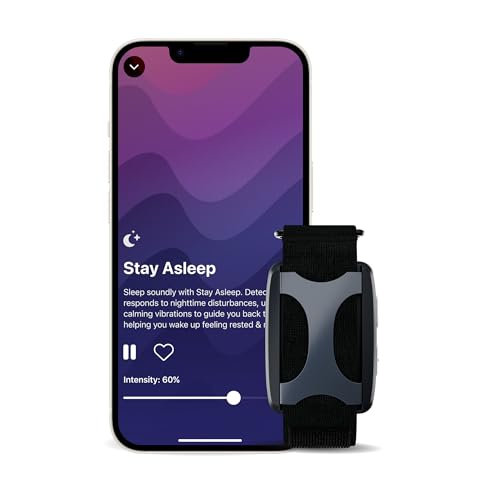
The Oura Ring and Whoop are the most accurate consumer options for sleep stages and HRV; a smartwatch (Apple Watch, Garmin) works too if you'd rather not wear a ring. Prioritize validated HRV and sleep-stage tracking over step counts, check whether it needs a subscription (Whoop does), and pick something comfortable enough to wear every night.

What Makes a Good Magnesium Supplement
Form matters more than dose: magnesium glycinate and citrate absorb well and are gentle on the stomach, while cheap magnesium oxide is poorly absorbed. A typical supplemental dose is 200–400 mg of elemental magnesium (check the label — it's usually lower than the pill weight). Take it in the evening if you're using it for sleep, and pick a third-party-tested brand.


Frequently Asked Questions
Is the Oura Ring or Apple Watch better for sleep tracking?
The Oura Ring 5 is generally better for sleep because it is comfortable to wear all night and measures sleep stages, HRV, and temperature continuously. The Apple Watch tracks sleep well too and adds sleep-apnea notifications, but it is bulkier overnight and usually needs charging, so people wear it less consistently at night.
Does the Apple Watch track HRV as well as the Oura Ring?
Not for overnight recovery. The Oura Ring computes a continuous overnight HRV average, while the Apple Watch takes spot-check HRV readings rather than a single overnight trend. For a clean night-over-night recovery trend, the ring is the stronger tool; the watch is still fine for occasional readings and adds ECG the ring lacks.
Which is better value: Oura's membership or the Apple Watch's one-time cost?
It depends on how long you keep the device. Oura costs the ring hardware (from about $399) plus roughly $5.99 per month, so the membership adds up over years. The Apple Watch is a one-time purchase with no required subscription for core health metrics. Over a long ownership period the watch can be cheaper, but the ring may still be worth it for superior sleep and recovery data. Verify current pricing on each brand's site.
Can either device track glucose for metabolic health?
Neither measures glucose on its own, but the Oura Ring now syncs with the Dexcom Stelo continuous glucose monitor (in the US) to show glucose alongside sleep, meals, and activity inside the Oura app. The Apple Watch can display data from CGM companion apps but has less built-in metabolic framing. A CGM plus either wearable gives the fullest metabolic picture.
Do I need both an Oura Ring and an Apple Watch?
No, but they complement each other. The ring is the better overnight sleep and recovery sensor, and the watch is the better all-day and workout device with GPS and ECG. People focused only on sleep and HRV can use the ring alone; people focused on training and everyday smartwatch features can use the watch alone.
Topic updates
Get the weekly recovery roundup
Sleep, HRV, fatigue, burnout, cortisol rhythm, sleep apnea, overtraining, and stress physiology.
Want your sleep handled by a physician who works from your labs? See how Opt Health does it →
Check Where You Stand
Take our free health assessment to understand your metabolic, hormonal, and recovery risk factors — and get personalized recommendations.
Take the Free Assessment →Free · Takes 5 minutes · Instant results
Related Comparisons
-
EMF Exposure From Oura Ring vs Whoop and Apple Watch
Oura, Whoop and Apple Watch compared on radios, transmit-power statements, published SAR and radio-off modes.
-
Whoop vs Apple Watch: Recovery Band vs Smartwatch for HRV, VO2 Max, and Cost
Whoop vs Apple Watch: dedicated recovery band vs all-purpose smartwatch for HRV and VO2 max.
-
Garmin vs Apple Watch: GPS Training Computer vs All-day Smartwatch for Metabolic Fitness
Garmin vs Apple Watch: GPS training computer vs all-day smartwatch for metabolic fitness.
See more related comparisons
-
Apple Watch Alternatives: 5 Best Health Trackers Compared, Including Android Picks
Apple Watch alternatives: Garmin, Samsung, Fitbit, Oura, and Whoop for health tracking, including Android.
-
Oura Ring vs Whoop: HRV, Sleep, Recovery, and Cost Compared for Metabolic Health
Oura Ring vs Whoop: HRV accuracy, sleep tracking, recovery scores, and cost compared.
-
Oura Ring 5 vs Oura Ring 4: What Changed, and Is the Upgrade Worth It
Oura Ring 5 vs Oura Ring 4: size, battery, sensors, price, and whether the upgrade is worth it.
-
Garmin vs Oura Ring: GPS Training Watch vs Sleep/readiness Ring for Metabolic Fitness
Garmin vs Oura Ring: GPS training watch vs sleep/readiness ring for metabolic fitness.
-
Fitbit vs Oura Ring: Budget Wrist Tracker vs Purpose-built Sleep and Readiness Ring
Fitbit vs Oura Ring: budget wrist tracker vs purpose-built sleep and readiness ring.
Affiliate disclosure: The Metabolic Journal is reader-supported. Some links above are affiliate or referral links and we may earn a commission at no extra cost to you. As an Amazon Associate we earn from qualifying purchases. Products are chosen on the merits; commissions never influence what we recommend. This is general information, not medical advice — talk to your clinician before acting.