Garmin vs Oura Ring: GPS Watch or Sleep Ring for 2026?
Medically reviewed by Medical Advisory Board Last reviewed 2026-08-03
A wrist-worn training computer vs a finger-worn recovery ring — they measure overlapping data very differently
Garmin's GPS watches (Forerunner, Venu, Fenix) are built for structured training, with Firstbeat VO2 max and layered training-load metrics. The Oura Ring is built for overnight comfort and a single daily Readiness score. For metabolic fitness, Garmin wins on training data and battery; Oura wins on sleep-stage detail and all-night wearability.
Garmin and the Oura Ring get compared constantly because they sit on opposite ends of the same wearable-health spectrum: a GPS sports watch built around structured training, and a finger-worn ring built around overnight comfort and a single daily recovery number. Both track heart rate, HRV, and sleep, but the form factor changes what each one is actually good at.
This page compares their training and VO2 max data, HRV and sleep tracking, battery life and daily wearability, and cost, before giving a clear verdict on which is best for whom. For a look at the wider field, see our best wearables for metabolic health guide.
Partner · Opt Health
Want help fixing your sleep for real?
Opt Health treats sleep as a measurable system — cortisol rhythm, thyroid, testosterone, inflammation — and works the biology behind bad sleep with a physician, not a sleep-hygiene checklist.
See Opt Health's sleep program →Garmin vs Oura Ring at a Glance
The core trade-off is a training-focused watch with rich daytime data versus a low-profile ring built to disappear on your finger overnight. The table below compares them as they stand in 2026.
| Dimension | Garmin (Forerunner/Venu/Fenix) | Oura Ring (Gen 4) |
|---|---|---|
| Form factor | Wrist watch, screen, buttons | Titanium ring, no screen |
| Primary focus | Structured training, GPS sport tracking | Sleep, recovery, daily Readiness score |
| VO2 max | Direct Firstbeat estimate from GPS runs/rides | Not offered |
| Training load | Acute/Chronic Load, Training Status, Load Focus | Basic Activity score, no structured load metric |
| Sleep staging | Good, watch-based | Considered the most accurate consumer sleep-stage tracker |
| HRV / recovery | HRV Status, Body Battery, Training Readiness | Readiness score built primarily from overnight HRV and temperature |
| Battery | Several days to multiple weeks by model | 4-7 days |
| Ongoing cost | None required | $5.99/month (or $69.99/year) membership required for full features |
| Starting price | ~$200-$300 (Forerunner/Venu); $700+ (Fenix) | $299-$499 hardware + membership |
Training Data: Garmin's Clear Advantage
Garmin is the stronger pick for anyone training with a plan, because its Firstbeat analytics turn a GPS-tracked run or ride into VO2 max, Acute/Chronic Load, and a Training Status verdict (productive, maintaining, overreaching). Oura does not offer VO2 max or a structured training-load framework at all — it reads workouts as generic activity contributing to its daily Activity score, not as inputs to a periodized plan.
If VO2 max trending upward over months is a goal you want to track directly, Garmin is the only one of the two built for that. See our VO2 max wearables guide for how different devices estimate it.
Sleep and HRV: Oura's Home Turf
Oura is widely regarded as the most accurate consumer sleep-stage tracker, and the ring form factor is a real reason why: a snug-fitting ring with infrared PPG sensors against the finger's arterial-rich skin picks up a cleaner, more stable overnight signal than a watch that can shift on the wrist during sleep. Oura converts that data into one Readiness score, built mainly from overnight HRV, resting heart rate, and body temperature, plus a Sleep score covering total sleep, efficiency, and time in each stage.
Garmin's HRV Status and Body Battery draw from similar overnight signals but spread across more granular sub-metrics rather than one number, and watch-based PPG is generally considered slightly noisier than ring-based PPG for sleep-stage detection specifically. See our low HRV guide for what a declining HRV trend, on either device, actually signals metabolically.
Battery, Comfort, and the Membership Question
Garmin's battery leads on raw days — several days to multiple weeks depending on the model and GPS use — with no subscription required for any of its core health metrics. Oura's ring lasts 4-7 days per charge, which is shorter than most Garmin watches but still leaves plenty of runway between charges, and many people find a lightweight ring more comfortable to sleep in than a watch with a screen and buttons on the wrist.
The real cost difference is the ongoing Oura membership ($5.99/month, or $69.99/year), required for full access to Readiness, Sleep, and most trend data — Garmin's core metrics work with a one-time hardware purchase and no subscription. Over 2-3 years of ownership that gap adds up; see our Oura Ring cost breakdown for the full total-cost-of-ownership math.
The Verdict: Which Should You Choose?
Pick based on what you're actually trying to track day to day:
- Best for structured training and VO2 max: Garmin. Firstbeat VO2 max, layered training load, and no subscription requirement make it the training-focused choice.
- Best for sleep-stage detail and comfort overnight: Oura. The ring form factor and dedicated Readiness score are purpose-built for sleep and recovery.
- Best value with no ongoing fee: Garmin, since its core metrics never sit behind a membership.
- Best if you never want to wear a watch on your wrist: Oura, by design.
Some people run both — a Garmin for workouts and an Oura for sleep — since the two rarely compete for the same wrist-or-finger real estate. To see which metabolic factors matter most for you before you buy, take our free health assessment or start at the sleep and recovery hub. Also compare Whoop vs Garmin and Oura vs Whoop, or browse Oura Ring alternatives.
What to Look For in a Sleep & Recovery Tracker
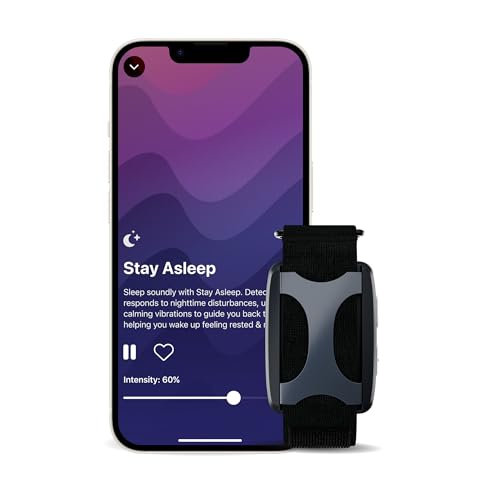
The Oura Ring and Whoop are the most accurate consumer options for sleep stages and HRV; a smartwatch (Apple Watch, Garmin) works too if you'd rather not wear a ring. Prioritize validated HRV and sleep-stage tracking over step counts, check whether it needs a subscription (Whoop does), and pick something comfortable enough to wear every night.

What Makes a Good Magnesium Supplement
Form matters more than dose: magnesium glycinate and citrate absorb well and are gentle on the stomach, while cheap magnesium oxide is poorly absorbed. A typical supplemental dose is 200–400 mg of elemental magnesium (check the label — it's usually lower than the pill weight). Take it in the evening if you're using it for sleep, and pick a third-party-tested brand.


Frequently Asked Questions
Is Garmin or Oura better for tracking sleep?
Oura is generally considered the more accurate sleep-stage tracker. Its ring form factor holds a steadier position against the finger overnight than a watch on the wrist, and Oura's Sleep score and Readiness score are purpose-built around that data. Garmin tracks sleep too, through HRV Status and Body Battery, but its strength is training data rather than sleep-stage precision.
Does the Oura Ring require a subscription like a Garmin watch doesn't?
Yes. Oura requires a $5.99/month (or $69.99/year) membership for full access to Readiness, Sleep, and trend data beyond the basics. Garmin's core health and training metrics — VO2 max, training load, HRV Status — work with a one-time hardware purchase and no required subscription.
Can I track VO2 max with an Oura Ring?
No. Oura does not offer a VO2 max estimate. Garmin does, using Firstbeat analytics from GPS-tracked runs and rides, along with layered training-load metrics Oura doesn't have. If VO2 max tracking matters to you, Garmin is the device built for it.
Which is more comfortable to wear overnight, Garmin or Oura?
Most people find the Oura Ring more comfortable overnight, since it's a lightweight titanium band with no screen or buttons pressing into the wrist. Garmin watches are wearable overnight too, but some users find a watch bulkier for continuous sleep tracking than a ring.
Should I get a Garmin and an Oura Ring, or just one?
Most people only need one, based on their main goal: Garmin for structured training and VO2 max, Oura for sleep-stage detail and daily readiness. Some athletes run both since a watch and a ring don't compete for the same wrist space, but that adds the Oura membership cost on top of the Garmin hardware.
Topic updates
Get the weekly recovery roundup
Sleep, HRV, fatigue, burnout, cortisol rhythm, sleep apnea, overtraining, and stress physiology.
Want your sleep handled by a physician who works from your labs? See how Opt Health does it →
Check Where You Stand
Take our free health assessment to understand your metabolic, hormonal, and recovery risk factors — and get personalized recommendations.
Take the Free Assessment →Free · Takes 5 minutes · Instant results
Related Comparisons
-
Oura Ring vs Whoop: HRV, Sleep, Recovery, and Cost Compared for Metabolic Health
Oura Ring vs Whoop: HRV accuracy, sleep tracking, recovery scores, and cost compared.
-
Oura Ring 5 vs Oura Ring 4: What Changed, and Is the Upgrade Worth It
Oura Ring 5 vs Oura Ring 4: size, battery, sensors, price, and whether the upgrade is worth it.
-
Oura Ring vs Apple Watch: Smart Ring vs Smartwatch for Sleep, HRV, and Metabolic Tracking
Oura Ring vs Apple Watch: smart ring vs smartwatch for sleep, HRV, and readiness.
See more related comparisons
-
Whoop vs Garmin: Subscription Recovery Band vs GPS Watch for VO2 Max and Training
Whoop vs Garmin: subscription recovery band vs GPS multisport watch for VO2 max and training load.
-
Garmin vs Apple Watch: GPS Training Computer vs All-day Smartwatch for Metabolic Fitness
Garmin vs Apple Watch: GPS training computer vs all-day smartwatch for metabolic fitness.
-
Fitbit vs Garmin: Budget Activity Tracker vs GPS Training Computer
Fitbit vs Garmin: budget activity tracker vs GPS training computer.
-
Fitbit vs Oura Ring: Budget Wrist Tracker vs Purpose-built Sleep and Readiness Ring
Fitbit vs Oura Ring: budget wrist tracker vs purpose-built sleep and readiness ring.
-
Oura Ring Alternatives: 5 Smart Rings and Wearables Compared, Including No-subscription Picks
Oura Ring alternatives: Ultrahuman, Samsung Galaxy Ring, RingConn, and more, including no-subscription picks.
Affiliate disclosure: The Metabolic Journal is reader-supported. Some links above are affiliate or referral links and we may earn a commission at no extra cost to you. As an Amazon Associate we earn from qualifying purchases. Products are chosen on the merits; commissions never influence what we recommend. This is general information, not medical advice — talk to your clinician before acting.