PCOS and Hormones: Causes, Testing & Treatment
Medically reviewed by Medical Advisory Board Last reviewed 2026-09-16
Understanding polycystic ovary syndrome through the hormonal and metabolic lens
Polycystic ovary syndrome (PCOS) affects 8-13% of reproductive-age women and is the most common cause of female infertility. It is fundamentally a hormonal and metabolic disorder — driven by insulin resistance and androgen excess — not just an ovarian problem.
PCOS is diagnosed using the Rotterdam criteria when two of the following three features are present: oligo/anovulation (irregular or absent periods), clinical or biochemical hyperandrogenism (acne, hirsutism, elevated testosterone/DHEA-S), and polycystic ovarian morphology on ultrasound. However, these criteria describe the symptoms, not the root cause.
Current evidence points to insulin resistance as the primary driver in 70-80% of PCOS cases. Hyperinsulinemia stimulates ovarian theca cells to produce excess androgens. It also suppresses SHBG, increasing free testosterone. That explains why PCOS is strongly associated with metabolic syndrome, type 2 diabetes, and cardiovascular disease, and why insulin-sensitizing interventions are often the most effective treatment.
Partner · Opt Health
Want a clinician who takes perimenopause seriously?
Opt Health's women's program runs full hormone and thyroid panels and treats the symptoms most primary-care visits wave off — sleep, mood, energy, cycle changes, libido — with physicians trained in hormone medicine.
See Opt Health's women's program →For a complete symptom checklist organized by category, see our PCOS symptoms guide. If you're trying to distinguish PCOS from another condition with overlapping symptoms, see PCOS vs thyroid symptoms or PCOS vs endometriosis.
The Insulin Resistance–PCOS Connection
Insulin resistance is the primary driver of PCOS in 70–80% of cases — not a comorbidity, but the upstream cause. Understanding this mechanism is essential for both diagnosis and treatment.
How hyperinsulinemia drives androgen excess: Insulin and IGF-1 (insulin-like growth factor 1) stimulate ovarian theca cells to produce androgens — specifically testosterone and androstenedione. This effect is dose-dependent: the more chronically elevated insulin is, the more androgen the ovaries produce. In parallel, elevated insulin suppresses hepatic SHBG (sex hormone-binding globulin) production, which would normally bind and neutralize free testosterone. The result: both total and free testosterone rise, driving the acne, hirsutism, and hair loss that characterize PCOS.
HOMA-IR threshold for PCOS: A 2020 meta-analysis in Frontiers in Endocrinology found that a HOMA-IR cutoff of 2.0 identifies insulin resistance in PCOS patients with 80% sensitivity and 73% specificity. HOMA-IR above 2.0 strongly predicts androgen excess severity and should prompt aggressive metabolic intervention. Women with lean PCOS (BMI <25) can still have HOMA-IR above 2.0 — this is why waist circumference and fasting insulin testing matter more than BMI alone.
Why metformin + inositol work: Metformin inhibits hepatic glucose production and reduces insulin levels, which directly lowers LH-stimulated androgen production in the ovaries. Myo-inositol (a naturally occurring insulin sensitizer) acts as a second messenger in the insulin signaling cascade — it is deficient in the follicular fluid and ovarian tissue of women with PCOS. Supplementation at 4g myo-inositol + 100 mg D-chiro-inositol (40:1 ratio) has been shown in RCTs to reduce fasting insulin by 20–30%, lower testosterone by 15–25%, and restore ovulation in approximately 65% of patients (Nordio et al., European Review for Medical and Pharmacological Sciences, 2012). Combining inositol with metformin further amplifies insulin sensitization and may be more effective than either alone (Artini et al., Gynecological Endocrinology, 2013). For more on the insulin–PCOS cycle, see our guide on supplements for insulin resistance.
The Hormonal Profile of PCOS
| Hormone | Typical Finding in PCOS | Mechanism |
|---|---|---|
| Total Testosterone | Elevated (>45 ng/dL) | Ovarian theca cell overproduction driven by insulin and LH |
| Free Testosterone | Elevated | Low SHBG fails to bind testosterone |
| SHBG | Low | Insulin suppresses hepatic SHBG production |
| DHEA-S | Mildly elevated (40-50% of cases) | Adrenal androgen contribution |
| LH | Elevated (LH:FSH ratio >2:1) | Hypothalamic GnRH pulse frequency increased |
| FSH | Normal or low | Follicle development impaired |
| Fasting Insulin | Elevated (>10 μIU/mL) | Insulin resistance — the primary metabolic driver |
| AMH | Elevated (>4.5 ng/mL) | Excess small antral follicles produce AMH |
| Estradiol | Normal or elevated (unopposed) | Anovulation means no progesterone to oppose estrogen |
| Progesterone | Low (luteal phase) | Anovulatory cycles don't produce corpus luteum |
PCOS Treatment: Addressing Root Causes
Insulin sensitization (first-line):
- Dietary modification: Reduce refined carbohydrates and glycemic load. Mediterranean and low-GI diets improve insulin sensitivity and reduce androgens in RCTs. Target 25-30g fiber daily.
- Metformin (1,500-2,000 mg/day): Reduces insulin and androgens, may restore ovulation in 30-50% of women (Cochrane Review).
- Inositol: Myo-inositol (4g/day) + D-chiro-inositol (100 mg/day) in a 40:1 ratio improves insulin sensitivity, reduces androgens, and restores ovulation with fewer side effects than metformin. Multiple RCTs support its use (Endocrine Society review, 2017).
- Exercise: 150 min/week moderate activity improves insulin sensitivity independent of weight loss.
Anti-androgen strategies:
- Spironolactone (50-200 mg/day) — blocks androgen receptors; effective for hirsutism and acne (4-6 months for results)
- Combined oral contraceptives — increase SHBG, reduce free testosterone
- Weight loss — 5-10% body weight reduction can decrease androgens by 20-30% and restore ovulation
Where low-carb and ketogenic eating fit: Low-carb and ketogenic eating get closer scrutiny in PCOS than in general weight management. The reason is mechanistic. The insulin-androgen link above means a diet that lowers insulin has a direct route to lowering androgens too. Small clinical trials on ketogenic diets in PCOS report improvements in insulin resistance markers, free testosterone, and menstrual regularity, usually measured over 3 to 6 months. Weight loss often comes with it. The evidence base is still smaller than for metformin or inositol, with fewer and shorter trials. A low-carb approach works best as a tool that supports the insulin sensitization above. It hasn't been shown to replace those first-line options. Anyone with PCOS considering a large carbohydrate cut should loop in the clinician managing their care, especially if fertility tracking or metformin dosing is already part of the picture.
PCOS and Long-Term Health Risks
PCOS is not just a reproductive condition — it carries significant metabolic and cardiovascular implications:
- Type 2 diabetes: Women with PCOS have a 4-8x increased risk. 40% will develop pre-diabetes or diabetes by age 40 (JCEM, 2012).
- Cardiovascular disease: Increased risk of hypertension, dyslipidemia, and subclinical atherosclerosis.
- Endometrial cancer: Chronic anovulation leads to unopposed estrogen stimulation of the endometrium, increasing cancer risk 2-6x.
- Mental health: 40% prevalence of anxiety, 30% depression — partly hormonal, partly related to symptom burden.
- Sleep apnea: 5-30x increased risk, driven by androgen excess and obesity.
Annual screening for glucose intolerance (OGTT preferred over HbA1c in PCOS), lipid panel, blood pressure, and endometrial thickness (if periods absent >3 months) is recommended by the Endocrine Society.
Insulin Resistance in Pregnancy & Reproductive Health
Insulin resistance is central to several reproductive health outcomes in women with PCOS, extending well beyond irregular cycles and fertility struggles at baseline.
Gestational diabetes risk: Women with PCOS — particularly those with pre-existing insulin resistance — face a meaningfully elevated risk of gestational diabetes compared to women without PCOS, with studies consistently showing several-fold higher rates. This is because pregnancy itself is a physiologically insulin-resistant state (placental hormones antagonize insulin signaling to prioritize fetal glucose supply), and women who enter pregnancy with underlying IR have less metabolic reserve to compensate. The American College of Obstetricians and Gynecologists recommends early glucose screening in PCOS pregnancies rather than waiting for the standard 24-28 week window.
Fertility and endometriosis: PCOS is the leading cause of anovulatory infertility, driven largely by insulin-stimulated androgen excess disrupting normal follicle development. While PCOS and endometriosis are distinct conditions with different mechanisms, both can coexist and complicate fertility evaluation; women with unexplained subfertility or pelvic pain alongside PCOS features should be evaluated for both. See our PCOS vs endometriosis comparison for how to tell the two apart.
Postpartum resolution patterns: Insulin sensitivity typically improves after delivery as placental hormones clear, and some women see meaningful improvement in cycle regularity and androgen levels postpartum. However, in women with PCOS, insulin resistance rarely resolves completely — the underlying predisposition persists, and many women return to a baseline level of IR similar to their pre-pregnancy state within months. This makes postpartum lifestyle intervention and continued metabolic monitoring important, not optional.
How to test metabolic markers at home
You don't need a lab appointment to check your own metabolic markers — a few at-home kits mail you a collection kit and return physician-reviewed results online within days:
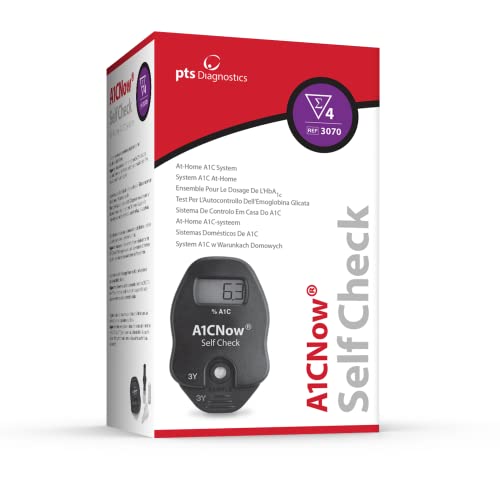
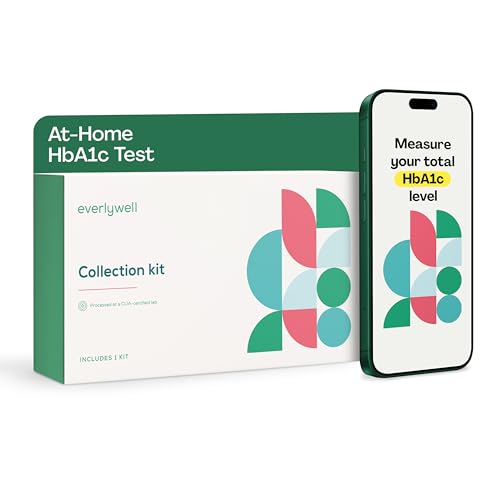
Prefer to order direct? The Everlywell HbA1c Test uses a CLIA-certified lab, physician-reviewed results, and prepaid return shipping.
What to Look For in a Continuous Glucose Monitor (CGM)
Over-the-counter CGMs like Dexcom Stelo and Abbott Lingo now sell without a prescription. Check the wear time (14–15 days per sensor), whether it reads to your phone or needs a separate device, and the monthly cost. For seeing how your own body responds to meals, a month or two is usually enough — you don't need to wear one forever.


What Makes a Good Fiber Supplement
For blood-sugar and cholesterol support you want SOLUBLE fiber — psyllium husk is the best studied. Start with one teaspoon and build up with plenty of water to avoid bloating, and take it 10–15 minutes before carb-heavy meals. Choose an unsweetened, additive-free powder or capsule.


Frequently Asked Questions
Can PCOS be cured?
PCOS is a chronic condition without a cure, but symptoms can be effectively managed and metabolic risks reduced. Many women achieve significant symptom improvement through insulin sensitization (diet, exercise, inositol/metformin), weight management, and targeted hormonal therapy. Some women find that symptoms diminish significantly with lifestyle optimization, though the underlying predisposition remains.
Can you have PCOS without cysts?
Yes. Despite the name, polycystic ovaries are not required for diagnosis under the Rotterdam criteria. You can be diagnosed with PCOS based on irregular periods plus hyperandrogenism (elevated testosterone or clinical signs like acne/hirsutism) without ovarian cysts. Additionally, the 'cysts' are actually antral follicles, not true cysts.
Does PCOS cause weight gain, or does weight gain cause PCOS?
Both directions are true, creating a vicious cycle. Genetic predisposition to insulin resistance drives PCOS features, which promote weight gain. But excess weight (especially visceral fat) worsens insulin resistance, increases androgen production, and exacerbates PCOS symptoms. Approximately 20-30% of women with PCOS are normal weight ('lean PCOS'), demonstrating that while obesity worsens PCOS, it's not the sole cause.
Can GLP-1 medications like Ozempic help with PCOS symptoms?
GLP-1 medications aren't specifically studied or FDA-approved for PCOS, but because insulin resistance is the upstream driver of PCOS in most cases, the weight loss and improved insulin sensitivity from a GLP-1 can indirectly improve cycle regularity and androgen-driven symptoms the same way other insulin-sensitizing interventions (metformin, inositol, weight loss) do. Metformin has decades of PCOS-specific evidence behind it and remains the standard first-line insulin sensitizer; a GLP-1 would typically be discussed alongside, not instead of, that established treatment, and with the same clinician managing your PCOS care.
Does spironolactone cause weight gain?
Spironolactone, used off-label for PCOS-related hirsutism and acne at the 50-200 mg/day range covered above, is a potassium-sparing diuretic and aldosterone antagonist — its mechanism isn't pharmacologically linked to fat-mass gain the way some other medications are. Some users report fluid-related bloating or breast tenderness, which can feel like weight gain on the scale, but this is a fluid-shift effect rather than true fat gain. If you notice a sustained weight increase while on spironolactone, it's worth discussing with your prescriber to rule out other contributors rather than assuming the drug is the direct cause.
Do PCOS detox cleanses actually work?
No — there's no evidence that a detox or cleanse product improves PCOS. The liver and kidneys already continuously clear metabolic byproducts without help from a supplement regimen, and PCOS itself is driven by insulin resistance and androgen excess, not a buildup of toxins a cleanse could remove. The interventions with real evidence for PCOS are the insulin-sensitizing ones covered above — dietary modification, metformin, inositol, exercise, and weight management where appropriate — not a short-term cleanse protocol.
How common is metabolic syndrome in women with PCOS?
Very common — an estimated 33-47% of women with PCOS also meet full metabolic syndrome criteria, compared to a much lower rate in the general population. Insulin resistance is the shared mechanism: it drives both the androgen excess characteristic of PCOS and the abdominal fat, high triglycerides, low HDL, and elevated blood pressure that define metabolic syndrome. This overlap is a major reason PCOS patients are typically screened for metabolic syndrome markers starting at diagnosis rather than waiting for symptoms. See our full metabolic syndrome guide for the 5 diagnostic criteria.
Does a low-carb diet help with PCOS symptoms?
It can, though the evidence is smaller than for metformin or inositol. Because insulin resistance drives androgen excess in most PCOS cases, lowering insulin through carbohydrate restriction has a plausible mechanism for easing acne, irregular cycles, and difficulty losing weight. Small trials on ketogenic diets in PCOS report improvements in insulin resistance markers and menstrual regularity over 3 to 6 months. It works best alongside the insulin-sensitizing options above. It does not replace them, and any large carbohydrate cut is worth discussing with the clinician managing your PCOS care first.
Which lab tests diagnose PCOS?
No single lab test diagnoses polycystic ovary syndrome (PCOS) on its own. Instead, clinicians evaluate adult patients using the Rotterdam criteria, which align with guidance from the American College of Obstetricians and Gynecologists. Diagnosis requires meeting two of three features after ruling out other causes: irregular or absent ovulation, clinical or biochemical hyperandrogenism, and polycystic ovarian morphology. To check for biochemical hyperandrogenism, providers commonly order total and free testosterone blood tests. They also frequently measure luteinizing hormone (LH) and follicle-stimulating hormone (FSH), where an elevated LH to FSH ratio serves as a classic but optional finding. Tests for thyroid-stimulating hormone (TSH) and prolactin rule out other conditions that disrupt menstrual cycles and mimic PCOS. Clinicians also commonly order fasting insulin and glucose, or an oral glucose tolerance test, to evaluate the insulin-resistance link covered above. A pelvic ultrasound assesses ovarian morphology for the third Rotterdam criterion; because ultrasound is an imaging study rather than a blood test, clinicians do not require it when the other two criteria are already clearly met.
Topic updates
Get the weekly hormone optimization roundup
Testosterone, thyroid, cortisol, estrogen, menopause, perimenopause, libido, and hormone testing.
Want your hormones handled by a physician who works from your labs? See how Opt Health does it →
Check Where You Stand
Take our free health assessment to understand your metabolic, hormonal, and recovery risk factors — and get personalized recommendations.
Take the Free Assessment →Free · Takes 5 minutes · Instant results
Related Reading
← Back to Hormone Optimization
-
PCOS vs Endometriosis: Metabolic/hormonal vs Inflammatory Reproductive Conditions Compared
PCOS vs endometriosis: how to tell two of the most common reproductive conditions apart.
-
PCOS Symptoms: the Full Checklist by Category — Reproductive, Dermatologic, and Metabolic
PCOS symptoms by category — reproductive, dermatologic/androgen, and metabolic — plus a life-stage FAQ.
-
PCOS vs Thyroid Symptoms: How to Tell Two Commonly Confused Hormonal Conditions Apart
PCOS vs thyroid symptoms: shared symptoms, the clues that point one way, and why both often get tested together.
Affiliate disclosure: The Metabolic Journal is reader-supported. Some links above are affiliate or referral links and we may earn a commission at no extra cost to you. As an Amazon Associate we earn from qualifying purchases. Products are chosen on the merits; commissions never influence what we recommend. This is general information, not medical advice — talk to your clinician before acting.