Hyperinsulinemia: Symptoms, Causes & How to Reverse It
Medically reviewed by Dr. Michael Teplitsky, MD Last reviewed 2026-08-08
Why chronically high insulin is the hidden driver of metabolic disease — years before blood sugar rises
Hyperinsulinemia is chronically high insulin in the blood, often years before glucose rises. Learn the symptoms, causes, diagnosis, and how to lower it.
This article is for general education and is not medical advice. High insulin can have many causes, including rare ones that need urgent care — always interpret lab results with your clinician.
Hyperinsulinemia means having an abnormally high level of insulin in your blood relative to your blood sugar. Most commonly, it happens in response to insulin resistance. When cells stop responding well to insulin, the pancreas produces more of it to keep glucose in range. That's why hyperinsulinemia can persist silently for years: fasting glucose remains normal while insulin quietly rises.
Want insulin resistance treated, not just named?
Opt Health tests fasting insulin and HOMA-IR — the markers most panels skip — and treats the resistance itself with a physician-built plan rather than waiting for glucose to drift into the diabetic range.
Read Opt Health on insulin resistance →This matters because chronically high insulin is not simply a marker of metabolic trouble, it is thought to play an active role in driving it. A 2025 review on the role of the Western diet and hyperinsulinemia in type 2 diabetes describes high insulin as a central node connecting a refined-carbohydrate diet, ectopic fat, and the eventual failure of blood-sugar control. The good news is that, for most people, the driver is lifestyle, and the state is reversible.
What Is Hyperinsulinemia?
Hyperinsulinemia is too much insulin in the blood for the amount of glucose present. It is not diabetes, and it is not the same thing as high blood sugar. In fact, people with hyperinsulinemia usually have normal blood sugar — the extra insulin is exactly what keeps glucose looking fine on a standard panel.
There are two broad types. Compensatory hyperinsulinemia is by far the most common: the pancreas makes extra insulin to overcome insulin resistance. Endogenous hyperinsulinemia from a rare insulin-secreting tumor (insulinoma) or a genetic condition is uncommon but important, because it can cause dangerous low blood sugar and needs specialist care. This page focuses on the common, lifestyle-driven form.
Hyperinsulinemia vs Insulin Resistance
Hyperinsulinemia and insulin resistance are tightly linked but not identical: insulin resistance is cells responding poorly to insulin, while hyperinsulinemia is the high insulin level that results. One is the cause; the other is the readout you can measure.
| Feature | Insulin resistance | Hyperinsulinemia |
|---|---|---|
| What it is | Cells respond weakly to insulin's signal | Blood insulin is high for the glucose level |
| Cause vs effect | The underlying defect | The pancreas's compensation for it |
| How it's measured | HOMA-IR, triglyceride-to-HDL ratio, clamp studies | Fasting insulin, C-peptide, insulin during an OGTT |
| Blood sugar | Often still normal early on | Often still normal early on |
| Relationship | Chronic hyperinsulinemia can itself worsen insulin resistance, creating a self-reinforcing loop | |
When to focus on which: in practice you treat them together, because the same steps — cutting refined carbohydrates, building muscle, losing visceral fat — lower insulin and improve sensitivity at the same time. Measuring fasting insulin plus HOMA-IR gives you both numbers from one blood draw.
Symptoms of Hyperinsulinemia
Hyperinsulinemia often causes no symptoms at all, which is why it is so easily missed. When signs do appear, they reflect insulin's effects on fat storage, hormones, and blood sugar swings:
- Weight gain, especially around the belly — insulin is a fat-storage hormone; high levels make fat easier to store and harder to burn.
- Strong sugar and carb cravings — driven by reactive dips in blood sugar after insulin overshoots.
- Fatigue after meals and energy crashes — a hallmark of exaggerated post-meal insulin release.
- Difficulty losing weight — high insulin blocks the release of stored fat.
- Acanthosis nigricans — dark, velvety patches on the neck, armpits, or groin, a visible skin marker of high insulin.
- Skin tags — small skin growths linked to insulin's growth-signaling effects.
- Irregular periods or PCOS features in women — high insulin raises ovarian androgen production. See PCOS and insulin resistance.
- Shakiness or lightheadedness a few hours after eating — reactive hypoglycemia from an oversized insulin response.
Because these symptoms overlap with insulin resistance symptoms, the only way to confirm high insulin is to test it directly.
What Causes Hyperinsulinemia?
The most common cause of hyperinsulinemia is insulin resistance driven by lifestyle. The main contributors are:
- A diet high in refined carbohydrates and sugar — repeated large glucose loads demand repeated large insulin releases.
- Excess visceral fat — fat stored around the organs releases inflammatory signals that worsen insulin resistance.
- Physical inactivity — muscle is the biggest glucose sink; unused muscle clears glucose poorly, so more insulin is needed.
- Poor sleep and chronic stress — even one short night raises insulin resistance the next day, and high cortisol pushes glucose (and therefore insulin) up.
- Genetics and family history — some people secrete more insulin for the same glucose load, an inherited tendency toward hyperinsulinemia.
- PCOS — insulin resistance is central to most PCOS, and the resulting hyperinsulinemia drives its hormonal symptoms.
Rare causes include insulinoma (an insulin-producing tumor) and certain genetic conditions. These are uncommon but are the reason unexplained high insulin with low blood sugar should always be evaluated by a clinician.
How Is Hyperinsulinemia Diagnosed?
Hyperinsulinemia is diagnosed by measuring insulin directly, because a normal glucose or A1c will not reveal it. The core tests are:
- Fasting insulin — the simplest test. Most labs call anything under about 25 μIU/mL “normal,” but a functional optimal level is closer to under 7 μIU/mL. This gap is the trap: a fasting insulin of 20 gets flagged as normal even though it signals clear hyperinsulinemia. See our normal fasting insulin level guide for the full ranges.
- HOMA-IR — calculated from fasting insulin and glucose together; optimal is under 1.0. Estimate yours with the insulin resistance calculator.
- C-peptide — released alongside insulin, it confirms the pancreas is the source of the high insulin.
- Insulin during a glucose tolerance test (the Kraft-style insulin assay) — an under-used but revealing test.
A detail most guides skip: a single fasting insulin can look fine while insulin is grossly elevated after meals. Physician Joseph Kraft measured insulin at intervals during a glucose tolerance test and found that many people with a normal fasting value still showed a large, delayed insulin surge — hyperinsulinemia the fasting number missed entirely. If your fasting insulin is borderline but symptoms fit, an insulin-response test tells you far more than a single fasting draw. Pair any of these with the markers in our insulin resistance testing guide.
How to Reverse Hyperinsulinemia
Hyperinsulinemia is reversible for most people through diet, movement, and fat loss — the same steps that improve insulin resistance. The evidence-backed levers are:
- Cut refined carbohydrates and added sugar. Lowering the glucose load lowers the insulin needed to handle it. Randomized trials of low-carbohydrate and ketogenic diets report fasting insulin drops of roughly 20–30% and A1c reductions of 0.3–0.6% over 3–6 months.
- Eat more fiber and protein first. Higher fiber intake is consistently linked to lower insulin and better sensitivity; eating protein and vegetables before carbohydrates blunts the post-meal insulin spike.
- Build and use muscle. Resistance training 2–3 times a week, plus a 10-minute walk after meals, makes muscle pull glucose from the blood with less insulin.
- Lose visceral fat. Even 5–7% body-weight loss meaningfully lowers insulin; the Diabetes Prevention Program showed this level of loss cut progression to diabetes by 58%.
- Fix sleep and stress. Consistent 7–9 hour sleep and stress reduction remove two hidden drivers of high insulin.
- Consider medical support when needed. Metformin, and in some cases GLP-1 medications, lower insulin under a clinician's care — useful adjuncts, not replacements for the lifestyle base.
For a step-by-step plan, see how to reverse insulin resistance and our insulin resistance diet guide. Most people see fasting insulin improve within 8–12 weeks of consistent change.
Complications of Untreated Hyperinsulinemia
Left unchecked, chronic hyperinsulinemia raises the risk of several conditions long before diabetes appears. High insulin is associated with:
- Type 2 diabetes — once the pancreas can no longer keep up, blood sugar finally rises.
- Non-alcoholic fatty liver disease — high insulin drives the liver to store fat, a leading cause of fatty liver.
- Weight gain and obesity — insulin's fat-storage signal makes weight loss harder.
- PCOS and infertility — through insulin-driven androgen excess.
- High blood pressure and abnormal cholesterol — high triglycerides with low HDL is a classic insulin-driven pattern.
- Cardiovascular disease — the combination of the above raises long-term heart risk independent of blood sugar.
This is why catching high insulin early — while it is still just a number on a lab, not yet a diagnosis — is so valuable. Understanding your broader metabolic health picture puts these risks in context.
How to test metabolic markers at home
You don't need a lab appointment to check your own metabolic markers — a few at-home kits mail you a collection kit and return physician-reviewed results online within days:
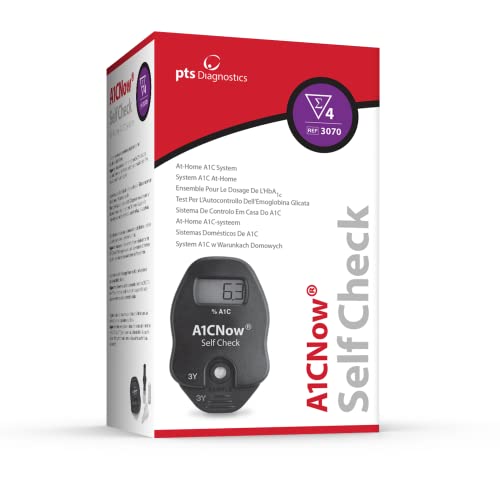
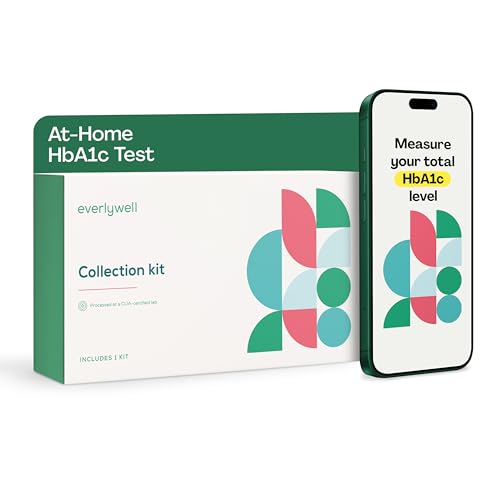
Prefer to order direct? The Everlywell HbA1c Test uses a CLIA-certified lab, physician-reviewed results, and prepaid return shipping.
What to Look For in a Continuous Glucose Monitor (CGM)
Over-the-counter CGMs like Dexcom Stelo and Abbott Lingo now sell without a prescription. Check the wear time (14–15 days per sensor), whether it reads to your phone or needs a separate device, and the monthly cost. For seeing how your own body responds to meals, a month or two is usually enough — you don't need to wear one forever.


What Makes a Good Fiber Supplement
For blood-sugar and cholesterol support you want SOLUBLE fiber — psyllium husk is the best studied. Start with one teaspoon and build up with plenty of water to avoid bloating, and take it 10–15 minutes before carb-heavy meals. Choose an unsweetened, additive-free powder or capsule.


Frequently Asked Questions
Can hyperinsulinemia be reversed?
Yes, in most cases hyperinsulinemia driven by lifestyle can be reversed. Cutting refined carbohydrates, building muscle, improving sleep, and losing 5–7% of body weight lower insulin levels, often within 8–12 weeks. Randomized trials of low-carbohydrate diets report fasting insulin drops of about 20–30% over 3–6 months. Rare causes such as an insulin-producing tumor are treated differently and need specialist care.
Is hyperinsulinemia the same as diabetes?
No. Hyperinsulinemia is high insulin with usually normal blood sugar, while diabetes is high blood sugar. Hyperinsulinemia typically comes first — the pancreas makes extra insulin to keep glucose normal, sometimes for 10–15 years. Diabetes develops later, once the pancreas can no longer keep up. Catching high insulin early is a chance to prevent that progression.
Does hyperinsulinemia cause weight gain?
Yes, high insulin makes weight gain easier and weight loss harder. Insulin is the body's main fat-storage hormone: when it is chronically elevated, it signals cells to store fat and blocks the release of stored fat for energy. This is why lowering insulin — mainly by reducing refined carbohydrates and building muscle — often makes stubborn weight easier to lose.
Does hyperinsulinemia cause fatty liver?
High insulin is a major driver of non-alcoholic fatty liver disease. Insulin tells the liver to convert excess sugar into fat and to store it, so chronically elevated insulin promotes fat buildup in the liver. The same steps that lower insulin — carbohydrate reduction, fiber, exercise, and fat loss — also reduce liver fat.
What is a normal insulin level?
Most labs report a fasting insulin under about 25 μIU/mL as normal, but a functional optimal level is closer to under 7 μIU/mL. This gap matters: a fasting insulin of 20 is flagged as normal even though it points to hyperinsulinemia. See our normal fasting insulin level guide for the full ranges and how to interpret them against optimal, not just the lab cutoff.
What should I eat with hyperinsulinemia?
Build meals around non-starchy vegetables, protein, healthy fats, and high-fiber whole foods, and limit refined carbohydrates and added sugar, which drive the largest insulin releases. Eating protein and vegetables before carbohydrates blunts the post-meal insulin spike. A lower-carbohydrate or Mediterranean pattern has the strongest evidence for lowering fasting insulin. See our insulin resistance diet guide for specific meals.
Topic updates
Get the weekly metabolic health roundup
Insulin resistance, blood sugar, visceral fat, GLP-1 plateaus, metabolic syndrome, and weight-loss physiology.
Want insulin resistance handled by a physician who works from your labs? See how Opt Health does it →
Check Where You Stand
Take our free health assessment to understand your metabolic, hormonal, and recovery risk factors — and get personalized recommendations.
Take the Free Assessment →Free · Takes 5 minutes · Instant results
Related Reading
-
Triglyceride Levels Chart: Normal, Borderline, High and Very High, What Causes High Triglycerides and How to Lower Them
Triglyceride levels chart: normal, borderline, high and very high, what causes high triglycerides and how to lower them.
-
Triglycerides vs Cholesterol: What Each Is, How They Differ on a Lipid Panel, and Why One Can Be High While the Other Looks Normal
Triglycerides vs cholesterol: what each is, how they differ on a lipid panel, and why one can be high while the other looks normal.
-
Intermittent Fasting: What the Trials Show, Common Schedules, and Who Should Not Fast
Intermittent fasting: what the trials show, common schedules, and who should not fast.
See more related reading
-
Intermittent Fasting for Women: What the Evidence Covers, Periods, Midlife, and a Cautious Way to Start
Intermittent fasting for women: what the evidence covers, periods, midlife, and a cautious way to start.
-
How to Lower LDL Cholesterol: the Diet Levers and Their Measured LDL Effects, Retest Timing, and When Statins or Ezetimibe Come In
How to lower LDL cholesterol: the diet levers and their measured LDL effects, retest timing, and when statins or ezetimibe come in.
-
Atorvastatin vs Rosuvastatin: LDL Lowering by Dose, LODESTAR Outcomes, Side Effects, Kidney Dosing and Interactions
Atorvastatin vs rosuvastatin: LDL lowering by dose, LODESTAR outcomes, side effects, kidney dosing and interactions.
-
How to Lower Blood Pressure: the Measured mmHg Drops From DASH, Sodium, Weight, Exercise and Alcohol, and When a Reading Is an Emergency
How to lower blood pressure: the measured mmHg drops from DASH, sodium, weight, exercise and alcohol, and when a reading is an emergency.
-
What Is Insulin Resistance? Causes, Symptoms & How to Reverse It
What insulin resistance is, how to test for it, and how to reverse it.
Affiliate disclosure: The Metabolic Journal is reader-supported. Some links above are affiliate or referral links and we may earn a commission at no extra cost to you. As an Amazon Associate we earn from qualifying purchases. Products are chosen on the merits; commissions never influence what we recommend. This is general information, not medical advice — talk to your clinician before acting.