Insulin Resistance Diet: What to Eat, Avoid & a Meal Plan
Medically reviewed by Medical Advisory Board Last reviewed 2026-08-21
The evidence-based eating pattern that lowers fasting insulin and improves insulin sensitivity
Insulin resistance diet guide: the best foods to eat, what to avoid, and a 7-day meal plan backed by clinical research.
Reviewed by The Metabolic Journal Medical Advisory Board
An insulin resistance diet is not one specific eating plan. Instead, it brings together dietary strategies backed by robust clinical evidence for lowering fasting insulin, reducing postprandial glucose spikes, and improving cellular insulin sensitivity. The three strategies with the most consistent support are low-glycemic-index eating, high-fiber intake, and protein-first meal structuring. A landmark 2020 randomized controlled trial published in Cell Metabolism (Ebbeling et al.) found that adults who reduced their dietary glycemic load for 20 weeks had measurably lower fasting insulin and improved insulin sensitivity markers than a high-glycemic control group, independent of total calorie intake.
Partner · Opt Health
Want insulin resistance treated, not just named?
Opt Health tests fasting insulin and HOMA-IR — the markers most panels skip — and treats the resistance itself with a physician-built plan rather than waiting for glucose to drift into the diabetic range.
Read Opt Health on insulin resistance →Understanding what to eat, and why certain foods trigger a disproportionate insulin release, is the foundation of managing insulin resistance through nutrition. This guide explains the mechanism, highlights the best foods and those to avoid, and provides a practical 7-day meal framework. For the broader clinical picture of insulin resistance, see our insulin resistance overview. For the right labs to test insulin sensitivity, see our insulin resistance testing guide.
Why Diet Matters for Insulin Resistance: The Mechanism
Dietary carbohydrates — particularly refined starches and added sugars — drive postprandial insulin spikes. When cells are insulin-resistant, the pancreas compensates by secreting more insulin to clear glucose from the bloodstream. Over time, chronically high insulin levels (hyperinsulinemia) suppress fat burning, promote visceral fat storage, and perpetuate the cycle of insulin resistance.
The glycemic index (GI) and glycemic load (GL) of meals are the most clinically studied dietary levers. Foods with a high GI cause rapid glucose absorption and outsized insulin release; low-GI foods blunt this response. A 2019 meta-analysis in Diabetes Care (Jenkins et al., 40 RCTs, n = 2,834) found that replacing high-GI carbohydrates with low-GI alternatives reduced HOMA-IR by an average of 0.36 points and fasting insulin by 1.7 µIU/mL — clinically meaningful changes after 4–12 weeks.
Three additional mechanisms matter: (1) Fiber slows glucose absorption and feeds short-chain fatty acid-producing gut bacteria that improve insulin signaling. (2) Protein at the start of a meal (protein-first eating) has been shown to blunt postprandial glucose by 30–40% versus eating carbohydrates first (Kuwata et al., Diabetologia, 2016). (3) Saturated fat excess — particularly from ultra-processed foods — impairs insulin receptor function in muscle tissue independently of carbohydrate intake.
Best Foods for Insulin Resistance
The best foods for insulin resistance are high in fiber, low in refined starch, and rich in micronutrients that support insulin signaling.
- Non-starchy vegetables (spinach, broccoli, kale, zucchini, peppers) — very low glycemic load; provide magnesium, which is required for over 300 enzymatic reactions including insulin receptor activation
- Legumes (lentils, chickpeas, black beans) — high fiber + resistant starch; GI 20–40; associated with improved HOMA-IR in multiple RCTs
- Whole grains (oats, quinoa, barley, farro) — prefer minimally processed forms; oats contain beta-glucan, which has been shown to improve insulin sensitivity in a 2021 Nutrients meta-analysis
- Fatty fish (salmon, sardines, mackerel) — omega-3 EPA/DHA reduce adipose tissue inflammation that drives IR
- Nuts and seeds — almonds, walnuts, chia, flaxseed; improve postprandial glucose when added to high-carb meals
- Berries — low GI (25–40); anthocyanins improve GLUT4 expression in preliminary studies
- Apple cider vinegar — 2 tsp before a high-carb meal reduces postprandial glucose by ~20% in small RCTs (Johnston et al., Diabetes Care, 2004); mechanism is acetic acid inhibiting salivary amylase
Foods to Avoid (or Minimize)
Foods that spike insulin fastest and most consistently are the ones most important to reduce when managing insulin resistance.
- Refined grain products — white bread, white rice, most breakfast cereals, crackers; GI 70–100; drive rapid postprandial insulin spikes
- Sugar-sweetened beverages — the worst offenders: liquid fructose bypasses satiety signals and is preferentially converted to hepatic fat (de novo lipogenesis), directly worsening liver insulin resistance
- Ultra-processed snack foods — combine refined starch, added sugar, and excess omega-6 fats in a format designed for overconsumption
- Fruit juice — removes fiber from whole fruit, producing a rapid glucose spike; whole fruit is acceptable in moderate quantities
- Alcohol (excess) — impairs hepatic glucose regulation and increases visceral fat; moderate intake (1 drink/day) has mixed evidence
A non-obvious finding: industrially processed "whole grain" products — breads labeled as whole wheat but finely milled — often have a GI nearly as high as white bread (GI 70–75). The milling process destroys the structural matrix that slows starch digestion. True intact whole grains (steel-cut oats, whole barley, farro) have GI values of 40–55.
7-Day Insulin Resistance Meal Plan Framework
This framework provides a repeating structure rather than rigid recipes, making it sustainable as a lifestyle pattern.
| Day | Breakfast | Lunch | Dinner |
|---|---|---|---|
| Mon | Steel-cut oats + walnuts + berries | Lentil soup + side salad with olive oil | Salmon + roasted broccoli + quinoa |
| Tue | Eggs (2) + spinach + 1 slice sourdough | Chickpea salad + avocado | Chicken thigh + asparagus + farro |
| Wed | Greek yogurt (plain) + chia seeds + berries | Black bean bowl + vegetables | Sardines on greens + olive oil + sweet potato |
| Thu | Protein smoothie: pea protein + spinach + flaxseed + frozen berries | Turkey lettuce wraps + cucumber | Steak (4 oz) + roasted Brussels sprouts + barley |
| Fri–Sun | Repeat any of the above; allow one meal with higher-GI foods if desired while keeping it protein-first | ||
Protein-first rule: eat protein and vegetables before carbohydrates at every meal. This alone reduces postprandial glucose by 30–40% without changing what you eat — only the order.
How Long Before Diet Changes Improve Insulin Sensitivity?
Measurable improvements in insulin sensitivity begin within 2–4 weeks of consistent dietary change, with HOMA-IR improvements of 0.5–1.5 points achievable at 8–12 weeks in most clinical trials. The timeline depends heavily on starting HOMA-IR and the degree of dietary change — use our insulin resistance calculator to compute your own HOMA-IR score from a fasting insulin and glucose result and track it as you make these changes.
The fastest improvements come from: (1) eliminating sugar-sweetened beverages (effect visible within 10 days in some studies), (2) adding a post-meal 10-minute walk (reduces postprandial glucose by ~22% per a 2022 Sports Medicine meta-analysis), and (3) replacing refined grains with legumes and intact whole grains.
For faster or deeper improvement, dietary change works synergistically with resistance training (which upregulates GLUT4 transporters in muscle) and sleep optimization (poor sleep elevates cortisol and raises fasting insulin). See our exercise for insulin resistance guide and our full insulin resistance reversal guide. If you want to understand your baseline, start with our free metabolic assessment.
How to test metabolic markers at home
You don't need a lab appointment to check your own metabolic markers — a few at-home kits mail you a collection kit and return physician-reviewed results online within days:
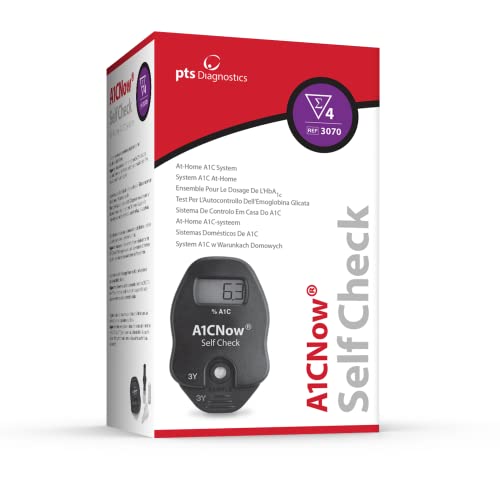
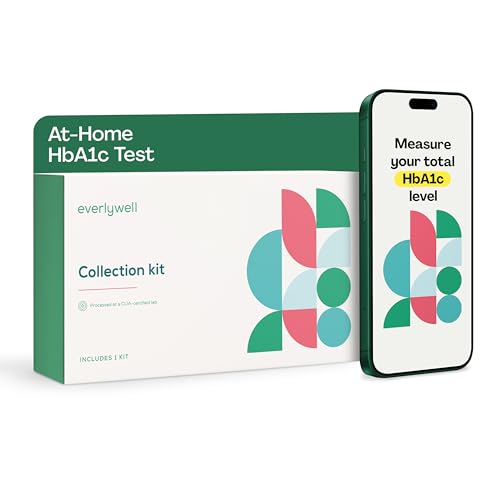
Prefer to order direct? The Everlywell HbA1c Test uses a CLIA-certified lab, physician-reviewed results, and prepaid return shipping.
What to Look For in a Continuous Glucose Monitor (CGM)
Over-the-counter CGMs like Dexcom Stelo and Abbott Lingo now sell without a prescription. Check the wear time (14–15 days per sensor), whether it reads to your phone or needs a separate device, and the monthly cost. For seeing how your own body responds to meals, a month or two is usually enough — you don't need to wear one forever.


What Makes a Good Fiber Supplement
For blood-sugar and cholesterol support you want SOLUBLE fiber — psyllium husk is the best studied. Start with one teaspoon and build up with plenty of water to avoid bloating, and take it 10–15 minutes before carb-heavy meals. Choose an unsweetened, additive-free powder or capsule.


Frequently Asked Questions
What is the best diet for insulin resistance?
The strongest evidence supports a low-glycemic-index, high-fiber dietary pattern — similar to a traditional Mediterranean diet. Key elements: replace refined grains with legumes and intact whole grains; eat protein before carbohydrates at each meal; eliminate sugar-sweetened beverages; add non-starchy vegetables to every meal. A 2019 Diabetes Care meta-analysis of 40 RCTs found this approach reduced HOMA-IR by an average of 0.36 points over 4–12 weeks.
Can insulin resistance be reversed with diet alone?
Yes, for many people — especially those with early-stage insulin resistance and no significant beta-cell damage. Diet and exercise together produce the strongest results. A 2022 analysis in The Lancet found that intensive lifestyle intervention (diet + exercise) reduced progression to type 2 diabetes by 58% over 3 years. Diet alone reduces fasting insulin meaningfully, but adding resistance training accelerates the response.
Is a low-carb diet better than a low-GI diet for insulin resistance?
Both improve insulin resistance, and the best evidence suggests they are comparably effective over 6–12 months, with adherence being the key determinant. Very low-carb diets (ketogenic) produce faster short-term improvements in fasting insulin but are harder to sustain long-term. Low-GI Mediterranean-style patterns show equivalent or superior outcomes at 1–2 years with better adherence rates. Choose the pattern you can maintain.
What should I eat for breakfast with insulin resistance?
Prioritize protein and fiber in the morning to blunt the dawn phenomenon glucose rise. Good choices: eggs with vegetables, steel-cut oats with nuts and berries, plain Greek yogurt with chia seeds, or a protein smoothie with greens. Avoid cereals, toast alone, fruit juice, or pastries — all spike insulin rapidly in a fasting state. The protein-first eating order at breakfast also helps blunt the glycemic response of any carbohydrates included.
Is the insulin resistance diet different if I have PCOS?
The foundation is the same low-glycemic, high-fiber, protein-first pattern — and it works especially well in PCOS, because insulin resistance is what drives the excess androgen production behind many PCOS symptoms. A 2019 meta-analysis of randomized controlled trials in the International Journal of Endocrinology found that carbohydrate-reduced eating significantly lowered insulin resistance in women with PCOS (HOMA-IR standardized mean difference −0.66; 4 RCTs) and reduced testosterone when sustained beyond four weeks. Prioritize legumes and intact whole grains over refined starch, keep sugar-sweetened drinks out, and pair the diet with resistance training. See our PCOS overview for the full clinical picture.
Do diet sodas and artificial sweeteners make insulin resistance worse?
The evidence does not support banning them. Randomized crossover trials of aspartame or acesulfame K over two weeks found no adverse effect on fasting glucose, fasting insulin, or HOMA-IR. Diet sodas do nothing to retrain a preference for sweetness, and observational data link heavy consumption to worse metabolic markers — so treat them as a bridge away from sugar-sweetened beverages, not a health drink. Water, unsweetened tea, and coffee remain the first choice.
How many carbs a day should I eat with insulin resistance?
There is no single target. The American Diabetes Association's 2019 nutrition consensus report concluded there is no ideal percentage of calories from carbohydrate for everyone, but that reducing overall carbohydrate intake has the strongest evidence for improving blood glucose. In practice, carbohydrate quality (intact whole grains, legumes, non-starchy vegetables) and eating protein-first matter as much as the gram total. Diets under roughly 130 g/day are generally classified as low-carbohydrate; deeper restriction can lower fasting insulin faster but is harder to sustain. Track your own response with a fasting insulin test and adjust. To find your starting point, use our free metabolic assessment.
Can insulin resistance stop you from losing weight?
It makes weight loss harder, not impossible. Chronically elevated insulin suppresses lipolysis (fat breakdown) and promotes fat storage, which is a mechanistic reason "eat less, move more" often underperforms for people with insulin resistance — the body is actively working against the deficit. That said, the same strategies on this page directly target the problem: a randomized trial in Cell Metabolism (Magkos et al., 2016) found that even a modest 5% weight loss increased muscle insulin-stimulated glucose uptake by roughly 25% in adults with obesity, with progressively larger weight loss producing further gains in muscle, liver, and fat-tissue insulin sensitivity. Lowering insulin through diet (protein-first eating, fiber, cutting refined carbs) makes the fat-loss resistance itself ease over time, and pairing this diet with resistance training, which independently improves glucose uptake, tends to produce the fastest results.
Is this diet different for vegetarians or vegans?
The same principles apply — low-glycemic, high-fiber, protein-first — but hitting the protein-first target takes more planning without meat, fish, or eggs. Legumes (lentils, chickpeas, black beans), tofu, tempeh, edamame, and Greek-style plant yogurt are the workhorses: they deliver protein alongside fiber, which is a genuine advantage here, since fiber itself slows the glucose and insulin response to a meal. Pair a protein source with every carbohydrate-containing meal rather than eating starches alone, and favor intact legumes and whole grains over refined-carb vegetarian staples (white rice, refined pasta, bread), which behave like any other refined carbohydrate regardless of being meat-free. Vegan diets that lean heavily on refined grains, fruit juice, or processed meat substitutes won't automatically improve insulin resistance — the glycemic-index and fiber principles on this page still decide the outcome, not the absence of animal products by itself. If you're also managing PCOS, see the PCOS-specific FAQ above; the same protein-and-fiber substitutions apply.
Topic updates
Get the weekly metabolic health roundup
Insulin resistance, blood sugar, visceral fat, GLP-1 plateaus, metabolic syndrome, and weight-loss physiology.
Want insulin resistance handled by a physician who works from your labs? See how Opt Health does it →
Check Where You Stand
Take our free health assessment to understand your metabolic, hormonal, and recovery risk factors — and get personalized recommendations.
Take the Free Assessment →Free · Takes 5 minutes · Instant results
Related Guides
-
Metabolic Syndrome vs Insulin Resistance — How the Two Terms Differ
Metabolic syndrome vs insulin resistance: the mechanism-vs-diagnosis distinction, and where PCOS overlaps.
-
How to Reverse Insulin Resistance Naturally
Evidence-based dietary and lifestyle interventions (3-16 week timeline).
-
Insulin Resistance Supplements: Evidence-based Rankings for Berberine, Magnesium, and Inositol
Evidence-based rankings: berberine, magnesium, inositol, ALA, and chromium.
See more related guides
-
Insulin Resistance vs Prediabetes: Key Differences and the Progression Timeline
Continuum diagram, diagnostic thresholds, and the reversal window.
-
Exercise for Insulin Resistance: the Evidence-based Workout Plan
GLUT4 mechanism, resistance training protocol, HIIT vs steady-state, yoga.
-
Insulin Resistance in Pets
Insulin resistance in dogs and horses — equine metabolic syndrome and canine diabetes explained.
-
Insulin Resistance Meal Plan
A structured 7-day insulin resistance meal plan with grocery list.
-
How Insulin Resistance Causes Fatty Liver Disease (MASLD)
How insulin resistance drives fatty liver disease (MASLD), the 2023 diagnostic criteria, and the tests that catch it early.
Affiliate disclosure: The Metabolic Journal is reader-supported. Some links above are affiliate or referral links and we may earn a commission at no extra cost to you. As an Amazon Associate we earn from qualifying purchases. Products are chosen on the merits; commissions never influence what we recommend. This is general information, not medical advice — talk to your clinician before acting.