Exercise for Insulin Resistance: The Evidence-Based Plan
Medically reviewed by Medical Advisory Board Last reviewed 2026-06-18
How aerobic, resistance, and mind-body training rewire glucose metabolism
Exercise for insulin resistance: evidence-based protocols for resistance training, HIIT, post-meal walking, and yoga. Backed by ADA guidelines and.
Exercise is the most potent non-pharmaceutical intervention for insulin resistance, capable of improving cellular glucose uptake within a single session and producing durable metabolic adaptations within weeks of consistent training. Unlike medications that target one pathway, physical activity simultaneously engages multiple biological mechanisms — from GLUT4 transporter translocation in skeletal muscle to reductions in visceral adiposity and systemic inflammation — making it uniquely effective for reversing the underlying drivers of metabolic syndrome and prediabetes.
The evidence supporting exercise for insulin resistance is among the strongest in preventive medicine. In its 2016 Position Statement (Colberg et al., Diabetes Care, 39:2065-2079), the American Diabetes Association establishes 150 minutes of moderate-to-vigorous aerobic activity per week as the threshold for meaningful metabolic benefit, along with resistance training on at least 2 to 3 non-consecutive days. More recent meta-analyses have sharpened our understanding of which exercise modalities lead to the greatest improvements in insulin sensitivity, how quickly those improvements emerge, and, crucially, why no more than two consecutive days should pass between sessions before the acute benefit begins to decay.
Partner · Opt Health
Want insulin resistance treated, not just named?
Opt Health tests fasting insulin and HOMA-IR — the markers most panels skip — and treats the resistance itself with a physician-built plan rather than waiting for glucose to drift into the diabetic range.
Read Opt Health on insulin resistance →This page synthesizes the current evidence into an actionable plan, covering the molecular mechanism behind exercise-induced insulin sensitization, resistance training protocol specifics, the HIIT-versus-steady-state debate, post-meal walking data, and yoga's stress-axis effects. Each section is designed to translate research findings into practical guidance. Reviewed by The Metabolic Journal Medical Advisory Board. If you are managing diagnosed diabetes or a related condition, discuss any new exercise program with your clinical team before starting.
How Exercise Improves Insulin Sensitivity: The GLUT4 Mechanism
Exercise improves insulin sensitivity primarily by triggering the translocation of glucose transporter type 4 (GLUT4) proteins to the surface of skeletal muscle cells, a process that can occur entirely independently of insulin signaling. Under resting conditions, GLUT4 transporters are sequestered inside the cell in specialized storage vesicles. Insulin normally acts as the key that unlocks their movement to the cell membrane, where they facilitate glucose uptake from the bloodstream. Insulin resistance occurs when this lock-and-key mechanism becomes dysfunctional — the key no longer fits as well.
Muscle contraction during exercise activates an entirely separate pathway through AMP-activated protein kinase (AMPK) and calcium/calmodulin-dependent protein kinase (CaMKII). These signaling molecules drive GLUT4 vesicles to the cell surface without requiring insulin at all. A 2020 study published in Scientific Reports (Hingst et al.) confirmed that prior exercise increases GLUT4 localization in insulin-responsive storage vesicles and T-tubuli, with enhanced insulin-stimulated GLUT4 localization at the sarcolemma — proposing intramuscular redistribution of GLUT4 as a molecular mechanism contributing to the insulin-sensitizing effect of exercise.
Beyond the acute session, chronic training increases the total abundance of GLUT4 protein in muscle tissue. Research published in the Journal of Applied Physiology (Fealy et al., 2014) demonstrated that 12 weeks of resistance training (3 sessions per week) increased skeletal muscle GLUT4 protein content by 26–33%, effectively expanding the cell's glucose-handling capacity on a permanent basis. This is why regular exercisers tend to maintain better insulin sensitivity even on rest days — the structural adaptation persists between sessions.
The practical implication of this dual mechanism is significant: exercise lowers blood glucose both in the moment (insulin-independent GLUT4 translocation during activity) and over the long term (insulin-dependent GLUT4 upregulation from chronic training). No drug achieves both effects simultaneously. A 2013 study in Diabetes Care (Newsom et al.) found that a single 350-kcal exercise session at low intensity (50% VO2peak) improved whole-body insulin sensitivity by 35% the following day in obese adults — a result that underscores how quickly the benefit manifests.
Resistance Training Protocol for Insulin Resistance
Resistance training is a cornerstone of the insulin resistance workout plan because skeletal muscle is the body's largest glucose sink, accounting for approximately 80% of insulin-stimulated glucose disposal during a euglycemic clamp. Building and maintaining muscle mass directly expands the tissue available for glucose uptake. The ADA's 2016 Position Statement (Colberg et al., Diabetes Care) recommends resistance exercise on at least 2–3 non-consecutive days per week, targeting all major muscle groups, with no more than 2 days between sessions to preserve insulin sensitization.
The following evidence-based protocol is appropriate for adults with insulin resistance or prediabetes who are new to resistance training. Beginners should start at the lower end of set and rep ranges and progress weekly as form and strength improve.
| Exercise Type | Frequency | Sets x Reps | Intensity | Rest Between Sets |
|---|---|---|---|---|
| Lower body compound (squat, leg press, Romanian deadlift) | 2–3x/week | 2–4 x 8–12 | 65–75% 1RM | 60–90 sec |
| Upper body push (chest press, overhead press) | 2–3x/week | 2–3 x 8–12 | 65–75% 1RM | 60–90 sec |
| Upper body pull (seated row, lat pulldown) | 2–3x/week | 2–3 x 8–12 | 65–75% 1RM | 60–90 sec |
| Core and hip stabilizers (plank, glute bridge) | 2–3x/week | 2–3 x 10–15 | Bodyweight to moderate load | 45–60 sec |
The 8–12 repetition range at moderate load is supported by a 2014 Journal of Applied Physiology study (Fealy et al.) that found this protocol improved insulin and glucose area under the curve in overweight and obese sedentary young men. Critically, the lower-body exercises (squats, leg press, Romanian deadlifts) recruit the quadriceps, hamstrings, and gluteal muscles — the three largest muscle groups in the body — producing the greatest metabolic stimulus per unit of training time.
One non-obvious clinical insight from this body of research: when combining resistance and aerobic training in a single session, performing resistance exercise first produces superior glycemic outcomes. A study in PLOS ONE (2024) found that the resistance-before-aerobic sequence (CRAT) produced a modestly greater reduction in insulin resistance compared to the aerobic-before-resistance sequence, a finding echoed in ADA guidance. The proposed mechanism involves greater glycogen depletion in muscle during the resistance phase, making muscle more receptive to glucose uptake during the subsequent aerobic component.
HIIT vs. Steady-State Cardio: Which Is Better for Insulin Resistance?
High-intensity interval training (HIIT) and moderate-intensity continuous training (MICT) both improve insulin sensitivity, but the evidence increasingly favors HIIT as the more time-efficient option for equivalent or superior glycemic benefit. A 2019 systematic review and meta-analysis in Aging Clinical and Experimental Research (Jelleyman et al.) found that HIIT produced a statistically significant reduction in HOMA-IR (a validated marker of insulin resistance) compared to control conditions (SMD = −0.49, 95% CI −0.87 to −0.12, p = 0.009), with effects comparable to or exceeding MICT despite shorter total exercise duration.
The ADA's position statement (Colberg et al., Diabetes Care, 2016) acknowledges that younger or more physically fit individuals can achieve comparable cardiorespiratory and glycemic benefits from 75 minutes per week of vigorous-intensity exercise — half the 150-minute MICT threshold — when it is structured as true high-intensity work.
| Exercise Type | Frequency | Duration | IR Benefit | Evidence Quality |
|---|---|---|---|---|
| Moderate-intensity continuous training (MICT) | 3–5x/week | 30–50 min/session | Consistent; well-studied across populations | High (multiple RCTs and meta-analyses) |
| High-intensity interval training (HIIT) | 2–3x/week | 20–30 min/session | Equivalent or superior to MICT per time unit; significant HOMA-IR reduction | High (multiple meta-analyses) |
| Resistance training | 2–3x/week | 45–60 min/session | Increases GLUT4 protein content 26–33%; improves insulin/glucose AUC | High (RCTs in insulin-resistant adults) |
| Post-meal walking | After each meal | 10–15 min | Reduces postprandial glucose excursion 17% vs. prolonged sitting | Moderate (RCTs and meta-analysis) |
| Yoga | 3–5x/week | 45–60 min/session | Reduces fasting glucose ~32 mg/dL; lowers HOMA-IR via cortisol reduction | Moderate (systematic reviews, RCTs) |
Practically, a hybrid approach works best for most people with insulin resistance: two HIIT sessions per week (e.g., cycling intervals of 30 seconds at near-maximal effort followed by 90 seconds of easy pedaling, repeated 8–10 times) combined with two to three resistance training sessions and daily low-intensity movement such as walking. This combination attacks insulin resistance through three distinct mechanisms simultaneously: AMPK activation (HIIT), GLUT4 upregulation (resistance training), and reduction of postprandial glucose spikes (walking).
A key caveat: individuals who are severely deconditioned, have cardiovascular disease, or are managing uncontrolled blood pressure should begin with MICT and progress to HIIT only after medical clearance and a 4–6 week adaptation period.
Post-Meal Walking: What the 10-Minute Walk Data Actually Shows
A brief walk taken within 30 minutes of eating is one of the highest-leverage, lowest-barrier interventions available for blunting the postprandial glucose spike — the sharp rise in blood sugar after a meal that is a defining feature of insulin resistance and a driver of endothelial damage over time. The mechanism is straightforward: walking activates GLUT4 translocation in leg muscles through AMPK, routing glucose from the bloodstream into working tissue before it can accumulate to damaging levels.
The most widely cited study on this topic is Buffey et al. (2022, Sports Medicine), a systematic review and meta-analysis that found intermittent light-intensity walking throughout the day reduced postprandial glucose by an average of 17.01% compared to prolonged sitting, while standing breaks alone reduced glucose by only 9.51%. Critically, the study found that even brief walking bouts — under 5 minutes — produced measurable glycemic benefit when timed correctly after meals.
A 2025 study published in Scientific Reports (Nature Publishing Group) found that a 10-minute walk taken immediately after glucose intake significantly reduced postprandial glucose levels compared to sitting, with the benefit most pronounced in individuals with impaired glucose tolerance. Earlier work by Manohar et al. (2012, Diabetes Care) established that postprandial walking was significantly more effective at reducing 3-hour postprandial glucose than a sustained morning walk of equivalent duration, underscoring the importance of timing relative to meals rather than total daily steps alone.
For practical application, the evidence supports a simple rule: take a 10–15 minute walk within 30 minutes of each major meal. This habit, applied three times daily, generates 30–45 minutes of daily activity without requiring a gym, special equipment, or a dedicated exercise window. For people whose work involves prolonged sitting, breaking up sedentary time with a post-lunch walk may produce disproportionate glycemic benefit relative to the time invested. Pair this with the insulin resistance dietary strategies covered elsewhere on The Metabolic Journal for compounded effect.
Yoga and Mind-Body Approaches: The Cortisol-Insulin Connection
Yoga improves insulin resistance through a mechanism that most exercise guides overlook entirely: downregulation of the hypothalamic-pituitary-adrenal (HPA) axis and the sympathetic nervous system, both of which, when chronically activated by stress, directly raise cortisol levels and impair insulin signaling at the receptor level. This makes yoga particularly valuable for people whose insulin resistance is driven or worsened by chronic psychological stress — a population that is larger than most clinicians appreciate.
Cortisol counteracts insulin by stimulating hepatic glucose production, increasing lipolysis (releasing fatty acids that impair insulin signaling in muscle), and reducing GLUT4 expression. When the HPA axis is chronically activated, the result is persistent insulin resistance even in people who eat well. Research published in PMC (Hegde et al., Psycho-neuro-endocrine-immune mechanisms of action of yoga in type II diabetes) describes how yoga increases parasympathetic tone and γ-aminobutyric acid (GABA) activity in the brain, decreasing cortisol and catecholamine levels — directly addressing the stress-driven component of insulin resistance.
The clinical evidence for yoga's glycemic effects is meaningful. A systematic review and meta-analysis of 14 randomized controlled trials with 1,629 participants (Dhali et al., PLOS ONE, 2019) found that yoga practice in prediabetic individuals produced significant reductions in fasting blood glucose (by approximately 31.98 mg/dL compared to control), postprandial blood glucose (by approximately 25.59 mg/dL), and HbA1c (by approximately 0.73%). A more recent 2025 meta-analysis found yoga combined with standard care significantly improved HOMA-IR (SMD = −1.28; p = 0.002) across the pooled study population.
From a practical standpoint, Hatha and restorative yoga styles — which emphasize slow, controlled breathing and extended holds — appear to produce the greatest parasympathetic activation. Three to five sessions per week of 45–60 minutes is the dose most commonly used in the RCT literature showing glycemic benefit. Even a single session of slow diaphragmatic breathing has been shown to measurably reduce cortisol. For people who are highly stressed or who have found high-intensity exercise difficult to sustain, yoga may be a more accessible entry point to the metabolic benefits of regular physical activity, with the unique advantage of directly targeting the cortisol-driven pathway. See our guide to stress and metabolic health for more on how the HPA axis affects glucose regulation.
How Fast Does Exercise Work for Insulin Resistance?
Exercise begins improving insulin sensitivity within a single session, and the speed of that response is faster than most people expect. A 2013 study published in Diabetes Care (Newsom et al.) found that a single low-intensity exercise session expending 350 kcal improved whole-body insulin sensitivity by 35% the following day in obese adults — a result achieved without weight loss, dietary changes, or medication. The acute window of improved insulin sensitivity following a single exercise bout lasts approximately 24–48 hours, which is exactly why the ADA recommends no more than 2 consecutive days without exercise.
Durable structural adaptations — increased GLUT4 protein content, improved mitochondrial density, favorable changes in muscle fiber composition — require consistent training over 6–12 weeks. Research in the American Journal of Physiology (Dela et al., 2009) found that 7 days of vigorous exercise training induced measurable increases in both insulin sensitivity and responsiveness of glucose disposal in individuals with type 2 diabetes. A 2025 study in Scientific Reports found that 8 weeks of aerobic exercise improved insulin sensitivity and cardiovascular performance, while 4 weeks did not reach statistical significance — suggesting that the 6–8 week mark is a meaningful threshold for sustained benefit.
The timeline also depends on exercise type. Post-meal walking produces glycemic benefit immediately and cumulatively. Resistance training produces GLUT4 protein increases that become measurable at 4–6 weeks and plateau around 12 weeks. HIIT produces rapid improvements in VO2max and insulin sensitivity, with significant HOMA-IR reductions documented as early as 2 weeks in some study populations.
Critically, the benefits are reversible. A 6-week aerobic training program that improved insulin sensitivity in middle-aged men showed complete reversal within 6 weeks of detraining — underscoring that exercise is a practice, not a course of treatment. Consistency matters more than intensity: moderate daily movement sustained over months outperforms intense sporadic effort from a metabolic standpoint.
Ready to take the next step? Use our Metabolic Health Assessment to identify your specific insulin resistance risk factors and receive a personalized exercise and nutrition plan, or explore our Lab Interpretation Guide to understand which biomarkers — fasting insulin, HOMA-IR, triglyceride-to-HDL ratio — best track your progress over time.
Does Time of Day — or Exercising Fasted — Change the Benefit?
Two questions come up constantly once someone has the "what exercise" answer settled: does it matter what time of day I train, and should I do it before breakfast on an empty stomach? The evidence on both is more nuanced than a simple yes or no, and the two studies below are actually answering different questions rather than contradicting each other.
Time of day: A 2019 randomised crossover trial in Diabetologia (Savikj et al.) had men already diagnosed with type 2 diabetes complete two weeks of HIIT in the morning and two weeks in the afternoon. Afternoon HIIT lowered continuous-glucose-monitor readings compared with the pre-training baseline, while the identical morning session acutely raised blood glucose in this population — an effect the authors linked to the body's circadian rhythm working against insulin action earlier in the day. A much larger 2023 UK Biobank cohort study in Diabetologia, following 93,095 adults without diabetes at baseline for a mean of 6.64 years, found a different pattern: habitual morning activity and afternoon activity were both associated with a similarly lower risk of developing type 2 diabetes (about 10% and 9% lower risk per unit of activity respectively), while evening activity showed no statistically significant protective effect. The two findings aren't in conflict — one measures an acute glucose response in people who already have diabetes, the other measures long-term disease prevention in people who don't. The practical takeaway: for a single hard session while managing existing insulin resistance, afternoon may blunt that day's glucose response more; for building a sustainable long-term habit, morning and afternoon both clearly beat a routine built entirely around evening workouts.
Fasted vs. fed: The picture here is less settled. A 2025 systematic review and meta-analysis in Clinical Nutrition ESPEN pooling 28 randomized trials (302 healthy adults) found only a modest overall difference in post-exercise glucose between fasted and fed training, with the insulin response actually rising more in women exercising fasted than in men — meaning fasted training isn't a universal insulin-sensitivity upgrade, and any advantage looks sex-dependent and modest rather than dramatic. For fat-burning during the session itself, fasted aerobic exercise does shift the body toward burning more fat as fuel, but that's a different outcome from a lasting HOMA-IR improvement. In practice, whether you train fasted or fed matters far less than whether you can sustain the session consistently — pick whichever lets you train hardest and most often.
How to test metabolic markers at home
You don't need a lab appointment to check your own metabolic markers — a few at-home kits mail you a collection kit and return physician-reviewed results online within days:
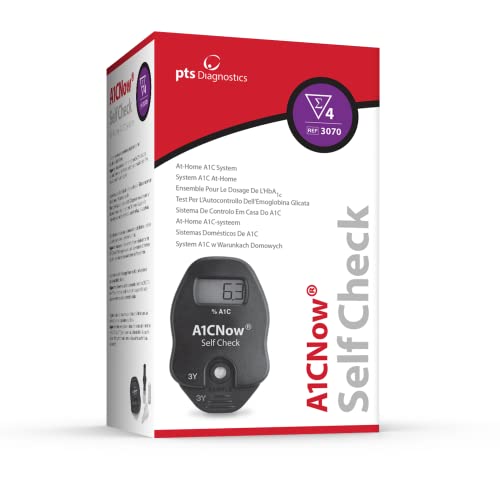
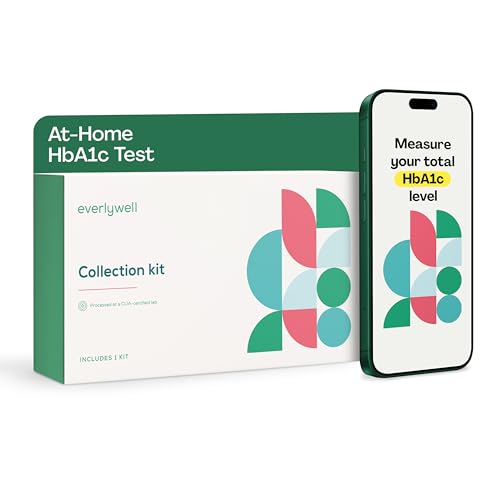
Prefer to order direct? The Everlywell HbA1c Test uses a CLIA-certified lab, physician-reviewed results, and prepaid return shipping.
What to Look For in a Continuous Glucose Monitor (CGM)
Over-the-counter CGMs like Dexcom Stelo and Abbott Lingo now sell without a prescription. Check the wear time (14–15 days per sensor), whether it reads to your phone or needs a separate device, and the monthly cost. For seeing how your own body responds to meals, a month or two is usually enough — you don't need to wear one forever.


What Makes a Good Fiber Supplement
For blood-sugar and cholesterol support you want SOLUBLE fiber — psyllium husk is the best studied. Start with one teaspoon and build up with plenty of water to avoid bloating, and take it 10–15 minutes before carb-heavy meals. Choose an unsweetened, additive-free powder or capsule.


Frequently Asked Questions
What is the best exercise for insulin resistance?
The best exercise for insulin resistance is a combination of resistance training and aerobic activity, which the ADA (Colberg et al., Diabetes Care, 2016) recommends over either modality alone. Resistance training increases GLUT4 protein content in skeletal muscle by 26–33% over 12 weeks (Fealy et al., Journal of Applied Physiology, 2014), while aerobic exercise acutely boosts muscle glucose uptake up to fivefold through insulin-independent mechanisms. If you can only do one type, lower-body compound resistance training — squats, leg press, Romanian deadlifts — produces the greatest metabolic stimulus because it recruits the three largest muscle groups in the body.
How many minutes of exercise per week do I need to improve insulin sensitivity?
The ADA recommends a minimum of 150 minutes per week of moderate-intensity aerobic activity, spread over at least 3 days with no more than 2 consecutive days between sessions (Colberg et al., Diabetes Care, 2016). This can be reduced to 75 minutes per week if the activity is vigorous-intensity, such as HIIT. Resistance training on 2–3 non-consecutive days per week should be added on top of this aerobic target. Even below these thresholds, a single 350-kcal exercise session has been shown to improve insulin sensitivity by 35% the following day in obese adults (Newsom et al., Diabetes Care, 2013).
Does walking after meals actually help insulin resistance?
Yes. Post-meal walking is one of the most evidence-supported low-intensity strategies for managing insulin resistance. A 2022 meta-analysis in Sports Medicine (Buffey et al.) found that intermittent light-intensity walking reduced postprandial glucose by 17% compared to prolonged sitting. A 2025 study in Scientific Reports confirmed that a 10-minute walk taken immediately after glucose intake significantly blunted the postprandial glucose rise, with the greatest effect in individuals with impaired glucose tolerance. Walking within 30 minutes of a meal consistently outperforms a walk of equivalent duration taken before the meal or at an unrelated time.
Can yoga reduce insulin resistance?
Yes, with the strongest evidence applying to people whose insulin resistance is worsened by chronic stress. A meta-analysis of 14 RCTs with 1,629 participants found yoga reduced fasting blood glucose by approximately 31.98 mg/dL and HbA1c by 0.73% compared to control groups (Dhali et al., PLOS ONE, 2019). A 2025 meta-analysis found yoga combined with standard care significantly improved HOMA-IR (SMD = −1.28; p = 0.002). Yoga works partly through a distinct mechanism from aerobic exercise — it downregulates the HPA axis and reduces cortisol, which directly counteracts the cortisol-driven impairment of insulin receptor signaling.
What's the best exercise for insulin resistance caused by PCOS?
The ranking differs from general insulin resistance guidance. A 2025 Bayesian network meta-analysis of 19 RCTs (n=808) in women with PCOS (Tan et al., Healthcare, 2025) found yoga produced the largest HOMA-IR improvement (SUCRA = 90.73%; SMD = −0.73), with HIIT second, moderate-intensity continuous training third, and resistance training and combined training the least effective for this population — the opposite ranking from resistance training's usual top billing in general insulin resistance protocols. The likely explanation is PCOS's added hyperandrogenism and HPA-axis component, which yoga and HIIT may address more directly through cortisol reduction and rapid AMPK activation, respectively. This doesn't mean resistance training is unhelpful in PCOS — it still improves body composition and cardiometabolic risk — but if HOMA-IR reduction is the primary goal, yoga or HIIT should anchor the plan.
Is it better to work out in the morning or evening for insulin resistance?
It depends on what you're optimizing for. A 2019 randomised crossover trial (Savikj et al., Diabetologia) found that afternoon HIIT improved glucose control in men already diagnosed with type 2 diabetes, while the identical morning session acutely raised their blood glucose. But a much larger 2023 UK Biobank cohort study (Diabetologia, 93,095 adults without diabetes) found morning and afternoon habitual activity equally protective against developing type 2 diabetes in the first place — both meaningfully better than evening activity, which showed no significant benefit. For managing existing insulin resistance with a single hard session, afternoon has a slight edge; for building a sustainable long-term habit, morning works just as well as afternoon, and either beats a routine built entirely around evenings.
Can insulin resistance cause exercise intolerance?
There's some evidence for this, but it comes with an important caveat. A 2014 study of 137 patients with type 2 diabetes and coronary artery disease found that fasting insulin and HOMA-IR were inversely associated with exercise capacity (VO2peak) on treadmill testing — the higher the insulin resistance, the lower the measured fitness — with the association strongest among patients who also had exercise-induced cardiac ischemia (Byrkjeland et al., Diabetology & Metabolic Syndrome, 2014). The honest caveat: once the researchers adjusted for BMI, the fasting insulin–VO2peak link lost statistical significance, though the HOMA-IR association held — meaning body weight, not insulin resistance acting in isolation, likely explains a meaningful share of the apparent connection. It's also worth noting this study population had diagnosed coronary artery disease, not just insulin resistance, so if you don't have known cardiovascular disease, this isn't a reason to expect your workouts to feel harder. The relationship likely runs both directions over time, too — years of unaddressed insulin resistance can itself erode cardiorespiratory fitness, which is part of why the resistance-training and HIIT protocols above are among the most effective tools for reversing insulin resistance before it gets to that point.
What about cycling, swimming, or Pilates: do they help insulin resistance too?
Cycling and swimming both count as moderate-to-vigorous aerobic activity under CDC and ACSM guidelines, so they contribute toward the same 150-minutes-a-week aerobic target as brisk walking or jogging, and both raise muscle glucose uptake through the same insulin-independent contraction pathway as other cardio. Swimming has the added advantage of being joint-friendly, which matters for anyone whose weight or joint pain makes higher-impact cardio hard to sustain consistently. Consistency, not the specific modality, is what drives the metabolic benefit. Pilates is a different case: it builds core strength, flexibility, and posture, but its metabolic demand is lower than resistance training or HIIT, and it doesn't recruit large muscle groups against meaningful load the way squats or deadlifts do. Current evidence for Pilates improving insulin sensitivity specifically is thinner than for resistance training or aerobic exercise. It's reasonable as a complement, particularly for mobility and injury prevention, but not as a stand-in for the resistance-training or aerobic protocols above if insulin resistance is the primary target. If your main goal is weight loss rather than insulin resistance specifically, the calculus shifts slightly toward whichever activity you'll actually do most consistently, since adherence predicts outcome more reliably than any single modality's theoretical edge.
Topic updates
Get the weekly metabolic health roundup
Insulin resistance, blood sugar, visceral fat, GLP-1 plateaus, metabolic syndrome, and weight-loss physiology.
Want insulin resistance handled by a physician who works from your labs? See how Opt Health does it →
Check Where You Stand
Take our free health assessment to understand your metabolic, hormonal, and recovery risk factors — and get personalized recommendations.
Take the Free Assessment →Free · Takes 5 minutes · Instant results
Related Guides
-
Metabolic Syndrome vs Insulin Resistance — How the Two Terms Differ
Metabolic syndrome vs insulin resistance: the mechanism-vs-diagnosis distinction, and where PCOS overlaps.
-
How to Reverse Insulin Resistance Naturally
Evidence-based dietary and lifestyle interventions (3-16 week timeline).
-
Insulin Resistance Diet: What to Eat, Foods to Avoid, and a 7-Day Meal Plan
What to eat, foods to avoid, and a 7-day meal plan for insulin resistance.
See more related guides
-
Insulin Resistance Supplements: Evidence-based Rankings for Berberine, Magnesium, and Inositol
Evidence-based rankings: berberine, magnesium, inositol, ALA, and chromium.
-
Insulin Resistance vs Prediabetes: Key Differences and the Progression Timeline
Continuum diagram, diagnostic thresholds, and the reversal window.
-
Insulin Resistance in Pets
Insulin resistance in dogs and horses — equine metabolic syndrome and canine diabetes explained.
-
Insulin Resistance Meal Plan
A structured 7-day insulin resistance meal plan with grocery list.
-
How Insulin Resistance Causes Fatty Liver Disease (MASLD)
How insulin resistance drives fatty liver disease (MASLD), the 2023 diagnostic criteria, and the tests that catch it early.
Affiliate disclosure: The Metabolic Journal is reader-supported. Some links above are affiliate or referral links and we may earn a commission at no extra cost to you. As an Amazon Associate we earn from qualifying purchases. Products are chosen on the merits; commissions never influence what we recommend. This is general information, not medical advice — talk to your clinician before acting.