Insulin Resistance vs Prediabetes: Key Differences
Medically reviewed by Medical Advisory Board Last reviewed 2026-06-18
What separates a metabolic mechanism from a clinical diagnosis — and why it matters
Insulin resistance vs prediabetes explained: learn the mechanism, diagnostic tests, progression timeline to T2D, and which stage is reversible.
Reviewed by The Metabolic Journal Medical Advisory Board
Insulin resistance and prediabetes are related but fundamentally different: insulin resistance is a physiological mechanism — impaired cellular response to insulin — while prediabetes is a clinical diagnostic label applied only after glucose levels have already risen above normal. The distinction is not semantic. A person can have severe insulin resistance with completely normal fasting glucose and HbA1c for a decade or more, accumulating cardiovascular and metabolic damage the entire time while appearing to pass routine lab screening. The CDC estimates that 96 million American adults have prediabetes and that more than 80% are unaware of it — a figure that dramatically understates the true burden of insulin resistance, which affects an estimated 40% of U.S. adults by HOMA-IR criteria even when fasting glucose remains normal.
Partner · Opt Health
Want insulin resistance treated, not just named?
Opt Health tests fasting insulin and HOMA-IR — the markers most panels skip — and treats the resistance itself with a physician-built plan rather than waiting for glucose to drift into the diabetic range.
Read Opt Health on insulin resistance →Understanding where on this continuum you fall — and which tools detect each stage — is the difference between catching a reversible problem early and discovering it only after significant beta-cell loss has occurred. A landmark analysis published in Diabetes Care (Tabák et al., 2009) demonstrated that measurable deterioration in insulin sensitivity begins on average 13 years before a type 2 diabetes diagnosis, while fasting glucose does not cross the prediabetes threshold until roughly 2–3 years before diagnosis. That 10-year window of silent insulin resistance, visible only through fasting insulin and HOMA-IR testing, is precisely where intervention is most powerful.
Definitions: What Is Insulin Resistance vs Prediabetes?
Insulin resistance is a cellular-level impairment in which muscle, liver, and adipose tissue fail to respond normally to insulin signaling, so glucose uptake from the bloodstream is reduced. The pancreatic beta cells compensate by secreting more insulin — a state called hyperinsulinemia — which can maintain normal blood glucose for years or even decades. Insulin resistance is therefore a mechanism, not a diagnosis; it is not defined by a blood glucose cut-off but by the ratio of insulin output to glucose clearance.
Prediabetes, by contrast, is a diagnostic category defined by the American Diabetes Association (ADA) and applied when blood glucose has risen into a specific range but has not yet crossed the threshold for type 2 diabetes. It signals that the pancreatic compensation for insulin resistance is beginning to fail. The ADA's 2024 Standards of Care define prediabetes as:
- Fasting plasma glucose: 100–125 mg/dL (impaired fasting glucose)
- Two-hour glucose during a 75 g oral glucose tolerance test (OGTT): 140–199 mg/dL (impaired glucose tolerance)
- HbA1c: 5.7%–6.4%
A non-obvious but clinically important point: these glucose-based criteria were chosen to predict diabetes progression, not to identify insulin resistance itself. A person with a fasting glucose of 89 mg/dL and an HbA1c of 5.3% can have a HOMA-IR of 3.5 — well into the insulin-resistant range — and will be told their metabolic health is normal. This is why the Endocrine Society and leading metabolic researchers advocate for fasting insulin testing alongside standard glucose panels. For a deep dive into insulin resistance as a condition, see our insulin resistance overview.
How Each Condition Is Tested and Diagnosed
Insulin resistance and prediabetes require different tests because they reflect different physiological problems — and this is where most standard care falls short.
Testing for insulin resistance requires measuring insulin itself, not just glucose. The most accessible clinical tool is HOMA-IR (Homeostatic Model Assessment of Insulin Resistance), calculated as: fasting insulin (µIU/mL) × fasting glucose (mg/dL) ÷ 405. A score above 2.0 indicates insulin resistance; above 3.0 indicates significant IR. Fasting insulin alone is also informative — optimal is below 5 µIU/mL, with values above 10 µIU/mL suggesting compensatory hyperinsulinemia. Neither of these tests is included in a standard metabolic panel, and they require a specific order from a clinician.
Testing for prediabetes uses the glucose-based markers already described: fasting plasma glucose, HbA1c, or the OGTT. These are the standard tools in primary care, but they are insensitive to early-stage insulin resistance. A 2021 analysis in The Journal of Clinical Endocrinology & Metabolism (Dankner et al.) found that individuals in the highest quartile of fasting insulin had a 5-fold greater risk of progressing to diabetes over 24 years compared to the lowest quartile — an association that was invisible to glucose-only screening.
| Test | What It Measures | Optimal Range | Abnormal (IR/Prediabetes) |
|---|---|---|---|
| Fasting Insulin | Compensatory insulin output | <5 µIU/mL | >10 µIU/mL = IR likely |
| HOMA-IR | Insulin resistance index | <1.0 | >2.0 = IR; >3.0 = significant IR |
| Fasting Glucose | Blood sugar after overnight fast | 70–90 mg/dL | 100–125 mg/dL = prediabetes |
| HbA1c | Average glucose over ~90 days | <5.4% | 5.7%–6.4% = prediabetes |
| Triglyceride/HDL Ratio | Indirect IR surrogate | <1.5 | >3.0 = strongly suggests IR |
For a complete guide to metabolic lab ordering, see our insulin resistance testing page.
The Progression Timeline: IR → Prediabetes → Type 2 Diabetes
The journey from normal metabolism to type 2 diabetes typically unfolds over 10–20 years, with insulin resistance as the initiating defect — not elevated glucose.
A foundational dataset from the Whitehall II cohort study, published in The Lancet (Tabák et al., 2009, n = 6,538 civil servants followed for up to 10 years), traced the metabolic trajectory before and after diagnosis. Insulin resistance and compensatory hyperinsulinemia were present on average 13 years before diagnosis, while fasting glucose remained in the normal range. Glucose began rising measurably only in the final 2–3 years before the diagnostic threshold was crossed — the period when standard screening would first flag a problem.
The clinical stages of progression:
- Compensated insulin resistance (Stage 1): Fasting glucose is normal (70–99 mg/dL); HbA1c is below 5.7%. Fasting insulin is elevated (>10 µIU/mL) and HOMA-IR exceeds 2.0. The pancreas is working harder than normal but keeping glucose controlled. Detectable only with fasting insulin testing. This stage can last 5–15 years.
- Prediabetes / Impaired Glucose Regulation (Stage 2): Fasting glucose rises to 100–125 mg/dL or HbA1c to 5.7–6.4%. Pancreatic compensation is now insufficient. The ADA estimates that without intervention, 15–30% of people with prediabetes will develop type 2 diabetes within 5 years.
- Type 2 Diabetes (Stage 3): Fasting glucose exceeds 126 mg/dL or HbA1c exceeds 6.5% on two separate tests. Beta-cell function has declined substantially — research suggests 50–70% of beta-cell secretory capacity is lost by the time of diagnosis (UK Prospective Diabetes Study, Turner et al., 1999).
The most clinically important insight from the progression data: at Stage 1, insulin resistance is maximally reversible and the pancreas is intact. By Stage 3, structural beta-cell damage may limit how fully the condition can be reversed. This is what makes early HOMA-IR screening so consequential.
The Comparison: Insulin Resistance vs Prediabetes vs Type 2 Diabetes
These three conditions exist on a continuum, with insulin resistance as the common root mechanism and each subsequent stage representing a further failure of compensation. The table below summarizes the key differences across mechanism, diagnosis, and reversibility.
| Feature | Insulin Resistance | Prediabetes | Type 2 Diabetes |
|---|---|---|---|
| Primary defect | Cellular resistance to insulin signaling | Failing beta-cell compensation for IR | Beta-cell exhaustion + insulin resistance |
| Fasting glucose | Normal (<100 mg/dL) | 100–125 mg/dL | ≥126 mg/dL |
| HbA1c | Normal (<5.7%) | 5.7%–6.4% | ≥6.5% |
| Fasting insulin | Elevated (>10 µIU/mL) | Often still elevated or declining | May be low (beta-cell loss) |
| HOMA-IR | >2.0 | >2.5 (typically) | Variable |
| Standard diagnosis | Not captured by routine labs | HbA1c, fasting glucose, OGTT | HbA1c, fasting glucose, OGTT |
| Treatment approach | Lifestyle: diet, exercise, sleep | Lifestyle + consider metformin | Medications + lifestyle |
| Full reversal possible? | Yes — highly reversible | Yes — with aggressive lifestyle change | Partial remission possible; full reversal rare |
Reversal: Which Stage Can Be Reversed and How?
Insulin resistance is one of the most reversible metabolic conditions in medicine — but the window of opportunity narrows progressively as the condition advances toward type 2 diabetes.
Stage 1 (Insulin resistance with normal glucose): Highly reversible. Because beta-cell function remains intact, restoring insulin sensitivity through lifestyle changes can fully normalize fasting insulin and HOMA-IR. Studies using dietary intervention and resistance training report HOMA-IR reductions of 30–50% within 8–12 weeks. For a detailed protocol, see our guide on how to reverse insulin resistance.
Stage 2 (Prediabetes): Strongly reversible with structured intervention. The landmark Diabetes Prevention Program (DPP) trial (Knowler et al., 2002, New England Journal of Medicine, n = 3,234) randomized high-risk individuals with prediabetes to intensive lifestyle intervention (goal: ≥7% weight loss, ≥150 minutes/week of moderate activity) or metformin. The lifestyle arm reduced diabetes progression by 58% over 2.8 years — significantly outperforming metformin (31% reduction). A 15-year DPP Outcomes Study follow-up (2015) confirmed that participants in the lifestyle arm continued to show lower diabetes incidence and better glucose metrics, even after the formal program ended.
Key reversal strategies supported by the strongest evidence:
- Resistance training: 3–4 sessions per week increases GLUT4 transporter expression in skeletal muscle, improving glucose uptake for 24–48 hours post-session. Skeletal muscle is the largest glucose disposal organ in the body.
- Dietary modification: Reducing refined carbohydrates and ultra-processed foods lowers postprandial insulin demand. Mediterranean and low-glycemic diets show the strongest trial evidence for HOMA-IR reduction.
- Weight loss: Even modest weight loss of 5–7% body weight improves insulin sensitivity by 30–50% and is sufficient to reverse prediabetes in many patients.
- Sleep optimization: One week of sleeping 5 hours per night reduces insulin sensitivity by approximately 25% (Spiegel et al., 2005, Annals of Internal Medicine). Restoring 7–9 hours rapidly reverses this deficit.
Stage 3 (Type 2 diabetes): Partial remission is achievable — the DiRECT trial (Lean et al., 2018, The Lancet) showed that 46% of patients achieved diabetes remission at 12 months with an intensive dietary intervention delivering 825–853 kcal/day. However, once significant beta-cell loss has occurred, full reversal is rare and remission rates decline over time. This is the critical argument for acting at Stage 1 or 2.
How to test metabolic markers at home
You don't need a lab appointment to check your own metabolic markers — a few at-home kits mail you a collection kit and return physician-reviewed results online within days:
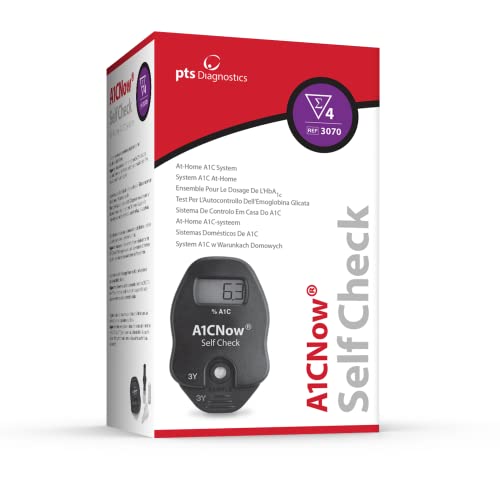
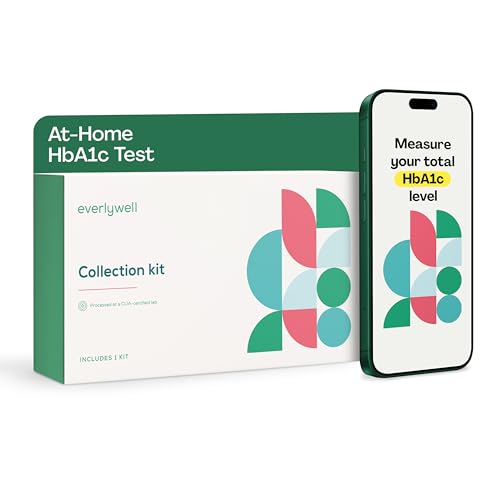
Prefer to order direct? The Everlywell HbA1c Test uses a CLIA-certified lab, physician-reviewed results, and prepaid return shipping.
What to Look For in a Continuous Glucose Monitor (CGM)
Over-the-counter CGMs like Dexcom Stelo and Abbott Lingo now sell without a prescription. Check the wear time (14–15 days per sensor), whether it reads to your phone or needs a separate device, and the monthly cost. For seeing how your own body responds to meals, a month or two is usually enough — you don't need to wear one forever.


What Makes a Good Fiber Supplement
For blood-sugar and cholesterol support you want SOLUBLE fiber — psyllium husk is the best studied. Start with one teaspoon and build up with plenty of water to avoid bloating, and take it 10–15 minutes before carb-heavy meals. Choose an unsweetened, additive-free powder or capsule.


Frequently Asked Questions
Can you have insulin resistance with normal blood sugar?
Yes — and this is extremely common. Insulin resistance is detected through elevated fasting insulin and HOMA-IR, not blood glucose. A person can have a fasting glucose of 88 mg/dL (completely normal) alongside a fasting insulin of 20 µIU/mL and a HOMA-IR of 4.3, indicating severe insulin resistance. The pancreas is simply compensating by overproducing insulin to keep glucose controlled. Standard labs that test only glucose and HbA1c will miss this entirely, which is why metabolic researchers and functional medicine clinicians advocate adding fasting insulin to routine panels.
Is insulin resistance the same as prediabetes?
No. Insulin resistance is the underlying cellular mechanism — impaired response to insulin in muscle, liver, and fat — while prediabetes is a diagnostic label applied when glucose crosses a specific threshold (fasting glucose 100–125 mg/dL or HbA1c 5.7–6.4%). You can have significant insulin resistance for 10 or more years without meeting prediabetes criteria, if your pancreas is still producing enough insulin to compensate. Prediabetes is the downstream consequence of insulin resistance that the pancreas can no longer contain.
Does insulin resistance cause type 2 diabetes?
Insulin resistance is the primary driver of type 2 diabetes, but diabetes only develops when the pancreas can no longer compensate with sufficient insulin production. The Whitehall II study (Tabák et al., 2009, The Lancet) showed insulin resistance is detectable on average 13 years before type 2 diabetes diagnosis. Genetics, beta-cell reserve, body composition, lifestyle, and sleep quality all determine whether — and how quickly — someone with insulin resistance progresses to prediabetes and then to type 2 diabetes.
What is the difference between insulin resistance and type 2 diabetes?
Insulin resistance means cells do not respond normally to insulin, so the pancreas produces more to compensate — blood glucose remains normal. Type 2 diabetes means the compensation has failed: the pancreas can no longer produce enough insulin to overcome the resistance, and fasting glucose exceeds 126 mg/dL or HbA1c exceeds 6.5%. Type 2 diabetes also involves progressive beta-cell loss, which makes it harder to reverse. Insulin resistance is a precondition for type 2 diabetes, but insulin resistance alone — without glucose elevation — is not diabetes.
Do insulin resistance and prediabetes cause dark, velvety skin patches on the neck?
Yes — this visible sign is called acanthosis nigricans, and it's tied specifically to insulin resistance as a mechanism, not to prediabetes as a diagnostic label. Chronically high circulating insulin appears to overstimulate skin cell growth, producing darkened, thickened, velvety-textured patches most often on the back of the neck, armpits, groin, and other skin folds. Because it reflects the underlying insulin resistance mechanism rather than a specific glucose threshold, acanthosis nigricans can appear years before fasting glucose or HbA1c ever cross into the prediabetes range covered above — making it one of the few visible clues to the Stage 1 compensated insulin resistance described in the progression timeline above. Its presence doesn't confirm prediabetes or diabetes on its own, but it's a reasonable prompt to ask a doctor about fasting insulin and HOMA-IR testing rather than relying on standard glucose screening alone. See our insulin resistance symptoms guide for the full list of visible and non-visible warning signs.
Topic updates
Get the weekly metabolic health roundup
Insulin resistance, blood sugar, visceral fat, GLP-1 plateaus, metabolic syndrome, and weight-loss physiology.
Want insulin resistance handled by a physician who works from your labs? See how Opt Health does it →
Check Where You Stand
Take our free health assessment to understand your metabolic, hormonal, and recovery risk factors — and get personalized recommendations.
Take the Free Assessment →Free · Takes 5 minutes · Instant results
Related Guides
-
Metabolic Syndrome vs Insulin Resistance — How the Two Terms Differ
Metabolic syndrome vs insulin resistance: the mechanism-vs-diagnosis distinction, and where PCOS overlaps.
-
How to Reverse Insulin Resistance Naturally
Evidence-based dietary and lifestyle interventions (3-16 week timeline).
-
Insulin Resistance Diet: What to Eat, Foods to Avoid, and a 7-Day Meal Plan
What to eat, foods to avoid, and a 7-day meal plan for insulin resistance.
See more related guides
-
Insulin Resistance Supplements: Evidence-based Rankings for Berberine, Magnesium, and Inositol
Evidence-based rankings: berberine, magnesium, inositol, ALA, and chromium.
-
Exercise for Insulin Resistance: the Evidence-based Workout Plan
GLUT4 mechanism, resistance training protocol, HIIT vs steady-state, yoga.
-
Insulin Resistance in Pets
Insulin resistance in dogs and horses — equine metabolic syndrome and canine diabetes explained.
-
Insulin Resistance Meal Plan
A structured 7-day insulin resistance meal plan with grocery list.
-
How Insulin Resistance Causes Fatty Liver Disease (MASLD)
How insulin resistance drives fatty liver disease (MASLD), the 2023 diagnostic criteria, and the tests that catch it early.
Affiliate disclosure: The Metabolic Journal is reader-supported. Some links above are affiliate or referral links and we may earn a commission at no extra cost to you. As an Amazon Associate we earn from qualifying purchases. Products are chosen on the merits; commissions never influence what we recommend. This is general information, not medical advice — talk to your clinician before acting.