How to Lower Blood Pressure According to Guidelines
Medically reviewed by Medical Advisory Board Last reviewed 2026-10-02
Dietary changes, sodium reduction, weight loss, exercise and alcohol limits produce the largest measured systolic blood pressure drops
The largest nonpharmacological drops in systolic blood pressure come from the DASH dietary pattern, sodium reduction, weight loss, aerobic exercise and alcohol limits. Clinical trials evaluated these lifestyle interventions over weeks and months instead of minutes. A reading of 180/120 mmHg or higher accompanied by symptoms requires immediate emergency medical attention.
The DASH (Dietary Approaches to Stop Hypertension) eating pattern lowers systolic blood pressure the most, by about 11 mmHg in adults with hypertension. At The Metabolic Journal, we examine clinical trials and cardiology guidelines to identify interventions with measured reductions in cardiovascular biomarkers. In the 2017 American College of Cardiology and American Heart Association (ACC/AHA) table, cutting sodium, losing weight, aerobic exercise and cutting alcohol are each worth about 4 to 8 mmHg systolic. The DASH-Sodium trial found DASH plus low sodium lowered blood pressure more than either change alone.
The trials behind these numbers measured blood pressure after 30 days to 8 weeks on a diet and after at least 2 weeks of exercise training. None of the cited sources supports breathing tricks, drinking water or specific juices for rapid blood pressure reductions. If your reading is 180/120 mmHg or higher and you have any symptoms, such as chest pain, headache or vision changes, get emergency care right away.
Partner · Opt Health
Want a clinician to work up your metabolic numbers?
Opt Health runs fasting insulin, A1C, a full lipid panel and 50+ other markers, then builds a treatment plan — GLP-1s included where they're appropriate — with a physician who reviews the data with you directly.
See Opt Health's metabolic program →What Lowers Blood Pressure the Most
The largest drops in the 2017 ACC/AHA table come from the DASH eating pattern (about 11 mmHg systolic in people with hypertension), cutting sodium (5 to 6 mmHg), losing weight (about 1 mmHg per kg lost), aerobic exercise (5 to 8 mmHg), isometric exercise (about 5 mmHg) and cutting alcohol (about 4 mmHg). None of the sources cited here supports a 60-second breathing trick. A reading of 180/120 mmHg or higher with symptoms such as chest pain, headache or vision changes is an emergency. The 2019 ACC/AHA prevention guideline executive summary presents Table 7, which details nonpharmacological interventions for hypertension. This table was reproduced from the 2017 ACC/AHA high blood pressure guideline. The guideline states that nonpharmacological interventions are recommended for adults with elevated blood pressure or hypertension, including those taking antihypertensive medications. Blood pressure categories and classification criteria appear in the guide to blood pressure ranges.
For dietary sodium, the guideline advises an optimal goal below 1,500 mg daily, aiming for at least a 1,000 mg daily reduction. Practical sodium reduction steps are detailed in the sodium guide. For weight management, the guideline advises aiming for ideal body weight, or at least a 1-kg reduction for adults who are overweight. The table says to expect about 1 mmHg lower systolic pressure for every 1 kg of weight lost. Evidence-based strategies for body weight reduction appear in our review of weight loss approaches.
For alcohol consumption, the guideline advises men who drink to consume no more than two standard drinks daily. Women who drink should have no more than one drink daily. One standard drink represents roughly 14 g of pure alcohol, typical in 12 oz of 5% beer, 5 oz of 12% wine, or 1.5 oz of 40% spirits.
| Intervention | Goal from ACC/AHA Table | Approximate Impact on Systolic BP (Hypertension) | Approximate Impact on Systolic BP (Normal BP) |
|---|---|---|---|
| DASH dietary pattern | Consume a diet rich in fruits, vegetables, whole grains, and low-fat dairy products, with reduced content of saturated and total fat | -11 mmHg | -3 mmHg |
| Dietary sodium | Optimal goal is <1500 mg/d, but aim for at least a 1000-mg/d reduction in most adults | -5 to -6 mmHg | -2 to -3 mmHg |
| Weight loss | Best goal is ideal body weight, but aim for at least a 1-kg reduction in body weight for most adults who are overweight. Expect about 1 mm Hg for every 1-kg reduction in body weight | -5 mmHg | -2 to -3 mmHg |
| Aerobic exercise | 90-150 min/wk at 65%-75% heart rate reserve | -5 to -8 mmHg | -2 to -4 mmHg |
| Isometric resistance | 4 x 2 minutes of hand grip, 1 minute rest between, 30%-40% of maximum voluntary contraction, 3 sessions a week for 8-10 weeks | -5 mmHg | -4 mmHg |
| Dietary potassium | Aim for 3500-5000 mg/d, preferably by consumption of a diet rich in potassium | -4 to -5 mmHg | -2 mmHg |
| Dynamic resistance | 90-150 min/wk, 50%-80% of one-rep maximum, 6 exercises, 3 sets per exercise, 10 repetitions per set | -4 mmHg | -2 mmHg |
| Alcohol | In individuals who drink alcohol, reduce alcohol to: Men: ≤2 drinks daily; Women: ≤1 drink daily | -4 mmHg | -3 mmHg |
What the DASH and Sodium Trials Found
Clinical trials evaluating the Dietary Approaches to Stop Hypertension (DASH) eating pattern lowered systolic blood pressure after eight weeks. In the original DASH trial published by Appel and colleagues (New England Journal of Medicine, 1997), 459 adults ate a control diet for three weeks. Participants had baseline systolic pressure under 160 mmHg and diastolic pressure between 80 and 95 mmHg. Investigators randomized participants to eight weeks of the control diet, a fruits-and-vegetables diet, or the combination DASH diet. Sodium intake and body weight were held constant across all arms. The combination diet lowered systolic pressure by 5.5 mmHg and diastolic pressure by 3.0 mmHg more than the control diet. Among the 133 participants with hypertension, the combination diet lowered systolic pressure by 11.4 mmHg and diastolic by 5.5 mmHg more than the control diet. For the 326 participants without hypertension, the combination diet lowered systolic pressure by 3.5 mmHg more than the control diet.
The subsequent DASH-Sodium trial published by Sacks and colleagues (New England Journal of Medicine, 2001) evaluated 412 participants across three sodium intake levels. Participants ate either a typical American diet or the DASH diet for 30 consecutive days at each sodium level. Compared with the control diet at high sodium, the DASH diet at low sodium lowered mean systolic pressure by 7.1 mmHg in participants without hypertension. In participants with hypertension, the mean systolic reduction reached 11.5 mmHg. Sacks and colleagues reported that reduced sodium and the DASH diet both lower blood pressure substantially, with greater effects in combination than singly.
The National Heart, Lung, and Blood Institute (NHLBI) DASH Eating Plan states that consuming 1,500 mg of sodium daily lowers blood pressure further than 2,300 mg daily. The NHLBI DASH research page says the original DASH study measured its results after 8 weeks. The DASH and DASH-Sodium results were measured after 8 weeks and 30 days of eating the diets, and the exercise trials ran for weeks to months. The largest drop in a single table row is about 11 mmHg systolic, and the trial that paired DASH with low sodium reported 11.5 mmHg in people with hypertension.
Which Exercise Lowers Blood Pressure Most
Isometric resistance exercise produced the largest systolic blood pressure reductions among all exercise modes evaluated in a network meta-analysis of randomized controlled trials. In a network meta-analysis of 270 randomized controlled trials covering 15,827 participants, Edwards and colleagues (British Journal of Sports Medicine, 2023) analyzed exercise interventions lasting at least two weeks. Isometric exercise training yielded resting blood pressure reductions of -8.24/-4.00 mmHg. Isometric training ranked first for lowering systolic blood pressure. The authors found that the isometric wall squat was the most effective sub-mode for systolic pressure reduction. Running was the most effective mode for lowering diastolic pressure. Dynamic resistance training lowered readings by -4.55/-3.04 mmHg across tested protocols. Aerobic training reduced resting pressure by -4.49/-2.53 mmHg. High-intensity interval training produced resting blood pressure reductions of -4.08/-2.50 mmHg across the analyzed trials. Combined training reduced resting blood pressure by -6.04/-2.54 mmHg.
The 2017 ACC/AHA table gives its own figures for each exercise type. The ACC/AHA table estimates that 90 to 150 minutes weekly of aerobic exercise lowers systolic pressure by 5 to 8 mmHg in adults with hypertension. Dynamic resistance training lowers systolic pressure by about 4 mmHg. Isometric handgrip training performed three times weekly lowers systolic pressure by approximately 5 mmHg. The trials in the Edwards analysis lasted at least 2 weeks, and the table's handgrip program runs 8 to 10 weeks.
Rapid Blood Pressure Reduction Claims in Clinical Studies
Blinded clinical trials show that device-guided breathing techniques do not reliably lower office blood pressure compared to active controls or standard care. In an individual-patient-data meta-analysis of blinded randomized trials lasting at least four weeks, Landman and colleagues (JAMA Internal Medicine, 2014) examined device-guided breathing. Five studies were selected, and data from two were not provided. The effect on office systolic blood pressure was 2.2 mmHg in favor of the control group, with a 95% confidence interval of -2.7 to 7.0 mmHg. Landman and colleagues reported that device-guided breathing did not lower office blood pressure compared with a sham procedure or music therapy. Because all trials had short follow-up, the authors stated that no clinical recommendations could be made.
A systematic review and meta-analysis by de Freitas Gonçalves and colleagues (Health Science Reports, 2022) evaluated slow breathing in people with hypertension. Device-guided slow breathing did not reduce systolic pressure compared with usual care. The systolic mean difference was -2.13 mmHg with a 95% confidence interval of -12.71 to 8.44 mmHg. The authors called non-device-guided slow breathing a new path for the future.
In a double-blind, sham-controlled trial, Craighead and colleagues (Journal of the American Heart Association, 2021) tested inspiratory muscle strength training. The trial enrolled adults aged 50 to 79 with systolic blood pressure of 120 mmHg or higher. Thirty-six participants completed thirty breaths daily, six days weekly, for six weeks. Casual systolic blood pressure fell from 135 to 126 mmHg in the training group. About 75% of the reduction remained six weeks after training stopped. Sham training produced no effect. This protocol was a six-week physical training regimen in a small trial.
None of the cited sources describes or tested a 60-second, 7-second or 3-minute trick. No study reviewed here tested drinking water or any specific juice to lower blood pressure. Among the sources cited here, the only drink-related change with a measured effect is cutting alcohol, about 4 mmHg systolic in adults with hypertension. A large randomized trial evaluating device-guided breathing against an active control with long follow-up would change this evaluation.
What the 2025 Guideline Recommends
The 2025 American College of Cardiology and American Heart Association guideline establishes an overarching blood pressure treatment goal below 130/80 mmHg for all adults. In a review of the 2025 guideline published by Healio (Troy, Blumenthal and Schott, 2025), six nonpharmacological interventions receive a class 1 strong recommendation. These class 1 interventions include weight loss, the DASH diet, a high-potassium diet, sodium reduction, alcohol cessation and exercise. Potassium-based salt substitutes receive a class 2a recommendation. Stress reduction receives a class 2b recommendation. The guideline encourages reaching a systolic pressure below 120 mmHg for individuals at elevated cardiovascular risk.
A summary in U.S. Pharmacist (Mahvan and colleagues, 2026) details specific lifestyle targets from the 2025 update. The sodium target advises reducing intake ideally below 1,500 mg daily. Potassium-based salt substitutes are recommended for patients who obtain most sodium from table salt, excluding people with chronic kidney disease. The guideline sets an initial target of at least 5% weight loss. Physical activity recommendations specify aerobic exercise complemented by resistance training. Stress-reduction strategies include meditation, deep-breathing techniques, or yoga. Healio words the alcohol guidance as alcohol cessation, while U.S. Pharmacist describes limiting consumption to two drinks daily for men and one for women.
In an analysis by Zhang and colleagues (Hypertension, 2025), stage 1 hypertension remains defined as systolic 130 to 139 mmHg or diastolic 80 to 89 mmHg. Additional diagnostic classifications appear in the overview of the 2025 blood pressure guidelines. The American College of Cardiology summary by Ebinger, Yang and Gianos (2025) adds that the 130/80 goal comes "with additional considerations."
When Medication Is Recommended
Cardiology guidelines recommend initiating antihypertensive medication when blood pressure reaches 140/90 mmHg or when stage 1 hypertension occurs alongside elevated cardiovascular risk. In an analysis of the 2025 guideline, Sayed and colleagues (American Journal of Preventive Cardiology, 2026) outline drug initiation thresholds. Clinicians receive a class I recommendation to start blood pressure medication at 140/90 mmHg or higher. Medication is also recommended at 130/80 mmHg or higher if 10-year cardiovascular risk reaches 7.5% or higher on the PREVENT equations. The same recommendation applies to patients with diabetes, chronic kidney disease, or established cardiovascular disease. The guide on how to lower cholesterol covers lowering LDL. High blood pressure also represents a diagnostic component of metabolic syndrome.
For adults with stage 1 hypertension and lower risk with PREVENT scores below 7.5%, the ACC guidance specifies a distinct trial period. Clinicians are recommended to start medication if three to six months of lifestyle changes fail to lower blood pressure below 130/80 mmHg. Zhang and colleagues identify this lower-risk stage 1 guidance as a new recommendation in the 2025 update. When medication is initiated, U.S. Pharmacist notes that single-pill combinations are preferred to enhance adherence. U.S. Pharmacist says combination therapy is typical for stage 2 hypertension. Lifestyle interventions continue alongside pharmacotherapy to support blood pressure management.
When a Reading Is an Emergency
A blood pressure measurement of 180/120 mmHg or higher accompanied by symptoms requires immediate emergency medical evaluation. According to the Cleveland Clinic (2026), a hypertensive crisis is very high blood pressure that happens without warning. It can be 180/120 millimeters of mercury (mm Hg) or higher. Cleveland Clinic identifies two distinct clinical categories. Severe hypertension, formerly called hypertensive urgency, occurs when blood pressure is very high without signs of organ damage. A hypertensive emergency occurs when blood pressure is very high and signs of organ damage appear. Target organs include the heart, eyes, brain, kidneys, or aorta.
Cleveland Clinic says to call 911 or your local emergency services number if your blood pressure is 180/120 mm Hg or higher and you have any symptoms, like chest pain, headache or vision changes. If blood pressure is 180/120 mmHg or higher without symptoms, Cleveland Clinic advises resting several minutes before retesting.
The NHLBI high blood pressure guide states that readings above 180/120 mmHg are dangerously high and require immediate medical attention. NHLBI says to call 9-1-1 if you have a sudden, severe headache, difficulty breathing, or sudden, severe pain in the chest, back or abdomen. Emergency symptoms also include numbness, weakness, sudden vision changes, or speech problems. Healio reports that under the 2025 guideline, hypertensive urgency is now termed severe hypertension. For readings above 180/120 mmHg without end-organ damage, guideline authors state that intravenous medications and emergency department referral are not recommended. Clinicians should attempt intensification of oral antihypertensive medications in an outpatient setting. This outpatient guidance applies to asymptomatic patients and does not alter instructions to seek emergency care when symptoms occur. To start lowering your blood pressure, pick one row of the ACC/AHA table above, such as cutting sodium by at least 1,000 mg a day, and work toward its goal.
What to Look For in a Blood Pressure Monitor
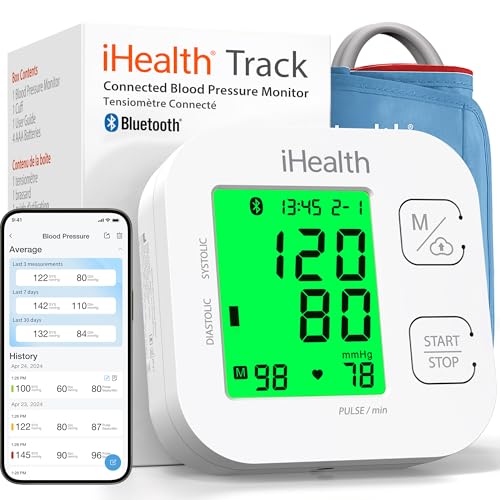
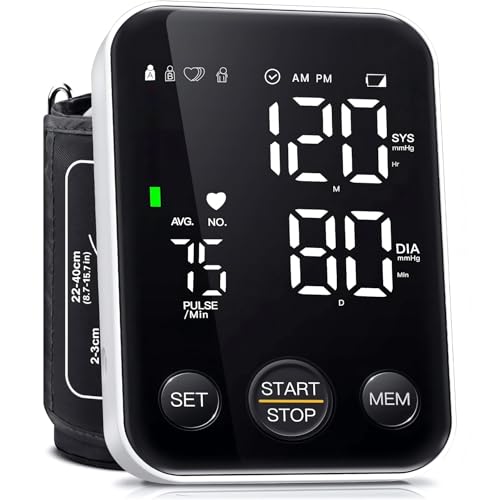
An upper-arm cuff is more accurate than a wrist model. Pick a clinically validated device with a cuff sized to your arm, and take readings seated after five minutes of rest. Models that store readings or sync to an app make it easy to share trends with your doctor.
Frequently Asked Questions
How do I get my BP down quickly?
None of the sources cited here tested an instant method. The measured lifestyle changes were tested over weeks: 8 weeks in the DASH trial, 30 days per sodium level in DASH-Sodium, and at least 2 weeks in the exercise trials. If a reading is 180/120 mmHg or higher and you have no symptoms, Cleveland Clinic says to rest for several minutes, then take your blood pressure again. If a reading is 180/120 mmHg or higher and you have any symptoms, like chest pain, headache or vision changes, Cleveland Clinic says to call 911.
What is the 60 second trick to lower blood pressure?
None of the sources cited here tested a 60-second trick. In systematic reviews and meta-analyses of randomized trials, device-guided slow breathing failed to produce detectable reductions in office blood pressure compared to control procedures or usual care. A small sham-controlled trial of inspiratory muscle strength training lowered casual systolic pressure from 135 to 126 mmHg, but that protocol required 30 breaths daily for six weeks.
Can drinking lots of water lower blood pressure?
None of the trials, reviews or guidelines cited here tested drinking water. Documented nonpharmacological interventions focus on the DASH dietary pattern, dietary sodium reduction, potassium intake, structured aerobic and isometric exercise, weight loss, and alcohol moderation.
What foods bring blood pressure down fast?
None of the sources cited here tested a single food for a fast drop. The DASH pattern is rich in fruits, vegetables, whole grains and low-fat dairy, with less saturated and total fat. In the DASH trial it lowered systolic pressure 11.4 mmHg more than the control diet after 8 weeks in adults with hypertension. DASH with low sodium gave a systolic pressure 11.5 mmHg lower over 30 days. The ACC/AHA table also lists a potassium-rich diet of 3,500 to 5,000 mg a day, worth about 4 to 5 mmHg systolic in adults with hypertension.
What drink will lower blood pressure quickly?
None of the sources cited here tested a drink for lowering blood pressure quickly. The drink-related change with a measured effect is cutting alcohol. The ACC/AHA table puts it at about 4 mmHg systolic in adults with hypertension, with men who drink keeping to 2 drinks a day or fewer and women to 1.
Topic updates
Get the weekly metabolic health roundup
Insulin resistance, blood sugar, visceral fat, GLP-1 plateaus, metabolic syndrome, and weight-loss physiology.
Want your metabolic health handled by a physician who works from your labs? See how Opt Health does it →
Check Where You Stand
Take our free health assessment to understand your metabolic, hormonal, and recovery risk factors — and get personalized recommendations.
Take the Free Assessment →Free · Takes 5 minutes · Instant results
Related Guides
-
High Blood Pressure VA Disability Rating: Tiers, Rules, and Evidence
How the VA rates hypertension as a service-connected disability under Diagnostic Code 7101, the tiers, and PACT Act presumptive connection.
-
Blood Pressure Chart by Age: Normal and High Ranges Using ACC/AHA Categories
Blood pressure chart by age: normal and high ranges using current ACC/AHA categories.
-
How to Lower LDL Cholesterol: the Diet Levers and Their Measured LDL Effects, Retest Timing, and When Statins or Ezetimibe Come In
How to lower LDL cholesterol: the diet levers and their measured LDL effects, retest timing, and when statins or ezetimibe come in.
See more related guides
-
How to Lower A1C Naturally
How to lower A1C naturally: the NIDDK lifestyle levers and what the 3-month average means.
-
How Food Affects Blood Sugar
How food changes blood sugar: normal thresholds, glycemic index/load, and the fiber/protein/fat pairing mechanism.
-
Low-carb Snacks for Blood Sugar
Low-carb snacks and dips that keep blood sugar steady, with the meal-sequencing research behind the picks.
-
Blood Sugar and Skin Aging
How glycation and insulin resistance accelerate visible skin aging, and what the evidence says about reversing it.
-
Gum Disease and Blood Sugar: the Two-way Link
The bidirectional link between gum disease and blood sugar, and what periodontal treatment does to A1C.
Affiliate disclosure: The Metabolic Journal is reader-supported. Some links above are affiliate or referral links and we may earn a commission at no extra cost to you. As an Amazon Associate we earn from qualifying purchases. Products are chosen on the merits; commissions never influence what we recommend. This is general information, not medical advice — talk to your clinician before acting.