Low-Carb Snacks for Blood Sugar
Medically reviewed by Medical Advisory Board Last reviewed 2026-09-23
Pairing protein-rich dips with raw vegetables slows digestion and keeps post-meal glucose steady throughout the day.
Discover low-carb snacks for blood sugar that prevent glucose spikes. Explore high-protein dips, dairy-free options, and fiber-rich vegetable pairings.
The most reliable low-carb snacks for blood sugar combine a protein-rich or fat-rich dip with non-starchy, fiber-dense dipping vegetables. At The Metabolic Journal, we evaluate clinical nutrition data to turn metabolic research into practical dietary routines. Pairings such as Greek-yogurt herb dip with cucumber slices, guacamole with sliced sweet peppers, and cottage cheese with celery provide sustained fullness without triggering glucose spikes.
These combinations stabilize metabolic markers by slowing the rate at which food leaves your stomach and enters your bloodstream. Rather than reaching for isolated processed snacks, building a small plate around whole foods protects against post-meal glucose fluctuations. Readers tracking strict carbohydrate ceilings can reference our guide on how many carbs define a low-carb diet to align snack portions with their daily targets.
Partner · Opt Health
Want a clinician to work up your metabolic numbers?
Opt Health runs fasting insulin, A1C, a full lipid panel and 50+ other markers, then builds a treatment plan — GLP-1s included where they're appropriate — with a physician who reviews the data with you directly.
See Opt Health's metabolic program →Why Food Sequencing and Pairing Flatten Glucose Curves
Eating protein and dietary fiber ahead of or alongside carbohydrates measurably blunts the subsequent rise in circulating blood glucose.
A randomized crossover study published by Shukla and colleagues in the American Diabetes Association (ADA) journal Diabetes Care examined this mechanism in adults with type 2 diabetes. When participants consumed vegetables and protein before eating carbohydrates, their post-meal glucose was 28.6% lower at 30 minutes, 36.7% lower at 60 minutes, and 16.8% lower at 120 minutes compared to eating the carbohydrates first. The overall incremental glucose area under the curve (AUC) decreased by 73% under the protein-and-vegetable-first sequence.
Macronutrient composition also changes the magnitude of this blunting effect. Research published in ScienceDirect compared the effects of fat and protein preloads on glycemic responses in non-diabetic human subjects. The researchers found that protein produced roughly two to three times the blunting effect on the glucose response compared to an equivalent caloric amount of dietary fat.
Fat slows gastric emptying, but protein prompts the early secretion of incretin hormones like glucagon-like peptide-1 (GLP-1), which primes insulin release before carbohydrates enter the small intestine. For a comprehensive examination of these digestive mechanisms, see our guide on how food affects blood sugar.
High-Protein Low-Carb Snacks for Blood Sugar
High-protein dips provide the strongest metabolic buffer against post-snack glucose spikes because amino acids stimulate insulin release without adding dietary glucose.
Research confirms that combining protein with functional dietary fibers yields superior glycemic control. A peer-reviewed study in PubMed Central evaluated healthy adults consuming a food formulated with resistant starch type 4, a non-digestible prebiotic fiber. The fiber-enriched food reduced postprandial glucose by 44% and the insulin response by 46% compared to a conventional starch control.
Strained Greek yogurt delivers concentrated casein and whey, making it an exceptional base when seasoned with fresh dill, minced garlic, lemon juice, and black pepper. Blended cottage cheese offers a comparable amino acid profile, whipping into a velvety spread that carries chives, smoked paprika, or toasted cumin. Whipped feta pureed with olive oil, lemon zest, and oregano supplies dairy protein along with rich texture.
Canned wild salmon or chunk light tuna folded into olive-oil mayonnaise with Dijon mustard and capers creates a hearty, high-protein low-carb dip. Chopped hard-boiled eggs blended with mayonnaise, mustard, and scallions form an egg salad dip loaded with choline and leucine. Warm buffalo chicken dip made from shredded chicken breast, cream cheese, and hot pepper sauce supplies dense protein that delays gastric emptying for several hours.
Dairy-Free Dips Made From Whole Plant Foods
Dairy-free low-carb dips rely on whole plant fats and seed proteins to stabilize post-meal glucose without dairy proteins.
Nut and seed bases offer clinical advantages for metabolic stability. In the Tū Ora postprandial randomized controlled trial (RCT) published in PubMed Central, researchers evaluated an overweight, prediabetic cohort. The study demonstrated that consuming a higher-protein, nut-based snack alongside carbohydrate suppressed post-meal glycemia compared to a lower-protein snack option.
Fresh guacamole provides monounsaturated oleic acid and soluble fiber from mashed Hass avocados, which digest slowly and contain minimal net carbohydrates. Tahini dip, produced by whisking roasted sesame seed paste with ice water, lemon juice, and crushed garlic, supplies plant protein and minerals. Baba ghanoush pairs roasted, pureed eggplant with tahini and olive oil, delivering dietary fiber and polyphenols in a smoky spread.
Olive tapenade combines minced Kalamata and Castelvetrano olives with capers, fresh thyme, and extra-virgin olive oil for a savory topping with virtually zero sugar. An unsweetened almond butter dip blended with fresh lime juice, grated ginger, and coconut aminos yields a savory satay dip that keeps blood sugar flat. Readers organizing their overall daily intake around metabolic health can consult our guide on the prediabetes diet for structured meal ideas.
Low-Carb Snack Vehicles for Dipping
Selecting fibrous, non-starchy vegetables as dipping vehicles preserves steady blood glucose by eliminating refined starches and rapid-digesting carbohydrates.
Standard dippers such as pita triangles, tortilla chips, pretzels, and potato crisps flood the digestive tract with rapidly hydrolyzable starches. Those starches cause rapid glucose surges that overpower the stabilizing influence of a healthy dip. Whole raw vegetables supply crisp texture, high moisture volume, and intact plant cell walls that delay enzymatic breakdown.
Ideal raw vegetables for dipping include:
- Cucumber rounds and spears, which offer high water content and crisp texture with almost no digestible carbohydrates.
- Sweet bell pepper strips, which supply vitamin C and satisfying crunch without the concentrated sugar of fruit snacks.
- Celery ribs, which provide rigid structural crunch and insoluble cellulose fiber.
- Radish slices, which bring a sharp, peppery bite and sturdy dippability.
- Jicama sticks, which contain naturally occurring prebiotic inulin fiber that resists upper gastrointestinal digestion.
- Raw cauliflower florets and trimmed broccoli stems, which supply sulfur-rich glucosinolates alongside dense vegetable fiber.
Clinical evidence consistently shows that increasing overall dietary fiber intake improves insulin sensitivity over time. When your cells become more sensitive to insulin, your pancreas needs to secrete less of the hormone to clear a given amount of glucose from your bloodstream. Using fibrous raw vegetables as dipping tools turns an ordinary snack into an opportunity to feed your microbiome and reinforce metabolic regulation.
Comparing Popular Low-Carb Dip Bases
Comparing low-carb dip bases across macronutrient composition, protein density, and preparation ease reveals clear tradeoffs for blood sugar management.
| Dip Base | Primary Macronutrient | Protein Density | Satiety Duration | Best Paired Dipper |
|---|---|---|---|---|
| Greek Yogurt | Protein and Fat | High | 3 to 4 hours | Cucumber spears and celery |
| Cottage Cheese | Protein | High | 3 to 4 hours | Bell pepper strips and radishes |
| Guacamole | Monounsaturated Fat and Fiber | Low to Moderate | 2 to 3 hours | Jicama sticks and bell peppers |
| Tahini and Nut Butter | Fat and Plant Protein | Moderate | 3 to 4 hours | Celery sticks and cauliflower florets |
| Flaked Fish or Egg Salad | Complete Protein and Fat | Very High | 4 to 5 hours | Endive leaves and cucumber rounds |
Selecting the best base depends on your personal schedule and daily protein targets. If your goal is maximizing satiety and suppressing hunger until your next full meal, animal-protein bases like cottage cheese, Greek yogurt, or canned tuna perform best. When you need a portable dairy-free snack that supplies healthy plant fats and dietary fiber, avocado or tahini provides an ideal foundation.
Applying Protein-First Principles to Light Meals
The nutritional sequencing that keeps snack responses flat scales directly into quick, blood-sugar-friendly meals.
A high-protein wrap built around sliced poultry or roast beef and wrapped inside large collard greens, butter lettuce, or shaved zucchini ribbons mirrors the snack dip dynamic. Layering two to three ounces of roasted turkey with Dijon mustard, avocado slices, and pickled onions inside a leafy green outer wrapper delivers concentrated protein and fiber before any carbohydrates enter your system. This assembly avoids the rapid glucose absorption typical of commercial flour tortillas.
A simple dinner plate pairing a baked white fish like sea bass, cod, or halibut with sautéed fennel, zucchini, and baby spinach applies identical metabolic logic. The lean marine protein and the fibrous, non-starchy vegetables fill stomach volume and trigger satiety peptides before any side dishes influence systemic circulation. Preparing fish with extra-virgin olive oil, lemon juice, and fresh herbs delivers anti-inflammatory fats that support steady glycemic control throughout the evening.
Situations Where Standard Low-Carb Snack Guidance Changes
General low-carb snacking guidelines do not fit every clinical profile or individual metabolic response.
This approach is not designed for individuals following a therapeutic ketogenic diet to manage epilepsy or maintain strict nutritional ketosis. While foods like jicama, bell peppers, and carrots qualify as nutrient-dense low-carb vegetables, their net carbohydrate counts can accumulate and exceed a rigid daily threshold. Readers aiming for deep nutritional ketosis should verify their specific daily carb allowances against our guide on what ketosis is.
Personal physiological feedback also supersedes general rules. If continuous glucose monitor (CGM) readings reveal that a specific vegetable or dairy base triggers unexpected glucose elevations, that personal glycemic data overrides these population-level patterns. Changes in commercial product formulations, such as added starches or maltodextrin in store-bought guacamole or dips, would also disqualify those convenience products from our recommendations.
Stocking Low-Carb Snacks for Blood Sugar
Establishing a kitchen routine of ready-to-eat protein dips and washed vegetable dippers prevents impulsive snacking on high-glycemic convenience foods.
Preparing two distinct dips every Sunday ensures you always have stable snacks available in your refrigerator. Wash and chop a colorful assortment of bell peppers, cucumbers, celery, and radishes, storing them in airtight glass containers lined with a dry paper towel to preserve freshness. Having pre-portioned containers of Greek yogurt dip or guacamole ready to grab eliminates decision fatigue during busy afternoons.
Select two high-protein dips and a variety of raw dipping vegetables from this guide to prep for your upcoming week, and review our breakdown of how food affects blood sugar to build lasting metabolic health with low-carb snacks for blood sugar.
How to test metabolic markers at home
You don't need a lab appointment to check your own metabolic markers — a few at-home kits mail you a collection kit and return physician-reviewed results online within days:
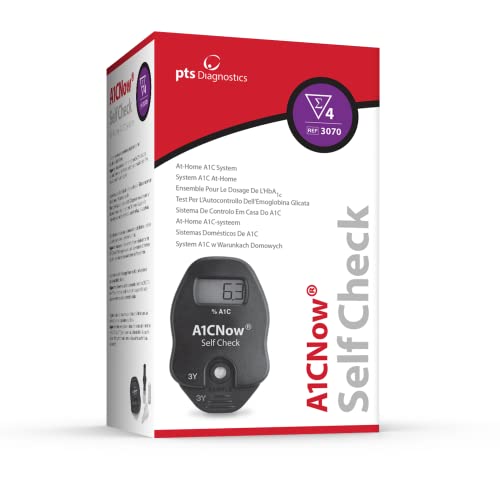
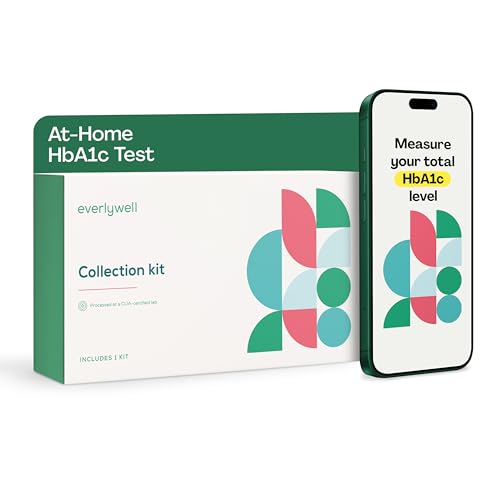
Prefer to order direct? The Everlywell HbA1c Test uses a CLIA-certified lab, physician-reviewed results, and prepaid return shipping.
What to Look For in a Continuous Glucose Monitor (CGM)
Over-the-counter CGMs like Dexcom Stelo and Abbott Lingo now sell without a prescription. Check the wear time (14–15 days per sensor), whether it reads to your phone or needs a separate device, and the monthly cost. For seeing how your own body responds to meals, a month or two is usually enough — you don't need to wear one forever.


What Makes a Good Fiber Supplement
For blood-sugar and cholesterol support you want SOLUBLE fiber — psyllium husk is the best studied. Start with one teaspoon and build up with plenty of water to avoid bloating, and take it 10–15 minutes before carb-heavy meals. Choose an unsweetened, additive-free powder or capsule.


Frequently Asked Questions
What snacks will not spike blood sugar?
Snacks built from whole proteins, healthy fats, and non-starchy vegetables will not spike blood sugar. Examples include hard-boiled eggs, raw vegetables with Greek-yogurt herb dip, homemade guacamole with bell pepper strips, handfuls of nuts, and canned wild salmon salad eaten on cucumber rounds.
Are dips keto-friendly?
Most homemade dips made from full-fat dairy, avocado, or pureed seeds are keto-friendly, provided they do not contain added sugars or starchy thickeners. Always check labels on commercial products for hidden cornstarch, maltodextrin, or cane sugar. Pair your dips with low-carb vegetable dippers like celery or cucumbers rather than grain crackers to stay within keto limits.
Does eating protein before carbs really lower blood sugar?
Yes, clinical trials show that consuming protein and vegetables before carbohydrates substantially reduces post-meal glucose spikes. In a study published in Diabetes Care, participants with type 2 diabetes who ate protein and vegetables before carbohydrate had a 73% lower incremental glucose area under the curve compared to eating carbohydrate first.
What is a good dairy-free low-carb dip?
Guacamole, tahini dip, baba ghanoush, and olive tapenade are all excellent dairy-free low-carb dips. They supply monounsaturated fats, dietary fiber, and plant proteins that digest slowly without requiring dairy ingredients.
Are nuts a good low-carb snack for blood sugar?
Yes, nuts are an effective low-carb snack for blood sugar because their natural combination of protein, fiber, and unsaturated fats blunts post-meal glycemic responses. A randomized controlled trial in PubMed Central demonstrated that a higher-protein, nut-based snack eaten alongside carbohydrates suppressed the blood sugar response in adults with prediabetes.
Topic updates
Get the weekly metabolic health roundup
Insulin resistance, blood sugar, visceral fat, GLP-1 plateaus, metabolic syndrome, and weight-loss physiology.
Want your metabolic health handled by a physician who works from your labs? See how Opt Health does it →
Check Where You Stand
Take our free health assessment to understand your metabolic, hormonal, and recovery risk factors — and get personalized recommendations.
Take the Free Assessment →Free · Takes 5 minutes · Instant results
Related Guides
-
Blood Sugar, Nutrition, and Immune Function: What the Evidence Shows
How blood sugar and nutrition affect immune function, and an honest evidence grade for common immune remedies.
-
Low-carb Vegan Diet: Is It Possible, and How to Do It Right
Combining a low-carb approach with a vegan diet: protein sources, nutrient gaps, and a realistic food list.
-
How Food Affects Blood Sugar
How food changes blood sugar: normal thresholds, glycemic index/load, and the fiber/protein/fat pairing mechanism.
See more related guides
-
Blood Sugar and Skin Aging
How glycation and insulin resistance accelerate visible skin aging, and what the evidence says about reversing it.
-
Talking to Your Doctor About Low Carb
How to bring up a low-carb diet with your doctor: what to ask, what to mention, and who should loop a doctor in first.
-
How Many Carbs Is Low Carb
Carb-gram thresholds for keto, moderate, and liberal low-carb approaches, and how net carbs are actually counted.
-
Low-carb Diets and Kidney Health
Low-carb diets and kidney health: the evidence split between healthy kidneys and existing kidney disease, plus the kidney-stone risk.
-
Gum Disease and Blood Sugar: the Two-way Link
The bidirectional link between gum disease and blood sugar, and what periodontal treatment does to A1C.
Affiliate disclosure: The Metabolic Journal is reader-supported. Some links above are affiliate or referral links and we may earn a commission at no extra cost to you. As an Amazon Associate we earn from qualifying purchases. Products are chosen on the merits; commissions never influence what we recommend. This is general information, not medical advice — talk to your clinician before acting.