Prediabetes Diet: What to Eat and What to Limit to Lower Blood Sugar
Medically reviewed by Medical Advisory Board Last reviewed 2026-07-17
A practical, evidence-based eating plan to bring blood sugar back toward normal — what to eat, what to limit, and what actually moves your A1C
A prediabetes diet focuses on non-starchy vegetables, legumes, whole grains, protein, and plenty of fiber, while limiting refined carbs and sugary drinks. This guide covers exactly what to eat and limit, how glycemic load works, a sample day, and which changes actually lower your A1C.
A prediabetes diet focuses on whole foods that raise blood sugar slowly: non-starchy vegetables, legumes, intact whole grains, quality protein, healthy fats, and plenty of fiber. It is not meant to be a rigid, joyless plan. Instead, it is a steady shift toward meals that help keep blood sugar steadier, exactly what your body needs when it is in the prediabetes range: a fasting glucose of 100-125 mg/dL or an A1C of 5.7-6.4%.
Diet is the highest-impact everyday lever for prediabetes. Among all the eating patterns studied, the Mediterranean diet has the strongest evidence for improving blood sugar and lowering diabetes risk. This guide turns that evidence into practical choices about what to put on your plate: what to eat, what to limit, how to think about glycemic load, a sample day, and which changes actually move your A1C.
Partner · Opt Health
Want a clinician to work up your metabolic numbers?
Opt Health runs fasting insulin, A1C, a full lipid panel and 50+ other markers, then builds a treatment plan — GLP-1s included where they're appropriate — with a physician who reviews the data with you directly.
See Opt Health's metabolic program →Food is only one part of the picture. For the full plan, including activity, sleep, and weight, use this alongside our guide to how to reverse prediabetes and the insulin resistance hub.
What to Eat With Prediabetes
The foundation of a prediabetes diet is whole foods that release glucose slowly and keep you full. Build most meals from this list.
- Non-starchy vegetables: leafy greens, broccoli, peppers, zucchini, cauliflower, tomatoes, and green beans. Fill about half your plate with these — they are high in fiber and low in glucose impact.
- Legumes: lentils, chickpeas, black beans, and kidney beans. They combine protein and fiber, which blunts the blood-sugar rise from the carbs they contain.
- Intact whole grains: oats, barley, quinoa, and brown rice. Whole grains raise blood sugar more slowly than refined grains and add meaningful fiber.
- Quality protein: fish, poultry, eggs, tofu, and Greek yogurt. Anchoring each meal with protein slows digestion and steadies blood sugar.
- Healthy fats: olive oil, avocado, nuts, and seeds — the backbone of the Mediterranean pattern.
- Whole fruit: berries, apples, and citrus, eaten whole rather than juiced so the fiber stays intact.
Notice the theme: fiber, protein, and healthy fat on repeat. Those three slow the release of glucose from any carbs you eat.
What to Limit or Avoid
Limiting fast-digesting carbs and sugary drinks is the other half of a prediabetes diet. These foods raise blood sugar quickly and are the most useful ones to cut back on.
- Sugar-sweetened beverages: soda, sweet tea, energy drinks, and juice. Liquid sugar hits the bloodstream fast and is one of the highest-value things to reduce.
- Refined grains: white bread, white rice, and standard pasta. Swap for whole-grain versions or smaller portions paired with protein and vegetables.
- Sweets and desserts: pastries, cookies, candy, and sugary breakfast cereals. Treat these as occasional, not daily.
- Ultra-processed snacks: chips, crackers, and packaged snack foods that combine refined carbs with little fiber.
You do not have to eliminate carbs. The goal is to shift from refined, fast-digesting carbs toward slower, fiber-rich ones — and to pair whatever carbs you eat with protein, fat, or vegetables.
Simple Swaps That Lower a Meal's Glucose Impact
You do not have to overhaul your diet overnight. Swapping a few high-impact foods for slower ones is often enough to steady blood sugar. The table below shows easy trades that keep the meal familiar while lowering its glucose impact.
| Instead of | Choose | Why it helps |
|---|---|---|
| Soda or juice | Water, sparkling water, or unsweetened tea | Removes fast-absorbing liquid sugar, the highest-value single change |
| White rice | Quinoa, barley, or a smaller portion of brown rice | More fiber and a slower glucose rise |
| White bread | Whole-grain or seeded bread | Added fiber blunts the spike |
| Sugary breakfast cereal | Plain Greek yogurt with berries and nuts | Protein and fat replace fast carbs |
| Fruit juice | Whole fruit | Intact fiber slows sugar absorption |
Pick one or two swaps to start. Small, repeatable changes are easier to sustain than an all-at-once overhaul, and they add up.
Understanding Glycemic Load
Glycemic load is a simple way to estimate how much a food will raise your blood sugar. It combines two things: how fast a food's carbs digest (the glycemic index) and how many carbs are actually in a typical portion.
This matters because glycemic index alone can be misleading. Watermelon, for example, digests quickly but has few carbs per serving, so its real-world blood-sugar impact is modest. A big bowl of white rice has both fast-digesting carbs and a large carb load, so its impact is high. For prediabetes, favoring lower-glycemic-load meals — built from vegetables, legumes, whole grains, and protein — helps keep blood sugar steadier through the day. You do not need to memorize numbers. The whole-food choices above are naturally lower in glycemic load.
A Simple Prediabetes Meal Pattern
A reliable meal pattern anchors every meal with protein and fiber, then adds a slow carb. This structure keeps blood sugar steadier without counting anything. Here is a plain sample day.
- Breakfast: plain Greek yogurt with berries and a spoonful of chia seeds or nuts. Protein and fiber start the day steady, instead of a sugary cereal that spikes it.
- Lunch: a large salad of leafy greens, chickpeas or grilled chicken, olive oil, and a small portion of quinoa.
- Snack (if needed): an apple with a handful of almonds, or vegetables with hummus.
- Dinner: baked salmon, roasted non-starchy vegetables, and a small serving of lentils or brown rice.
A short 10-20 minute walk after meals is a low-effort way to blunt the post-meal blood-sugar rise. If you want to see how meals affect you personally, our page on glucose spikes explains what continuous glucose monitors (CGMs) can and cannot tell you.
Aim for 30-40 Grams of Fiber a Day
Fiber is one of the most useful targets on a prediabetes diet. It slows how fast glucose enters the bloodstream and feeds gut bacteria that support healthy metabolism. Aiming for roughly 30-40 grams a day is a practical, evidence-aligned goal, and most people currently eat far less than that.
You reach it through food, not supplements: legumes, whole grains, vegetables, fruit, nuts, and seeds. A cup of cooked lentils alone provides around 15 grams. Increase fiber gradually and drink more water to avoid digestive discomfort. The same foods that raise your fiber intake are the ones that lower the glycemic load of your meals — so this single habit does double duty.
What Actually Moves Your A1C
The changes that most reliably lower A1C are consistent, not dramatic. A prediabetes diet works best alongside modest weight loss and regular movement.
- Losing 5-7% of body weight: in the landmark Diabetes Prevention Program, structured lifestyle change — including this level of weight loss — reduced progression to type 2 diabetes by 58%. For someone at 200 pounds, that is roughly 10-14 pounds.
- Following a Mediterranean-style pattern: the eating pattern with the strongest evidence for blood-sugar improvement and lower diabetes risk.
- Cutting sugary drinks and refined carbs: the highest-value single food change for most people.
- Adding fiber and protein to every meal: steadier blood sugar throughout the day.
Because A1C reflects roughly the past 2-3 months of blood sugar, give changes time — many people recheck A1C about three months after starting. See our A1C test guide for how to read your results, and talk with your clinician about a plan that fits you. For the complete step-by-step approach, read how to reverse prediabetes.
How to test metabolic markers at home
You don't need a lab appointment to check your own metabolic markers — a few at-home kits mail you a collection kit and return physician-reviewed results online within days:
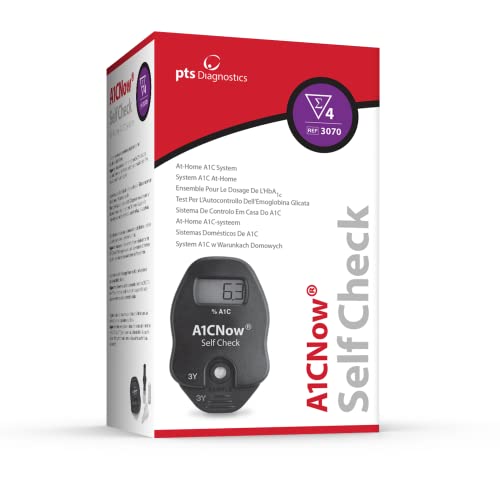
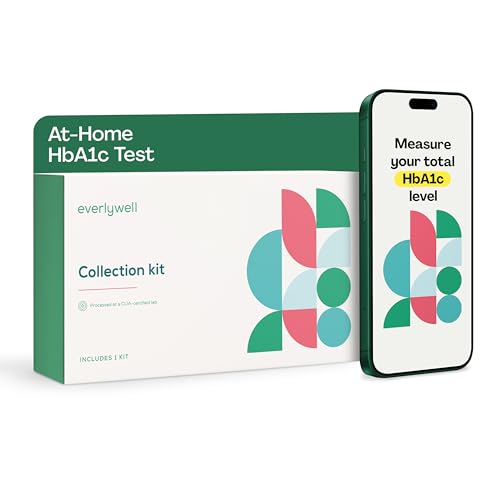
Prefer to order direct? The Everlywell HbA1c Test uses a CLIA-certified lab, physician-reviewed results, and prepaid return shipping.
What to Look For in a Continuous Glucose Monitor (CGM)
Over-the-counter CGMs like Dexcom Stelo and Abbott Lingo now sell without a prescription. Check the wear time (14–15 days per sensor), whether it reads to your phone or needs a separate device, and the monthly cost. For seeing how your own body responds to meals, a month or two is usually enough — you don't need to wear one forever.


What Makes a Good Fiber Supplement
For blood-sugar and cholesterol support you want SOLUBLE fiber — psyllium husk is the best studied. Start with one teaspoon and build up with plenty of water to avoid bloating, and take it 10–15 minutes before carb-heavy meals. Choose an unsweetened, additive-free powder or capsule.


Frequently Asked Questions
What should I eat if I have prediabetes?
Eat non-starchy vegetables, legumes, intact whole grains, quality protein, healthy fats, and whole fruit. Build meals around fiber and protein, which slow how fast glucose enters your blood. The Mediterranean diet — rich in vegetables, olive oil, fish, and legumes — has the strongest evidence for improving blood sugar and lowering diabetes risk.
What foods should I avoid with prediabetes?
Limit sugar-sweetened beverages, refined grains like white bread and white rice, sweets, and ultra-processed snacks. These raise blood sugar quickly and add little fiber. You do not have to eliminate carbs entirely — the goal is to shift toward slower, fiber-rich carbs and pair any carbs with protein, fat, or vegetables.
How much fiber should I eat with prediabetes?
Aim for roughly 30-40 grams of fiber a day from food. Fiber slows glucose absorption and supports healthy metabolism. Reach it through legumes, whole grains, vegetables, fruit, nuts, and seeds — a cup of cooked lentils alone provides about 15 grams. Increase fiber gradually and drink more water to avoid digestive discomfort.
Can diet alone reverse prediabetes?
Diet is often enough to move blood sugar back toward normal, especially combined with modest weight loss and regular activity. In the Diabetes Prevention Program, structured lifestyle change reduced progression to type 2 diabetes by 58%. Results vary by person, so recheck your A1C after about three months and work with your clinician on the right plan.
How quickly does a prediabetes diet lower blood sugar?
Fasting glucose can respond within weeks of consistent diet changes, but A1C reflects your average blood sugar over the past 2-3 months, so it moves more slowly. Most people recheck A1C about three months after starting new habits. Steady, consistent changes matter more than dramatic short-term ones.
Topic updates
Get the weekly metabolic health roundup
Insulin resistance, blood sugar, visceral fat, GLP-1 plateaus, metabolic syndrome, and weight-loss physiology.
Want your metabolic health handled by a physician who works from your labs? See how Opt Health does it →
Check Where You Stand
Take our free health assessment to understand your metabolic, hormonal, and recovery risk factors — and get personalized recommendations.
Take the Free Assessment →Free · Takes 5 minutes · Instant results
Related Guides
-
Insulin Resistance Diet: What to Eat, Foods to Avoid, and a 7-Day Meal Plan
What to eat, foods to avoid, and a 7-day meal plan for insulin resistance.
-
Insulin Resistance vs Prediabetes: Key Differences and the Progression Timeline
Continuum diagram, diagnostic thresholds, and the reversal window.
-
How to Reverse Prediabetes
How to reverse prediabetes: the evidence-ranked levers and a realistic timeline.
See more related guides
-
Blood Sugar, Nutrition, and Immune Function: What the Evidence Shows
How blood sugar and nutrition affect immune function, and an honest evidence grade for common immune remedies.
-
Low-carb Vegan Diet: Is It Possible, and How to Do It Right
Combining a low-carb approach with a vegan diet: protein sources, nutrient gaps, and a realistic food list.
-
Diet Macros and Brain Aging
Diet macros and brain aging: the mouse longevity data vs. the human 'protein cliff' — why the answer is age-dependent.
-
Low-carb Diets and Kidney Health
Low-carb diets and kidney health: the evidence split between healthy kidneys and existing kidney disease, plus the kidney-stone risk.
-
High-protein Diet FAQ
High-protein diet FAQ: what counts as high-protein, satiety and muscle-preservation evidence, and the safe upper range.
Affiliate disclosure: The Metabolic Journal is reader-supported. Some links above are affiliate or referral links and we may earn a commission at no extra cost to you. As an Amazon Associate we earn from qualifying purchases. Products are chosen on the merits; commissions never influence what we recommend. This is general information, not medical advice — talk to your clinician before acting.