How to Reverse Prediabetes: What Works, Realistically
Medically reviewed by Medical Advisory Board Last reviewed 2026-08-08
Prediabetes is often reversible — here are the changes that matter most, ranked, and how long they realistically take to lower your A1C
Prediabetes is often reversible with lifestyle change. This guide ranks the levers that work — losing 5-7% of body weight, regular activity, a Mediterranean-style diet, sleep, and resistance training — explains a realistic months-long timeline, and covers where metformin fits as a prescriber decision.
Prediabetes is often reversible. If a blood test put you in the prediabetes range — a fasting glucose of 100-125 mg/dL or an A1C of 5.7-6.4% — that result is an early, actionable warning, not a diagnosis of diabetes. The landmark Diabetes Prevention Program showed that structured lifestyle change reduced progression to type 2 diabetes by 58%, outperforming medication. That is strong evidence that the right habits move the needle.
This guide is written for people who arrived here from a prediabetes diagnosis. It is the companion to our guide on how to reverse insulin resistance — same underlying physiology, different starting point. Prediabetes and insulin resistance are two views of the same process: cells respond poorly to insulin, so blood sugar drifts up. If you want the deep biology and the full reversal protocol, those two pages carry it. Here, we focus on what a prediabetes result specifically means and how to act on it.
Partner · Opt Health
Want a clinician to work up your metabolic numbers?
Opt Health runs fasting insulin, A1C, a full lipid panel and 50+ other markers, then builds a treatment plan — GLP-1s included where they're appropriate — with a physician who reviews the data with you directly.
See Opt Health's metabolic program →Below, the levers are ranked by impact, followed by a realistic timeline and an explanation of where medication fits.
Prediabetes and Insulin Resistance Are the Same Underlying Problem
Prediabetes is what a blood test shows when insulin resistance has been building for a while. The two are not separate conditions — they are different labels for stages of one process. In insulin resistance, your cells stop responding well to insulin, so the pancreas makes more of it to keep blood sugar normal. For years, that compensation works and glucose stays in range. Prediabetes is the point where the compensation starts to fall behind and blood sugar finally rises into the 100-125 mg/dL or 5.7-6.4% range.
This matters for reversal because the fix targets the same root cause. The levers that reverse insulin resistance are the levers that reverse prediabetes. Rather than repeat that full protocol here, we point you to the reverse insulin resistance guide for the detailed diet, exercise, and supplement evidence — and focus this page on the priorities that matter most once you have a prediabetes result in hand.
Prediabetes vs Insulin Resistance vs Type 2 Diabetes
These three terms describe points along one continuum, which is why people arrive at reversal from different starting points. The table below shows how they relate — and why the same lifestyle levers apply across all three stages.
| Stage | What it means | How it is identified | Reversibility |
|---|---|---|---|
| Insulin resistance | Cells respond poorly to insulin; the pancreas makes extra to keep glucose normal | Fasting insulin and HOMA-IR (blood sugar can still look normal) | Often reversible, and the earliest window to act |
| Prediabetes | Blood sugar has risen above normal as insulin compensation falls behind | Fasting glucose 100-125 mg/dL or A1C 5.7-6.4% | Often reversible with lifestyle change |
| Type 2 diabetes | Blood sugar is persistently high | Fasting glucose 126 mg/dL or higher, or A1C 6.5% or higher | Manageable and sometimes able to enter remission; needs medical care |
The takeaway: whether you were told you have insulin resistance or prediabetes, you are working on the same underlying problem, and the earlier you act, the more room you have. For the pre-diagnosis biology, see the insulin resistance hub.
The Levers That Work, Ranked
The most effective changes for reversing prediabetes are consistent lifestyle habits, and some carry more weight than others. Here they are, roughly in order of impact.
- Lose 5-7% of your body weight (if you carry extra). This is the single highest-impact lever. In the Diabetes Prevention Program, this level of weight loss — as part of structured lifestyle change — was linked to a 58% reduction in progression to type 2 diabetes. For someone at 200 pounds, that is about 10-14 pounds.
- Move about 150 minutes a week. Regular moderate activity, such as brisk walking, improves insulin sensitivity independent of weight loss. Spreading it across most days works better than one long session.
- Adopt a Mediterranean-style diet. The eating pattern with the strongest evidence for lowering blood sugar and diabetes risk. Our prediabetes diet guide lays out exactly what to eat and limit.
- Add resistance training. Muscle is your body's largest site for clearing glucose from the blood. Building and keeping muscle with two or more strength sessions a week improves glucose disposal.
- Protect your sleep. Short or poor-quality sleep worsens insulin sensitivity. Consistent, adequate sleep supports every other lever above.
You do not need to master all five at once. Weight, movement, and diet are the highest-value place to start, and the others reinforce them.
A Realistic Timeline for Reversal
Reversing prediabetes usually takes months, not weeks. Blood sugar can start improving fairly quickly with diet and activity changes, but the standard measure of progress — A1C — reflects your average blood sugar over the past 2-3 months. That built-in lag shapes a realistic timeline.
A common approach is to make consistent changes and recheck A1C at about three months. That window gives your new habits time to register on the test. Fasting glucose may move sooner and can be a useful earlier signal. Weight loss of 5-7% often takes several months of steady effort, which is fine — slower, sustained change tends to stick better than crash approaches. The point is to aim for durable habits and let the numbers catch up, rather than expecting an overnight shift. Set a recheck date with your clinician when you start.
Where Metformin Fits
Whether to use medication such as metformin is a decision for your prescriber, not a self-start choice. In the Diabetes Prevention Program, lifestyle change outperformed metformin for preventing progression to type 2 diabetes — which is why lifestyle is the first-line approach for most people with prediabetes.
That said, some people are offered metformin, particularly those at higher risk. Guidelines note it may be considered in certain situations, such as younger adults, those with a higher BMI, or women with a history of gestational diabetes. This is exactly the kind of individualized call a clinician makes with you — weighing your numbers, risk factors, and preferences. Bring it up at your appointment; do not start or stop any medication on your own.
Track Progress and When to See a Doctor
The clearest way to know if prediabetes is reversing is to retest, not to guess from how you feel — prediabetes is usually symptom-free either way. Work with your clinician to set a follow-up A1C, typically around three months after starting changes, and use fasting glucose as an earlier check-in.
See a doctor to build your plan, confirm the diagnosis, and decide on testing intervals. Seek care sooner if you develop classic higher-glucose symptoms — increased thirst, frequent urination, unexplained weight loss, or blurred vision — which can signal that blood sugar has moved beyond the prediabetes range. For the tools that track this, see our A1C test guide, our insulin resistance testing guide, and the prediabetes symptoms page. For the deeper biology and full protocol, the insulin resistance hub ties it all together.
How to test metabolic markers at home
You don't need a lab appointment to check your own metabolic markers — a few at-home kits mail you a collection kit and return physician-reviewed results online within days:
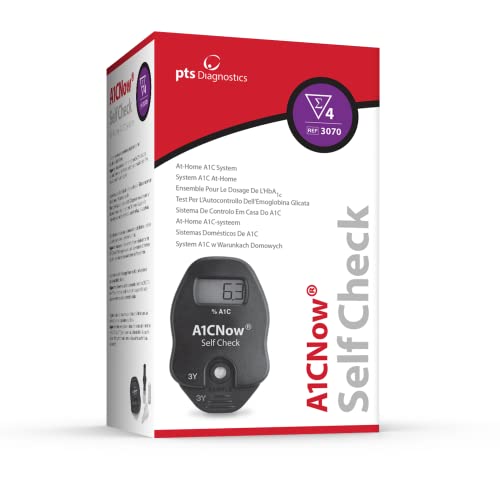
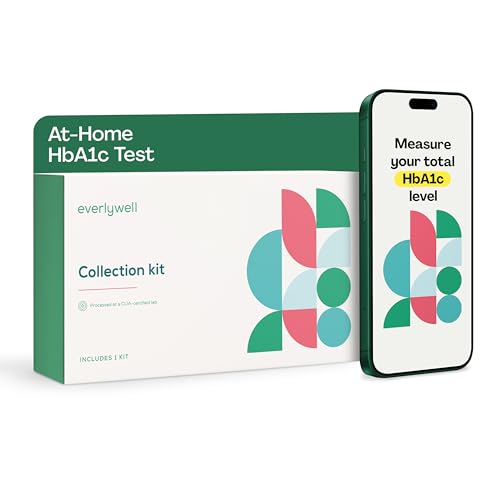
Prefer to order direct? The Everlywell HbA1c Test uses a CLIA-certified lab, physician-reviewed results, and prepaid return shipping.
What to Look For in a Continuous Glucose Monitor (CGM)
Over-the-counter CGMs like Dexcom Stelo and Abbott Lingo now sell without a prescription. Check the wear time (14–15 days per sensor), whether it reads to your phone or needs a separate device, and the monthly cost. For seeing how your own body responds to meals, a month or two is usually enough — you don't need to wear one forever.


What Makes a Good Fiber Supplement
For blood-sugar and cholesterol support you want SOLUBLE fiber — psyllium husk is the best studied. Start with one teaspoon and build up with plenty of water to avoid bloating, and take it 10–15 minutes before carb-heavy meals. Choose an unsweetened, additive-free powder or capsule.


Frequently Asked Questions
Can prediabetes be reversed?
Yes, prediabetes is often reversible with lifestyle change. The Diabetes Prevention Program showed that structured lifestyle intervention reduced progression to type 2 diabetes by 58%, outperforming medication. Losing 5-7% of body weight, moving about 150 minutes a week, and following a Mediterranean-style diet are the highest-impact changes. Results vary, so recheck your A1C with a clinician.
What causes prediabetes?
Prediabetes is caused by insulin resistance — your cells stop responding well to insulin, so blood sugar drifts upward. Common contributors include extra weight around the midsection, physical inactivity, family history, age, and conditions like PCOS. Prediabetes and insulin resistance are stages of the same process, which is why the same lifestyle changes address both.
How long does it take to reverse prediabetes?
Reversing prediabetes usually takes months. Fasting glucose can improve within weeks of consistent diet and activity changes, but A1C reflects your average blood sugar over the past 2-3 months, so it lags. A common approach is to make steady changes and recheck A1C at about three months. Sustained habits work better than crash efforts.
Should I take metformin for prediabetes?
Whether to take metformin is a decision for your prescriber. Lifestyle change outperformed metformin in the Diabetes Prevention Program, so it is the first-line approach for most people with prediabetes. Metformin may be considered for some higher-risk individuals, such as those with a higher BMI or a history of gestational diabetes. Discuss it with your clinician rather than starting on your own.
Is reversing prediabetes the same as reversing insulin resistance?
Largely yes, because they share the same root cause. Prediabetes is what a blood test shows once insulin resistance has progressed enough to raise blood sugar. The levers are the same — weight loss, activity, a better diet pattern, sleep, and resistance training. Our reverse insulin resistance guide covers the detailed protocol; this page focuses on acting on a prediabetes diagnosis.
Topic updates
Get the weekly metabolic health roundup
Insulin resistance, blood sugar, visceral fat, GLP-1 plateaus, metabolic syndrome, and weight-loss physiology.
Want your metabolic health handled by a physician who works from your labs? See how Opt Health does it →
Check Where You Stand
Take our free health assessment to understand your metabolic, hormonal, and recovery risk factors — and get personalized recommendations.
Take the Free Assessment →Free · Takes 5 minutes · Instant results
Related Guides
-
How to Reverse Insulin Resistance Naturally
Evidence-based dietary and lifestyle interventions (3-16 week timeline).
-
Insulin Resistance vs Prediabetes: Key Differences and the Progression Timeline
Continuum diagram, diagnostic thresholds, and the reversal window.
-
Prediabetes Diet
Prediabetes diet: what to eat and limit to lower blood sugar and A1C, with a sample day.
See more related guides
-
Prediabetes
Prediabetes symptoms (and why there usually are none), the warning signs, and who to test.
Affiliate disclosure: The Metabolic Journal is reader-supported. Some links above are affiliate or referral links and we may earn a commission at no extra cost to you. As an Amazon Associate we earn from qualifying purchases. Products are chosen on the merits; commissions never influence what we recommend. This is general information, not medical advice — talk to your clinician before acting.