Prediabetes Symptoms: The Warning Signs (and Why It's Often Silent)
Medically reviewed by Medical Advisory Board Last reviewed 2026-08-08
Prediabetes usually causes no obvious symptoms — here's what to watch for and why a simple blood test matters more than how you feel
Prediabetes usually has no clear symptoms, so most people do not know they have it. This page explains the subtle signs that can appear, the signs worth watching in women, who is most at risk, and the simple blood tests that confirm prediabetes long before you feel anything.
Prediabetes usually causes no obvious symptoms. That is the single most important thing to understand about it. Blood sugar sits above the normal range but below the diabetes range, and most people feel completely fine. The CDC estimates that 96 million American adults have prediabetes, and more than 80% do not know it. You cannot rely on how you feel to catch it.
Because the condition is so quiet, testing matters far more than watching for symptoms. Prediabetes means a fasting glucose of 100-125 mg/dL or an A1C of 5.7-6.4%. Those numbers are the real warning sign. When symptoms do appear, they tend to be subtle and easy to attribute to something else. This page covers the signs that can show up, the signs women should watch for, who is most at risk, and how to get a clear answer from a blood test.
Partner · Opt Health
Want a clinician to work up your metabolic numbers?
Opt Health runs fasting insulin, A1C, a full lipid panel and 50+ other markers, then builds a treatment plan — GLP-1s included where they're appropriate — with a physician who reviews the data with you directly.
See Opt Health's metabolic program →Prediabetes and insulin resistance are closely linked and often develop together. If you want the full biology, that hub explains how they're connected.
Does Prediabetes Have Symptoms?
Most people with prediabetes have no symptoms at all. Blood sugar is only mildly elevated, so the body usually gives no clear signal. This is why prediabetes is often called a silent condition, and why screening exists — you are meant to catch it on a blood test, not by waiting to feel sick.
When symptoms do appear, they are usually subtle. Some people notice a afternoon energy dip after meals, mild increases in thirst, or more frequent bathroom trips as glucose climbs toward the higher end of the prediabetes range. These signs are non-specific — they overlap with poor sleep, stress, and dozens of ordinary causes — so they cannot confirm or rule out prediabetes on their own. Only a blood test can.
Subtle Signs That Can Appear
When prediabetes does produce signs, they tend to be quiet and easy to overlook. None of these prove you have prediabetes, but they are worth mentioning to a clinician who can order testing.
- Fatigue or sluggishness after meals: a heavy, low-energy feeling in the hour or two after eating, especially after carb-heavy meals.
- Increased thirst and urination: these classic diabetes symptoms usually appear only as glucose rises toward the higher end of the range, and are more typical of diabetes than early prediabetes.
- Acanthosis nigricans: dark, velvety patches of skin, often on the neck, armpits, or groin. This is one of the more specific outward signs linked to insulin resistance.
- Skin tags: small, soft skin growths that are also associated with insulin resistance in some people.
- Frequent sugar or carbohydrate cravings: reported by some people, though this is non-specific and common in the general population.
Notice how mild and general these are. That is exactly the point: you should not wait for them. If you have risk factors, testing is the reliable path — see our guide to glucose spikes for how blood sugar swings can feel day to day.
Signs of Prediabetes in Women
In women, prediabetes is usually just as silent, but a few conditions raise the odds and deserve extra attention. The most important is polycystic ovary syndrome (PCOS), which is strongly linked to insulin resistance.
Women with PCOS often have signs that overlap with insulin resistance: irregular periods, acne, unwanted hair growth, difficulty losing weight, and sometimes acanthosis nigricans. These are PCOS signs, not proof of prediabetes — but they flag a higher risk, so glucose and A1C testing is reasonable. A history of gestational diabetes (diabetes that appeared during pregnancy) is another strong risk marker that warrants ongoing screening, because it raises the long-term risk of developing type 2 diabetes.
The practical takeaway for women: if you have PCOS or a history of gestational diabetes, treat that as a reason to test, not a symptom to wait on. Our insulin resistance symptoms page covers the female-specific pattern in more detail.
Who Is Most at Risk for Prediabetes?
Risk factors matter more than symptoms for catching prediabetes early. Because the condition is usually silent, knowing your risk is what tells you whether to get tested. Common risk factors include:
- Being overweight, especially with extra weight around the midsection
- Age 35 or older
- A parent or sibling with type 2 diabetes
- Being physically inactive
- A history of gestational diabetes, or giving birth to a large baby
- Polycystic ovary syndrome (PCOS)
- High blood pressure, high triglycerides, or low HDL cholesterol
The American Diabetes Association recommends screening all adults starting at age 35, and earlier for those with risk factors. If several of these apply to you, that is a strong reason to ask for a blood test — regardless of how you feel.
The Numbers That Actually Diagnose Prediabetes
Prediabetes is defined by blood test numbers, not by symptoms. Two common tests confirm it, and either one in the prediabetes range is enough to flag it.
| Test | Normal | Prediabetes | Diabetes |
|---|---|---|---|
| Fasting glucose | Below 100 mg/dL | 100-125 mg/dL | 126 mg/dL or higher |
| A1C | Below 5.7% | 5.7-6.4% | 6.5% or higher |
A1C reflects your average blood sugar over the past 2-3 months and does not require fasting, which makes it a convenient screening tool. Fasting glucose is a single-moment snapshot taken after not eating overnight. A result in the prediabetes range on either test should be repeated and discussed with a clinician to confirm the diagnosis. Learn more on our A1C test guide.
How to Get Tested (and When to See a Doctor)
The reliable way to tell if you are prediabetic is a blood test, not a symptom checklist. If you have any of the risk factors above — or are simply 35 or older — ask your clinician for a fasting glucose or A1C test at your next visit.
See a doctor sooner if you notice the classic higher-glucose warning signs: increased thirst, frequent urination, unexplained weight loss, blurred vision, or unusual fatigue. These can signal that blood sugar has moved beyond the prediabetes range and needs prompt evaluation. For a deeper look at which tests to order and how to read them, see our insulin resistance testing guide and our page on fasting insulin.
The encouraging news is that a prediabetes result is an early, actionable warning — not a diagnosis of diabetes. Diet and lifestyle changes can often bring blood sugar back toward normal. Start with our prediabetes diet guide and our guide to how to reverse prediabetes.
How to test metabolic markers at home
You don't need a lab appointment to check your own metabolic markers — a few at-home kits mail you a collection kit and return physician-reviewed results online within days:
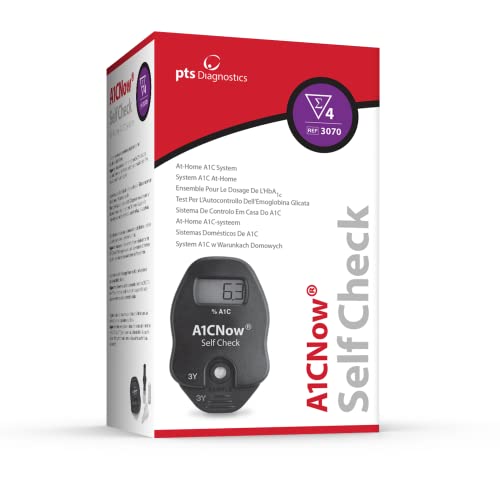
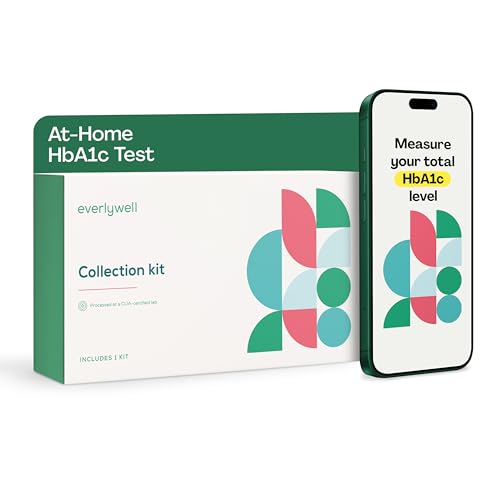
Prefer to order direct? The Everlywell HbA1c Test uses a CLIA-certified lab, physician-reviewed results, and prepaid return shipping.
What to Look For in a Continuous Glucose Monitor (CGM)
Over-the-counter CGMs like Dexcom Stelo and Abbott Lingo now sell without a prescription. Check the wear time (14–15 days per sensor), whether it reads to your phone or needs a separate device, and the monthly cost. For seeing how your own body responds to meals, a month or two is usually enough — you don't need to wear one forever.


What Makes a Good Fiber Supplement
For blood-sugar and cholesterol support you want SOLUBLE fiber — psyllium husk is the best studied. Start with one teaspoon and build up with plenty of water to avoid bloating, and take it 10–15 minutes before carb-heavy meals. Choose an unsweetened, additive-free powder or capsule.


See your glucose in real time
Frequently Asked Questions
How can you tell if you're prediabetic?
You tell if you are prediabetic with a blood test, not by symptoms. Prediabetes usually causes no clear signs, so the only reliable way to know is a fasting glucose of 100-125 mg/dL or an A1C of 5.7-6.4%. If you have risk factors such as extra midsection weight, a family history of diabetes, PCOS, or age 35 or older, ask your clinician for one of these tests.
Does prediabetes have symptoms?
Prediabetes usually has no symptoms. Most people feel completely normal, which is why more than 80% of those with prediabetes do not know they have it. When subtle signs do appear, they can include fatigue after meals, increased thirst or urination at higher glucose levels, acanthosis nigricans (dark, velvety skin patches), and skin tags. None of these confirm prediabetes on their own — only a blood test can.
What are the signs of prediabetes in women?
In women, prediabetes is usually silent, but polycystic ovary syndrome (PCOS) and a history of gestational diabetes raise the risk. PCOS signs that overlap with insulin resistance include irregular periods, acne, unwanted hair growth, and difficulty losing weight. These flag higher risk rather than prove prediabetes, so women with PCOS or past gestational diabetes should get regular glucose and A1C testing.
What blood sugar level is prediabetes?
Prediabetes is a fasting glucose of 100-125 mg/dL or an A1C of 5.7-6.4%. Below those levels is considered normal, and a fasting glucose of 126 mg/dL or an A1C of 6.5% or higher indicates diabetes. A result in the prediabetes range should be confirmed with repeat testing and discussed with a clinician.
Can prediabetes go away without symptoms ever appearing?
Yes. Because prediabetes is usually silent, many people improve their blood sugar back toward the normal range without ever having noticed a symptom. Lifestyle changes — losing 5-7% of body weight, regular activity, and a better diet pattern — can lower blood sugar. That is why testing and follow-up matter more than waiting for how you feel to change.
Topic updates
Get the weekly metabolic health roundup
Insulin resistance, blood sugar, visceral fat, GLP-1 plateaus, metabolic syndrome, and weight-loss physiology.
Want your metabolic health handled by a physician who works from your labs? See how Opt Health does it →
Check Where You Stand
Take our free health assessment to understand your metabolic, hormonal, and recovery risk factors — and get personalized recommendations.
Take the Free Assessment →Free · Takes 5 minutes · Instant results
Related Reading
-
Insulin Resistance vs Prediabetes: Key Differences and the Progression Timeline
Continuum diagram, diagnostic thresholds, and the reversal window.
-
Prediabetes Diet
Prediabetes diet: what to eat and limit to lower blood sugar and A1C, with a sample day.
-
How to Reverse Prediabetes
How to reverse prediabetes: the evidence-ranked levers and a realistic timeline.
Affiliate disclosure: The Metabolic Journal is reader-supported. Some links above are affiliate or referral links and we may earn a commission at no extra cost to you. As an Amazon Associate we earn from qualifying purchases. Products are chosen on the merits; commissions never influence what we recommend. This is general information, not medical advice — talk to your clinician before acting.