Normal Blood Sugar Levels Are 99 mg/dL or Below for Adults
Medically reviewed by Medical Advisory Board Last reviewed 2026-09-30
The diagnostic table for normal, prediabetes and diabetes, with UK units and how each test works
Normal blood sugar levels for non-pregnant adults are a fasting plasma glucose of 99 mg/dL or below, an oral glucose tolerance test reading of 139 mg/dL or below, and an A1C under 5.7 percent. Fasting levels from 100 to 125 mg/dL indicate prediabetes, while fasting readings of 126 mg/dL or higher signal diabetes. NIDDK says a doctor will usually use a second test to confirm diabetes.
For adults who are not pregnant, the National Institute of Diabetes and Digestive and Kidney Diseases (NIDDK) gives normal blood sugar levels as a fasting plasma glucose of 99 milligrams per deciliter (mg/dL) or below, an oral glucose tolerance test (OGTT) result of 139 mg/dL or below, and a hemoglobin A1C (A1C) reading below 5.7 percent. Every guide we write starts from the published source table, and this one starts from NIDDK's. Diagnostic criteria published by the National Institute of Diabetes and Digestive and Kidney Diseases (NIDDK), quoting the American Diabetes Association (ADA), divide results into normal, prediabetes, and diabetes categories.
Fasting plasma glucose between 100 and 125 mg/dL identifies prediabetes, while a fasting result of 126 mg/dL or higher points to diabetes. NIDDK notes that your doctor will usually use a second test to confirm you have diabetes.
Partner · Opt Health
Want to know what your markers actually mean?
Opt Health publishes a guide to the 55+ biomarkers they test and what each one tells you — the same panel they run before building a treatment plan.
Read Opt Health's biomarker guide →Blood glucose measurements change depending on whether you fast, consume a standardized laboratory challenge beverage, or evaluate a multi-month average through an A1C test.
Normal Blood Sugar Levels Chart
For adults who are not pregnant, the National Institute of Diabetes and Digestive and Kidney Diseases (NIDDK) defines normal blood sugar levels as a fasting plasma glucose of 99 mg/dL or below, an oral glucose tolerance test reading of 139 mg/dL or below, and an A1C reading below 5.7 percent.
| Category | Fasting Plasma Glucose | Oral Glucose Tolerance Test (2-Hour OGTT) | Hemoglobin A1C | Random Plasma Glucose |
|---|---|---|---|---|
| Normal | 99 mg/dL or below | 139 mg/dL or below | Below 5.7% | Not listed |
| Prediabetes | 100 to 125 mg/dL | 140 to 199 mg/dL | 5.7% to 6.4% | Not listed |
| Diabetes | 126 mg/dL or above | 200 mg/dL or above | 6.5% or above | 200 mg/dL or above with symptoms |
A single elevated reading does not automatically confirm diabetes. According to NIDDK, a doctor will usually use a second test to confirm that a patient has diabetes.
When fasting plasma glucose measures between 100 and 125 mg/dL, the result falls into the prediabetes category. Prediabetes means circulating glucose is higher than the target range but not high enough for a diabetes diagnosis. Prediabetes raises the chance of type 2 diabetes. NIDDK says type 2 diabetes can be prevented.
This chart uses mg/dL and percent, as NIDDK does. The UK figures further down use mmol/L and mmol/mol.
Diagnostic Blood Tests and Preparation Rules
Four blood tests are used to check glucose: fasting plasma glucose, A1C, random plasma glucose and the oral glucose tolerance test.
The four tests differ in what they measure and how you prepare:
- Fasting plasma glucose: This blood draw measures glucose at a single point in time. For the most reliable results, testing occurs in the morning after fasting for at least 8 hours, consuming nothing but sips of water. MedlinePlus says you may need to fast if glucose is part of a basic metabolic panel (BMP) or a comprehensive metabolic panel (CMP). Ask your healthcare provider if you need to fast before your scheduled panel.
- Hemoglobin A1C: The A1C test calculates your average blood glucose over the past 3 months. The laboratory reports the result as a percentage, where a higher percentage reflects a higher average glucose level. You can eat and drink before this test. MedlinePlus states that A1C is used to diagnose prediabetes and diabetes. Most people with diabetes take an A1C test at least twice a year.
- Oral glucose tolerance test (OGTT): After fasting for at least 8 hours, staff draw a baseline blood sample. You then drink a sugary drink, followed by a second blood draw 2 hours later. NIDDK notes that an OGTT costs more and is harder to administer than a standard fasting test.
- Random plasma glucose: A technician draws blood at any time of day regardless of when you last ate. Random plasma glucose testing is used when there are symptoms of high blood sugar. A random reading of 200 mg/dL or above, with symptoms, is in the diabetes range.
Blood Sugar Levels After Meals
Diagnostic guidelines from NIDDK and MedlinePlus do not define a normal post-meal blood sugar range for non-diabetic adults following an ordinary meal.
Many people look for an after-meal blood sugar target. The sources here give only the OGTT 2-hour number. The 2-hour cutoff of 139 mg/dL or below applies to an oral glucose tolerance test, taken 2 hours after a sugary drink.
For people already diagnosed with diabetes, the National Health Service (NHS) publishes home monitoring benchmarks. The NHS gives a home test reading over 11 mmol/L, taken at least 90 minutes after eating, as high. However, the NHS notes that these blood sugar levels are a guide, and individual targets vary based on age and diabetes type.
To explore how dietary patterns influence post-prandial readings, review our resources on how food affects blood sugar and the management of glucose spikes. Always speak with your doctor to determine appropriate individual targets.
Low Blood Sugar Thresholds and Symptoms
Blood sugar is classified as low when glucose levels fall below what is healthy for your body, which NIDDK defines for many people with diabetes as a reading under 70 mg/dL.
Personal numbers vary, so you should check with your healthcare provider to establish your specific low-glucose threshold. MedlinePlus explains that low blood glucose, called hypoglycemia, is less common in people who do not have diabetes. You can read more in our guides on hypoglycemia and navigating a blood sugar crash.
MedlinePlus warns that severe low blood glucose can cause seizures and brain damage without treatment.
United Kingdom Blood Sugar Levels and Targets
The United Kingdom National Health Service outlines specific high blood sugar benchmarks for individuals with diabetes using millimoles per liter and millimoles per mole.
The NHS identifies high blood sugar for people with diabetes using the following parameters:
- HbA1c test: 48 millimoles per mole (mmol/mol) or over, which equals 6.5 percent.
- Fasting glucose test: over 7 millimoles per liter (mmol/L).
- Home test upon waking or before eating: over 7 mmol/L.
- Home test at least 90 minutes after eating: over 11 mmol/L.
The NHS says these blood sugar levels are a guide. Your personal targets may be different depending on your age and the type of diabetes you have. Work directly with your healthcare provider to determine your individual ranges.
Screening Frequency and Risk Factors
NIDDK says experts recommend routine type 2 diabetes testing for people with risk factors, and MedlinePlus says the American Diabetes Association recommends screening beginning at age 35.
NIDDK lists these risk factors for routine type 2 diabetes testing:
- Being age 35 or older.
- Identifying with high-risk racial or ethnic groups, including American Indian, Black or African American, Asian American, Hispanic or Latino, or Pacific Islander populations.
- Living with overweight or obesity alongside another clinical risk factor.
- Having a personal history of gestational diabetes during pregnancy.
NIDDK gives different retesting intervals depending on the result. NIDDK recommends that people with normal results should be retested every 3 years. When test results show prediabetes, adults and children should be tested for type 2 diabetes every year. Prediabetes raises the chance of type 2 diabetes. NIDDK says type 2 diabetes can be prevented. For detailed guidance on preventing progression, see our guides on how to reverse prediabetes and recognizing prediabetes symptoms.
The NHS notes that type 2 diabetes is diagnosed with a blood test checking glucose levels, and test results usually take a few days. Not everyone with type 2 diabetes has symptoms, so the NHS says it is important to get checked.
Variables That Alter Test Interpretation
Pregnancy, hemoglobin variants, and the type of test can change how a blood sugar result is read.
Standard diagnostic cutoffs do not fit every clinical scenario. NIDDK explains that some blood tests use different cutoffs during pregnancy. Gestational diabetes screening happens between 24 and 28 weeks of pregnancy and can use a glucose challenge test. During this test, a medical professional draws blood 1 hour after you consume a sweet drink, and no prior fasting is needed. If gestational diabetes is found, NIDDK says to test again after birth, usually within 12 weeks.
NIDDK reports that hemoglobin variants can interfere with A1C testing. If your A1C percentage and your blood glucose readings do not match, the A1C test may not be reliable for you. Additionally, MedlinePlus emphasizes that high glucose readings can stem from health conditions other than diabetes or prediabetes. MedlinePlus says the meaning of your results will depend on which test you had, the results of other tests, and your medical history.
Who this is not for: The chart above covers adults who are not pregnant, since some tests use different cutoffs in pregnancy. If you have a hemoglobin variant, the A1C may not be reliable for you.
What would change our answer: These numbers come from the ADA table as published by NIDDK and would change if that table is revised; your clinician may also set different individual targets for you.
To check your own numbers, ask your healthcare provider about a fasting plasma glucose or A1C test.
How to test metabolic markers at home
You don't need a lab appointment to check your own metabolic markers — a few at-home kits mail you a collection kit and return physician-reviewed results online within days:
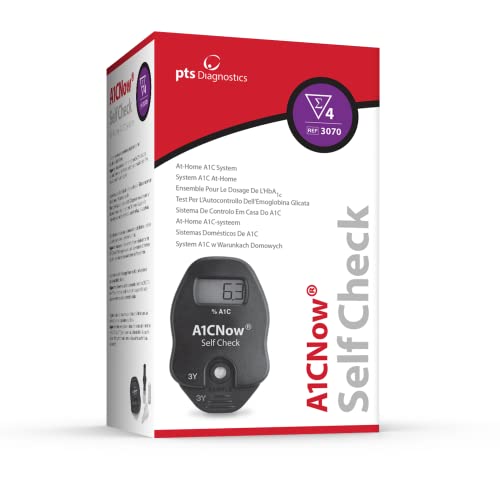
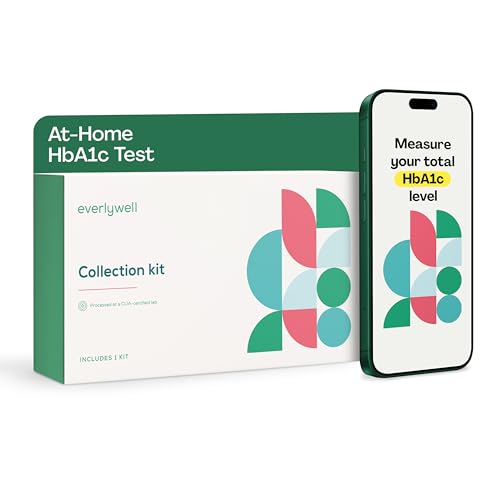
Prefer to order direct? The Everlywell HbA1c Test uses a CLIA-certified lab, physician-reviewed results, and prepaid return shipping.
What to Look For in a Continuous Glucose Monitor (CGM)
Over-the-counter CGMs like Dexcom Stelo and Abbott Lingo now sell without a prescription. Check the wear time (14–15 days per sensor), whether it reads to your phone or needs a separate device, and the monthly cost. For seeing how your own body responds to meals, a month or two is usually enough — you don't need to wear one forever.


What Makes a Good Berberine Supplement
Berberine is studied for blood-sugar and lipid support, usually at 500 mg two to three times a day with meals (it clears quickly, so doses are split). It can interact with medications — especially diabetes drugs — so clear it with your doctor first. Look for standardized berberine HCl, third-party tested; dihydroberberine is a newer, better-absorbed form.


Frequently Asked Questions
What is a normal blood sugar level?
For adults who are not pregnant, a normal blood sugar level is defined by the National Institute of Diabetes and Digestive and Kidney Diseases (NIDDK) as a fasting plasma glucose of 99 mg/dL or below, an oral glucose tolerance test reading of 139 mg/dL or below at 2 hours. A hemoglobin A1C below 5.7 percent. Results between these normal cutoffs and diabetes thresholds fall into the prediabetes category.
What is a normal fasting blood sugar level?
A normal fasting blood sugar level is 99 mg/dL or below when measured after fasting for at least 8 hours, according to diagnostic criteria from NIDDK. Fasting readings between 100 and 125 mg/dL indicate prediabetes, while fasting levels of 126 mg/dL or above indicate diabetes.
What is a normal blood sugar level after eating?
Standard clinical guidelines from NIDDK and MedlinePlus do not establish a normal blood sugar range for non-diabetic adults following an ordinary meal. In controlled diagnostic testing, an oral glucose tolerance test result of 139 mg/dL or below is considered normal 2 hours after a glucose drink. For individuals diagnosed with diabetes, the United Kingdom National Health Service considers a home reading over 11 mmol/L high when tested at least 90 minutes after eating. Consult your physician to determine appropriate individual targets.
What blood sugar level is prediabetes?
Prediabetes is diagnosed when a fasting plasma glucose test measures between 100 and 125 mg/dL, when an oral glucose tolerance test measures between 140 and 199 mg/dL at 2 hours, or when an A1C test measures between 5.7 percent and 6.4 percent, based on NIDDK diagnostic standards. Adults and children with prediabetes should be tested for type 2 diabetes every year.
What blood sugar level is considered diabetes?
Diabetes is diagnosed when a fasting plasma glucose test reaches 126 mg/dL or above, when an oral glucose tolerance test reaches 200 mg/dL or above at 2 hours, when an A1C test reaches 6.5 percent or above, or when a random plasma glucose test reaches 200 mg/dL or above in the presence of symptoms. NIDDK states that doctors usually use a second test to confirm the diagnosis.
What blood sugar level is too low?
Blood sugar is considered too low when it drops below what is healthy for your body, which NIDDK defines for many people with diabetes as a reading under 70 mg/dL. MedlinePlus notes that low blood sugar is less common in people without diabetes, but severe untreated hypoglycemia can cause seizures and brain damage.
Topic updates
Get the weekly lab marker roundup
Blood test interpretation, optimal ranges, fasting insulin, A1C, thyroid panels, testosterone, cortisol, and nutrient markers.
Want biomarkers handled by a physician who works from your labs? See how Opt Health does it →
Check Where You Stand
Take our free health assessment to understand your metabolic, hormonal, and recovery risk factors — and get personalized recommendations.
Take the Free Assessment →Free · Takes 5 minutes · Instant results
Related Reading
← Back to Testing & Biomarkers
-
Ferritin Levels: Normal Range by Lab, What Low Ferritin Means, Symptoms, and the Hair Loss Question
Ferritin levels: normal range by lab, what low ferritin means, symptoms, and the hair loss question.
-
CRP and hs-CRP Blood Test: Inflammation Levels, Cardiovascular Risk, and What's Normal
CRP / hs-CRP: inflammation marker, cardiovascular risk tiers, and what to do.
-
Iron Blood Test: Ferritin, TIBC, and Iron Saturation Explained
Iron panel: ferritin, TIBC, saturation — diagnosing deficiency and overload.
See more related reading
-
Vitamin D Blood Test: Optimal Levels, Deficiency Symptoms, and Updated Guidelines
Vitamin D levels: the 2024 Endocrine Society guidelines and what to supplement.
-
MPV Blood Test: What Mean Platelet Volume Means When It's High or Low
MPV: what mean platelet volume reveals about platelet production and disease.
-
Magnesium Levels: Normal Range, Low Magnesium Symptoms, and High Magnesium Causes
Magnesium levels: normal range, low magnesium symptoms, and high magnesium causes.
-
High Potassium Levels (Hyperkalemia): Normal Range, Causes, Symptoms, and When It Is Urgent
High potassium levels: normal range, causes, symptoms, and when hyperkalemia is urgent.
-
Vitamin B12 Levels: Normal Range, Deficiency Symptoms, and Testing
Vitamin B12 levels: normal range, deficiency causes, neurological symptoms, and treatment.
Affiliate disclosure: The Metabolic Journal is reader-supported. Some links above are affiliate or referral links and we may earn a commission at no extra cost to you. As an Amazon Associate we earn from qualifying purchases. Products are chosen on the merits; commissions never influence what we recommend. This is general information, not medical advice — talk to your clinician before acting.