How Food Affects Blood Sugar: A Factor-by-Factor Guide
Medically reviewed by Medical Advisory Board Last reviewed 2026-08-12
What actually moves your glucose after a meal, and what the evidence says about each lever
Blood sugar rises after any meal containing carbohydrate, but how much and how fast depends on more than the carb count alone: the glycemic index of the food, how much fiber, protein, and fat come with it, the order you eat things in, and whether you move afterward. Normal fasting glucose is under 100 mg/dL and a normal two-hour post-meal reading is under 140 mg/dL by American Diabetes Association (ADA) criteria; this guide breaks down the specific, evidence-backed levers that keep readings in that range.
Every meal that contains carbohydrate raises blood sugar to some degree. That's normal physiology and not a problem on its own. What varies enormously is how high and how quickly blood sugar rises. A growing body of research shows that the details of a meal matter just as much as its total calories or carbohydrate. This guide explains the specific factors that change a food's effect on blood sugar, in the order they matter most, along with the evidence behind each one.
If you're managing a specific diagnosis, the more targeted guides on this site, prediabetes diet, insulin resistance diet, and insulin resistance meal plan, build a full eating plan around these principles. This page serves as a general reference for how food itself changes glucose, whether or not you have a diagnosed condition. Before making a significant, sustained change to your diet, talk to your doctor or a dietitian, particularly if you manage blood sugar with medication.
Partner · Opt Health
Want a clinician to work up your metabolic numbers?
Opt Health runs fasting insulin, A1C, a full lipid panel and 50+ other markers, then builds a treatment plan — GLP-1s included where they're appropriate — with a physician who reviews the data with you directly.
See Opt Health's metabolic program →What a Normal Blood Sugar Response Looks Like
The American Diabetes Association (ADA) defines a normal fasting glucose as under 100 mg/dL, with 100–125 mg/dL classified as prediabetes and 126 mg/dL or higher (on repeated testing) as diabetes. For the two-hour reading after a standardized glucose load (the oral glucose tolerance test), normal is under 140 mg/dL, prediabetes is 140–199 mg/dL, and diabetes is 200 mg/dL or higher. A real meal isn't a standardized glucose load, so day-to-day post-meal numbers vary more than an OGTT result, but these thresholds are the reference point clinicians use.
In someone without insulin resistance, blood sugar after a typical mixed meal usually peaks within 45–90 minutes and returns close to baseline within two to three hours. A pattern of high peaks, or a slow return to baseline that a continuous glucose monitor (CGM) makes visible in a way finger-stick testing rarely does, is one of the earliest signals of developing insulin resistance, often years before fasting glucose or HbA1c move out of range. See our glucose spikes and blood sugar crash guides for what those patterns feel like and when they're worth investigating further.
Glycemic Index and Glycemic Load: Not All Carbs Are Equal
The glycemic index (GI), first developed by Dr. David Jenkins and colleagues at the University of Toronto in 1981, ranks how much a fixed amount of a carbohydrate-containing food raises blood sugar compared to pure glucose. White bread and instant rice sit high on the scale; steel-cut oats, lentils, and most non-starchy vegetables sit low. The related concept, glycemic load (GL), adjusts GI for the actual portion size you eat, which matters because a food can have a high GI but a low GL if you only eat a small amount of it (watermelon is the classic example).
GI and GL are useful for comparing foods within the same category, but they describe the food eaten alone under lab conditions, not the mixed meal you actually eat, which is where the next few factors come in.
Fiber, Protein, and Fat: Why Pairing Changes the Response
Soluble fiber forms a gel in the digestive tract that physically slows how fast carbohydrate is absorbed, flattening the glucose curve compared to eating the same carbohydrate stripped of its fiber (fruit juice versus whole fruit is the clearest everyday example). Protein and fat slow gastric emptying, the rate food leaves the stomach, which spreads out the delivery of carbohydrate into the bloodstream and reduces the height of the resulting glucose peak, even when the total carbohydrate in the meal doesn't change.
This is why the same amount of carbohydrate produces a noticeably different glucose response depending on what it's eaten with: white rice eaten alone typically produces a sharper peak than the same rice eaten alongside protein, vegetables, and a fat source. This is also the physiological logic behind lower-carbohydrate approaches generally, since reducing the total carbohydrate load reduces the raw material available to raise glucose in the first place, a more direct lever than pairing alone.
Meal Sequencing and Post-Meal Movement, Briefly
Two well-studied behavioral levers deserve a mention here, though the specific research is detailed in a dedicated guide rather than repeated in full: eating protein and vegetables before carbohydrate at the same meal (rather than carbohydrate first) has been shown to lower post-meal glucose and insulin excursions even when the meal's total content is identical, and light activity after eating, even just a short walk, increases glucose uptake by working muscle on top of insulin's own effect. Neither requires a new food, just a change in order or timing. For the full evidence and a step-by-step before/during/after routine built around both, see our guide to eating in a way that blunts post-meal blood sugar spikes.
Putting It Together: Where to Start
None of these factors need to be perfect at once. Reducing refined-carbohydrate and added-sugar intake matters most, since it lowers the total glucose load a meal has to handle in the first place; pairing remaining carbohydrate with fiber, protein, and fat flattens the curve on what's left; and the meal-order and post-meal-walk levers above add further, no-new-food reductions. Sleep and stress also shift next-day glucose responses independent of what you eat: a poorly slept night measurably raises insulin resistance the following day, which is why glucose management can't be reduced to food choices alone.
If you want to see how your own meals actually behave rather than relying on population averages, a continuous glucose monitor makes the factors above visible in real time. For a fuller workup of where your blood sugar stands today, see our HbA1c guide and the broader metabolic health overview, or take the free health assessment to map your symptoms against the factors most likely to be driving them.
How to test metabolic markers at home
You don't need a lab appointment to check your own metabolic markers — a few at-home kits mail you a collection kit and return physician-reviewed results online within days:
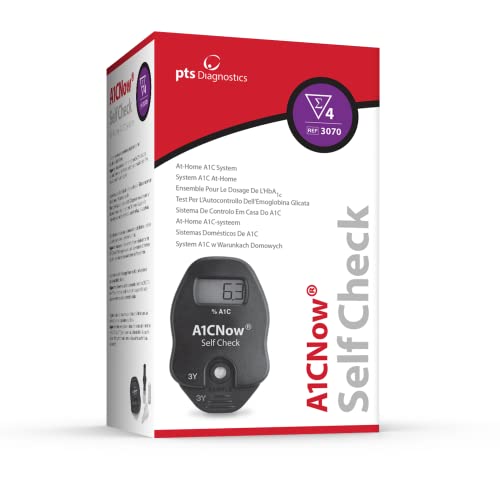
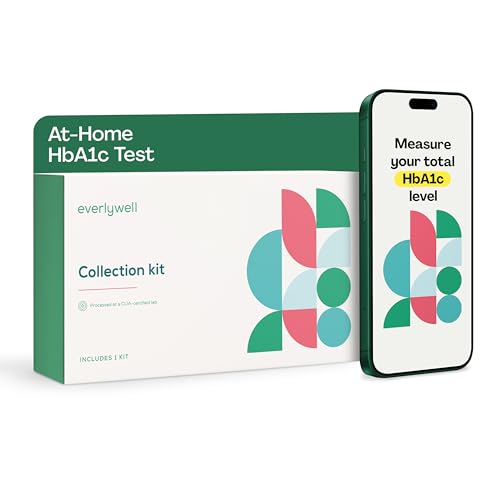
Prefer to order direct? The Everlywell HbA1c Test uses a CLIA-certified lab, physician-reviewed results, and prepaid return shipping.
What to Look For in a Continuous Glucose Monitor (CGM)
Over-the-counter CGMs like Dexcom Stelo and Abbott Lingo now sell without a prescription. Check the wear time (14–15 days per sensor), whether it reads to your phone or needs a separate device, and the monthly cost. For seeing how your own body responds to meals, a month or two is usually enough — you don't need to wear one forever.


What Makes a Good Fiber Supplement
For blood-sugar and cholesterol support you want SOLUBLE fiber — psyllium husk is the best studied. Start with one teaspoon and build up with plenty of water to avoid bloating, and take it 10–15 minutes before carb-heavy meals. Choose an unsweetened, additive-free powder or capsule.


Frequently Asked Questions
What foods spike blood sugar the fastest?
Refined carbohydrates eaten with little fiber, protein, or fat spike blood sugar fastest: white bread, white rice, sugary drinks, and pastries are common examples. High-glycemic-index foods eaten alone produce a sharper, faster glucose rise than the same carbohydrate eaten as part of a mixed meal with fiber and protein.
Does eating order really change blood sugar?
Research from Weill Cornell Medicine, published in Diabetes Care in 2015, found that eating vegetables and protein before carbohydrate at the same meal produced significantly lower post-meal glucose and insulin responses in people with type 2 diabetes, compared to eating the carbohydrate first, even though the meal's total content was identical.
Does walking after a meal actually lower blood sugar?
Yes. Light activity after eating, even just walking, increases glucose uptake by working muscle through a pathway that doesn't fully depend on insulin. Studies on post-meal walking consistently find lower glucose excursions compared to sitting after the same meal, with the effect generally stronger the sooner the walk starts.
What is a normal blood sugar reading after eating?
By ADA criteria based on a standardized oral glucose tolerance test, a normal two-hour post-meal reading is under 140 mg/dL, with 140-199 mg/dL classified as prediabetes and 200 mg/dL or higher as diabetes. A real mixed meal isn't a standardized glucose load, so day-to-day readings vary more than a formal test, but these are the clinical reference thresholds.
Topic updates
Get the weekly metabolic health roundup
Insulin resistance, blood sugar, visceral fat, GLP-1 plateaus, metabolic syndrome, and weight-loss physiology.
Want your metabolic health handled by a physician who works from your labs? See how Opt Health does it →
Check Where You Stand
Take our free health assessment to understand your metabolic, hormonal, and recovery risk factors — and get personalized recommendations.
Take the Free Assessment →Free · Takes 5 minutes · Instant results
Related Guides
-
Low-carb Snacks for Blood Sugar
Low-carb snacks and dips that keep blood sugar steady, with the meal-sequencing research behind the picks.
-
Blood Sugar and Skin Aging
How glycation and insulin resistance accelerate visible skin aging, and what the evidence says about reversing it.
-
Gum Disease and Blood Sugar: the Two-way Link
The bidirectional link between gum disease and blood sugar, and what periodontal treatment does to A1C.
See more related guides
-
Blood Sugar Crash: Why It Happens and How to Stop It
Reactive hypoglycemia: causes, symptoms, and how to stabilize glucose.
-
Fatigue After Eating Normal Blood Sugar
Tired after eating with normal blood sugar: the vagal, reactive-hypoglycemia, and meal-composition mechanisms.
-
How to Lower Blood Pressure: the Measured mmHg Drops From DASH, Sodium, Weight, Exercise and Alcohol, and When a Reading Is an Emergency
How to lower blood pressure: the measured mmHg drops from DASH, sodium, weight, exercise and alcohol, and when a reading is an emergency.
-
What Is Sugar and Metabolic Health
What sugar is: monosaccharides vs. disaccharides, natural vs. added sugar, and the glucose-vs-fructose metabolic difference.
-
High Blood Pressure VA Disability Rating: Tiers, Rules, and Evidence
How the VA rates hypertension as a service-connected disability under Diagnostic Code 7101, the tiers, and PACT Act presumptive connection.
Affiliate disclosure: The Metabolic Journal is reader-supported. Some links above are affiliate or referral links and we may earn a commission at no extra cost to you. As an Amazon Associate we earn from qualifying purchases. Products are chosen on the merits; commissions never influence what we recommend. This is general information, not medical advice — talk to your clinician before acting.