Tired After Eating With Normal Blood Sugar: Why It Happens
Medically reviewed by Medical Advisory Board Last reviewed 2026-08-21
You checked your glucose and it came back fine, but you still crash after meals. Here is the non-diabetic mechanism that usually explains it.
A normal fingerstick or lab glucose reading does not rule out real post-meal fatigue. Eating activates the parasympathetic nervous system directly, independent of blood sugar, and some people also get a genuine glucose dip that never crosses into a clinically low number. This guide covers the vagal/parasympathetic response, why the tryptophan-serotonin explanation is weaker than commonly assumed, reactive dips inside the normal range, meal composition and glycemic load, and dehydration and sleep debt as amplifiers.
This article is for information only and is not medical advice. Talk to a clinician about your symptoms, especially if the fatigue is severe, sudden, or paired with a racing heart, sweating, or confusion.
A normal finger-stick or lab glucose reading does not rule out a post-meal crash. Plenty of people feel foggy, heavy-eyed, or flat within an hour of eating, only to check their blood sugar and find a completely ordinary number. The gap between the reading and the symptom is real, and it points to a mechanism most routine visits never explain: how a meal affects your nervous system, not just your glucose level.
Partner · Opt Health
Tired of being told your labs are “normal”?
Opt Health's energy workup goes past the standard panel — thyroid antibodies, free T3, ferritin, B12, testosterone, cortisol, inflammation — and a physician walks you through what's actually driving the fatigue.
See Opt Health's energy program →If you haven't already ruled out the basics, our fatigue after eating guide explains the standard insulin-and-glucose reasons for post-meal tiredness. This page picks up where that guide leaves off: what's going on when the glucose number itself looks fine.
What 'Normal' Blood Sugar Actually Means
Normal blood sugar is a range, not a single number, and one fingerstick check only captures a single moment inside it. The American Diabetes Association defines a normal fasting glucose as under 100 mg/dL, and a normal reading one to two hours after eating as under 140 mg/dL for someone without diabetes.
A reading of 95 mg/dL fasting and a reading of 135 mg/dL an hour after a large plate of pasta are both "normal" by that standard. They still describe very different moments in how your body handled the meal. Symptoms often track the shape of that rise and fall, not just whether the number stays under the diabetes cutoff.
That is why a single normal reading, taken at the wrong moment, can miss the swing that is actually making you tired.
The Vagal Shift: Why Eating Itself Triggers Drowsiness
Eating activates the parasympathetic nervous system directly, independent of what happens to your glucose. The vagus nerve carries satiety signals from the gut to the brain, and that vagal activity, along with a cascade of gut hormones released after a meal, appears to be the dominant driver of after-meal sleepiness. A study on the mechanisms of postprandial drowsiness found that metabolic state and vagal stimulation explained the pattern better than a rise in brain serotonin did.
A 2025 study in Nature Communications traced this pathway directly in mice: sensory neurons in the vagus nerve activate a cluster of brainstem cells that promote sleep after a meal. That route operates whether or not blood sugar moves much at all.
A completely normal glucose reading does not rule out a real, physiological reason for the crash. Your body can downshift into a rest-and-digest state simply because food entered your stomach.
The Tryptophan-Serotonin Myth: A Smaller Piece Than People Think
Tryptophan from food converts to serotonin in the brain, and many popular explanations for post-meal sleepiness stop there. They treat rising serotonin as the reason a meal makes you drowsy.
The same postprandial-drowsiness research that traced the vagal pathway tested this idea directly. Drowsiness did not rise and fall in proportion to serotonin levels, and serotonin tends to promote wakefulness more than sleep. Metabolic state and vagal signaling explained the pattern far better than the tryptophan-serotonin story on its own.
So if you have read that a high-carb lunch flooded your brain with sleep-inducing serotonin, the research says that is an oversimplification. The nervous-system response to eating matters more, whether the meal leaned heavy on carbs, protein, or fat.
Reactive Dips That Don't Show Up as "Low" on a Standard Test
Reactive hypoglycemia describes a glucose dip that happens two to five hours after eating, and it can trigger real symptoms without ever crossing into a clinically low number. A study characterizing this pattern found that fasting glucose was nearly identical between people with and without reactive symptoms, averaging close to 98.5 mg/dL in both groups. The difference showed up only in the shape of the post-meal curve, not the starting point.
In that same study, a quarter of participants reported hypoglycemia-like symptoms, shakiness, fog, sudden fatigue, with no significant drop in glucose at all. Whatever triggers the symptom in those cases is not fully captured by the reading itself. That is part of why "my blood sugar is normal" and "I feel awful after eating" are not contradictory statements.
Meal Composition and Glycemic Load, Even at a Normal Fasting Number
The size and makeup of a meal changes how sharply glucose rises after eating, regardless of what your fasting number looked like that morning. A trial comparing higher-protein, higher-fiber breakfasts against a standard higher-carbohydrate breakfast found lower post-meal glucose peaks and a smaller overall glucose response in the protein-and-fiber group, measured with continuous monitoring in overweight adults.
Glycemic load factors in both how fast a carbohydrate raises blood sugar and how much of it you actually ate. It tends to predict the size of a post-meal swing better than glycemic index alone. A large plate of white rice and a small side of it can share the same glycemic index but carry very different loads, and very different odds of a crash afterward.
None of this requires an abnormal glucose result. A sharper rise followed by a steeper fall, both still inside a normal range, can feel like a wall of fatigue thirty to ninety minutes later.
Three "Normal Blood Sugar" Crashes, Side by Side
These mechanisms overlap in real life, but they tend to feel different. Telling them apart helps you know what to try first.
| Mechanism | What triggers it | When it usually hits | What tends to help |
|---|---|---|---|
| Vagal/parasympathetic shift | Almost any large meal, regardless of what is in it | 20 to 60 minutes after eating | Smaller portions, a short walk after eating |
| Reactive dip inside the normal range | High-glycemic-load meals, especially refined carbs or sugar | 2 to 5 hours after eating | Pairing carbs with protein and fiber, smaller carb portions |
| Meal-composition glucose swing | A large glycemic load, even with a normal fasting number | 30 to 90 minutes after eating | Lower glycemic load, protein-forward meals |
Two Amplifiers Easy to Miss: Dehydration and Sleep Debt
Dehydration and short sleep do not cause post-meal fatigue on their own, but both make an ordinary post-meal dip feel worse. In a controlled trial, mild dehydration, a body-water loss under 2 percent, was enough to increase reported fatigue and reduce vigilance and working memory in adult men. The effect on mood and fatigue was even larger in women in follow-up research.
Sleep changes how your body handles the next meal, too. A study of postprandial glucose control found that poorer sleep quality and a later bedtime were linked to a larger, more prolonged glucose rise after breakfast the following morning.
Running on six hours of sleep and skipping water all morning gives an otherwise ordinary lunch two extra strikes against it before the meal itself does anything.
When to Get It Checked Anyway
A single normal reading is reassuring, but it is not the same as ruling out a pattern over time. If the fatigue is severe, happens after nearly every meal, or comes with a racing heart, sweating, or confusion, ask a clinician about a fasting insulin test or a short continuous glucose monitor trial.
Fasting insulin can climb years before glucose itself drifts out of range, which is the core idea behind insulin resistance. If the pattern looks more like a sharp crash with shakiness and irritability than plain sleepiness, our blood sugar crash guide covers reactive hypoglycemia symptoms and stabilization steps in more depth.
A normal glucose reading and real post-meal fatigue can both be true at once. Most of the time, the mechanism is nervous-system and meal-composition driven, not a glucose problem a fingerstick would catch.
How to test metabolic markers at home
You don't need a lab appointment to check your own metabolic markers — a few at-home kits mail you a collection kit and return physician-reviewed results online within days:
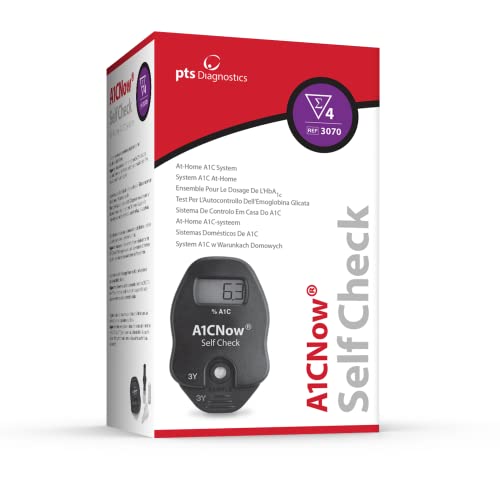
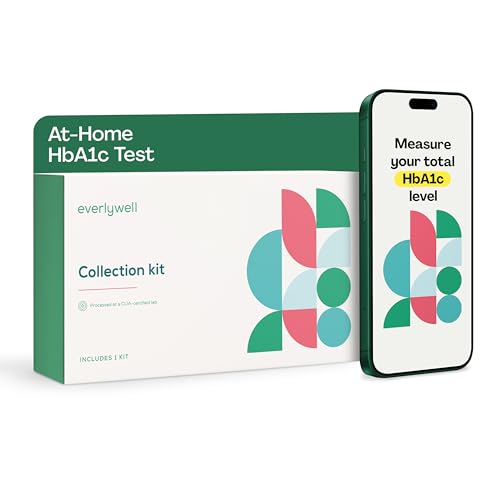
Prefer to order direct? The Everlywell HbA1c Test uses a CLIA-certified lab, physician-reviewed results, and prepaid return shipping.
What to Look For in a Continuous Glucose Monitor (CGM)
Over-the-counter CGMs like Dexcom Stelo and Abbott Lingo now sell without a prescription. Check the wear time (14–15 days per sensor), whether it reads to your phone or needs a separate device, and the monthly cost. For seeing how your own body responds to meals, a month or two is usually enough — you don't need to wear one forever.


What Makes a Good Fiber Supplement
For blood-sugar and cholesterol support you want SOLUBLE fiber — psyllium husk is the best studied. Start with one teaspoon and build up with plenty of water to avoid bloating, and take it 10–15 minutes before carb-heavy meals. Choose an unsweetened, additive-free powder or capsule.


Frequently Asked Questions
Why am I tired after eating even though my blood sugar is normal?
Eating triggers a parasympathetic, rest-and-digest shift through the vagus nerve regardless of your glucose level, and that shift is the leading explanation for after-meal sleepiness. Some people also get a reactive glucose dip or a glycemic-load swing that stays inside the normal range but is still large enough to feel like a crash.
Can you have reactive hypoglycemia with a normal blood sugar test?
Yes. Research on reactive hypoglycemia found that fasting glucose looked essentially the same in people with and without symptoms, and a quarter of symptomatic participants had no significant glucose drop at all. The shape of the post-meal curve matters more than the fasting number.
Why does fatigue after eating sugar or carbs feel worse than after other foods?
High-glycemic-load meals, sugar and refined carbs in particular, produce a sharper glucose rise and a steeper fall than meals with more protein and fiber. That bigger swing tends to produce a bigger crash, even when both the pre-meal and post-meal readings stay in a normal range.
Does dehydration make post-meal fatigue worse?
Yes. Mild dehydration on its own has been shown to increase fatigue and reduce concentration, so a dehydrated start to the day stacks on top of whatever the meal itself is doing. Drinking water before and with meals is a low-effort first check.
Does poor sleep make blood sugar crashes worse the next day?
It can. Studies on postprandial glucose control link poorer sleep quality and later bedtimes to a larger, longer glucose rise after the next morning's meal, which gives that meal more room to swing and crash afterward.
When should I worry about fatigue after eating?
Bring it up with a clinician if the fatigue is severe, happens after almost every meal, or comes with a racing heart, sweating, shakiness, or confusion. A fasting insulin test or a short continuous glucose monitor trial can catch patterns that a single normal fingerstick misses.
Topic updates
Get the weekly metabolic health roundup
Insulin resistance, blood sugar, visceral fat, GLP-1 plateaus, metabolic syndrome, and weight-loss physiology.
Want your energy handled by a physician who works from your labs? See how Opt Health does it →
Check Where You Stand
Take our free health assessment to understand your metabolic, hormonal, and recovery risk factors — and get personalized recommendations.
Take the Free Assessment →Free · Takes 5 minutes · Instant results
Related Reading
-
Fatigue After Eating: Why Food Makes You Tired
Post-meal fatigue explained — insulin, glucose, and the gut-brain axis.
-
Blood Sugar Crash: Why It Happens and How to Stop It
Reactive hypoglycemia: causes, symptoms, and how to stabilize glucose.
-
How Food Affects Blood Sugar
How food changes blood sugar: normal thresholds, glycemic index/load, and the fiber/protein/fat pairing mechanism.
See more related reading
-
Low-carb Snacks for Blood Sugar
Low-carb snacks and dips that keep blood sugar steady, with the meal-sequencing research behind the picks.
-
Blood Sugar and Skin Aging
How glycation and insulin resistance accelerate visible skin aging, and what the evidence says about reversing it.
-
Gum Disease and Blood Sugar: the Two-way Link
The bidirectional link between gum disease and blood sugar, and what periodontal treatment does to A1C.
-
Insulin Resistance Normal Weight
Insulin resistance at a normal weight (lean/TOFI): why BMI and A1C miss it and the tests that catch it.
-
How to Lower Blood Pressure: the Measured mmHg Drops From DASH, Sodium, Weight, Exercise and Alcohol, and When a Reading Is an Emergency
How to lower blood pressure: the measured mmHg drops from DASH, sodium, weight, exercise and alcohol, and when a reading is an emergency.
Affiliate disclosure: The Metabolic Journal is reader-supported. Some links above are affiliate or referral links and we may earn a commission at no extra cost to you. As an Amazon Associate we earn from qualifying purchases. Products are chosen on the merits; commissions never influence what we recommend. This is general information, not medical advice — talk to your clinician before acting.