Insulin Resistance at a Normal Weight: Signs & Tests
Medically reviewed by Medical Advisory Board Last reviewed 2026-07-17
You can be thin and insulin resistant — the TOFI pattern, the signs standard checkups miss, and the two blood tests that actually catch it
Insulin resistance at a normal weight is real and routinely missed: fat stored around the organs (visceral fat) drives insulin resistance even in people whose BMI looks fine — the pattern researchers call TOFI, thin outside, fat inside. Standard screening compounds the miss, because fasting glucose and A1C stay normal for years while insulin quietly climbs. A fasting insulin test and the HOMA-IR calculation catch it early, and the fixes work just as well at a normal weight.
You don't have to be overweight to be insulin resistant. Insulin resistance depends less on total body weight than on where fat is stored and how your muscles handle glucose. A body with a normal BMI can still carry substantial fat around the liver and other organs, even while looking lean in the mirror. Researchers call this pattern TOFI: thin outside, fat inside.
The practical problem is that normal-weight insulin resistance is the version most likely to go undetected. Clinicians screen less aggressively when weight looks fine, and the standard tests — fasting glucose and A1C — stay normal for years while the pancreas compensates by producing more insulin. By the time glucose rises into the prediabetes range, the underlying problem has often been running for a decade. This page covers why it happens, the signs to watch for, and the tests that catch it early. For the condition itself — mechanisms, stages, and reversal — start with our insulin resistance hub.
Partner · Opt Health
Want insulin resistance treated, not just named?
Opt Health tests fasting insulin and HOMA-IR — the markers most panels skip — and treats the resistance itself with a physician-built plan rather than waiting for glucose to drift into the diabetic range.
Read Opt Health on insulin resistance →Can You Be Skinny and Insulin Resistant?
Yes — normal-weight adults can be insulin resistant, because the disease tracks visceral fat and muscle metabolism, not the number on the scale. Several well-documented reasons explain how a lean-looking body ends up insulin resistant:
- Visceral fat hides. Fat packed around the liver, pancreas, and intestines is far more metabolically harmful than fat under the skin — it releases inflammatory signals and free fatty acids directly into the liver's blood supply. A person can carry enough of it to drive insulin resistance while their BMI and even their waistline look unremarkable.
- Low muscle mass lowers glucose disposal. Muscle is where most post-meal glucose goes. A 'skinny' body with little muscle — sometimes called normal-weight obesity or skinny fat — has less capacity to clear glucose, so insulin has to work harder.
- Genetics set the storage threshold. Family history of type 2 diabetes, and ancestry — including South Asian and East Asian backgrounds, where insulin resistance appears at lower BMIs — shift risk substantially. Our genetics FAQ covers how much is inherited.
- Conditions and life stages contribute. PCOS in lean women, chronic sleep deprivation, high stress, sedentary work, and the hormonal shifts of perimenopause can all produce insulin resistance without weight gain.
The takeaway: a normal BMI rules out nothing. If the signs or the family history fit, the tests below settle the question cheaply.
Signs of Insulin Resistance When Your Weight Looks Fine
The signs of normal-weight insulin resistance are the same as at any weight — they are just easier to dismiss when the scale looks fine. Patterns worth taking seriously:
- Belly fat that resists a thin frame — a soft midsection or growing waist on otherwise slim limbs is the classic visceral-fat signature.
- Energy crashes after meals, especially carbohydrate-heavy ones — covered in depth in our fatigue after eating guide.
- Strong sugar and carb cravings and feeling shaky or irritable between meals.
- Skin signs — darkened, velvety patches at the neck or armpits (acanthosis nigricans) and skin tags are direct markers of high insulin.
- Lab hints hiding in plain sight — rising triglycerides, falling HDL, creeping blood pressure, or an elevated liver enzyme (a fatty-liver hint) on routine panels, all with 'normal' glucose.
- For women: irregular cycles or a PCOS diagnosis at a lean weight is one of the strongest prompts to test insulin directly.
The full sign-by-sign breakdown — twelve warning signs across men and women — is in our main insulin resistance symptoms guide. If several fit, move to testing rather than watching and waiting.
The Tests That Catch It: Fasting Insulin and HOMA-IR, Not Just A1C
The key testing fact: fasting insulin rises years before glucose or A1C do, so the standard screening panel can look normal while insulin resistance is well established. Insulin resistance means the pancreas is over-producing insulin to keep glucose normal — so measuring the glucose alone checks the output while ignoring the effort.
| Test | What it shows | Reference points |
|---|---|---|
| Fasting insulin | The effort — how hard the pancreas is working | Under 25 µIU/mL is 'normal'; optimal is below about 7 |
| HOMA-IR | Insulin resistance index from insulin + glucose | (fasting insulin × fasting glucose in mg/dL) ÷ 405; roughly 2.0-2.9 is borderline, 3.0+ suggests insulin resistance |
| Fasting glucose | The output — late to change | 100-125 mg/dL is prediabetes |
| A1C | ~3-month average glucose — also late to change | 5.7-6.4% is prediabetes |
| Triglyceride:HDL ratio | Indirect insulin-resistance clue on a standard lipid panel | Lower is better; a high ratio supports testing insulin directly |
The practical order for a normal-weight person: ask for a fasting insulin alongside the routine fasting glucose, and compute HOMA-IR from the pair. Both inputs come from one blood draw. How to order these — including at-home options — optimal ranges, and how to read results are covered in our insulin resistance testing guide, with the fasting-insulin deep dive at fasting insulin levels and the math at the HOMA-IR formula explained.
Note that 'insulin resistant but not diabetic' is the expected finding here — insulin resistance precedes prediabetes, which precedes type 2 diabetes, often by many years. Catching it at this stage is the good outcome, not a diagnostic dead end. The staging is laid out in insulin resistance vs prediabetes.
What to Do About It at a Normal Weight
The fix for normal-weight insulin resistance is body recomposition — less visceral fat, more muscle — rather than weight loss for its own sake. The levers, in rough order of impact:
- Resistance training is the centerpiece. Building muscle expands your glucose-disposal capacity — the specific deficit lean insulin-resistant bodies tend to have. Two to three sessions a week; our exercise for insulin resistance guide has the programming, including why a post-meal walk blunts glucose spikes.
- Rebuild meals around protein and fiber. The goal is not eating less overall — it is fewer refined carbohydrates and liquid sugars, which feed visceral and liver fat. The insulin resistance diet guide covers the food-level detail.
- Protect sleep and manage stress. Short sleep and chronic stress each measurably worsen insulin sensitivity — often the dominant drivers in lean, busy, sedentary adults.
- Retest to confirm progress. Repeat fasting insulin and HOMA-IR after roughly three to six months of changes. These markers respond faster than A1C, so improvement shows up early and keeps motivation honest.
Medication questions — metformin in particular — belong with your clinician, and typically arise when labs sit closer to prediabetes or PCOS is in the picture. The full reversal roadmap is in how to reverse insulin resistance.
When to See a Clinician
See a clinician for direct testing if you have signs of insulin resistance despite a normal weight, plus any amplifier: a family history of type 2 diabetes, a higher-risk ancestry background, PCOS, a history of gestational diabetes, fatty liver on imaging or labs, or skin changes like acanthosis nigricans. Bring the specific request — fasting insulin with fasting glucose, and HOMA-IR from the pair — since it is not part of many default panels.
Seek care promptly rather than routinely if you have symptoms suggesting glucose is already high: unusual thirst, frequent urination, blurred vision, or unexplained weight change. Those belong to a different stage of the same disease and warrant a proper diabetes workup.
And keep the finding in perspective: normal-weight insulin resistance caught early is one of the most fixable problems in metabolic health. The same visceral fat that responds badly to being ignored responds quickly to training, food quality, and sleep — usually within months, and measurably so on the very tests that found it.
How to test metabolic markers at home
You don't need a lab appointment to check your own metabolic markers — a few at-home kits mail you a collection kit and return physician-reviewed results online within days:
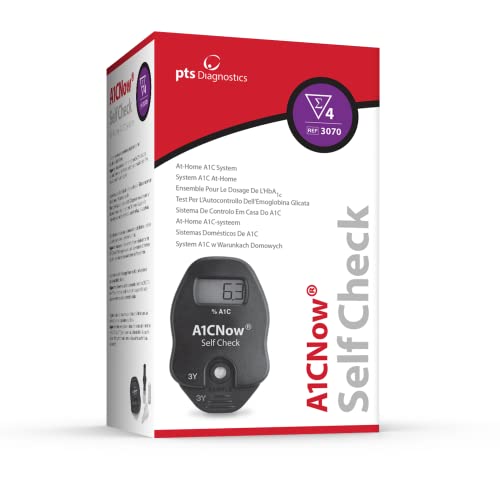
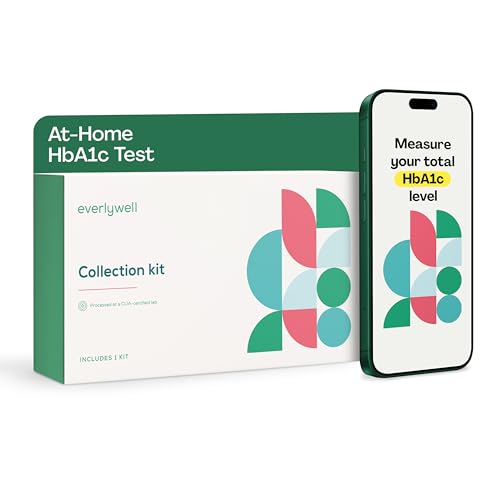
Prefer to order direct? The Everlywell HbA1c Test uses a CLIA-certified lab, physician-reviewed results, and prepaid return shipping.
What to Look For in a Continuous Glucose Monitor (CGM)
Over-the-counter CGMs like Dexcom Stelo and Abbott Lingo now sell without a prescription. Check the wear time (14–15 days per sensor), whether it reads to your phone or needs a separate device, and the monthly cost. For seeing how your own body responds to meals, a month or two is usually enough — you don't need to wear one forever.


What Makes a Good Fiber Supplement
For blood-sugar and cholesterol support you want SOLUBLE fiber — psyllium husk is the best studied. Start with one teaspoon and build up with plenty of water to avoid bloating, and take it 10–15 minutes before carb-heavy meals. Choose an unsweetened, additive-free powder or capsule.


Frequently Asked Questions
Can you have insulin resistance at a normal weight?
Yes. Insulin resistance tracks visceral fat — fat stored around the organs — and low muscle mass, not BMI. The pattern researchers call TOFI (thin outside, fat inside) describes normal-weight bodies carrying metabolically harmful internal fat. Genetics, ancestry, PCOS, poor sleep, and sedentary living can all produce insulin resistance in lean adults.
Why is my A1C normal if I have insulin resistance?
Because A1C measures average glucose, and in early insulin resistance the pancreas keeps glucose normal by producing extra insulin — often for years. A1C only rises once that compensation starts failing (5.7-6.4% marks prediabetes). Fasting insulin and HOMA-IR measure the compensation itself, which is why they catch the problem far earlier.
What test shows insulin resistance if you are not diabetic?
Fasting insulin, ideally paired with fasting glucose to compute HOMA-IR: (fasting insulin × fasting glucose in mg/dL) ÷ 405. A fasting insulin under 25 µIU/mL is technically normal but optimal is below about 7, and a HOMA-IR around 2.0-2.9 is borderline with 3.0 or higher suggesting insulin resistance. Both come from a single fasting blood draw; a clinician should interpret results alongside your full panel.
What does 'skinny fat' mean for insulin resistance?
'Skinny fat' — normal-weight obesity — describes a body with low muscle mass and relatively high fat, often visceral, at a normal BMI. It matters because muscle is where most post-meal glucose is disposed of; less muscle means insulin must work harder even without visible weight gain. Resistance training is the most direct fix, because it addresses the specific deficit.
How do I fix insulin resistance without losing weight?
Target composition, not the scale: resistance training two to three times weekly to build glucose-disposing muscle, meals rebuilt around protein and fiber with fewer refined carbohydrates and liquid sugars, consistent sleep, and stress management. Then retest fasting insulin and HOMA-IR after three to six months — these markers improve faster than A1C, so progress is visible early.
Topic updates
Get the weekly metabolic health roundup
Insulin resistance, blood sugar, visceral fat, GLP-1 plateaus, metabolic syndrome, and weight-loss physiology.
Want insulin resistance handled by a physician who works from your labs? See how Opt Health does it →
Check Where You Stand
Take our free health assessment to understand your metabolic, hormonal, and recovery risk factors — and get personalized recommendations.
Take the Free Assessment →Free · Takes 5 minutes · Instant results
Related Reading
-
Insulin Resistance Symptoms: 12 Warning Signs
12 clinical warning signs, from acanthosis nigricans to post-meal fatigue.
-
What Is Insulin Resistance? Causes, Symptoms & How to Reverse It
What insulin resistance is, how to test for it, and how to reverse it.
-
Metabolic Syndrome vs Insulin Resistance — How the Two Terms Differ
Metabolic syndrome vs insulin resistance: the mechanism-vs-diagnosis distinction, and where PCOS overlaps.
See more related reading
-
How to Reverse Insulin Resistance Naturally
Evidence-based dietary and lifestyle interventions (3-16 week timeline).
-
How to Test for Insulin Resistance: Labs That Matter
Fasting insulin, HOMA-IR, and triglyceride-to-HDL ratio explained.
-
Insulin Resistance Diet: What to Eat, Foods to Avoid, and a 7-Day Meal Plan
What to eat, foods to avoid, and a 7-day meal plan for insulin resistance.
-
Insulin Resistance Supplements: Evidence-based Rankings for Berberine, Magnesium, and Inositol
Evidence-based rankings: berberine, magnesium, inositol, ALA, and chromium.
-
Insulin Resistance vs Prediabetes: Key Differences and the Progression Timeline
Continuum diagram, diagnostic thresholds, and the reversal window.
Affiliate disclosure: The Metabolic Journal is reader-supported. Some links above are affiliate or referral links and we may earn a commission at no extra cost to you. As an Amazon Associate we earn from qualifying purchases. Products are chosen on the merits; commissions never influence what we recommend. This is general information, not medical advice — talk to your clinician before acting.