Is Insulin Resistance Genetic? What Research Shows
Medically reviewed by Medical Advisory Board Last reviewed 2026-07-01
Twin studies, family history risk, and specific gene variants linked to insulin resistance — and how much lifestyle still matters.
Insulin resistance has a real genetic component — twin studies and variants like TCF7L2 confirm it — but lifestyle factors still strongly influence whether it develops.
This article is for informational purposes only and is not medical advice. Consult a physician for medical guidance.
Yes, insulin resistance has a meaningful genetic component, but it is not determined by genetics alone. Twin and family studies consistently show that insulin sensitivity is a heritable trait, and researchers have identified specific gene variants — most notably in the TCF7L2 gene — that are reproducibly associated with higher Type 2 diabetes and insulin resistance risk. At the same time, lifestyle factors like body weight, physical activity, sleep, and diet quality have such a large independent effect that genetic risk is best understood as a "dial" that shifts your odds, not a fixed outcome.
Partner · Opt Health
Want insulin resistance treated, not just named?
Opt Health tests fasting insulin and HOMA-IR — the markers most panels skip — and treats the resistance itself with a physician-built plan rather than waiting for glucose to drift into the diabetic range.
Read Opt Health on insulin resistance →This page answers the most common questions about the heritability of insulin resistance: how much genetics contributes, which genes are involved, what a family history means for your own risk, and how much control you still have through lifestyle. For a full clinical picture of insulin resistance, see our insulin resistance overview and guide to reversing insulin resistance.
How Much of Insulin Resistance Is Genetic?
Twin studies — which compare identical twins (who share essentially all their DNA) with fraternal twins (who share about half, like typical siblings) — are one of the main tools researchers use to estimate heritability. Studies using this method have estimated the heritability of insulin sensitivity and related traits at roughly 30% to 70%, depending on the specific population studied, the trait measured, and the study design. That is a wide range, and it reflects a real scientific point: genetics clearly plays a substantial role, but it does not explain most of the variation in insulin resistance risk on its own.
Family history is the more practical, everyday version of this same signal. Having a parent or sibling with Type 2 diabetes roughly doubles to triples an individual's own lifetime risk of developing Type 2 diabetes, according to research summarized by groups including the American Diabetes Association, and having two affected first-degree relatives raises that risk further. Because insulin resistance typically precedes Type 2 diabetes by years, a strong family history of diabetes is a reasonable signal to be more proactive about early insulin resistance screening, not a guarantee that the condition will develop.
Which Genes Are Linked to Insulin Resistance?
Large genome-wide association studies (GWAS) have identified dozens of gene variants associated with Type 2 diabetes and insulin resistance risk, though most individual variants have a small effect on their own. A few are consistently highlighted in the research literature:
- TCF7L2 — the single most strongly and consistently replicated Type 2 diabetes risk gene identified to date across many populations. Variants in TCF7L2 are believed to affect insulin secretion from pancreatic beta cells more than insulin action itself, but they are tightly linked to overall diabetes and glucose-regulation risk.
- PPARG — encodes a receptor involved in fat cell development and insulin sensitivity; certain variants are associated with altered insulin sensitivity, and this gene is also the target of a class of insulin-sensitizing diabetes medications (thiazolidinediones), which underscores its mechanistic relevance.
- FTO — primarily known as an obesity-risk gene, but because excess body fat is one of the strongest drivers of insulin resistance, FTO variants influence insulin resistance risk substantially through their effect on body weight.
- IRS1 — encodes a protein directly involved in the insulin signaling pathway inside cells; variants here are linked more directly to insulin resistance itself rather than to insulin secretion.
No single gene comes close to determining outcome the way, for example, single-gene mutations do in some rare monogenic diabetes syndromes (such as MODY). For the common form of insulin resistance most adults are concerned about, risk is polygenic — the combined, small effect of many variants — rather than caused by one identifiable gene.
Genetics vs Lifestyle: How Much Control Do You Actually Have?
Even strong genetic studies consistently find that lifestyle factors have a large, independent effect on insulin resistance risk — often large enough to outweigh genetic predisposition in practice. One of the most cited pieces of evidence for this is the Diabetes Prevention Program, a major U.S. clinical trial that found an intensive lifestyle intervention (modest weight loss plus regular physical activity) reduced progression from prediabetes to Type 2 diabetes by about 58% — a larger effect than the medication arm of the same trial produced. Genetic risk did not prevent that benefit; it simply meant some participants started from a higher baseline risk.
In practical terms, this means a family history of diabetes or insulin resistance is a reason to pay closer attention — through earlier insulin resistance testing, more consistent exercise, and closer attention to diet quality — not a reason to assume the outcome is fixed. The modifiable factors with the strongest evidence behind them are excess visceral fat, physical inactivity, poor sleep quality and duration, and diets high in refined carbohydrates and added sugar; each of these can meaningfully shift insulin sensitivity independent of genetic background.
Does Ethnicity Affect Insulin Resistance Risk?
Population-level genetic and epidemiological research shows that insulin resistance and Type 2 diabetes risk varies by ethnicity, independent of body weight in some cases. South Asian, Hispanic/Latino, Native American, and Pacific Islander populations, among others, show higher average rates of insulin resistance and Type 2 diabetes at a given body mass index compared with some other populations, a pattern attributed to a combination of genetic variants, body fat distribution differences (including a tendency toward higher visceral fat at a given weight), and other factors still being studied. This is one reason some clinical guidelines use lower BMI and waist-circumference thresholds for recommending diabetes screening in certain ethnic groups.
This population-level variation does not predict any individual's outcome — it describes averages across large groups, and individual risk still depends heavily on the modifiable factors described above.
Should You Get Genetic Testing for Insulin Resistance?
For most people, routine genetic testing for insulin resistance risk is not currently part of standard clinical practice and is not necessary to manage the condition. Direct-to-consumer genetic tests may report on some of the variants discussed above, but they typically explain only a modest fraction of overall risk and do not replace standard blood-based screening. The more clinically useful and validated approach for most adults — especially those with a family history — remains periodic lab-based screening (fasting insulin, fasting glucose, A1C, and lipid panel) rather than genetic testing.
An exception is suspected monogenic diabetes (such as MODY), which can look like early-onset Type 1 or Type 2 diabetes but is caused by a single gene mutation and is managed differently; a physician may order targeted genetic testing if this is suspected based on age of onset, family pattern, and other clinical clues.
How to test metabolic markers at home
You don't need a lab appointment to check your own metabolic markers — a few at-home kits mail you a collection kit and return physician-reviewed results online within days:
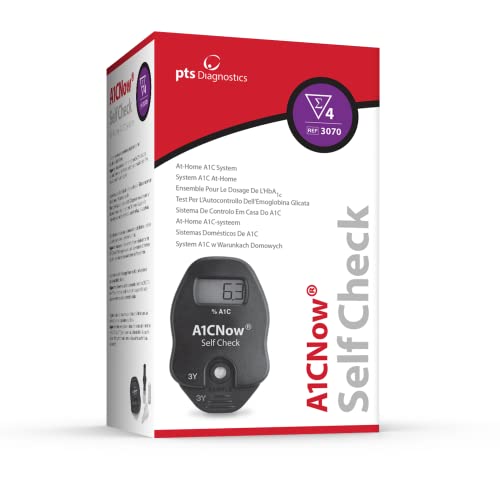
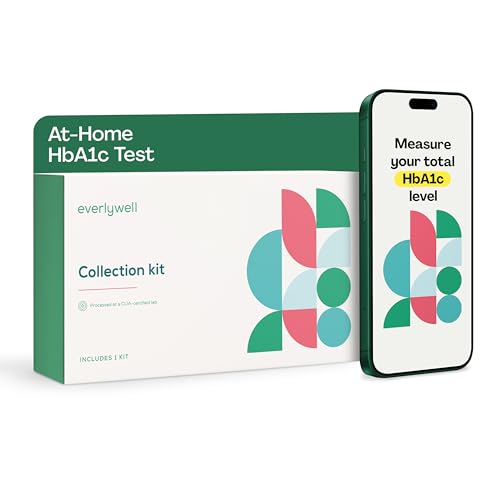
Prefer to order direct? The Everlywell HbA1c Test uses a CLIA-certified lab, physician-reviewed results, and prepaid return shipping.
What to Look For in a Continuous Glucose Monitor (CGM)
Over-the-counter CGMs like Dexcom Stelo and Abbott Lingo now sell without a prescription. Check the wear time (14–15 days per sensor), whether it reads to your phone or needs a separate device, and the monthly cost. For seeing how your own body responds to meals, a month or two is usually enough — you don't need to wear one forever.


What Makes a Good Fiber Supplement
For blood-sugar and cholesterol support you want SOLUBLE fiber — psyllium husk is the best studied. Start with one teaspoon and build up with plenty of water to avoid bloating, and take it 10–15 minutes before carb-heavy meals. Choose an unsweetened, additive-free powder or capsule.


Frequently Asked Questions
If my parents have Type 2 diabetes, will I get it too?
Not necessarily, but your risk is elevated. Research summarized by the American Diabetes Association indicates that having one parent with Type 2 diabetes roughly doubles to triples your own lifetime risk, and having two affected parents raises it further. However, large trials like the Diabetes Prevention Program show that lifestyle changes can substantially reduce that elevated risk, so family history changes the odds, not the outcome.
What is the TCF7L2 gene and why is it important for insulin resistance?
TCF7L2 is the most consistently replicated gene associated with Type 2 diabetes risk across genetic studies in many populations. Variants in this gene are believed to primarily affect insulin secretion from the pancreas rather than insulin sensitivity in muscle and fat tissue directly, but they contribute meaningfully to overall glucose-regulation and diabetes risk.
Can lifestyle changes overcome a genetic predisposition to insulin resistance?
In many cases, yes, to a significant degree. The Diabetes Prevention Program trial found that an intensive lifestyle intervention — modest weight loss and regular physical activity — reduced progression from prediabetes to Type 2 diabetes by about 58%, a larger reduction than medication produced in the same trial. Genetic risk affects your starting point, but it does not eliminate the benefit of lifestyle changes.
Is there a genetic test that tells me if I have insulin resistance?
Not a reliable standalone one. While specific variants like those in TCF7L2 and PPARG are associated with risk, no current genetic test diagnoses insulin resistance the way a fasting insulin or HOMA-IR calculation does. Standard blood-based testing remains the clinically validated way to assess insulin resistance; genetic information is, at most, a supplementary risk indicator.
Why do some ethnic groups have higher rates of insulin resistance?
Population studies show higher average insulin resistance and Type 2 diabetes rates in some groups — including South Asian, Hispanic/Latino, Native American, and Pacific Islander populations — even at similar body weights to other groups. Researchers attribute this to a combination of genetic variants, differences in body fat distribution such as higher visceral fat at a given weight, and other factors still under study. This describes population averages, not an individual's guaranteed outcome.
Topic updates
Get the weekly metabolic health roundup
Insulin resistance, blood sugar, visceral fat, GLP-1 plateaus, metabolic syndrome, and weight-loss physiology.
Want insulin resistance handled by a physician who works from your labs? See how Opt Health does it →
Check Where You Stand
Take our free health assessment to understand your metabolic, hormonal, and recovery risk factors — and get personalized recommendations.
Take the Free Assessment →Free · Takes 5 minutes · Instant results
Related Reading
-
What Is Insulin Resistance? Causes, Symptoms & How to Reverse It
What insulin resistance is, how to test for it, and how to reverse it.
-
Metabolic Syndrome vs Insulin Resistance — How the Two Terms Differ
Metabolic syndrome vs insulin resistance: the mechanism-vs-diagnosis distinction, and where PCOS overlaps.
-
Insulin Resistance Symptoms: 12 Warning Signs
12 clinical warning signs, from acanthosis nigricans to post-meal fatigue.
See more related reading
-
How to Reverse Insulin Resistance Naturally
Evidence-based dietary and lifestyle interventions (3-16 week timeline).
-
How to Test for Insulin Resistance: Labs That Matter
Fasting insulin, HOMA-IR, and triglyceride-to-HDL ratio explained.
-
Insulin Resistance Diet: What to Eat, Foods to Avoid, and a 7-Day Meal Plan
What to eat, foods to avoid, and a 7-day meal plan for insulin resistance.
-
Insulin Resistance Supplements: Evidence-based Rankings for Berberine, Magnesium, and Inositol
Evidence-based rankings: berberine, magnesium, inositol, ALA, and chromium.
-
Insulin Resistance vs Prediabetes: Key Differences and the Progression Timeline
Continuum diagram, diagnostic thresholds, and the reversal window.
Affiliate disclosure: The Metabolic Journal is reader-supported. Some links above are affiliate or referral links and we may earn a commission at no extra cost to you. As an Amazon Associate we earn from qualifying purchases. Products are chosen on the merits; commissions never influence what we recommend. This is general information, not medical advice — talk to your clinician before acting.