How Blood Sugar and Insulin Resistance Age Your Skin
Medically reviewed by Medical Advisory Board Last reviewed 2026-08-24
The glycation mechanism behind 'sugar aging,' and what the evidence actually supports
Chronically elevated blood sugar accelerates skin aging through a process called glycation, where sugar molecules attach to collagen and elastin and stiffen them over time. Insulin resistance compounds the picture, since high insulin levels are also linked to acanthosis nigricans, skin tags, and hormonal acne. This guide explains the glycation mechanism in plain terms, what the dermatology research does and doesn't show, and the blood-sugar levers the evidence points toward.
Two main factors drive skin aging: cumulative sun exposure (photoaging) and the slower, internal process of chronological aging. Glycation falls into the second category, and it happens faster in people whose blood sugar stays high for years at a time. It works quietly, making skin stiffer and less elastic well before a wrinkle appears in the mirror.
This isn't about blame or quick fixes. Skin aging is multi-factorial: genetics, sun exposure, and time in a body all matter more than any single mechanism. This guide focuses specifically on the blood-sugar piece because it's one of the few drivers of skin aging that a person can actually influence through diet and metabolic health.
Partner · Opt Health
Want insulin resistance treated, not just named?
Opt Health tests fasting insulin and HOMA-IR — the markers most panels skip — and treats the resistance itself with a physician-built plan rather than waiting for glucose to drift into the diabetic range.
Read Opt Health on insulin resistance →What Glycation and AGEs Actually Are
Glycation is a chemical reaction where a sugar molecule attaches itself to a protein or fat, without any enzyme controlling the process. The resulting damaged structures are called advanced glycation end-products, or AGEs, and they build up gradually over years rather than appearing overnight.
In skin, the proteins most affected are collagen and elastin, the fibers that give skin its firmness and its ability to snap back into place. Glycation causes adjacent collagen fibers to cross-link, essentially fusing next to each other in ways they shouldn't. A 2012 review in Dermato-Endocrinology by researchers Paraskevi Gkogkolou and Markus Böhm describes AGEs as key contributors to skin aging through this cross-linking process, which stiffens the dermis and makes it more brittle and less elastic over time.
Glycation happens in everyone as part of normal aging, since even normal blood sugar levels produce some AGEs over a lifetime. The rate accelerates when average blood sugar runs consistently higher, because more circulating glucose means more opportunities for that sugar-protein reaction to occur. This is the same underlying chemistry that produces HbA1c, the standard lab marker of average blood sugar over roughly three months.
Why Sun Exposure and Glycation Interact
Glycated collagen appears to be more vulnerable to further damage from UV light, not just from sugar. Research on AGE accumulation, including work summarized in a 2010 Clinics in Dermatology paper by dermatologist F. William Danby, describes how glycated collagen and elastin become stiffer and more prone to oxidative damage, a state that sun exposure can then compound.
This is why framing skin aging as strictly a sun problem misses part of the picture. Sun exposure and blood sugar aren't competing explanations; they act on overlapping structures in the dermis, and glycated collagen gives UV damage more material to work with.
Insulin Resistance and Visible Skin Changes
Insulin resistance shows up on skin through mechanisms separate from glycation itself, mainly because chronically elevated insulin directly affects skin cells. Sustained high insulin stimulates the growth of keratinocytes and melanocytes, the cells that make up the skin's surface and its pigment.
Three visible changes are associated with this pattern: acanthosis nigricans (darkened, velvety patches, usually at the neck or underarms), skin tags, and hormonal acne driven by insulin's effect on androgens and sebum production. All three are covered in depth, including their exact mechanisms and where they typically appear on the body, in our insulin resistance symptoms guide. That page also breaks down how these signs can differ between men and women.
These skin changes and the glycation process described above are related but distinct: glycation is a slow structural change to collagen and elastin from sugar exposure, while acanthosis nigricans, skin tags, and hormonal acne are driven more directly by insulin's effect on skin-cell growth and hormone signaling. A person can have one without pronounced signs of the other, though both tend to track with the same underlying metabolic picture. For the broader mechanism connecting the two, see our insulin resistance overview.
The Gut-Skin Connection Glycation Doesn't Explain
A third pathway links blood sugar problems to skin, separate from both glycation and insulin's direct effect on skin cells. Insulin resistance is associated with an altered gut microbiome, a shift toward fewer beneficial bacterial species and more of the types linked to inflammation. That shift can weaken the gut lining, which lets more bacterial byproducts, particularly lipopolysaccharides, leak into the bloodstream.
Circulating lipopolysaccharides trigger a low-grade, body-wide inflammatory response. A 2022 review in Gut Microbes describes this gut-skin axis as a two-way relationship. Microbiome disruption worsens inflammatory skin conditions including acne, rosacea, and psoriasis, and that same inflammation feeds back into worsening insulin resistance. Someone whose skin doesn't respond to blood-sugar-focused changes alone may be dealing with this gut-driven inflammatory layer on top of the glycation mechanism described above.
Nutrient Gaps That Affect Skin Independent of Blood Sugar
Insulin resistance and poor gut health both interfere with nutrient absorption, and several of the nutrients affected play a direct role in skin repair. Zinc supports wound healing and helps regulate the oil production tied to acne. Vitamin D deficiency is common in people with insulin resistance and has been linked to weaker skin-barrier function. Omega-3 fatty acids help control the same inflammatory pathways involved in the gut-skin axis described above.
None of these deficiencies are unique to insulin resistance. A person can have low zinc or vitamin D for reasons that have nothing to do with blood sugar. Someone already managing insulin resistance carries a higher baseline risk for these gaps, though, which makes nutrient status worth raising with a doctor alongside any skin concern.
What the Research on Glycemic Skin Aging Actually Shows
The glycation-collagen mechanism is well established in dermatology and gerontology research, but it describes a gradual, cumulative process rather than something that produces overnight visible change. Researchers can measure AGE accumulation in skin using a non-invasive tool called skin autofluorescence, developed at the University Medical Center Groningen and first described by Reindert Meerwaldt and colleagues in a 2004 paper in Diabetologia. The device shines light on skin and measures the fluorescent signal that AGEs give off, providing an estimate of lifetime AGE buildup without a biopsy.
Skin autofluorescence rises with age in everyone, and rises faster in people with diabetes and other conditions marked by chronically elevated blood sugar. That's a consistent, reproducible finding across the research using this method. What's less settled is exactly how much of a person's perceived facial aging, wrinkle depth, or skin firmness at any given age traces specifically to blood sugar versus genetics, sun exposure, smoking, and other lifestyle factors that also drive AGE formation and collagen damage. The mechanism connecting high blood sugar to stiffer, less elastic skin is well documented; precisely quantifying its share of visible aging for an individual is harder to isolate.
What the Evidence Points Toward
Stable blood sugar is the single most direct lever available, since glycation is driven by how much glucose is circulating and for how long. Our guide to how food affects blood sugar breaks down the specific, evidence-backed factors, glycemic index, fiber and protein pairing, and meal timing, that keep glucose levels steadier after eating.
Reducing added sugar and refined carbohydrate intake matters here for a second reason beyond the well-known effect on weight and insulin: it lowers the total glucose load available to react with collagen in the first place. This isn't a claim that cutting sugar reverses existing wrinkles; it's a claim about slowing the rate of new AGE formation going forward.
General skin-protective habits still carry the most direct evidence for visible skin aging overall: daily sun protection, not smoking, and adequate sleep, since sleep deprivation raises next-day insulin resistance and cortisol, both of which affect skin indirectly. Anyone with visible skin changes alongside other symptoms of insulin resistance, or anyone considering a significant dietary change for a diagnosed skin or metabolic condition, should talk to a doctor or dermatologist before changing treatment, since skin findings can also have causes unrelated to blood sugar.
How to test metabolic markers at home
You don't need a lab appointment to check your own metabolic markers — a few at-home kits mail you a collection kit and return physician-reviewed results online within days:
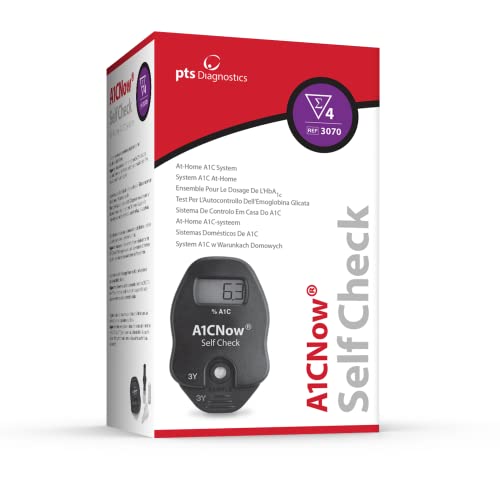

Prefer to order direct? The Everlywell HbA1c Test uses a CLIA-certified lab, physician-reviewed results, and prepaid return shipping.
What to Look For in a Continuous Glucose Monitor (CGM)
Over-the-counter CGMs like Dexcom Stelo and Abbott Lingo now sell without a prescription. Check the wear time (14–15 days per sensor), whether it reads to your phone or needs a separate device, and the monthly cost. For seeing how your own body responds to meals, a month or two is usually enough — you don't need to wear one forever.


What Makes a Good Fiber Supplement
For blood-sugar and cholesterol support you want SOLUBLE fiber — psyllium husk is the best studied. Start with one teaspoon and build up with plenty of water to avoid bloating, and take it 10–15 minutes before carb-heavy meals. Choose an unsweetened, additive-free powder or capsule.


Frequently Asked Questions
Is 'sugar aging' skin a real thing or just a skincare marketing term?
The underlying mechanism is real and well documented in dermatology research: sugar molecules attach to collagen and elastin through glycation, forming advanced glycation end-products (AGEs) that stiffen and cross-link those fibers over time. The term 'sugar aging' is a simplified marketing label for that process. What's overstated in marketing is usually the speed and reversibility, since glycation builds up gradually over years, not from a single dessert or a few weeks of a high-sugar diet.
How is insulin-resistance-related skin aging different from normal skin aging?
Normal skin aging happens to everyone regardless of blood sugar, driven by time, genetics, and cumulative sun exposure. Insulin resistance adds two things on top of that baseline: faster AGE accumulation in collagen from consistently elevated blood sugar, and separate, visible signs like acanthosis nigricans, skin tags, and hormonal acne that come from high insulin's direct effect on skin cells rather than from glycation itself. Someone with insulin resistance isn't aging through a different process, just a faster and more compounded version of the same one.
Can reversing insulin resistance actually improve how skin looks?
The evidence here is thinner and more inferential than the glycation mechanism itself. Improving insulin sensitivity plausibly slows further AGE formation and can resolve some insulin-driven changes, hormonal acne often improves once insulin and androgen levels come down, and acanthosis nigricans can lighten as insulin levels normalize. But AGEs already cross-linked into existing collagen don't appear to reverse quickly just because blood sugar improves, and there's no strong clinical trial evidence specifically measuring wrinkle depth or skin elasticity before and after insulin resistance treatment. The caveat is that it can help stop things from getting worse and may resolve some insulin-driven changes, rather than being a proven way to undo existing collagen damage.
Does a high-glycemic-index diet cause acne, or just make it worse?
Research points toward high-glycemic diets worsening existing acne rather than being the sole cause of it. Hormonal acne has multiple contributors, including genetics and androgen levels, but insulin and IGF-1 do independently stimulate the sebum production and skin-cell turnover involved in acne formation. Our insulin resistance symptoms guide covers the specific research and mechanism behind insulin-driven hormonal acne in more detail.
Do collagen supplements counteract glycation damage?
There's no direct evidence that oral collagen peptides reverse existing glycation cross-links in skin. Collagen supplements have separate randomized controlled trial evidence for improving skin elasticity and hydration by stimulating a person's own collagen production, which is a different mechanism than undoing AGE damage to collagen already in place. See our collagen peptides guide for the full evidence on dosing and expected effects.
Topic updates
Get the weekly metabolic health roundup
Insulin resistance, blood sugar, visceral fat, GLP-1 plateaus, metabolic syndrome, and weight-loss physiology.
Want insulin resistance handled by a physician who works from your labs? See how Opt Health does it →
Check Where You Stand
Take our free health assessment to understand your metabolic, hormonal, and recovery risk factors — and get personalized recommendations.
Take the Free Assessment →Free · Takes 5 minutes · Instant results
Related Guides
-
How Food Affects Blood Sugar
How food changes blood sugar: normal thresholds, glycemic index/load, and the fiber/protein/fat pairing mechanism.
-
Low-carb Snacks for Blood Sugar
Low-carb snacks and dips that keep blood sugar steady, with the meal-sequencing research behind the picks.
-
Gum Disease and Blood Sugar: the Two-way Link
The bidirectional link between gum disease and blood sugar, and what periodontal treatment does to A1C.
See more related guides
-
Blood Sugar Crash: Why It Happens and How to Stop It
Reactive hypoglycemia: causes, symptoms, and how to stabilize glucose.
-
Fatigue After Eating Normal Blood Sugar
Tired after eating with normal blood sugar: the vagal, reactive-hypoglycemia, and meal-composition mechanisms.
-
How to Lower Blood Pressure: the Measured mmHg Drops From DASH, Sodium, Weight, Exercise and Alcohol, and When a Reading Is an Emergency
How to lower blood pressure: the measured mmHg drops from DASH, sodium, weight, exercise and alcohol, and when a reading is an emergency.
-
Ozempic Loose Skin: Causes, Risk Factors, and Prevention Strategies
Who is at risk, collagen strategies, timeline, and when to consider interventions.
-
Diet Macros and Brain Aging
Diet macros and brain aging: the mouse longevity data vs. the human 'protein cliff' — why the answer is age-dependent.
Affiliate disclosure: The Metabolic Journal is reader-supported. Some links above are affiliate or referral links and we may earn a commission at no extra cost to you. As an Amazon Associate we earn from qualifying purchases. Products are chosen on the merits; commissions never influence what we recommend. This is general information, not medical advice — talk to your clinician before acting.