High Blood Pressure VA Disability Rating: Tiers, Rules, and Evidence
Medically reviewed by Medical Advisory Board Last reviewed 2026-09-25
How the VA evaluates hypertension under Diagnostic Code 7101, required blood pressure readings, and evidence for direct or secondary claims.
The Department of Veterans Affairs (VA) rates high blood pressure under Diagnostic Code (DC) 7101 at 0%, 10%, 20%, 40%, or 60%, based on resting blood pressure measurements. A veteran's specific rating depends on whether diastolic and systolic readings meet regulatory thresholds across multiple medical evaluations.
Securing a service-connected disability rating for hypertension requires objective medical evidence confirming sustained high readings. The VA requires readings taken two or more times on at least three separate days before confirming a formal diagnosis for rating purposes.
Partner · Opt Health
Want a clinician to work up your metabolic numbers?
Opt Health runs fasting insulin, A1C, a full lipid panel and 50+ other markers, then builds a treatment plan — GLP-1s included where they're appropriate — with a physician who reviews the data with you directly.
See Opt Health's metabolic program →Veterans pursue hypertension claims through direct service connection, secondary service connection linked to an existing condition, or statutory presumptive pathways established by federal legislation. Understanding how the VA evaluates these diagnostic tiers helps veterans assemble complete medical documentation before submitting a claim.
Hypertension VA Disability Rating Tiers Under Diagnostic Code 7101
The Department of Veterans Affairs evaluates hypertensive vascular disease under 38 Code of Federal Regulations (CFR) Part 4, Diagnostic Code 7101, using five distinct disability rating tiers: 0%, 10%, 20%, 40%, and 60%. Hypertensive vascular disease includes both primary hypertension and isolated systolic hypertension. The rating assigned reflects specific blood pressure thresholds documented during clinical evaluations.
- 60% rating: Assigned when diastolic pressure is predominantly 130 or higher.
- 40% rating: Assigned when diastolic pressure is predominantly 120 to 129.
- 20% rating: Assigned when diastolic pressure is predominantly 110 to 119, or when systolic pressure is predominantly 200 or higher.
- 10% rating: Assigned when diastolic pressure is predominantly 100 to 109, or systolic pressure is predominantly 160 to 199, or when a veteran has a documented history of diastolic pressure predominantly 100 or more that now requires continuous medication to control.
- 0% non-compensable rating: Assigned when hypertension is diagnosed and service-connected, but blood pressure readings remain below the compensable rating criteria without qualifying under the continuous medication provision.
The regulation relies on the word "predominantly" to evaluate blood pressure readings across a series of measurements. VA rating officials look for a prevailing pattern rather than an isolated high reading. The source regulations do not define a specific mathematical percentage or fixed ratio of readings required to satisfy this standard. According to claim summaries published by CCK Law, rating officials review the full medical record to establish whether the higher readings represent the veteran's typical blood pressure level.
Diagnostic Requirements and Blood Pressure Confirmation
VA disability regulations require blood pressure readings taken two or more times on at least three different days to establish a valid diagnosis of hypertension for rating purposes. A single high measurement taken during a medical visit does not establish a diagnosis for VA disability compensation. This rule ensures that temporary blood pressure spikes caused by acute stress, physical exertion, or clinic anxiety are not mistaken for chronic hypertensive disease.
Formal evaluations require clinical verification. Readings logged on a personal home monitor can help demonstrate day-to-day patterns, but the VA relies on professional medical records to satisfy its formal diagnostic standard. When evaluating clinical measurements, the VA looks for sustained resting numbers that align with established blood pressure ranges.
If historical medical records show blood pressure readings that met the diagnostic threshold in the past, and continuous medication now controls those numbers, that history remains valid evidence. Under Diagnostic Code 7101, a documented history of diastolic readings predominantly at 100 or higher qualifies for a 10% rating when daily medication is necessary to keep pressure within normal limits.
Direct and Secondary Service Connection Pathways
Veterans can establish service connection for high blood pressure either directly through an in-service injury or diagnosis, or secondarily as a complication of another service-connected condition. Direct service connection requires military service records showing that hypertension began during active duty. When blood pressure problems arise after separation from military service, secondary service connection provides an established legal avenue for compensation.
Secondary service connection applies when an existing service-connected disability causes or aggravates high blood pressure. Medical research and VA claim adjudications recognize several common secondary conditions, as outlined in disability analyses from Hill & Ponton:
- Post-Traumatic Stress Disorder (PTSD): Chronic psychological stress increases cortisol and adrenaline production, which raises systemic blood pressure over prolonged periods.
- Sleep apnea: Repeated overnight oxygen deprivation disrupts vascular tone and is linked to sustained high blood pressure. Veterans managing respiratory sleep conditions can review the sleep apnea VA disability guide for secondary claim requirements.
- Type 2 diabetes: Diabetic vascular changes and kidney damage raise the risk of developing secondary hypertension.
- Chronic kidney disease: Impaired renal function disrupts fluid balance and systemic blood pressure regulation.
- Chronic pain: Persistent pain stimulates continuous sympathetic nervous system activation, raising resting blood pressure.
- Obesity: Weight gain related to a service-connected physical limitation or metabolic change can serve as an intermediate step linking a primary disability to hypertension.
Establishing a secondary claim follows principles similar to those detailed in our low testosterone VA disability guide. In both cases, the veteran must document the primary disability and demonstrate a physiological link between that condition and the secondary diagnosis.
Presumptive Service Connection Under the PACT Act
The Promise to Address Comprehensive Toxics Act (PACT Act) establishes hypertension as a presumptive condition for veterans with qualifying exposure to Agent Orange or burn pits. Under a presumptive service connection framework, a veteran does not need to prove that military exposure individually caused high blood pressure. The veteran must only provide documentation of qualifying military service in an approved location and a formal medical diagnosis of hypertension.
For herbicide and Agent Orange exposure, qualifying service locations include Vietnam, Thailand, the Korean Demilitarized Zone (DMZ), Laos, Cambodia, and Guam during specified historical service windows. For burn pit exposure, the presumptive pathway applies to veterans who served in qualifying areas during military operations in Iraq or Afghanistan.
Presumptive service connection removes the requirement to obtain an independent medical nexus letter. The statutory presumption automatically links the confirmed diagnosis to military service once eligible deployment records are verified. Veterans seeking detailed information on how presumptive frameworks operate across different health conditions can consult our chronic fatigue syndrome VA disability guide.
Evidence Requirements and Claim Preparation
A complete hypertension disability claim requires documented blood pressure readings, a completed Disability Benefits Questionnaire (DBQ), and medical records establishing service connection. For direct claims, the file must include service treatment records showing an in-service diagnosis or documented in-service blood pressure increases. For secondary claims, the submission requires a formal medical nexus opinion from a qualified physician stating that hypertension is at least as likely as not linked to the primary service-connected disability.
The VA or a contracted private examiner typically conducts a Compensation and Pension (C&P) examination before issuing a rating decision. During this examination, the clinician completes the cardiovascular DBQ, recording current blood pressure levels, reviewing medical history, and verifying medication use. Veterans should bring personal logs and pharmacy refill records showing continuous prescription medication use.
This guide provides general educational information about VA disability regulations and does not constitute legal or medical advice. Claim outcomes depend entirely on individual medical documentation, service history, and official VA adjudication. To build an accurate claim, schedule an appointment with an accredited Veteran Service Officer (VSO) who can evaluate your medical records and guide your hypertension VA disability rating strategy.
What to Look For in a Blood Pressure Monitor
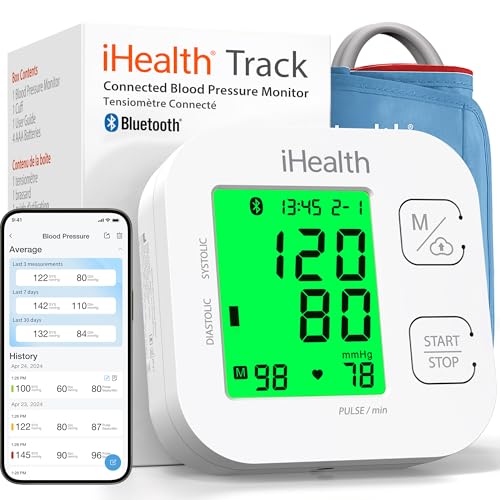
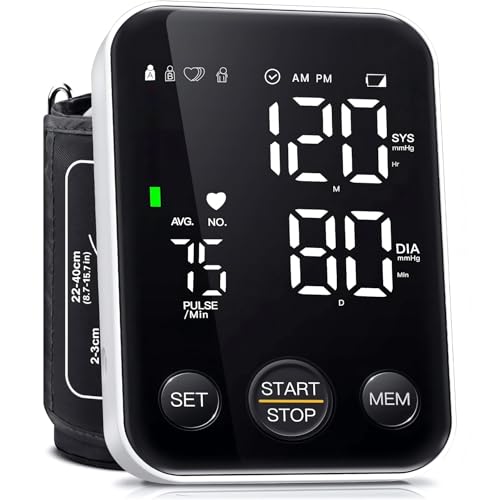
An upper-arm cuff is more accurate than a wrist model. Pick a clinically validated device with a cuff sized to your arm, and take readings seated after five minutes of rest. Models that store readings or sync to an app make it easy to share trends with your doctor.
Frequently Asked Questions
What VA disability rating is typical for high blood pressure?
The VA rates hypertension under Diagnostic Code 7101 at 0%, 10%, 20%, 40%, or 60%. A 10% rating is common for veterans whose blood pressure is controlled by continuous daily medication, provided they have a documented history of diastolic pressure predominantly at 100 or higher. Ratings of 20% or higher require higher sustained diastolic or systolic readings.
How many blood pressure readings does the VA need to rate hypertension?
VA diagnostic criteria require blood pressure readings taken two or more times on at least three different days. A single reading, even if very high, cannot establish a service-connected diagnosis. The VA uses the term predominantly to describe the pattern of these readings across medical evaluations.
Can hypertension be service-connected as secondary to PTSD or sleep apnea?
Yes, hypertension is frequently claimed as secondary to post-traumatic stress disorder or sleep apnea. Both conditions have documented physiological links to sustained high blood pressure through chronic stress hormones or overnight oxygen deprivation. A secondary claim requires medical records confirming the primary disability and a medical nexus opinion linking the two conditions.
Does the PACT Act cover hypertension from Agent Orange or burn pit exposure?
Yes, the PACT Act recognizes hypertension as a presumptive condition for veterans exposed to Agent Orange or burn pits. Qualifying service areas include Vietnam, Thailand, the Korean DMZ, Laos, Cambodia, Guam, Iraq, and Afghanistan. Under this presumptive rule, eligible veterans need a confirmed hypertension diagnosis and proof of service in a qualifying location.
Is a single high blood pressure reading enough to file a claim?
A single high reading is not enough to establish a hypertension rating with the VA. The VA requires readings taken on at least three separate days with two or more readings per day to verify chronic high blood pressure. Documentation of ongoing medication management is also required if seeking a compensable rating based on controlled blood pressure.
Topic updates
Get the weekly metabolic health roundup
Insulin resistance, blood sugar, visceral fat, GLP-1 plateaus, metabolic syndrome, and weight-loss physiology.
Want your metabolic health handled by a physician who works from your labs? See how Opt Health does it →
Check Where You Stand
Take our free health assessment to understand your metabolic, hormonal, and recovery risk factors — and get personalized recommendations.
Take the Free Assessment →Free · Takes 5 minutes · Instant results
Related Guides
-
How to Lower Blood Pressure: the Measured mmHg Drops From DASH, Sodium, Weight, Exercise and Alcohol, and When a Reading Is an Emergency
How to lower blood pressure: the measured mmHg drops from DASH, sodium, weight, exercise and alcohol, and when a reading is an emergency.
-
Blood Pressure Chart by Age: Normal and High Ranges Using ACC/AHA Categories
Blood pressure chart by age: normal and high ranges using current ACC/AHA categories.
-
How Food Affects Blood Sugar
How food changes blood sugar: normal thresholds, glycemic index/load, and the fiber/protein/fat pairing mechanism.
See more related guides
-
Low-carb Snacks for Blood Sugar
Low-carb snacks and dips that keep blood sugar steady, with the meal-sequencing research behind the picks.
-
Blood Sugar and Skin Aging
How glycation and insulin resistance accelerate visible skin aging, and what the evidence says about reversing it.
-
High-protein Diet FAQ
High-protein diet FAQ: what counts as high-protein, satiety and muscle-preservation evidence, and the safe upper range.
-
Gum Disease and Blood Sugar: the Two-way Link
The bidirectional link between gum disease and blood sugar, and what periodontal treatment does to A1C.
-
Blood Sugar Crash: Why It Happens and How to Stop It
Reactive hypoglycemia: causes, symptoms, and how to stabilize glucose.
Affiliate disclosure: The Metabolic Journal is reader-supported. Some links above are affiliate or referral links and we may earn a commission at no extra cost to you. As an Amazon Associate we earn from qualifying purchases. Products are chosen on the merits; commissions never influence what we recommend. This is general information, not medical advice — talk to your clinician before acting.