Blood Pressure Chart by Age: Normal & High Ranges (mmHg)
Medically reviewed by Medical Advisory Board Last reviewed 2026-08-12
What your numbers mean by age, using current ACC/AHA categories.
Blood pressure chart by age helps you read your numbers fast. The 2017 ACC/AHA guideline sets normal as below 120/80 mmHg for all adults. Average readings rise with age, but the healthy goal stays the same.
A blood pressure chart by age shows how your numbers compare with the healthy range as you get older. Blood pressure is written as two numbers, such as 120/80 mmHg. The top number, or systolic pressure, is the pressure when your heart beats. The bottom number, or diastolic pressure, is the pressure when your heart rests.
The American College of Cardiology (ACC) and American Heart Association (AHA) recommend the same target for all adults: a normal reading is below 120/80 mmHg. That goal stays the same regardless of age, even though average readings tend to rise over time.
Partner · Opt Health
Want to know what your markers actually mean?
Opt Health publishes a guide to the 55+ biomarkers they test and what each one tells you — the same panel they run before building a treatment plan.
Read Opt Health's biomarker guide →High blood pressure is known as the "silent killer" because it rarely causes symptoms. That's why it's important to know your numbers. This guide explains each category, shows typical readings by age, and outlines when to seek care.
The 2017 ACC/AHA Blood Pressure Categories
The ACC and AHA define five blood pressure categories that apply to all adults. These thresholds come from the 2017 ACC/AHA guideline. Your reading falls into a category based on whichever number is higher.
| Category | Systolic (top, mmHg) | Diastolic (bottom, mmHg) |
|---|---|---|
| Normal | < 120 | and < 80 |
| Elevated | 120–129 | and < 80 |
| Hypertension Stage 1 | 130–139 | or 80–89 |
| Hypertension Stage 2 | ≥ 140 | or ≥ 90 |
| Hypertensive Crisis | > 180 | and/or > 120 |
A normal reading is below 120/80 mmHg. Note that Stage 1 starts at 130/80, lower than the old 140/90 cutoff. High blood pressure raises your risk for heart attack, stroke, and kidney damage. These categories were carried forward and refined in the 2025 ACC/AHA blood pressure guideline, which added a universal treatment target and the PREVENT risk calculator.
Blood Pressure Chart by Age (Typical Readings)
Average blood pressure tends to rise gradually with age, but the healthy target stays below 120/80 mmHg for all adults. The readings below reflect typical averages reported in population data from sources like the CDC. They are not separate goals; they simply show common patterns by age.
| Age group | Typical systolic (mmHg) | Typical diastolic (mmHg) |
|---|---|---|
| 18–29 | 110–120 | 70–78 |
| 30–39 | 113–122 | 73–79 |
| 40–49 | 116–125 | 76–82 |
| 50–59 | 120–130 | 78–84 |
| 60–69 | 125–135 | 76–82 |
| 70+ | 128–140 | 72–80 |
Higher average readings do not mean higher targets are safe. The goal remains under 120/80 mmHg. Talk to your doctor about your personal target. Learn how blood pressure fits into your wider metabolic health picture.
What Is High Blood Pressure?
High blood pressure (hypertension) means your reading is 130/80 mmHg or higher on repeated checks. The ACC and AHA lowered this threshold in 2017 to catch risk earlier. Even "elevated" readings of 120–129 systolic signal it is time to act.
Hypertension often has no symptoms, so many people do not know they have it. The CDC reports that nearly half of U.S. adults have high blood pressure. Over time, it strains your arteries, heart, and kidneys.
- Normal: below 120/80 mmHg — keep up healthy habits.
- Elevated: 120–129 systolic — lifestyle changes help.
- Stage 1 & 2: 130/80 and up — see your doctor.
High blood pressure often travels with other warning signs. Conditions like insulin resistance and metabolic syndrome frequently raise blood pressure too.
Blood Pressure in Children and When to Worry
Blood pressure in children is judged differently than in adults, using percentiles for age, sex, and height. There is no single "normal" number for kids because healthy ranges grow with the child. A pediatrician compares a child's reading to standardized charts.
For adults, certain readings need urgent action. A reading above 180/120 mmHg is a hypertensive crisis. The AHA advises you to rest a few minutes and recheck.
If it stays above 180/120 mmHg, or you have chest pain, shortness of breath, or stroke symptoms, call 911. Shortness of breath alongside swelling or fatigue can also point toward heart failure, which is evaluated with a dedicated BNP test rather than a blood pressure reading alone. Chronic inflammation can also worsen heart risk, which is why markers like CRP levels matter alongside blood pressure.
What Counts as Low Blood Pressure
Low blood pressure (hypotension) generally means a reading below 90/60 mmHg, though many people run lower than that without any problem. Unlike high blood pressure, a low reading only matters clinically when it comes with symptoms, since some healthy adults, especially fit ones, sit well under 90/60 as their normal baseline. Common causes include dehydration, standing up quickly, certain heart or endocrine conditions, and some blood pressure or heart medications themselves overshooting their target.
Pregnancy also shifts your numbers. Blood pressure typically drops in the first and second trimester, often bottoming out in the second, before rising back toward your pre-pregnancy baseline in the third. A drop into hypotension range during early pregnancy is usually normal. It is not a warning sign on its own, but mention it at your prenatal visits. For the symptoms that come with a genuinely low reading and when they need attention, see the blood pressure symptoms guide.
How to Lower and Track Your Blood Pressure
You can often lower blood pressure with proven lifestyle changes backed by the AHA. Small, steady habits add up to real results over weeks to months. Always pair these steps with your doctor's advice.
- Eat less sodium and more potassium-rich foods.
- Move your body for at least 150 minutes a week.
- Keep a healthy weight and limit alcohol.
- Manage stress and sleep at least seven hours.
- Take prescribed medicine exactly as directed.
Tracking your numbers over time shows whether your plan is working. Measure at the same time each day, seated and rested. Ready to see your full picture? Check your metabolic score or take our free health assessment to find your next step.
Does a Low-Carb Diet Lower Blood Pressure?
The DASH diet (Dietary Approaches to Stop Hypertension) is the approach with the most direct guideline backing for lowering blood pressure through diet, and it isn't a low-carbohydrate diet: it emphasizes vegetables, fruit, whole grains, and low-fat dairy while limiting sodium. Separately, a body of research has also looked at low-carbohydrate diets specifically. A 2013 meta-analysis of randomized controlled trials in the British Journal of Nutrition (Bueno et al.) comparing very-low-carbohydrate ketogenic diets to low-fat diets found the low-carbohydrate group had significantly greater reductions in both systolic and diastolic blood pressure, alongside greater weight loss and triglyceride reduction.
The likely mechanism isn't unique to carbohydrate restriction itself. Weight loss lowers blood pressure regardless of which diet produces it, and low-carbohydrate diets also reduce circulating insulin, which independently promotes sodium retention by the kidneys; lower insulin means less sodium and fluid retention, which can lower blood pressure somewhat apart from weight change. This is population-level trial evidence, not a personalized prediction, and a low-carbohydrate diet is one evidence-supported option among several (including DASH) rather than the guideline-endorsed default. Talk to your doctor before making a significant, sustained diet change, especially if you take blood pressure medication, since a real drop in blood pressure can require a medication adjustment to avoid readings going too low.
What to Look For in a Blood Pressure Monitor
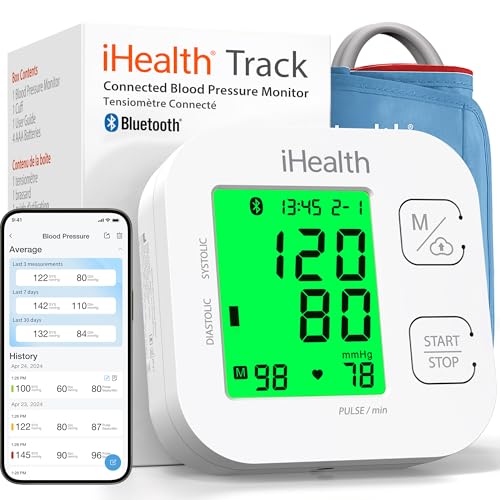
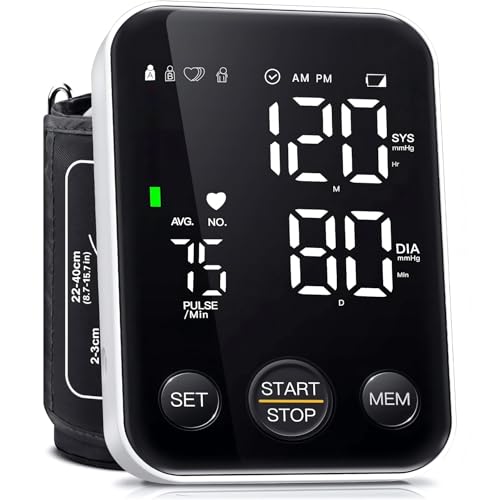
An upper-arm cuff is more accurate than a wrist model. Pick a clinically validated device with a cuff sized to your arm, and take readings seated after five minutes of rest. Models that store readings or sync to an app make it easy to share trends with your doctor.
Frequently Asked Questions
What is a normal blood pressure reading by age?
A normal blood pressure reading is below 120/80 mmHg for adults of every age, according to the ACC and AHA. Average readings do tend to rise with age, but the healthy target stays the same. A reading of 130/80 mmHg or higher is considered high blood pressure at any age.
Is 120/80 considered high blood pressure?
No, 120/80 mmHg is not high blood pressure, but it sits right at the edge of normal. The ACC and AHA define normal as below 120/80 mmHg. A systolic reading of 120–129 with diastolic under 80 is called "elevated," a signal to improve lifestyle habits before it climbs.
What blood pressure is too high for my age?
Blood pressure of 130/80 mmHg or higher is too high at any age, based on the 2017 ACC/AHA guideline. The threshold does not change as you get older. A reading above 180/120 mmHg is a hypertensive crisis and may need emergency care if symptoms are present.
Why does blood pressure increase with age?
Blood pressure tends to increase with age because arteries naturally stiffen and narrow over time. This makes the heart work harder to push blood through, raising the systolic number. While this rise is common, the AHA stresses that the healthy goal of below 120/80 mmHg still applies.
When should I see a doctor about my blood pressure?
See a doctor if your blood pressure is consistently 130/80 mmHg or higher on repeated readings. Call 911 if it exceeds 180/120 mmHg along with chest pain, shortness of breath, or stroke symptoms. Regular checks are key because high blood pressure usually causes no symptoms.
Does a low-carb diet lower blood pressure?
A 2013 meta-analysis of randomized controlled trials in the British Journal of Nutrition found low-carbohydrate ketogenic diets produced significantly greater reductions in both systolic and diastolic blood pressure than low-fat diets, alongside greater weight loss. The DASH diet remains the approach with the most direct guideline backing for lowering blood pressure through diet; low-carbohydrate eating is a separate, evidence-supported option rather than the guideline-endorsed default. Talk to your doctor before a major diet change, especially if you take blood pressure medication.
Does blood pressure change during pregnancy?
Yes. Blood pressure usually drops in the first and second trimester, often reaching its lowest point around mid-pregnancy, then rises back toward your normal baseline in the third trimester. A sudden rise above 140/90 mmHg after 20 weeks is different from this normal pattern and can signal preeclampsia, a pregnancy complication the American College of Obstetricians and Gynecologists says needs prompt evaluation. Your prenatal visits track this trend specifically because a single reading means less than the pattern over time. See the blood pressure symptoms guide for the specific warning signs of preeclampsia.
Do GLP-1 medications like Ozempic, Wegovy, Mounjaro, or Zepbound affect blood pressure?
Yes, and they generally lower blood pressure rather than raise it. A 2023 meta-analysis in the Journal of Clinical Medicine pooled six randomized trials in 4,744 people without diabetes. It found that semaglutide, the active ingredient in Ozempic and Wegovy, lowered systolic blood pressure by 4.83 mmHg and diastolic blood pressure by 2.45 mmHg on average, compared with placebo. Tirzepatide works the same way. The SURMOUNT-1 trial found an even larger drop at its highest dose. Systolic pressure fell 6.4 mmHg and diastolic pressure fell 3.6 mmHg, reported in a 2026 review in the American Journal of Hypertension. Tirzepatide is the active ingredient in Mounjaro and Zepbound. A mediation analysis of the SURMOUNT-1 trial estimated that weight loss accounts for roughly two-thirds of the systolic drop, with a direct effect on blood vessels behind the rest. Tell your prescriber before starting one of these drugs if you already take blood pressure medication. Combining the two can push a reading lower than either drug produces alone.
Does anxiety cause high blood pressure?
Anxiety does not cause chronic high blood pressure on its own, but it does cause temporary spikes. Mayo Clinic reports that an anxiety episode can raise a reading sharply for a short time, even though that rise does not count as ongoing hypertension. Frequent spikes are still worth addressing. Repeated anxiety-driven jumps in blood pressure are thought to strain the heart, kidneys, and blood vessels much the way chronic hypertension does. The symptoms add to the confusion. A racing heart, shortness of breath, and lightheadedness can show up during a panic attack, a hypertensive crisis, or a drop into low blood pressure. Feelings alone cannot tell you which one is happening. A cuff reading is the only way to know for certain. Anyone with frequent anxiety who also sees elevated readings should raise both with a doctor, since treating the anxiety can cut down how often the spikes happen.
Is blood pressure the same as blood sugar?
Blood pressure is not the same as blood sugar. Blood pressure measures the force of blood pushing against artery walls, recorded with a cuff as two numbers in mmHg. Blood glucose measures the concentration of glucose dissolved in the blood, read as a single number from a meter or lab draw. Both are cardiometabolic risk factors commonly screened together at a routine checkup, but they are regulated by different body systems and do not move in lockstep.
What is the difference between blood pressure and pulse (heart rate)?
Blood pressure and pulse are distinct measurements. Blood pressure measures the force of blood against artery walls in millimeters of mercury (mmHg), while pulse measures how many times the heart beats per minute (bpm). A home blood pressure cuff commonly displays both values in the same reading, which is a plausible reason the two get confused. Separately, pulse pressure is a specific clinical term for the numeric gap between systolic and diastolic blood pressure, and it is not the same thing as pulse rate.
Topic updates
Get the weekly lab marker roundup
Blood test interpretation, optimal ranges, fasting insulin, A1C, thyroid panels, testosterone, cortisol, and nutrient markers.
Want biomarkers handled by a physician who works from your labs? See how Opt Health does it →
Check Where You Stand
Take our free health assessment to understand your metabolic, hormonal, and recovery risk factors — and get personalized recommendations.
Take the Free Assessment →Free · Takes 5 minutes · Instant results
Related Reading
← Back to Testing & Biomarkers
-
MPV Blood Test: What Mean Platelet Volume Means When It's High or Low
MPV: what mean platelet volume reveals about platelet production and disease.
-
How to Read Blood Test Results: the Complete Guide to Understanding Your Lab Work
How to read your blood work — a plain-English guide to every common lab value.
-
CBC Blood Test: What a Complete Blood Count Measures and What Your Results Mean
CBC explained: RBC, WBC, hemoglobin, hematocrit, platelets, and differentials.
See more related reading
-
MCHC Blood Test: Meaning, Normal Range, High and Low Results
MCHC explained: hemoglobin concentration in red blood cells, high/low causes, and next labs.
-
MCV Blood Test: High, Low, Normal Range, and Anemia Patterns
MCV explained: red blood cell size, microcytic vs macrocytic anemia patterns.
-
HCT Blood Test: Hematocrit Levels, High and Low Results Explained
Hematocrit explained: high and low HCT, dehydration, anemia, sleep apnea, and TRT monitoring.
-
TIBC Blood Test: Total Iron Binding Capacity, Transferrin Saturation, and Iron Panel Interpretation
TIBC blood test: total iron binding capacity, transferrin saturation, and iron panel interpretation.
Affiliate disclosure: The Metabolic Journal is reader-supported. Some links above are affiliate or referral links and we may earn a commission at no extra cost to you. As an Amazon Associate we earn from qualifying purchases. Products are chosen on the merits; commissions never influence what we recommend. This is general information, not medical advice — talk to your clinician before acting.