High Blood Pressure Symptoms and When They Show Up
Medically reviewed by Medical Advisory Board Last reviewed 2026-08-24
Most people with high blood pressure feel nothing until it's measured.
High blood pressure usually causes no symptoms until it's measured or reaches a hypertensive crisis. Symptoms differ somewhat in women, and a systolic reading above 180 or diastolic above 120 needs emergency care.
High blood pressure causes no symptoms in most people, which is why doctors call it the "silent killer." Usually, a reading has to rise into a hypertensive crisis, above 180/120 mmHg, before the body produces a warning sign anyone would notice.
The exceptions are the physical signs of a hypertensive crisis and a small set of symptoms that are more common in women, especially during pregnancy. For the numbers, categories, and typical age-based ranges, see the blood pressure chart by age.
Partner · Opt Health
Want a clinician to work up your metabolic numbers?
Opt Health runs fasting insulin, A1C, a full lipid panel and 50+ other markers, then builds a treatment plan — GLP-1s included where they're appropriate — with a physician who reviews the data with you directly.
See Opt Health's metabolic program →Why High Blood Pressure Rarely Causes Symptoms
Arteries have no pain receptors that fire when pressure inside them rises gradually. That is the physical reason high blood pressure can climb for years without producing a headache, chest tightness, or any other sensation. The CDC estimates that nearly half of adults in the United States have high blood pressure, and a large share of them do not know it until a routine check catches it. Mayo Clinic lists the same pattern: blood pressure can reach dangerously high levels with no signs at all. Symptom-watching will not catch it. Regular monitoring will. Some people report mild headaches or nosebleeds at moderately elevated readings. Neither the CDC nor Mayo Clinic lists either one as a reliable sign of blood pressure in the normal-to-elevated range. The symptoms covered below appear almost exclusively once a reading has already crossed into crisis territory, or during pregnancy, when the body's normal warning signs shift.
People with a family history of hypertension, older adults, and people carrying extra weight around the waist all have higher odds of developing high blood pressure earlier. None of those risk factors produce a felt symptom either. A parent or sibling with hypertension is a reason to get checked more often. Waiting for a symptom that most likely will not come is not a substitute. See the blood pressure chart by age for how often testing is recommended at each stage of life.
Symptoms During a Hypertensive Crisis
A systolic reading above 180 mmHg or a diastolic reading above 120 mmHg is a hypertensive crisis, and it is the point where the American Heart Association says symptoms become common enough to notice. Severe headache, shortness of breath, nosebleeds, and severe anxiety can all appear at this level. Chest pain, vision changes, numbness or weakness, and difficulty speaking are more serious signs. They point to organ damage already in progress rather than a high number on a cuff alone.
If a reading this high comes with any of those more serious signs, the American Heart Association's guidance is to call 911 rather than wait and recheck. If the number is that high but there are no other symptoms, the standard advice is to wait five minutes and take a second reading before deciding whether it is an emergency. A single high reading without symptoms is common and does not, by itself, mean a crisis is underway.
Symptoms of High Blood Pressure in Women
Outside of a hypertensive crisis, one group does experience blood-pressure-related symptoms more often: pregnant women with preeclampsia. Preeclampsia is a pregnancy complication built on a sudden rise in blood pressure after 20 weeks, and unlike ordinary hypertension, it comes with symptoms the American College of Obstetricians and Gynecologists tells patients to watch for directly. ACOG flags four signs as reasons to call a provider right away, rather than waiting for the next prenatal visit.
- A severe headache that will not go away
- Vision changes such as blurring or seeing spots
- Sudden swelling in the face or hands
- Pain in the upper right abdomen
Outside of pregnancy, women and men experience ordinary high blood pressure the same way: almost always without symptoms, and almost always found on a routine reading rather than felt. Any of the crisis-level symptoms above apply equally to women who are not pregnant.
Low Blood Pressure Symptoms Are a Different Condition
Low blood pressure, or hypotension, produces a noticeably different set of symptoms than high blood pressure does, because the mechanism is the opposite: not enough blood reaching the brain rather than too much force against artery walls. Dizziness or lightheadedness on standing, fainting, blurred vision, nausea, fatigue, and trouble concentrating are the symptoms Mayo Clinic lists as the common signs of hypotension. These often show up specifically when moving from sitting or lying to standing, a pattern called orthostatic hypotension.
Anyone with these symptoms alongside a genuinely low reading should not assume it is the opposite problem from high blood pressure and treat it the same way. The causes, thresholds, and management are covered separately on the main blood pressure page.
When to Get Tested Instead of Watching for Symptoms
Because symptoms are unreliable for both high and low blood pressure, a cuff reading is the only way most people will know where their numbers stand. The American Heart Association recommends adults get blood pressure checked at least once every two years starting at age 20, and annually once a first reading is elevated or once other cardiovascular risk factors are present. Home monitors are inexpensive and validated against clinical devices, so a reading taken at home between doctor visits is a reasonable way to catch a trend early, well before it produces any of the symptoms above. See the metabolic score tool for a broader view of related risk factors.
What to Look For in a Blood Pressure Monitor
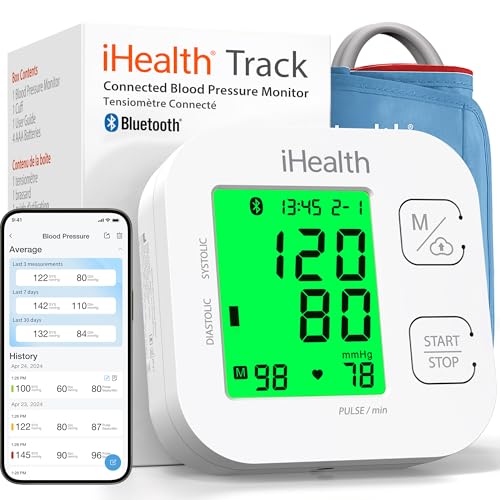
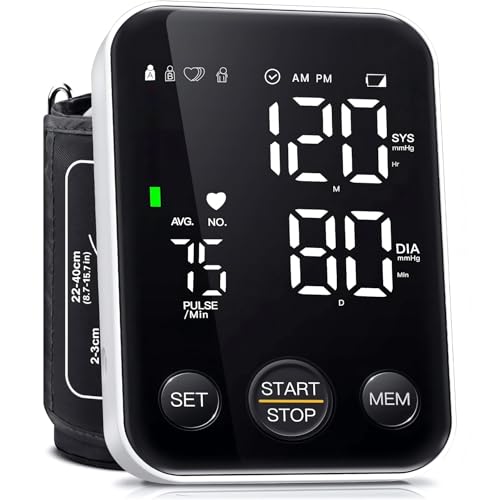
An upper-arm cuff is more accurate than a wrist model. Pick a clinically validated device with a cuff sized to your arm, and take readings seated after five minutes of rest. Models that store readings or sync to an app make it easy to share trends with your doctor.
Frequently Asked Questions
What are the first signs of high blood pressure?
For most people there are no first signs. High blood pressure is silent until a reading is taken, and by the time symptoms like severe headache or shortness of breath show up, the reading is usually already in hypertensive crisis territory, above 180/120 mmHg. That gap is why the American Heart Association recommends routine checks rather than waiting to feel something.
Can high blood pressure cause headaches?
Only at very high readings. A hypertensive crisis, a systolic reading above 180 or diastolic above 120, can cause a severe headache, but ordinary elevated or stage 1 and stage 2 readings have not been shown to reliably cause headaches on their own. A headache with a normal or mildly elevated reading is more likely to have another cause.
Does high blood pressure cause dizziness?
Not typically at normal-to-moderately-elevated readings. Dizziness is more strongly associated with low blood pressure, where reduced blood flow to the brain is the direct mechanism. Dizziness alongside a very high reading, especially with confusion or vision changes, is a hypertensive crisis warning sign and needs immediate medical attention.
What are the symptoms of high blood pressure in women?
Outside of pregnancy, women experience high blood pressure the same way men do: almost always without symptoms. During pregnancy, a sudden rise in blood pressure after 20 weeks can signal preeclampsia, and the American College of Obstetricians and Gynecologists advises watching for a severe headache, vision changes, sudden swelling, and upper abdominal pain as reasons to call a provider right away.
How can I tell if my blood pressure is high without a monitor?
Reliably, you cannot. Because high blood pressure produces no symptoms in the vast majority of people until it reaches crisis levels, a cuff reading, at home or at a doctor's office, is the only accurate way to know your numbers. Guessing based on how you feel misses the condition in almost everyone who has it.
What is the difference between high and low blood pressure symptoms?
High blood pressure is silent until it reaches a crisis, when it can cause severe headache, chest pain, or vision changes. Low blood pressure tends to cause symptoms at much lower severity, including dizziness on standing, fainting, and fatigue, because reduced blood flow to the brain shows up faster than the artery damage from high pressure does.
Why is high blood pressure called the silent killer?
The nickname comes from the combination of two facts: it usually causes no symptoms, and it steadily damages the heart, kidneys, and blood vessels the entire time it goes unnoticed. The American Heart Association uses the term because a person can have high blood pressure for years while feeling completely normal. They often only find out after it has already contributed to a heart attack, stroke, or kidney damage. Regular readings are the only way to catch it while it remains silent and treatable with lifestyle changes alone.
Topic updates
Get the weekly metabolic health roundup
Insulin resistance, blood sugar, visceral fat, GLP-1 plateaus, metabolic syndrome, and weight-loss physiology.
Want your metabolic health handled by a physician who works from your labs? See how Opt Health does it →
Check Where You Stand
Take our free health assessment to understand your metabolic, hormonal, and recovery risk factors — and get personalized recommendations.
Take the Free Assessment →Free · Takes 5 minutes · Instant results
Related Reading
-
Blood Pressure Chart by Age: Normal and High Ranges Using ACC/AHA Categories
Blood pressure chart by age: normal and high ranges using current ACC/AHA categories.
-
Blood Sugar Crash: Why It Happens and How to Stop It
Reactive hypoglycemia: causes, symptoms, and how to stabilize glucose.
-
Fatigue After Eating Normal Blood Sugar
Tired after eating with normal blood sugar: the vagal, reactive-hypoglycemia, and meal-composition mechanisms.
See more related reading
-
High Cholesterol Symptoms: Why It's Usually Silent, and the Visible Signs (Xanthelasma, Xanthomas) That Do Appear
Why high cholesterol is usually silent, plus xanthelasma, xanthomas, and when to get tested.
-
How Food Affects Blood Sugar
How food changes blood sugar: normal thresholds, glycemic index/load, and the fiber/protein/fat pairing mechanism.
-
Blood Sugar and Skin Aging
How glycation and insulin resistance accelerate visible skin aging, and what the evidence says about reversing it.
-
High-protein Diet FAQ
High-protein diet FAQ: what counts as high-protein, satiety and muscle-preservation evidence, and the safe upper range.
-
Gum Disease and Blood Sugar: the Two-way Link
The bidirectional link between gum disease and blood sugar, and what periodontal treatment does to A1C.
Affiliate disclosure: The Metabolic Journal is reader-supported. Some links above are affiliate or referral links and we may earn a commission at no extra cost to you. As an Amazon Associate we earn from qualifying purchases. Products are chosen on the merits; commissions never influence what we recommend. This is general information, not medical advice — talk to your clinician before acting.